
An Expert’s Guide To Navigating The Art World

How has your experience across galleries, curation and media informed the way you advise collectors?
Directing galleries in New York and Seattle taught me how the commercial side actually works – what dealers are thinking when they price work, how relationships are built and what it means to commit to an artist early. Working with Nick Knight at SHOWstudio for a decade was a masterclass in vision – in what it looks like when someone refuses to compromise on their aesthetic. And presenting The Art Show on Sky Arts showed me that once you make art feel like it belongs to everyone, people don't want to be locked out of it again. Consulting now, I draw on all of that.
You're known for spotting talent early – what do you look for in a new artist?
A real point of view – which is rare. There's a lot of technically accomplished work out there that doesn't have anything urgent to say. What I'm drawn to is artists who have a question they're genuinely obsessed with answering, over and over again – and where you can feel that obsession in the work. I also look for development. Not just one strong series but evidence that the thinking is moving somewhere. And honestly, if I can’t stop looking at it or thinking about it, that’s a really good sign? If I keep going back, that means something and I listen to that.
How do you discover emerging artists today, through galleries or other channels?
You have to be open to all and every avenue. The best galleries – the ones really committed to their artists – are essential. They're doing the relationship work that makes a career, not just sales. But Instagram has changed things forever. I've found artists on there that I would never have encountered otherwise. Graduate shows are still wonderful if you go in with fresh eyes and I often discover artists through other artists – word of mouth inside a studio community is often more honest than anything else.
As a collector, how important is it to build relationships with galleries versus working with an art consultant?
They're not mutually exclusive. A good gallery relationship gives you access, context and the chance to watch how the market works in real time. A good consultant shouldn’t be trying to sell you anything specific but does the research, presents you with options and works with you for an extended period of time to find the right things. For someone right at the beginning of their collecting journey, I'd say go to galleries. Ask questions, get comfortable and when you're ready to start buying in a more considered way, that's when having a consultant to think it through with becomes genuinely useful.
Are there particular galleries – in London or globally – that you always go back to?
In London, Lisson Gallery has been extraordinary for decades. Its commitment to its artists in the long term is rare and real. The programme always surprises me too – painters like Leiko Ikemura, great conceptual artists like Ryan Gander, and photographers like Rodney Graham all show there. For contemporary work with genuine rigour, Josh Lilley and Seventeen Gallery are my go-to in the UK. Globally, I have huge admiration for Esther Shipper in Berlin and Hauser & Wirth – whatever you think of the scale, it consistently delivers serious shows featuring great artists. Honestly, some of the most exciting things I've seen recently have been in smaller spaces like Cooke Latham in London and Robertson Ares Gallery in Montreal.
What’s the first question you ask a client before suggesting any artwork?
What's already on your walls? Not because I want to match anything but because it tells me so much, including what they've been drawn to before, what risks they’ve taken or avoided and whether they buy with their gut or their head. From there I can understand where to push them and where to hold back.
How do you balance a client's personal taste with a 'smart' or strategic purchase?
There’s no reason to think of them as opposites. The best purchases can be both something you genuinely love that also happens to be by an artist whose moment is coming. Where it goes wrong is when people buy strategically and end up with work they don't actually want to live with but that they bought just because it was hot and they hate looking at it (trust me, it’s happened) or when they buy something they love without any context about where the artist is in their career and then they expect it to go up in value. My job is to find the overlap. In my experience, if you love something and you've done the homework, you're usually in a pretty good position.
Should people pay attention to trends or is that the wrong way to approach collecting?
Be aware of them, absolutely, but ignore them as a primary driver. The collectors I've watched build genuinely great collections over time are the ones who trusted their own responses to work rather than chasing what was selling at the last fair. Trends in the art world move fast and they don't always reflect quality. They reflect market momentum. If you’re buying art as an asset class, trends are your friend. If you’re buying art because you want to enrich your life and support our collective cultural wealth by investing in artists, then trends are irrelevant. That said, being completely oblivious isn't smart either. Understanding why certain conversations are happening in the art world right now gives you context.
The art world is often seen as intimidating or opaque – how do you demystify it for your clients?
By being honest about how it actually works. A lot of the opacity is structural – pricing isn’t always public, access depends on relationships and there's an unspoken assumption that you already know the rules. I just explain those rules. I tell clients how galleries think, what the pricing tiers mean, why an artist's gallery history matters, what to look for in an auction result. Once people understand the mechanics, the intimidation largely disappears.
What are some common mistakes you see first-time buyers make?
Buying something because a gallerist was persuasive rather than because the work genuinely moved them. Spending a lot on one piece before they've had time to understand what they actually like. Buying prints from secondary market resellers without understanding the edition size or provenance. And – this one is very common – being so worried about getting it wrong that they never buy anything at all and missing out on a work they really loved. There's no perfect first purchase. You learn by doing.
For those interested in art as an investment, what factors should they pay attention to?
Art is not an asset class in the traditional way and as much as people have tried to make it a parallel with watches or wine, or even luxury bags, it’s not liquid like that unless you are buying at the literal top of the market. For mid-career, emerging artists it’s a different story. If you want to make sure you’re not overpaying for something, there are some great checks and balances to bear in mind, like gallery representation – is the gallery genuinely invested in the artist's long-term career? Exhibition history – are they showing in credible institutional spaces as well as commercial ones? Critical attention – is the work being written about seriously? And auction history, if there is one – not just whether it's selling but whether prices are holding. Also, be honest with yourself about your timeline. Art is illiquid. If you need to sell it in two years, you may not get what you paid. The people who do well out of art as investment are almost always people who also genuinely love what they bought and hold onto it for ten years. There’s a great article about Paul Allen that compares his collection to other indexes like the stock market, gold and housing. Art doesn’t do so well. So, skip the art as investment stuff and go into art buying as a way to invest in an artist and your own cultural wealth.
So, is there a clear distinction between buying art you love and buying art that will appreciate in value – or can the two ever overlap?
They can absolutely overlap and when they do it's a genuinely wonderful thing. But it’s important to be honest about which is driving the decision. If you're buying primarily for investment, approach it like an investor – do the due diligence, understand the market and accept the risk. If you're buying because you love it, accept that it may never be worth more than you paid – and decide whether that matters to you. The collectors I respect most buy because they understand the real value of art and culture, and they want to support it or they simply can't imagine not owning something. The financial upside, when it comes, then feels like a bonus rather than the point.
Are there any artists – emerging or established – you think collectors should have on their radar?
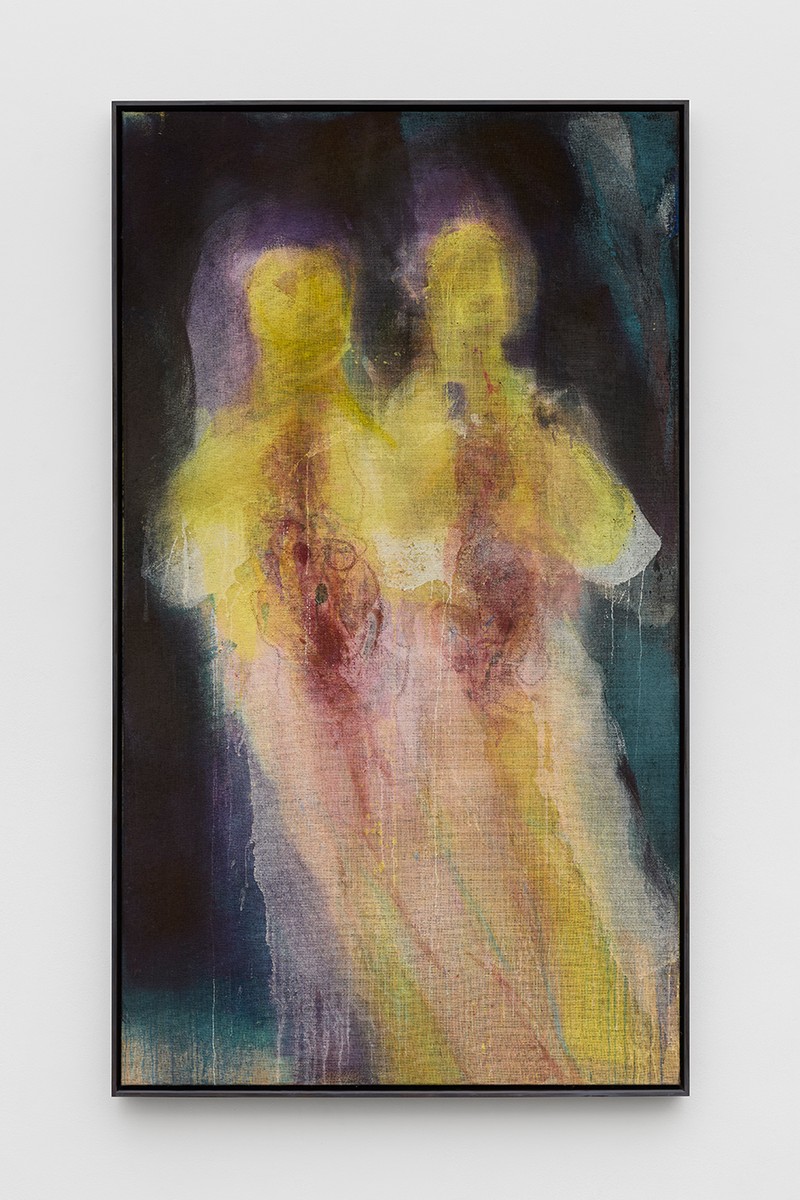
The work I'm most excited about right now sits at the intersection of materiality and memory. Take a look at Eva Dixon’s work, or Bronson Smillie – these are artists asking serious questions about what objects carry and what they leave behind. There's a generation of artists working with textiles, archive, found material, who are doing some of the most urgent work. Theaster Gates is the godfather of this movement.
You've spoken about making the art world more accessible – what does that look like in practice?
Seen – that’s what we built it for. The idea was to create a space where the information and access that used to require knowing the right people is just... available. Editorial that explains things without talking down to you. Short-form video that takes you inside studios and into conversations you wouldn't normally get near. It’s about building a community where emerging artists and collectors can actually find each other. Accessibility isn't about lowering standards – it's about removing the unnecessary barriers.
How much should people consider where a piece will hang before they buy it?
More than most people do. I've seen work that was electric in a gallery become somehow diminished in the wrong domestic setting – and the reverse is also true: pieces that feel modest in a white cube come alive on a coloured wall. Before you buy, think about the light – natural and artificial – the wall colour, the scale of the room and what else lives nearby. That doesn't mean you need to be rigid about it, unless we are talking about whether the work is going to fit through the front door (I once had to crane a work into an apartment). Sometimes buying something and finding the right place for it is part of the pleasure but going in blind can also lead to expensive regret.
/https%3A%2F%2Fsheerluxe.com%2Fsites%2Fsheerluxe%2Ffiles%2Farticles%2F2026%2F05%2Fsl-110526-expert-guide-nick-goss-at-josh-lilley-gallery.jpg)
Are there any golden ‘hanging’ rules, like height, spacing or positioning?
Hanging too high is the most common mistake. Eye level means exactly that – the centre of the work should be at eye level when you're standing, which is roughly 145-150cm from the floor. People hang things as if they're trying to fill wall space upwards rather than create a conversation with the room. With groups of works, the spacing matters enormously. Too much gap and they float away from each other; too little and it feels crowded. Don’t hang a small work on a vast wall and expect it to hold its own, unless it’s an Anj Smith. Scale the work to the space or create a grouping that fills it properly.
Framing can transform a piece – how do you approach it?
I almost always lean towards simple over decorative. A well-made frame – black, white or aluminium – will work for a range of contemporary work without competing with it. For works on paper, a float mount makes an enormous difference; it gives the work room to breathe and shows off the organic material of paper. The mistake people make is choosing a frame that reflects their space rather than the work itself – the frame's job is to serve the art, not the sofa. That said, context matters. An ornate gilded frame on the right painting can be perfect. The question is always: does the frame draw attention to itself or to the work?
From UV-protective glass to lighting, what are the key things to know about preserving artworks at home?
Keep works out of direct sunlight – UV damage is cumulative and irreversible, and it happens faster than people realise. If you're framing works on paper, UV-protective museum level glass or acrylic is worth the extra cost. For lighting, a dedicated picture light or track lighting with a low UV/IR output makes a real difference to both the presentation and the longevity. Avoid hanging pieces above radiators or in rooms with dramatic humidity fluctuations – like bathrooms or kitchens. If you ever need to move or store a work, wrap it properly; more damage happens in transit than people imagine. None of this is complicated but most people don't think about it until something has already faded or a frame is broken.
How do you know when it might be the right time to sell a piece?
When the reasons you bought it no longer apply or when the market has reached a point where the financial return genuinely matters more to you than continued ownership. Practically, watch the auction results over time. If an artist's secondary market prices are climbing steadily and there's institutional momentum behind them, that's when the window opens. But be aware that selling too early – before an artist's market has fully matured – is a common missed opportunity. The other consideration is simply: do you still love it? If you do, selling for a profit you didn't need feels hollow surprisingly quickly.
What's the one piece of advice you’d give someone buying their first piece this year?
Buy something you genuinely cannot stop thinking about. Not the safest choice, not the one that looked best in the gallery, not the one a friend told you was a good investment. The one you kept going back to. The one that you're still thinking about a week later. That instinct is real information – about what you respond to, what matters to you and what kind of collector you might become. The art world is full of advice about what to buy but the most useful compass you have is your own response.
Visit SEEN.ART
Or continue to comment as a Guest below
DISCLAIMER: We endeavour to always credit the correct original source of every image we use. If you think a credit may be incorrect, please contact us at info@sheerluxe.com.