
How To See Peru In Style In 2026
Days 1-2: Lima
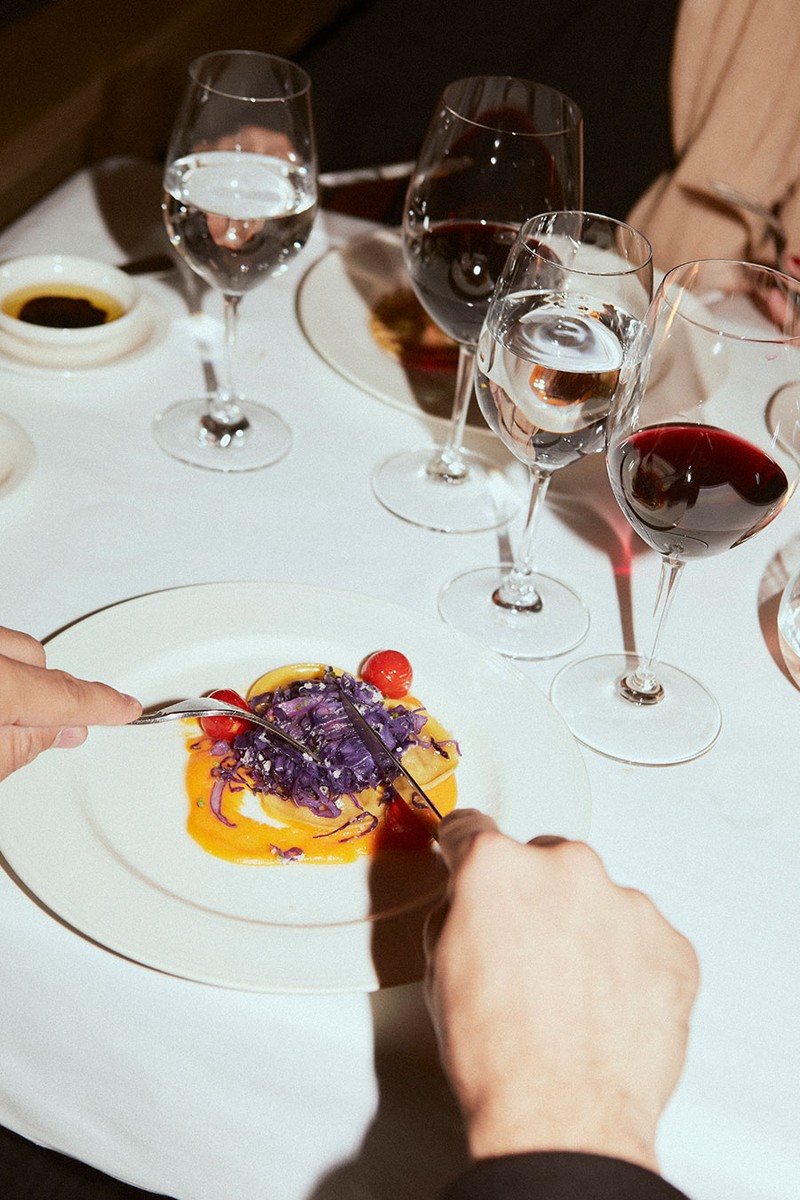
2025 marked a milestone moment for Lima, and any trip to Peru is best started with a few days in the capital to experience its culinary heights first-hand. Early this year, World’s 50 Best crowned Maido the best restaurant in the world. A masterclass in Nikkei – Peru’s distinctive Japanese-Peruvian fusion – the Miraflores institution is led by chef Mitsuharu ‘Micha’ Tsumura, whose tasting menu features signatures like squid ramen with Amazonian chorizo and precision-led seafood. It follows in the footsteps of Central, Virgilio Martínez’s groundbreaking restaurant that became the first South American spot to top the global list in 2023. Lima continues to dominate the awards, with regular appearances from Kjolle, Central’s vibrant sister restaurant, and Mayta, known for its contemporary take on Peruvian ingredients and altitudinal cooking. Together, they cement Lima as one of the most compelling food destinations in the world – and a city no foodie should pass through quickly.
Lima may be home to some of the world’s most decorated restaurants but its food culture goes far beyond white tablecloths. As the only South American capital by the ocean, it’s little wonder ceviche has become Peru’s culinary calling card. Down by the harbour, stalls serve seafood caught that very morning, but locals will tell you the place to try it is La Mar in Miraflores, a pioneering cevicheria that opens from midday to 5.30pm to guarantee absolute freshness.
For something more unexpected, guinea pig (cuy) remains one of Peru’s most traditional dishes. At Astrid y Gastón, inside a spectacular 300-year-old mansion in San Isidro, cuy arrives reinvented Peking-style with glossy hoisin. And no trip to Lima is complete without a pisco sour. Classic spots include Hotel Bolivar and Museo del Pisco, or you can learn to make your own during a cocktail masterclass at Hotel B.
While you're in Lima, make sure to set aside time to explore Barranco, the bohemian neighbourhood known for its colourful buildings, indie galleries and lively restaurants. It’s also the place to explore two more Peruvian specialities: coffee and chocolate. The best spot to combine these is El Cacaotal, a chocolatier with a coffee shop on the ground floor. As well as showcasing an impressive amount of Peru-only bean-to-bar products, the shop hosts cacao masterclasses upstairs, which can be paired with coffee tastings. It’s just the place to stock up on some souvenirs.
Lima’s museum scene is first-class too. Culture lovers should stop at Casa Liébana, a beautifully preserved Republican-era mansion that houses an exceptional private collection of Peruvian folk art, from 18th-century retablos to contemporary ceramics, masks and textiles. Meanwhile, the Larco Museum offers one of the city’s finest collections of pre-Columbian artefacts, and the Amano Museum, guided by textile expert Isabel Collazos, showcases more than 120 pieces tracing Peru’s ancient weaving traditions, plus a mesmerising drawer room filled with over 460 rare Chancay textiles.
Where to stay…
Flights from London to Lima – via Madrid – can feel lengthy, so it’s important to make sure your first night’s sleep on South American time is as top quality as possible. On the beautiful Miraflores coastline, you’ll find many of Lima’s loveliest hotels. The InterContinental is in a high-rise building with far-reaching views. As well as housing some interestingly designed rooms and suites, it serves an incredibly varied breakfast buffet that will give you your first taste of Peruvian classics, such as corn tamales and dulce de leche pastries. Belmond Miraflores Park is another coastal classic, with a rooftop heated swimming pool that maximises those Pacific Ocean views as you sip your morning coffee. Take a signature suite and the room will come with a private plunge pool. Minimise any potential jetlag with a visit to the Zest Spa, which uses products made with ingredients found in the Peruvian Amazon – just the way to ease you into the next part of the adventure.
/https%3A%2F%2Fsheerluxe.com%2Fsites%2Fsheerluxe%2Ffiles%2Farticles%2F2025%2F12%2Fsl-121225-how-to-see-peru-in-style-in-2026-credit-belmondaep-220724-21.jpg)
Days 3-7: The Amazon
From Lima, it’s just a two-hour flight to Iquitos, the gateway to the Peruvian Amazon. And you’ll get a warm welcome – not just from the blast of humidity as you step off the plane, but by the band who play as you enter the arrivals hall. This is where the Pure Amazon, An A&K Sanctuary team will greet you with cold face towels before your group heads off on a two-hour drive to Nauta on the Amazon Basin, where you’ll catch your first glimpse of this magnificent boat.
There are now several high-end Amazon cruise boats but Pure Amazon is the newest and shiniest (to the point where, as we cruised down the river, many other passengers in similar-sized boats stopped and stared). Although A&K has been operating in Peru for 25 years, it only launched this Amazon riverboat experience this summer. The result is a state-of-the-art floating hotel with just 12 en-suite beautiful bedrooms, which means there’s a maximum of just 22 guests on any trip. Highly personalised service is one of Pure Amazon’s strong points (it has a ratio of one staff member for every guest) and from the chefs in the kitchen to the nature guides, the staff on board are all locals with incredibly detailed knowledge of the Amazon and its rhythms.
On any three-, four- or seven-night voyage, you’ll journey along the fauna-rich Pacaya-Samiria National Reserve. And while there’s plenty to keep you occupied on board – a library, two bars, a restaurant, a treatment room, a gym and even a jacuzzi on the top deck – it’s the thrice-daily skiff tours that linger in the memory. At 6am, 9am and 3pm, two skiffs – each led by a naturalist – take Leica binocular-clad guests out on the water for an hour or two, stopping whenever an interesting animal appears (we saw toucans, three-toed sloths, pink river dolphins and woolly monkeys on our trip). There was also a jungle walk one morning and options for river swimming, piranha fishing and kayaking during the afternoons – all of which helped to work up an appetite for the catfish ceviche lunches and the elevated five-course Peruvian dinners the chefs prepare each evening, which come paired with Latin-American wines.
It’s worth noting that along the way on any A&K journey, you’ll be met by an A&K ‘guardian angel’, who are genuinely game-changing when it comes to navigating the vastity of Lima airport. These guides will be there to greet you off any flight – even internal ones – to ensure your bags are where they’re meant to be, and that you’ll heading in the right direction for immigration, security and your boarding gate. They’ll also be there to assist with transfers between the airport and hotels, which makes the entire experience smooth and seamless.
Days 8-12: The Andes
There are many ways to see the Andes. Some people choose to focus on the Sacred Valley and Machu Picchu, which can be a five-day roundtrip. With Belmond, there are various journey combinations that mean travellers can see this ancient Inca site as well as other lesser-known Andean highlights in the same timeframe. Both these options are best started from Cusco, which is a 90-minute flight from Lima. The ancient capital of the Inca Empire, Cusco is a popular destination for altitude adjustment before heading off further into the Andes. For Machu Picchu, we suggest heading into the Sacred Valley via the Belmond Hiram Bingham, which runs from May to December. This isn’t a sleeper train (guests can stay at the magnificent Rio Sagrado at the base of the Lost City), but it still offers all the 1920s glamour associated with a voyage on the Orient Express – picture wooden and brass carriages, atmospheric dining and bar cars and an open-air observation deck. Journeys last between 2.45 and 3.5 hours and all trips include a private tour of the citadel.
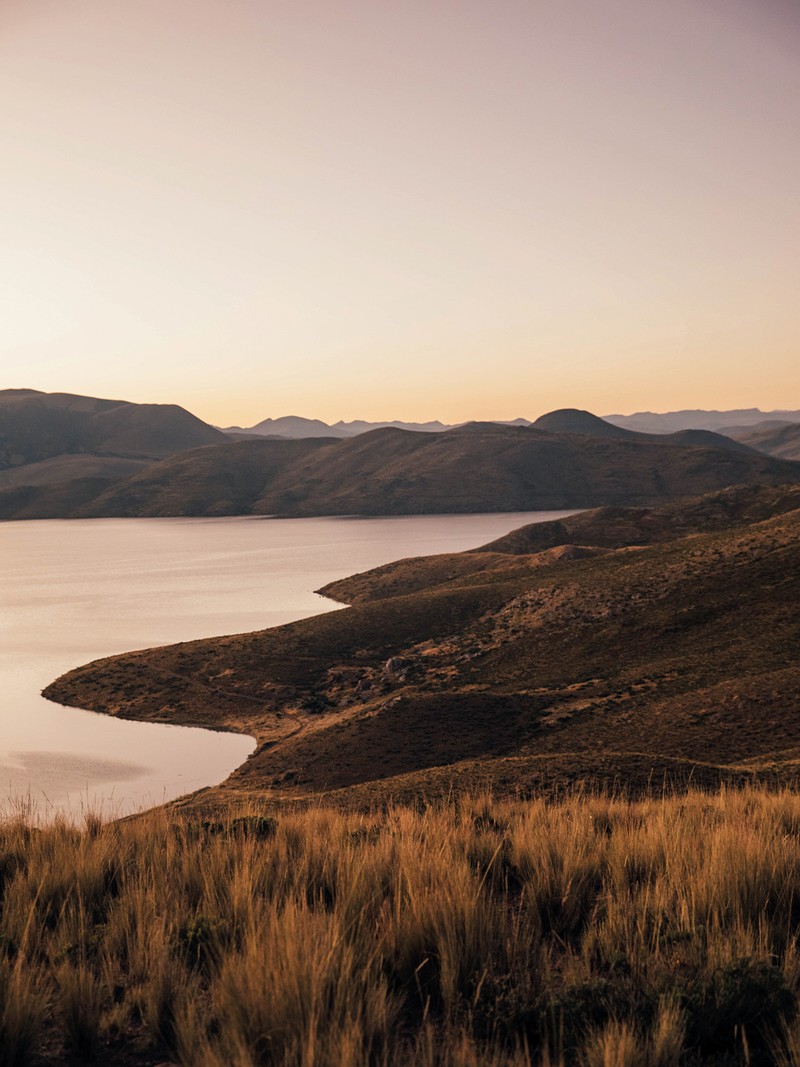
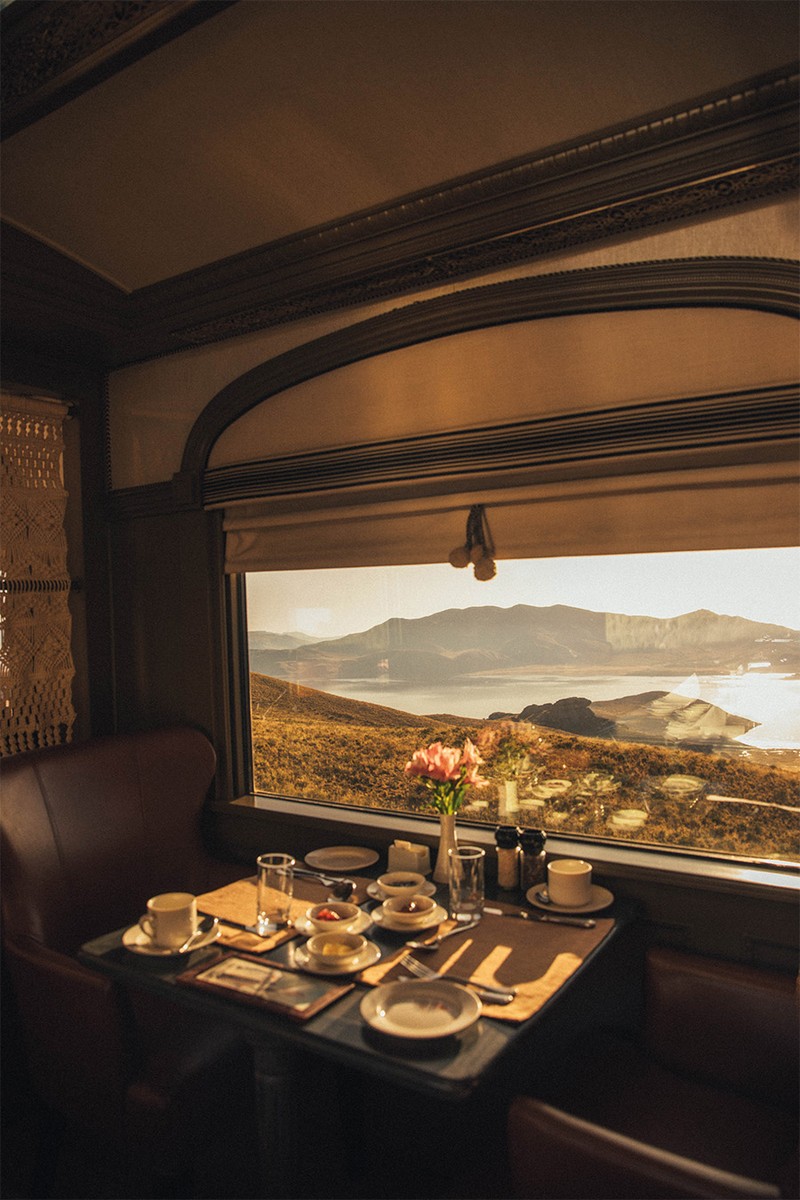
Then it’s back to Cusco for the second half of your Andes adventure. The Belmond Andean Explorer offers two-night stays on its 20-carriage, midnight blue train. South America’s first luxury sleeper train, the Andean Explorer offers one of the most spectacular ways to experience Peru’s dramatic landscapes. As the train climbs high into the Andes (the highest point is 5,489 metres), passengers will see the countryside unfold through panoramic windows, from the waters of Lake Titicaca to the ancient ruins of Raqch’i – all while watching for wild herds of alpacas and llamas.
/https%3A%2F%2Fsheerluxe.com%2Fsites%2Fsheerluxe%2Ffiles%2Farticles%2F2025%2F12%2Fsl-121225-how-to-see-peru-in-style-in-2026-pure-amazondisplay-2k-20250727pure-amazon08cabin-100392.jpg)
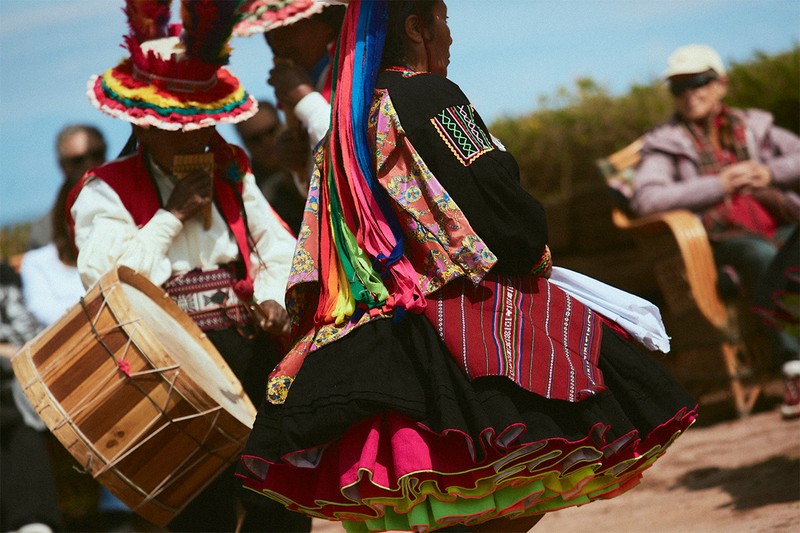
Off the train, curated excursions bring Peru’s cultural heritage into focus. Highlights include exploring the ancient rock art of the Sumbay Caves, meeting the master weavers of Taquile Island and discovering local traditions that have shaped Andean life for centuries, alongside sunrise and sunset experiences complete with hot coffee and blankets. Back on board, it’s all about indulgence: elevated Peruvian dishes such as ceviche and Arequipa cheese ice-cream are served in chic dining cars and guests can book in for soothing anti-altitude treatments in the dedicated Spa Car. We loved the elegance of drinking martinis in the Piano Bar and sitting at the back on the train on the observation deck with a coffee, watching out for wildlife. We also enjoyed the simplicity of the private cabins, which would effortlessly transform from desk to bed while we were at dinner. We’ve barely taken off our branded alpaca wool slipper socks since we got home.
The three-day trip ends in Arequipa (the journey in reverse is also an option), another wonderfully historic Andean city that’s worth spending at least one night in. Framed by three volcanos, the city is famous for its gleaming white churches and facades, which are made with local volcanic rock. The basilica is well worth a tour, but we also loved Arequipa for its shops. Mundo Arequipa is the spot to head to for quality hats, socks, scarfs and jumpers made using llama, vicuna and alpaca wool. As well as a museum here, there’s also a mixed herd to feed and observe (although we don’t suggest doing this after a lunch at local hotspot Zig Zag, where alpaca is on the menu). Pure Alpaca is a slightly pricier shop that sells chicer alpaca wool jumpers and toys. You’ll find it directly opposite the entrance to Santa Catalina, a still-working monastery that’s one of the most fascinating places to visit in the city.
/https%3A%2F%2Fsheerluxe.com%2Fsites%2Fsheerluxe%2Ffiles%2Farticles%2F2025%2F12%2Fsl-121225-how-to-see-peru-in-style-in-2026-credit-belmondaep-rest-03.png)
Where to stay…
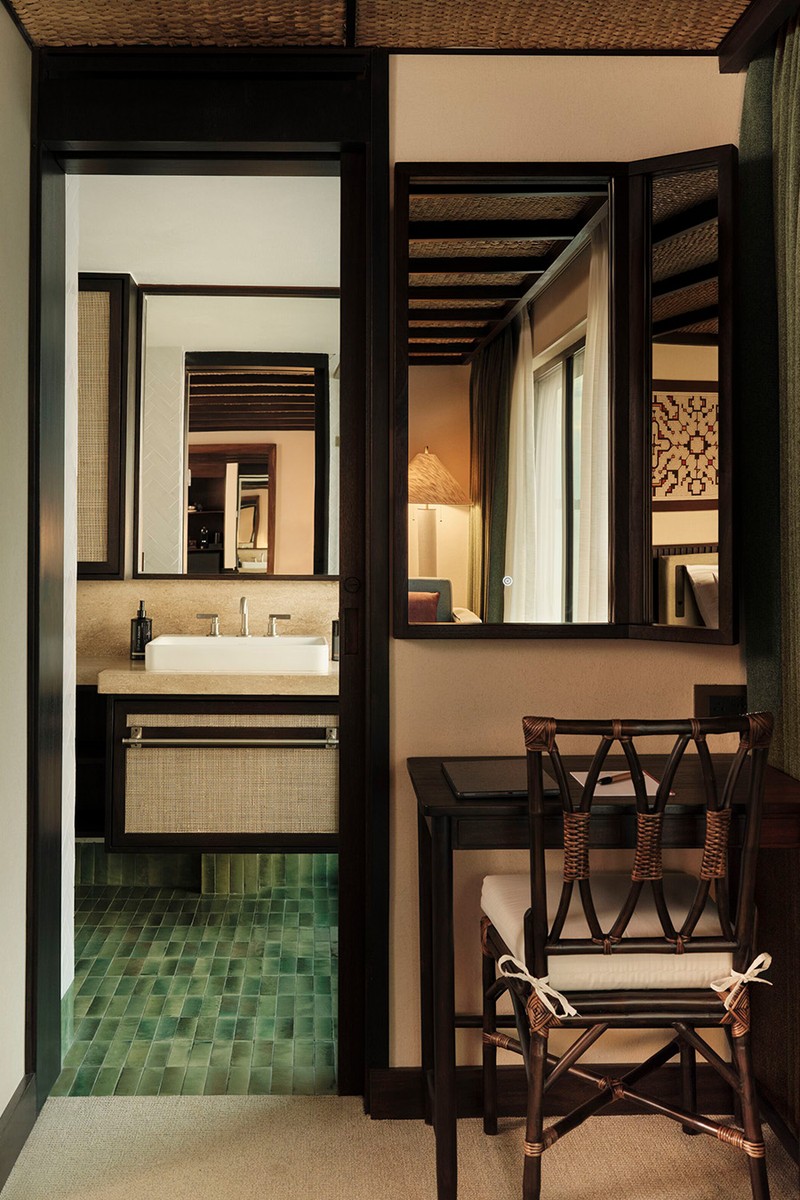
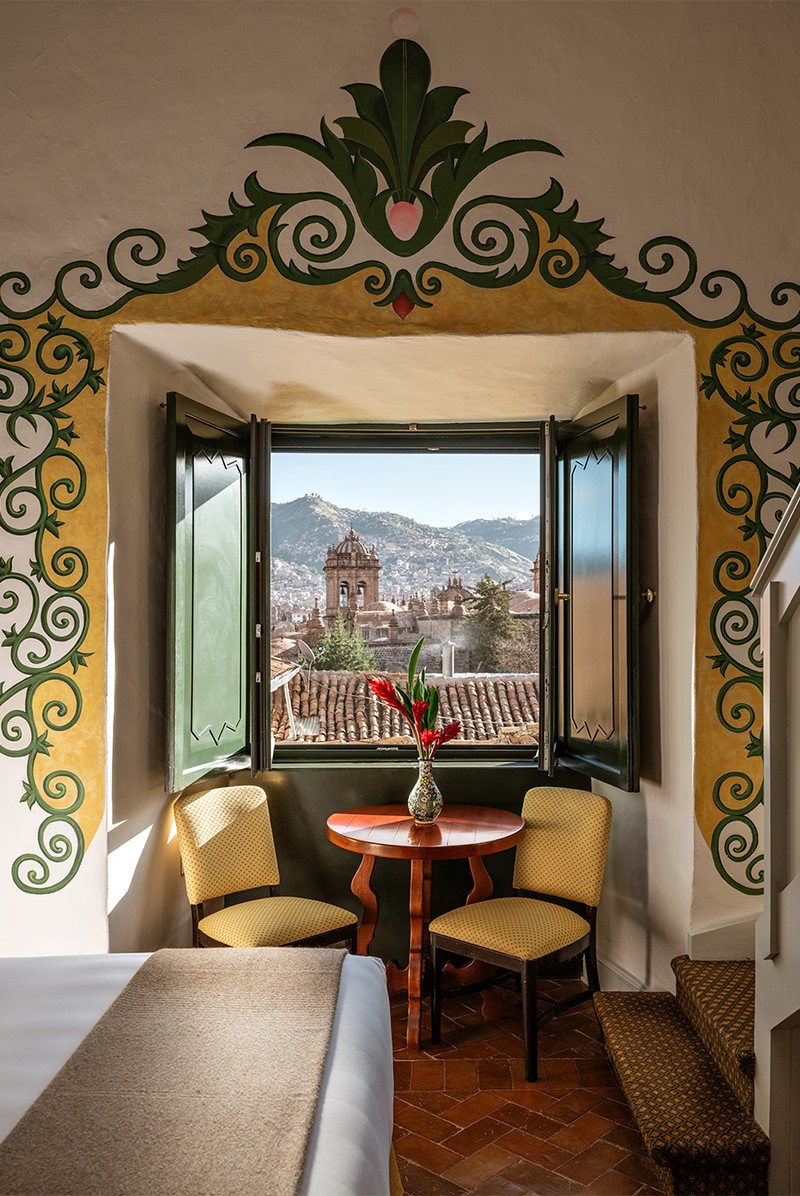
In Cusco, the place to stay is Monasterio. One of two adjoining Belmond hotels, it’s housed in a former 16th-century monastery – and it’s an absolute looker. Its centrepiece is a wonderful, cloistered courtyard with a 300-year-old cedar tree at its core, and during the day you’ll often find people sipping on altitude-acclimatising muña tea or ordering a pisco sour from the bar. And the bedrooms are beautiful. Each one comes with an original Baroque oil painting above the bed and an alpaca wool blanket across it, as well as personalised design details such as murals around the windows or small mezzanines with sofas. Its imposing Library Bar is the starting point for any Andean Explorer journey, and its relaxed grandeur feels just right for setting the tone for one of these special escapes.
In Arequipa, we suggest a couple of nights at Cirqa – although make sure you book it well in advance, as there are only 11 rooms and they fill up fast. Cirqa is central but peaceful (it’s just minutes away from the historic Plaza de Armas) and each of the bedrooms is built around a main terrace and courtyard, which turn into a candlelit restaurant as evening draws in. Designed to mirror the hotel’s original use as a monastery, each room is simply decorated, with soaring ceilings, Bauwerk-style paint details and a hamper filled with local snacks and Peruvian chocolate. There are no TVs, which we loved as it allowed us to really sink into the holiday. There’s also a rooftop bar, stylish sunken hot tub and one of the chicest shops we’ve come across in a hotel.
When to go…
Generally, the best time to visit Peru is the dry season (May to October), especially for activities in the Andes like visiting Machu Picchu and trekking. The Andean Explorer runs every month apart from February. For the coastal regions, including Lima, the ideal months are from December to March. For the Amazon, the drier period is also from May to October, but it is considered a year-round destination.
For more, visit ABERCROMBIEKENT.COM & BELMOND.COM
DISCLAIMER: We endeavour to always credit the correct original source of every image we use. If you think a credit may be incorrect, please contact us at info@sheerluxe.com.