Why Sri Lanka Is One Of Our Favourite Destinations
THE LOWDOWN
If your first trip to Sri Lanka was a whirlwind itinerary through the Cultural Triangle – Sigiriya at sunrise, the cave temples in Dambulla and the Temple of the Tooth in Kandy – and a few days in Colombo with its British and Dutch colonial architecture and excellent shopping, you’ve ticked off the highlights. But seasoned travellers will tell you that Sri Lanka is a country that rewards a slower return – less about sights and more about misty mornings in the hills, long walks through tea plantations, followed by a few days on the coast and a visit to historic Galle.
DAYS 1 TO 4
The Highlands
From Colombo, the four- to five-hour drive up winding, bumpy roads into Sri Lanka’s highlands can be slow-going but it’s also a great way to experience local life. An alternative is to skip the long car journey by flying – the country’s domestic carrier Cinnamon Air runs a network of flights by light amphibious aircraft, often landing on lakes and reservoirs. Or from Kandy, you can take the train to Hatton – this is one of the most atmospheric ways to reach the hills, an ambling six-hour climb passing through villages and a series of tunnels with the valleys stretching below.
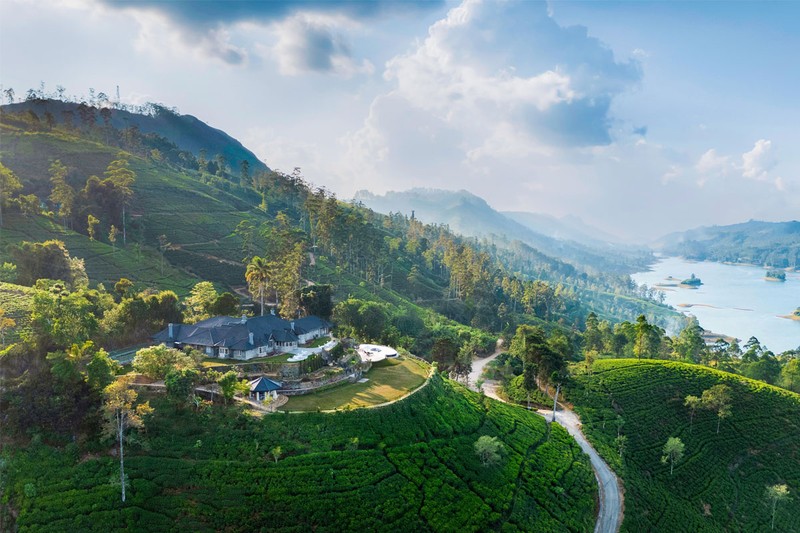
Sri Lanka’s hill country feels like an entirely different world. As you approach, the temperature drops and the landscape shifts to rolling green carpets of tea plantations, punctuated by colonial-era bungalows. Close to Hatton, base yourself at the all-inclusive Uga Halloowella which is perched at over 1,000m above sea level with superb views of the Castlereagh Reservoir. This tea estate bungalow was built in 1912 by Major Elton Lane, a Royal Air Force pilot in World War I, who lived here for 50 years. It then had various owners until family-owned Uga (which has a string of luxe hotels on the island) took it over and restored it with the help of renowned Sri Lankan architect Channa Daswatte. The bungalow’s colonial past, timeless elegance and original charm are very much at the heart of the hotel – think polished satinwood floors, original pinewood panelling, vintage chandeliers and floral fabrics.
With just six suites, the vibe is both intimate and indulgent without feeling formal – it’s exactly the kind of understated luxury Sri Lanka does so well. Days start very slowly with morning tea in bed or on the veranda as the mist lifts over the hills. Each suite is assigned a butler and has elegant four-poster beds, spacious living areas, log fireplaces and ensuite bathrooms with walk-in showers and his-and-her vanities; all have stunning views of the surrounding gardens and tea estates, while the two largest Lane suites have views over the reservoir which are best enjoyed from the window seat in the sitting room or from the claw foot bath.
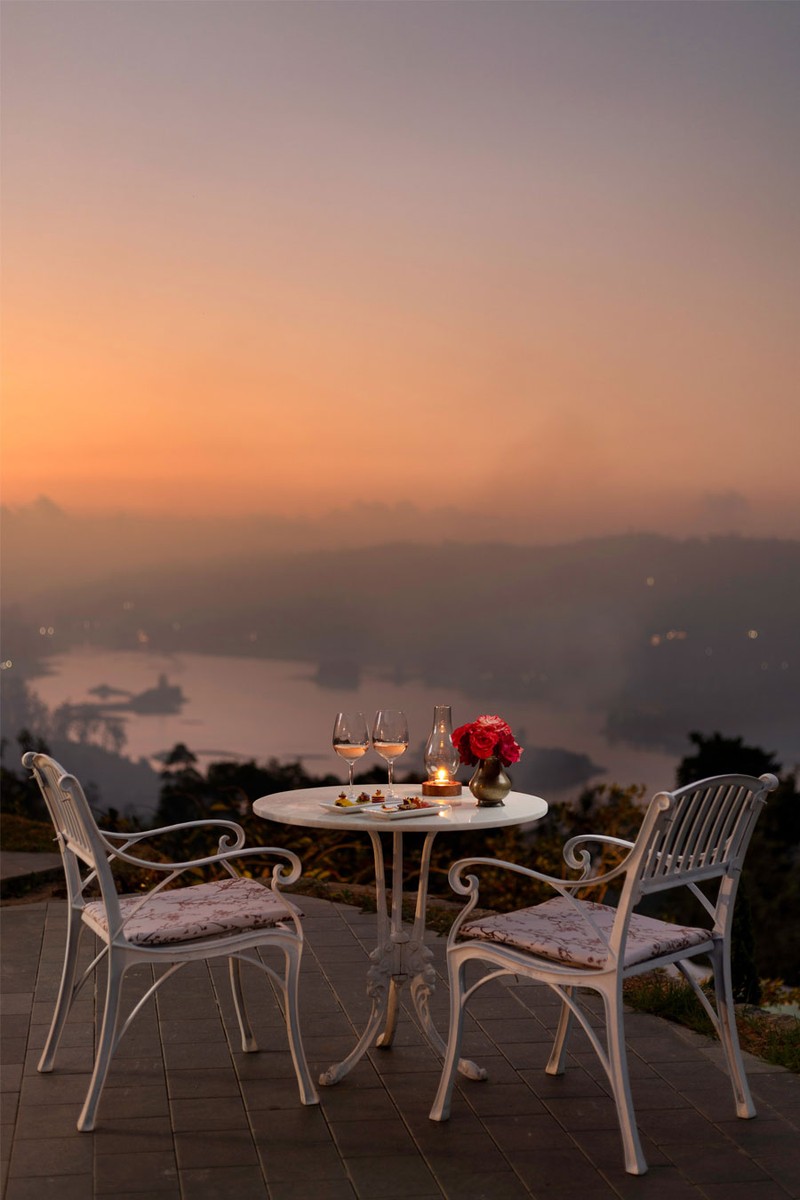
The food, a fusion of local and global with a focus on fresh, seasonal ingredients, is a talking point and excellent. There is no formal restaurant but there’s a long table for groups and some smaller tables tucked away or, if the weather allows, there are a few well spaced-out tables on the terrace. Your butler takes your food order a few hours beforehand – the Sri Lankan breakfast of string hoppers is a must, or opt for a spicy omelette, a delicious tropical smoothie bowl, fresh fruit and basket of pastries; for lunch and dinner, choose from traditional Sri Lankan curries and rice or dishes like prawn salad, tagines and ricotta filled ravioli. A highlight is the hotel’s afternoon tea experience and one not to be missed – whether on the terrace on a warm afternoon or settled in a cosy armchair by the fireplace, you’ll get perfectly brewed Ceylon tea and a selection of delicate Sri Lankan bites including mini hoppers, crispy kokis, savoury cutlets and mutton rolls, followed by finger sandwiches and sweet treats like a fluffy cupcake.
Things To Do…
It feels like you’re in the middle of nowhere here and it’s tempting to stay put, maybe taking a dip in the infinity pool and jacuzzi, lazing in the sunshine or having a rejuvenating Balinese massage in the spa. But beyond the gates, there’s a lot to tempt you out.
If you’re up for a challenge and are reasonably fit, hiking up Adam’s Peak is an unforgettable adventure – setting out from the hotel with a guide after dinner, you’ll ascend the 5,500 steps that lead to the summit. The peak is of importance to Buddhists, Hindus, Muslims and Christians, all of whom cherish the sacred footprint at the peak as a symbol of a revered spiritual figure. The reward is stunning views along the way and, once at the top, the mesmerising shadow cast by the mountain at sunrise.
Something slightly less demanding is a trek along a section of the Pekoe Trail, a 300-km long walking route, unveiled in 2023, which takes walkers through the island’s most spectacular highland landscapes. From the hotel, you’ll set off by tuk tuk as the sun rises and head to Kotagala, the start of the trail’s 10-mile Stage 7 that ends in Norwood; the walk winds past Chrystler’s Farm, a colonial-era tea factory, then ascends a gentle hill where you’ll get sweeping views of the hill town of Hatton. Expect to be out for about five hours but with a guide/naturalist at your side, you’ll stop frequently to spot the most amazing birds and plants and to enjoy your picnic.
Included in your stay is the Tea Experience during which you’ll hear all about the history of the Ceylon tea industry and try your hand at selecting the finest leaves alongside local pickers. You’ll then see how the leaves are weighed followed by a short drive to the factory, where a tour reveals the secrets behind crafting the perfect cup of tea – from drying and fermenting to sorting and packaging. The experience ends with a tasting of different flavours of freshly brewed teas.
Other experiences the hotel can organise include kayaking at dawn on Castlereagh Reservoir; cycling through tea plantations; and the Habitat Hike, a walk with the resident naturalist through well-known trails frequented by leopards and other local wildlife – along the way, you’ll see the trap cameras that have been strategically placed in wildlife hotspots; following the hike, you’ll get a presentation of trap camera footage, showing wildlife such as palm civets, barking deer, leopards and porcupines, all captured in their natural habitat.
/https%3A%2F%2Fsheerluxe.com%2Fsites%2Fsheerluxe%2Ffiles%2Farticles%2F2026%2F05%2Fwhy-sri-lanka-is-one-of-our-favourite-destinations3.jpg)
DAY 5
Heading South
The drive from the highlands to the south coast initially takes you through endless tea plantations as you head towards Nuwara Eliya (also known as ‘Little England). It is worth stopping for lunch and some old-world charm at The Grand Hotel which dates back to 1819 and has hosted royalty, US presidents and countless A-listers. From here, the road narrows and twists, with dramatic views of valleys and waterfalls before you reach Ella. If time allows, this is a good place to break your journey for a night or two. Places to stay include Nine Skies, a stylish five-bedroom tea bungalow located about 20 minutes from the town near Demodera Railway Station; or opening in July, Uga Ghiri consists of 15 luxe contemporary standalone villas alongside the restored colonial-era manor, all with sweeping panoramas of tea plantations and rolling hills. Once you leave Ella, the landscape begins to shift as the roads descend in a series of hairpin bends to flatter terrain and the dry-zone scenery of the south. If you’re tempted by a safari, you can break up the drive with a stop near Udawalawe National Park (known for its large elephant population) or head southeast to Yala National Park, home to leopards, elephants and crocodiles, as well as hundreds of bird species.
DAYS 5 TO 8
The South Coast
First discovered by backpackers, Sri Lanka’s southern coast has miles of golden, palm-fringed golden beaches and an easy-going atmosphere that makes it ideal for relaxing after visiting the hill country or a safari. If lazing on beaches, cocktails at sundown followed by a spicy Sri Lankan curry is your thing, a stay at Uga Prava is one of the best ways to totally unwind. Perched along the shore in the surf town of Unakuruwa near Tangalle, this boutique hotel, which opened last July, oozes minimalist elegance and is set in acres of lush tropical gardens that lead down to the beach. There are just seven large and ultra-modern sea-facing suites – design is pared back in neutral colours (think ocean blues, beiges and soft whites) and natural materials and, as the accommodation is spread over five floors, the vibe is deliberately intimate and tranquil. Choose from three categories of rooms – the Hermit Suites feature whirlpool balconies, walk-in showers and super king beds; the Horizon Suites have floor-to-ceiling windows, bathtubs, private balconies and sweeping sea views; and for families, the Coral Suites include a king bed, two singles, two bathrooms and huge balconies. Service is flawless and every suite has a private butler who is just WhatsApp message away.
The showstopper here has to be the Olympic-size infinity pool (we think it’s the biggest on the island) and again, in line with the intimate vibe, there are plenty of secluded areas where you can soak up the sunshine. The local Silent Beach (you’ll need to clamber over a few rocks) is stunning and perfect for an early morning walk or a sundowner at one of the many beach bars.
/https%3A%2F%2Fsheerluxe.com%2Fsites%2Fsheerluxe%2Ffiles%2Farticles%2F2026%2F05%2Fwhy-sri-lanka-is-one-of-our-favourite-destinations11.jpg)
Food is at the heart of the hotel’s identity, and the menu focuses on fresh, locally sourced ingredients and Sri Lankan flavours. The restaurant has seating indoors with air con and tables outdoors under the palm trees overlooking the pool. Start your day with a classic Sri Lankan breakfast of kola kanda herbal porridge followed by hoppers or opt for fresh fruit and a freshly baked cinnamon roll. At lunchtime, choose from salads, sandwiches and small plates, including a seafood poke bowl, a lobster roll or a mezze platter. In the evenings, the food veers towards fine dining – the five-course menu features dishes like mahi-mahi carpaccio with pol sambol, prawn curry thermidor with string hopper biryani and the best homemade ice creams and sorbets.
The hotel’s spa is tucked away on the ground floor where you can book a variety of holistic treatments, including a Balinese massage, body wraps and scrubs (made with local herbal ingredients) that will get rid of any dead skin cells and impurities. Private yoga and meditation sessions are also available, plus there’s a well-equipped gym.
Things To Do…
If you want to explore the area beyond the gates, the hotel offers a range of activities both on and off the water. Known for being one of the most spectacular – and safest – areas to surf in Sri Lanka, you can grab a board and surf the pristine waters of Unakuruwa or, come dusk, you can soak up Tangalle’s famous sunset while kayaking through a lotus-dotted lake. Wildlife and bird lovers should book a lagoon safari along the Kalametiva Lagoon where you’ll spot herons and kingfishers or join a snorkelling trip to see the many species of sea turtles; and for a bucket-list experience, head to nearby Mirissa for a whale and dolphin watching trip. For some local culture, Mulkirigala Raja Maha Vihara is a sacred Buddhist temple and one of Sri Lanka’s most extraordinary spiritual sanctuaries. You can also embark on a cycling tour of one of the country’s oldest fishing villages.
/https%3A%2F%2Fsheerluxe.com%2Fsites%2Fsheerluxe%2Ffiles%2Farticles%2F2026%2F05%2Fwhy-sri-lanka-is-one-of-our-favourite-destinations13.jpg)
DAYS 9 TO 11
Galle Fort
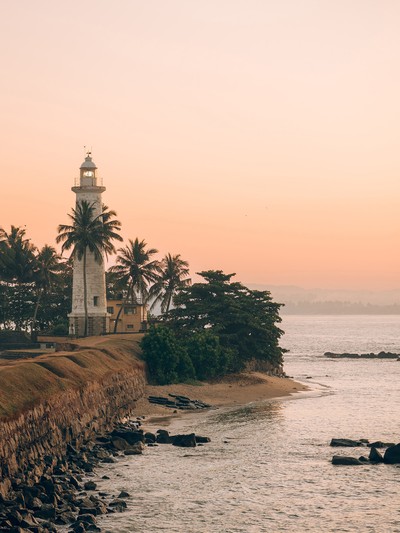
Heading west along the coast, Galle Fort sits on a peninsula surrounded on three sides by water. The UNESCO World Heritage site is a blend of colonial history and vibrant culture which was originally built as a fortified coastal city by the Portuguese in the 16th century. The Dutch then spent 100 years enlarging the ramparts before the British added towers, a lighthouse and more gates. Landmarks worth visiting include the lighthouse, the fort’s ramparts (you can walk along the 2km of ancient stone and coral walls) and the Dutch Reformed Church (built in 1755). If you’re in luck, you could spend an afternoon watching a cricket match at the Galle International Cricket Ground, considered one of the most picturesque stadiums in the world.
Along cobblestoned Pedlar Street and adjacent streets, many of the centuries-old buildings have been converted into boutiques, jewellers, galleries, restaurants and cafés. Most stay open in the evenings, the perfect time for some shopping when the temperature drops, followed by a cocktail at Church Street Social.
Most visitors tend to stay outside the city’s walls to be able to enjoy the many beaches which are just a short tuk tuk or taxi ride away. There’s a wide range of accommodation available, from luxe to more budget friendly B&Bs. Some of our favourites that won’t break the bank include Sielen Diva, a seven-bedroom modern, luxury villa on the beach located just off the main coastal road in Talpe (the food here is truly outstanding and the infinity pool surrounded by loungers is gorgeous); and Why House, a friendly and relaxed ten-bedroom boutique hotel that sits within a beautifully landscaped three-acre walled garden just a few minutes from the coast.
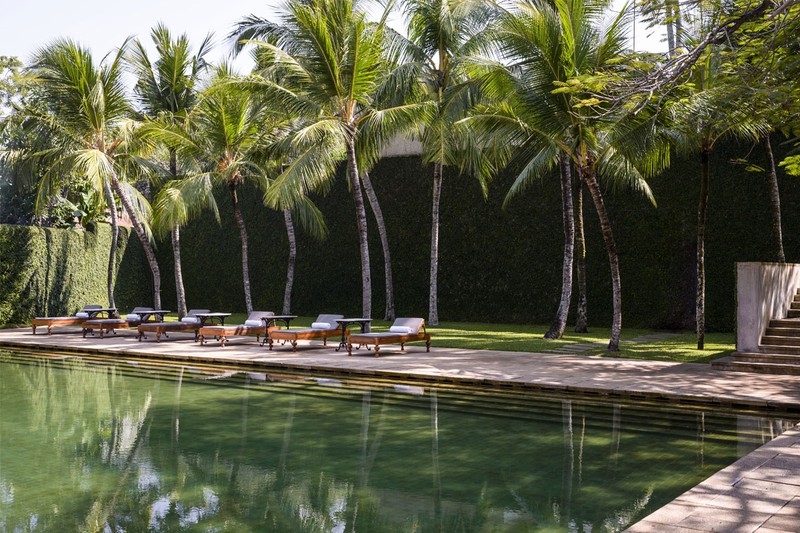
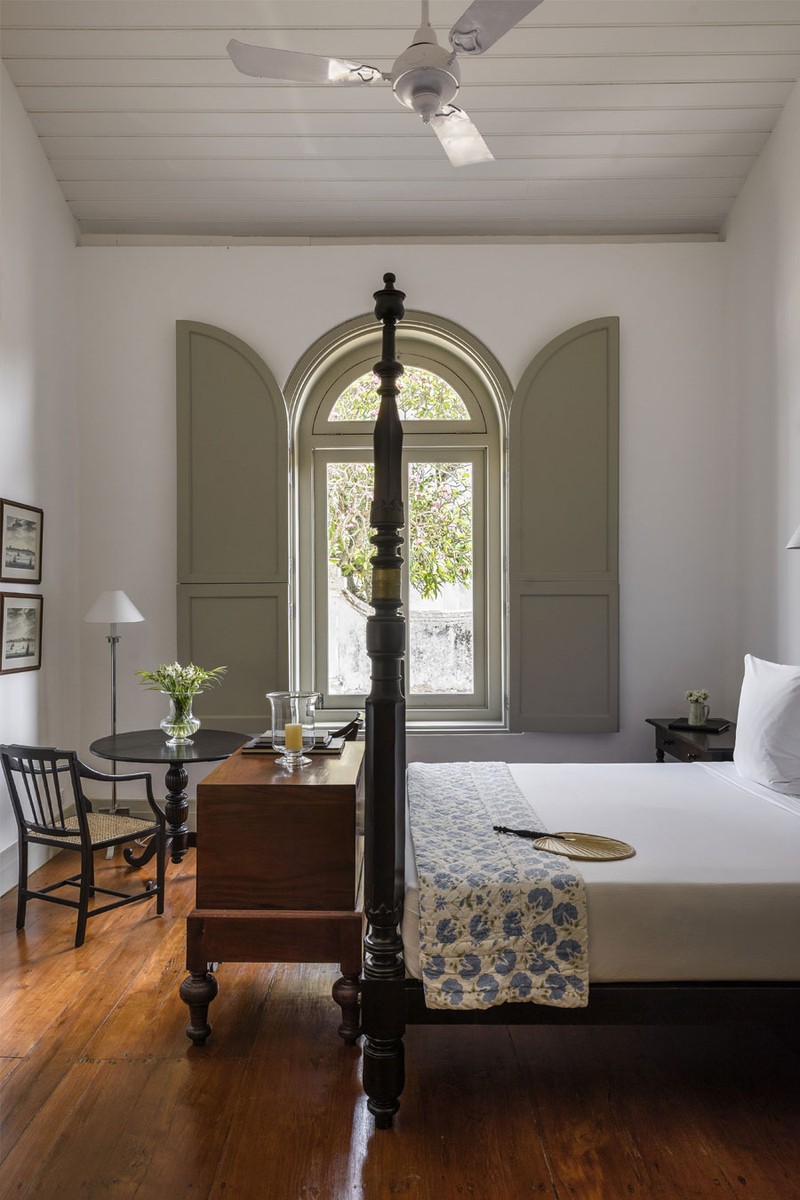
However, if you want spend a couple of nights in Galle Fort, it’s worth blowing the budget to stay at the ultra-luxe Amangalla. This whitewashed Grande Dame of Sri Lanka was originally built as a private residence by the Dutch East India company in 1684. In 1863, it became the Oriental Hotel and a legendary stop off for steamboat passengers passing Sri Lanka. In 2004, after a two-year renovation, it opened as Amangalla, a masterclass in understated luxury, blending colonial grandeur with effortless elegance. Although the hotel sits on a fairly busy street, its large rear garden is a peaceful haven where you’ll find a beautiful pool surrounded by palm trees and tropical plants. Amangalla has six categories across its 27 bedrooms and suites, plus a standalone house hidden in the grounds. All the rooms are different in layout and even the entry level, most basic rooms are gorgeous.
DAYS 12-14
Kalutara
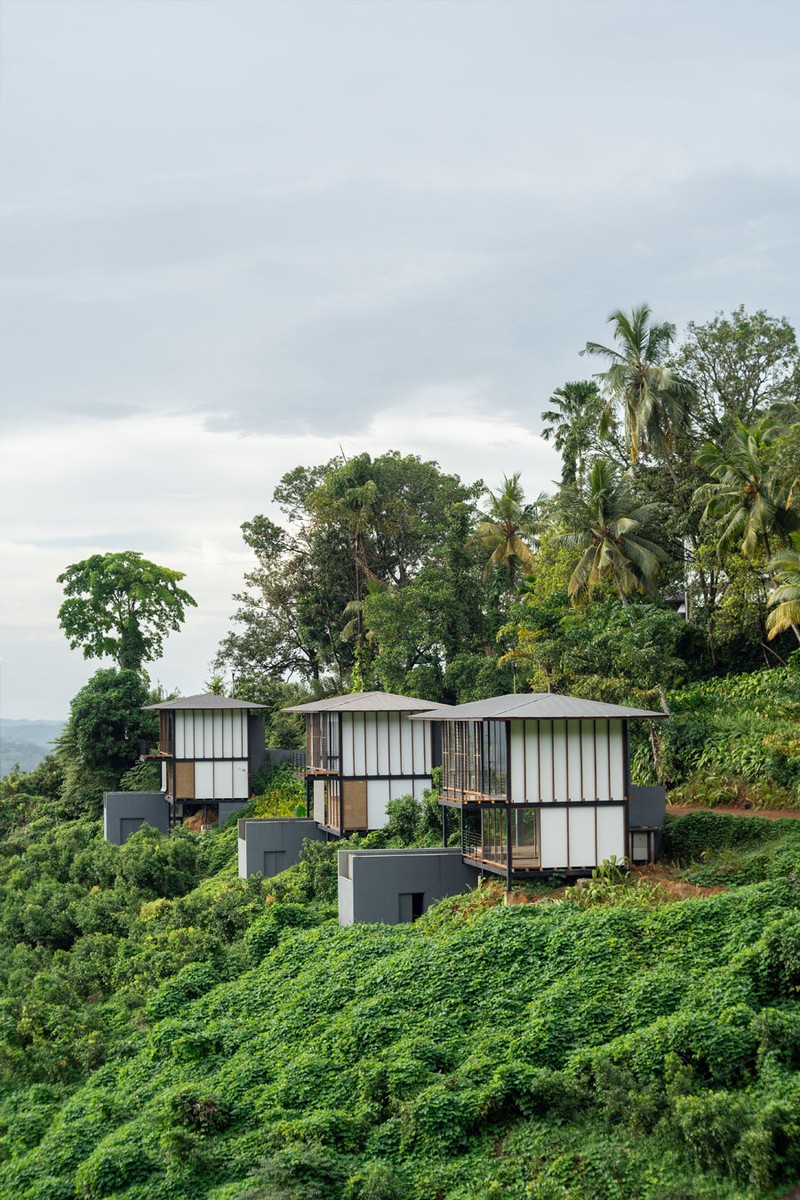
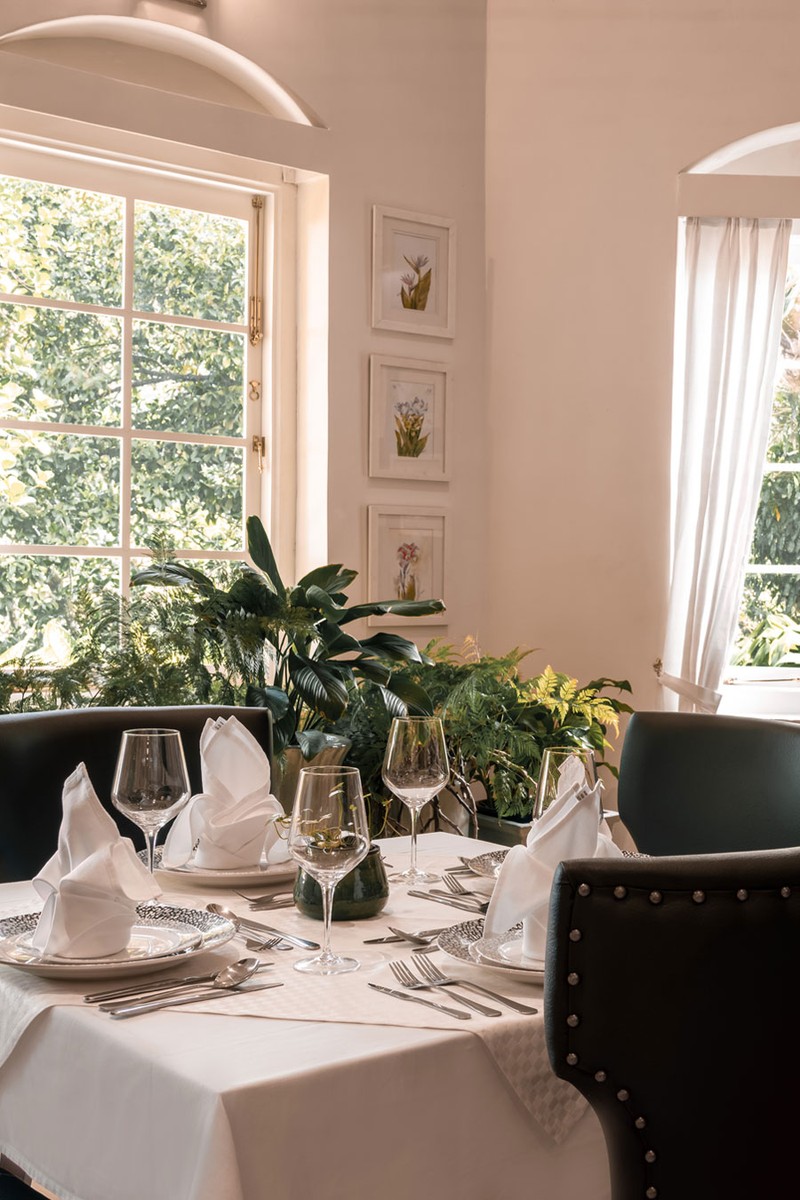
For a last stopover before heading home, Glenross Living near Kalutara offers a peaceful retreat far from crowded tourist areas. Alternatively, as it’s only about 90 minutes’ drive from Colombo airport, it’s also a great place to stay on arrival to get over your jetlag. Surrounded by lush greenery, the estate was once a colonial-era rubber plantation and has been transformed into a boutique retreat. The manor house, where there are three suites, was once the 19th-century home of a Scottish tea planter and still retains much of its old-world charm and elegant interiors – think archways, Georgian windows and high ceilings updated with modern amenities and chic furnishings. In total contrast, there are seven modern pool villas scattered throughout the site, with superb views of the valley below. These have separate bed and living rooms, a spacious deck with private plunge pool and are the epitome of contemporary minimalist design.
The restaurant highlights Sri Lankan flavours and all the dishes on the menu, which changes daily, use fresh organic ingredients sourced from the estate’s gardens and nearby markets. You can choose to enjoy your meals in the small dining area in the manor house, on the al fresco patio or in the privacy and tranquillity of your villa.
Things To Do…
If you want to focus on holistic wellbeing, there are a series of bespoke nutrition, fitness and mindfulness programmes available. Meals can be tailored to individual needs; fitness programmes are devised by experienced trainers to help guests achieve their goals and weight loss ambitions; and activities include yoga, cardio and strength training. Guests can also join meditation sessions, aimed at helping to manage stress, and the spa offers a range of ayurvedic treatments designed to relieve tension, restore balance and renew energy.
Away from the hotel, for something more adventurous, you can explore the Sijaraja rain forest with Glenross’s resident naturalist and discover its diverse flora and birdlife; embark on a traditional fishing boat and visit a tea plantation on the riverbank, followed by a tuk tuk ride to a tea factory, dating back to 1887, to see how the leaves are turned into tea; discover a trio of nearby waterfalls within the forest and swim in natural pools; or join a traditional Sri Lankan hands-on cooking experience which starts with a visit to the bustling Beruwala fish market at dawn as the fishermen’s boats return. Other experiences include outdoor dining by candlelight, a high tea picnic, movie night, cinnamon field trek, guided rubber tapping and a mindfulness stroll.
WHEN TO GO
Sri Lanka is a year-round destination and temperatures are warm all year. The coastal areas average 30℃ and above, while the central hills remain cooler. However, as the island has two monsoon seasons, the best time to visit depends on which part of the island you want to explore – from May to September, the monsoon affects the southwest; from October to January, it affects the north and east. Overall, the best and most popular period is December to March, which is best for the south and west coasts and hill country.
THE DETAILS
Rates at Uga Halloowella start from US$1,125 on an all-inclusive basis. For more information and to book, visit UgaResorts.com
Rates at Uga Prāva start from US$462 for a double room on a half board basis (breakfast, dinner and select alcoholic and non-alcoholic drinks). For more information and to book, visit UgaResorts.com
Rates at Glenross Living start from US$350 for a room and from US$600 for a villa, including breakfast. For more information and to book, visit GlenrossLiving.com
Or continue to comment as a Guest below
DISCLAIMER: We endeavour to always credit the correct original source of every image we use. If you think a credit may be incorrect, please contact us at info@sheerluxe.com.
/https%3A%2F%2Fsheerluxe.com%2Fsites%2Fsheerluxe%2Ffiles%2Fwebsite-images%2F2025%2F03%2Fsign-up-pop-up.jpg)