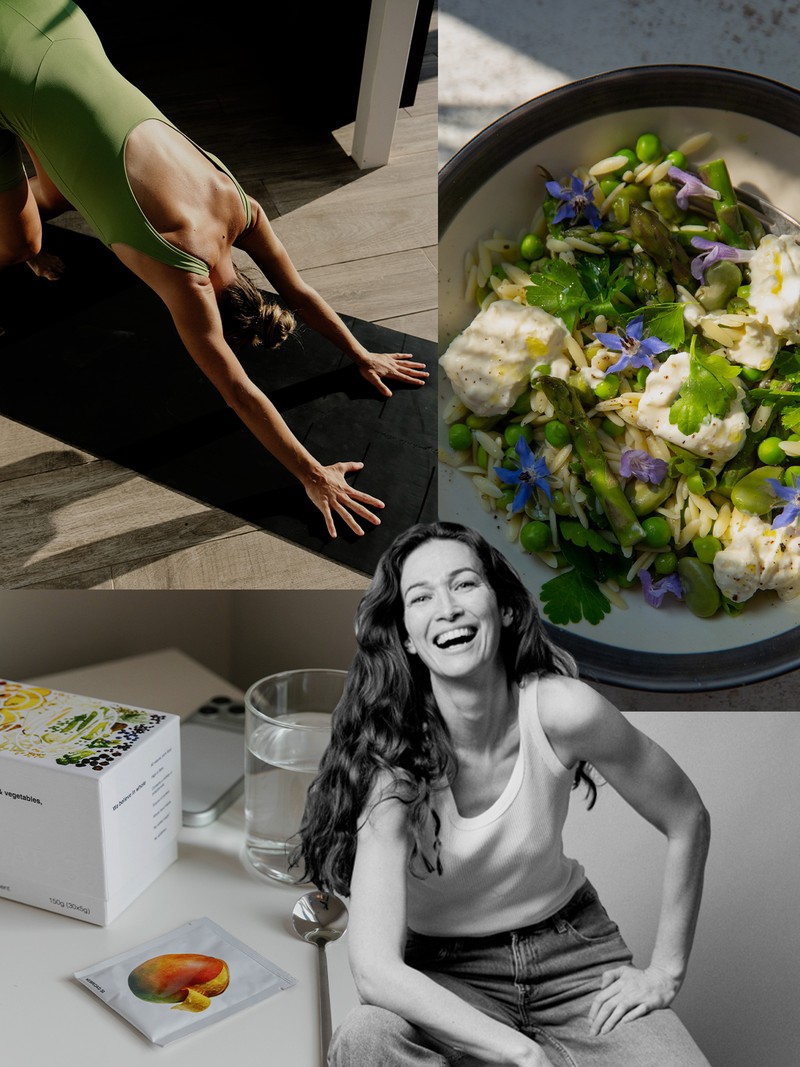
My Wellness Toolkit: Catherine Hurley Arbibe
Feeling well means feeling content and energised. In my twenties, I thought being healthy meant eating perfectly and exercising intensely. It was very black and white. Now, feeling well is much broader – and kinder. Of course, nutrition and movement matter enormously, but so do sleep, sunlight, stress levels, relationships and doing things that genuinely make me happy. At this stage of life, I’ve learnt extremes aren’t sustainable, so I focus on structure instead – realistic exercise, consistent sleep, protected family time and a few simple food rules. Nothing dramatic – just habits I know I can maintain.
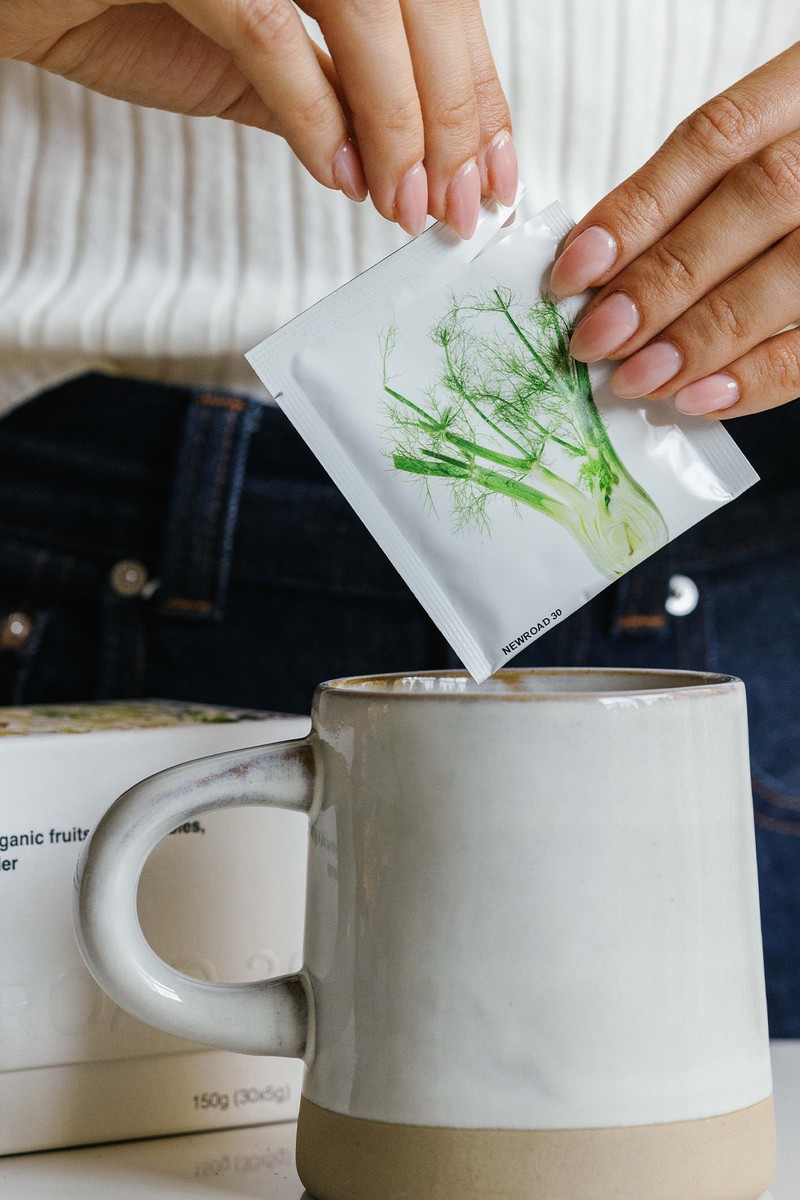
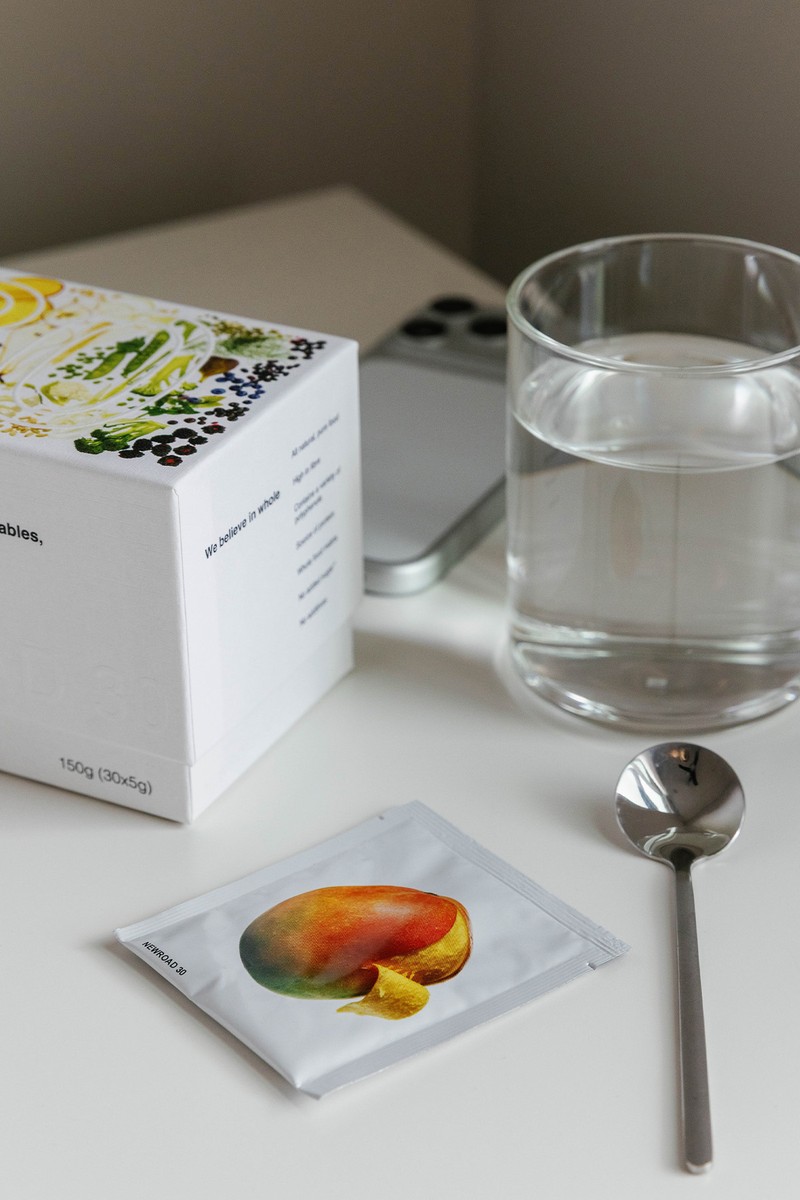
My mornings set the tone for everything. I’ve always loved the quiet structure of mornings. I’m usually up before the house fully stirs, starting with a glass of water and a black coffee while the day gathers pace. Breakfast is Greek yoghurt or porridge topped with fruit, nuts and a serving of NEWROAD 30 – it’s second nature now, an effortless way to build plant diversity in before 8am.
Plant diversity is my non-negotiable. The science around fibre and the microbiome is incredibly compelling. Fibre supports digestion, helps regulate cholesterol and blood sugar, increases satiety and acts as fuel for the trillions of microbes living in our gut. When those microbes ferment fibre, they produce compounds that help reduce inflammation and support immune function. What’s particularly fascinating is how diversity matters. Different microbes thrive on different fibres, which is why variety is key. Research from The American Gut Project found people who eat 30 different plants a week have a more diverse, resilient microbiome. That idea became the foundation for NEWROAD 30 – making it simple to reach that diversity benchmark in one spoonful.
Food should still be joyful. As much as I love the science, I never want food to feel stressful. It should be enjoyed and celebrated. I follow a few guiding principles that feel intuitive rather than restrictive: prioritise whole foods, aim for high fibre and variety, eat berries and beans regularly, and include fermented foods daily – yoghurt, kefir, kombucha or kimchi.
I’m more conscious these days of the habits that can add up. I prioritise hydration and keep an eye on how often wine slips into dinner – it can so easily become routine. I avoid most supermarket bread, opting instead for proper sourdough or dense seeded loaves from a bakery. Dinner is usually centred around protein and vegetables, and I aim to finish eating around 7pm.
Protein is my current focus. Having been vegetarian for most of my life, protein hasn’t always come naturally to me. Recently, I’ve been more intentional about increasing it, particularly to support muscle and metabolic health as I get older. That might mean adding protein powder to a smoothie or ensuring dinner revolves around a good-quality source. It’s less about strict targets and more about awareness.
I’m discerning about what I put in my body. I don’t take many supplements, and I’m wary of anything overly engineered. So many are filled with flavourings, binders and synthetic additives that feel unnecessary. If I’m taking something every day, I want it to be simple and as close to its natural state as possible. That said, I’m a big believer in testing rather than guessing. If there’s a genuine deficiency, it deserves proper attention. I recently discovered I had a long-standing iron deficiency and chose to address it clinically with an IV infusion. The change was remarkable – my energy lifted, my stamina improved and small, niggling symptoms I’d normalised simply faded away. It was a powerful reminder that sometimes the most effective interventions are the straightforward, evidence-based ones. I’d encourage women, particularly, to have their iron levels checked rather than assuming fatigue is just part of a busy life.
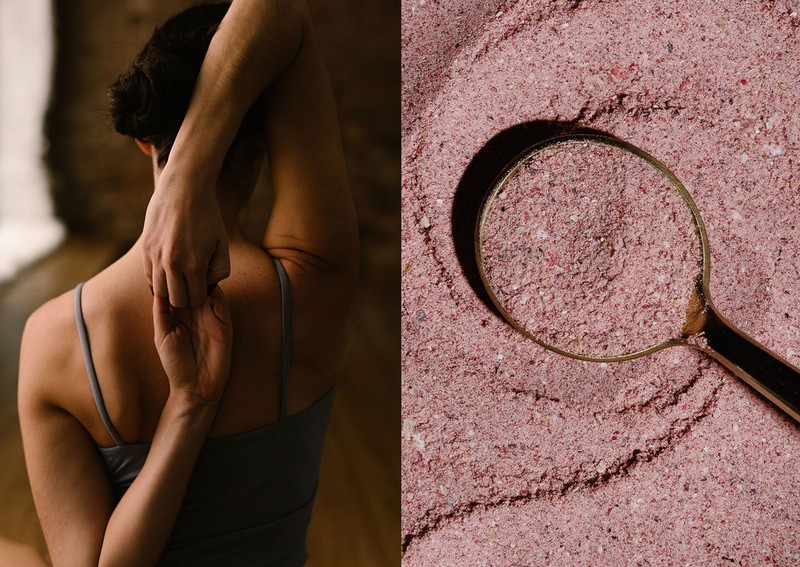
For the first time in my life, I genuinely love exercise. I used to see exercise as something to endure. I’d push too hard or not bother at all. The shift came when I heard someone suggest starting with just a few minutes and building gradually. It removed the pressure. Now, in an ideal week, I jog twice, practise yoga or Pilates two or three times and lift weights twice. It doesn’t always happen perfectly – life is busy – but I try to ringfence that time. Exercise energises me and makes me more efficient in every other area. I also used to underrate stretching. Now, I’d be lost without yoga. Flexibility and balance feel increasingly important.
I weave movement into everyday moments. I’ll stand on one foot while brushing my teeth to challenge my balance. If I’ve been sitting at my desk too long, I’ll drop and do a few press-ups. These habits sound almost too small to matter, but over time they compound. Our bodies are designed to move, and they respond so well when we do.
Stress is the most overlooked health risk. Chronic stress can quietly undermine everything – from blood pressure and digestion to immune function. When I feel overwhelmed, I write everything down. Getting thoughts onto paper makes them feel contained and manageable. Exercise, fresh air and sleep are my anchors. I also allow myself short mental resets during the day – five minutes of stepping away from whatever feels intense can make all the difference.
Sleep thrives on consistency. Waking at the same time every day makes the biggest difference to how rested I feel. Napping after a bad night tends to disrupt my rhythm. If I struggle to fall asleep, I listen to an audiobook – it works like magic.
Massage is my reset button. There’s something transformative about proper hands-on bodywork. Beyond the obvious relaxation, massage improves circulation, helping deliver oxygen and nutrients more efficiently around the body. I always notice a visible difference afterwards – my skin looks brighter, my posture softer, my jaw unclenched. It feels as though someone has pressed a quiet internal reset switch. In a life that can feel very full, that hour is one of the few times I am completely still.
I’m slightly obsessive about dental health. It sounds unglamorous, but I genuinely think oral hygiene is one of the most underrated pillars of long-term wellbeing. Poor gum health doesn’t just affect your teeth – it can allow harmful bacteria and chronic inflammation to enter the bloodstream, potentially impacting wider systemic health. It’s extraordinary how something so small can have such far-reaching consequences. I never skip the basics – thorough brushing, daily flossing and regular hygienist appointments. It’s not complicated or expensive compared to many wellness trends, but it’s profoundly protective. Strong, healthy teeth allow you to eat well, age confidently and avoid preventable problems later on. For me, it’s one of those daily habits that pays dividends for decades.
On busy days, I simplify rather than abandon. The temptation, when a day is back-to-back, is to skip meals or grab something ultra-processed and eat it standing up. Those are precisely the days stable energy matters most. I’ll make sure I’ve thought about lunch the night before – even if it’s just homemade soup, a bean salad or a jacket potato ready to reheat. I keep NEWROAD 30 sachets in my bag so I can add them to yoghurt, a smoothie or whatever I’m having. And if I can’t fit in my usual workout, I’ll do five or ten minutes of stretching, squats or press-ups at home. It’s about protecting momentum. Once you do something, however small, you’re far more likely to keep going.
If you do one thing, go for a walk. Walking is so simple it’s easy to underestimate. But it delivers so much at once – gentle cardiovascular movement, exposure to daylight, fresh air filled with diverse airborne microbes that may even benefit the gut. And then there’s the human element – the neighbour you stop to talk to, the dog you fuss, the sense of perspective that arrives when you change your physical environment. I’ve never come back from a walk feeling worse than when I left. It almost always shifts my mood, clears my thinking and softens whatever felt heavy. From that place, good decisions flow more easily – about food, about work, about how you respond to stress.
Visit NewRoad.Life & follow @CATHERINEHURLEYARBIBE
Or continue to comment as a Guest below
DISCLAIMER: We endeavour to always credit the correct original source of every image we use. If you think a credit may be incorrect, please contact us at info@sheerluxe.com.
/https%3A%2F%2Fsheerluxe.com%2Fsites%2Fsheerluxe%2Ffiles%2Fwebsite-images%2F2025%2F03%2Fsign-up-pop-up.jpg)