


The Bedtime Products Trusted By Child Sleep Consultants

The Baby Years
In the newborn months, sleep isn’t something babies need to learn – it’s something they need to feel safe enough to do. Comfort, containment and predictability matter far more than any gadget. “I’ve been a mum for eight years and a sleep consultant for 16,” says Heidi Skudder, parenting and sleep coach. “I’ve tried a lot of products, and the truth is, most of them aren’t essential. But a few really do support comfort and consistency – and those are worth having.” Swaddles sit firmly at the top of the list. In the early weeks, the startle reflex can wake babies just as they’re drifting off. “Swaddles are brilliant for helping babies move more smoothly through lighter sleep,” Heidi explains. Dr Francesca Brewer, a paediatric sleep consultant, prefers zip swaddle bags: “They keep arms contained without restricting hip movement – and make nighttime nappy changes so much easier.”
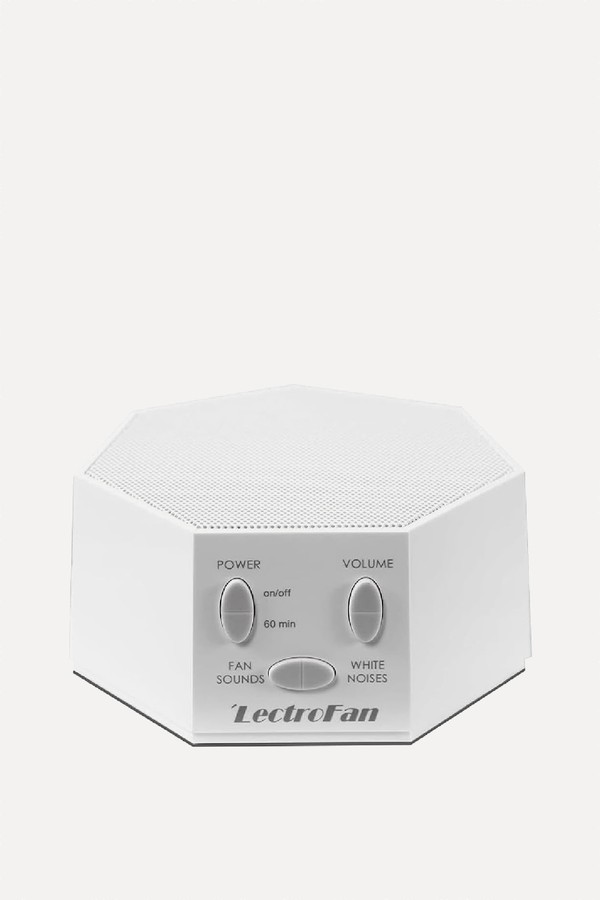
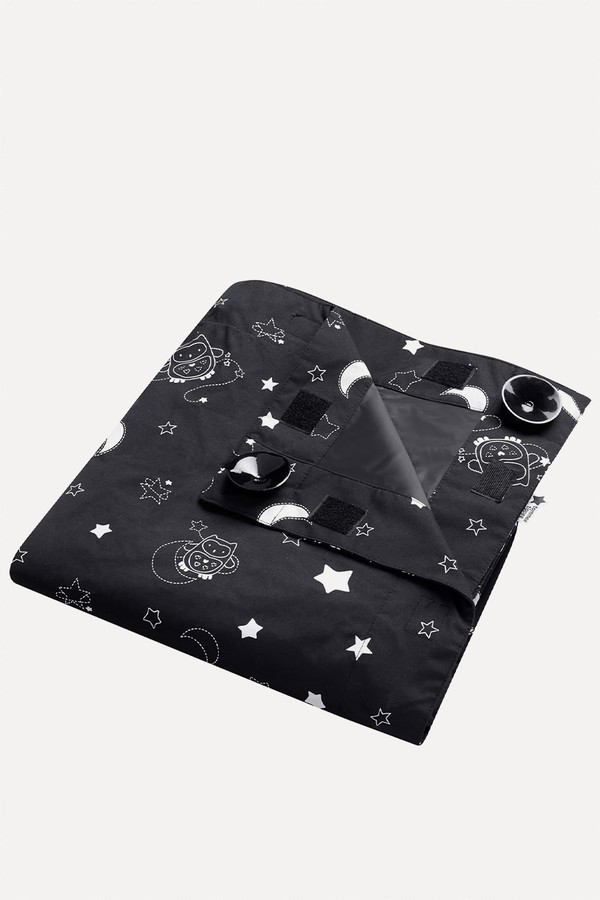
Light is another common culprit. “There’s nothing worse than an otherwise great sleeper waking at 5am because the room’s too bright,” adds Heidi. Blackout blinds help protect the body’s natural sleep hormone, melatonin, and make day and night clearer while babies’ rhythms are still developing. Sound can also be reassuring. “Gentle, continuous white noise mimics the background noise of the womb and blocks out household sounds. It also becomes a cue that it’s time for sleep,” says Francesca.
For some babies, digestive discomfort can also interrupt rest. “The gut plays a huge role in sleep,” explains Lucinda Miller, naturopath and founder of NatureDoc. “Babies unsettled by wind or reflux may benefit from gentle probiotics to support digestion and calm.”




Toddlers
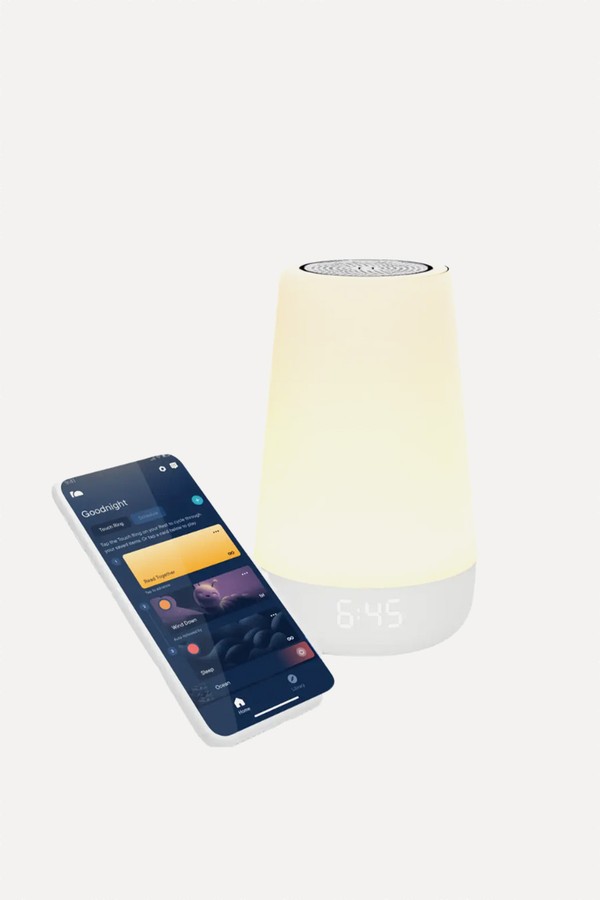
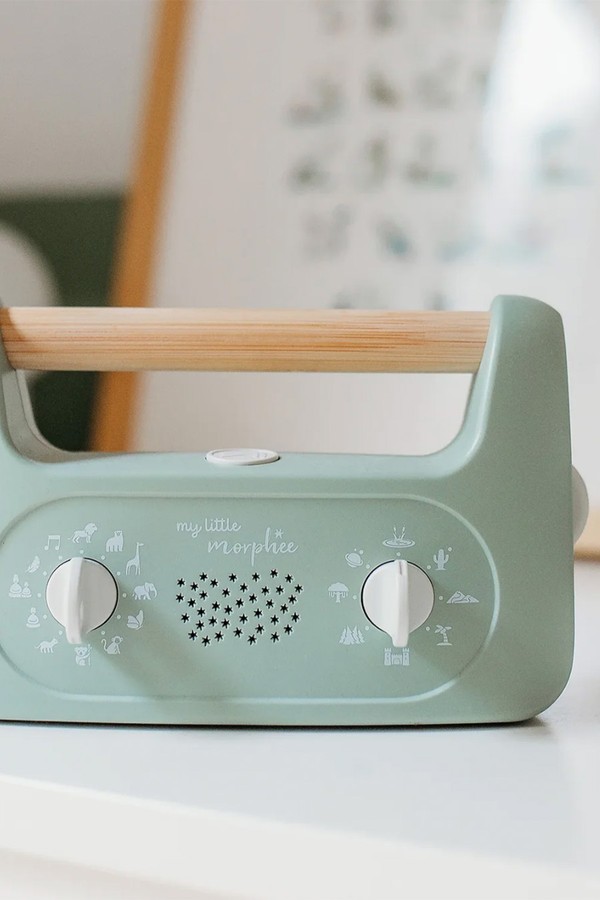
If the baby years are about comfort, the toddler years are about rhythm. Resistance at bedtime, early wake-ups and testing boundaries are all part of the mix – which is where routine comes in. “Toddlers thrive on predictability,” says Rosey Davidson, sleep consultant and founder of Just Chill Mama. “When bedtime looks and feels the same every night, it’s easier for children to switch off.” Blackout blinds remain essential. “They’re arguably even more important at this stage,” says Francesca. “Convincing a toddler it’s bedtime in broad daylight in the summer months is near impossible.” Visual sleep clocks are another favourite. “They remove negotiation,” Rosey explains. “Children respond far better to clear visual cues than repeated explanations.”
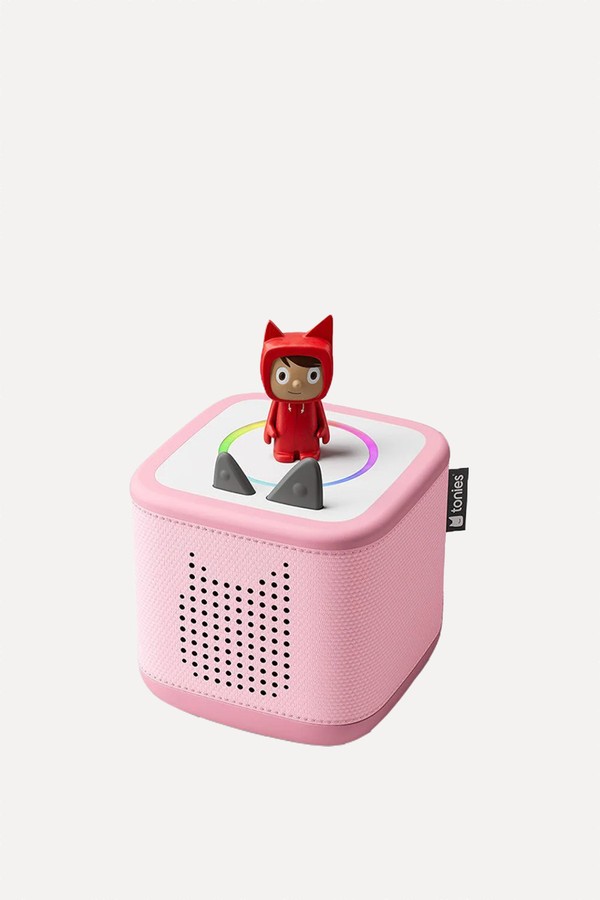
Comfort also plays a bigger emotional role now. “A comforter can act as a powerful anchor at bedtime,” says Francesca. “It helps toddlers feel safe as parents leave the room – and that sense of security supports more settled sleep.” Audio story players – like Tonies and the Yoto player – can help with that separation too. “They give children something calming to focus on once you step away,” adds Heidi. “All three of my children use one, in different ways depending on their age.”
Lucinda also highlights the role of gentle nutritional support in the wind-down window. “Calming blends – such as Nature’s Aid Mini Drops – contain ingredients like chamomile and lemon balm, can help the body relax and prepare for sleep. Drops can be mixed into milk, making them simple to introduce without feeling like ‘another thing’ for parents to manage.” If sleep is particularly disrupted, she suggests checking omega-3 intake. “Low levels are linked to poor sleep quality. Oily fish at meals or a high-quality supplement can really help.”






Older Children
By the time children reach school age, sleep challenges are rarely about bedtime alone – they’re more often about busy minds that struggle to switch off. “Anxiety is one of the biggest barriers to sleep in older children,” says Heidi. “Bedtime needs to feel emotionally safe, not rushed or overstimulating.” At this stage, the focus shifts from sleep props and towards calming the nervous system so sleep can happen naturally.
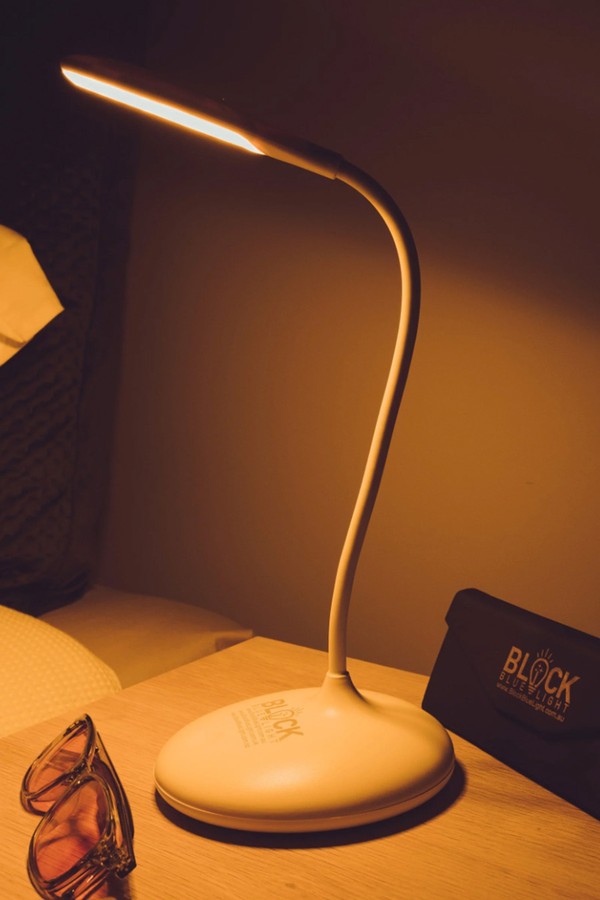
Screens remain one of the biggest screen disruptors, says Lucinda. “Screens emit blue light that suppress melatonin and trick the brain into thinking it’s still daytime. Even 30 minutes before bed can delay sleep onset by over an hour. For children who rely on phones as alarms or music players, swapping to a simple alarm clock or radio removes temptation while keeping independence intact.”
Wind-down rituals matter more than ever. “A warm bath creates a clear transition from the busy-ness of the day into rest,” adds Francesca. Lucinda adds that Epsom salt baths can be especially helpful for wired or anxious children. “Magnesium supports calming neurotransmitters, and even explaining why you’re adding it – ‘this will help your body relax later’ – can help bring the effect forward.”
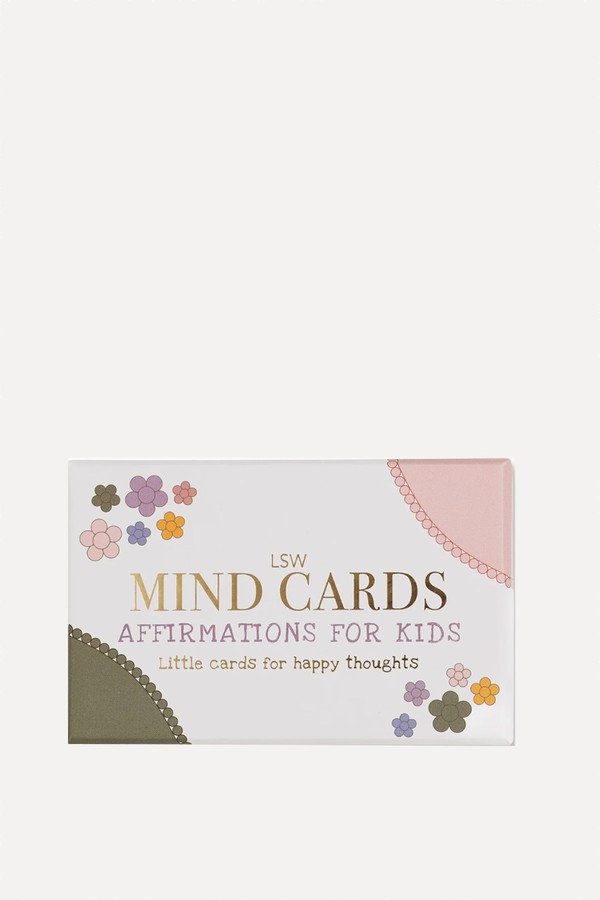
Once children are in their pyjamas, the experts encourage gentle ways to offload the day. Journalling, affirmation cards or a few calming prompts can help children process worries before lights out. “It’s about giving thoughts somewhere to go,” Heidi explains. “When the mind feels settled, the body tends to follow.”







For more visit POSITIVELYPARENTHOOD.COM, THEBABYSLEEPGP.COM, NATUREDOC.COM & JUSTCHILLBABYSLEEP.CO.UK
Or continue to comment as a Guest below
DISCLAIMER: We endeavour to always credit the correct original source of every image we use. If you think a credit may be incorrect, please contact us at info@sheerluxe.com.
All products on this page have been selected by our editorial team, however we may make commission on some products.
/https%3A%2F%2Fsheerluxe.com%2Fsites%2Fsheerluxe%2Ffiles%2Fwebsite-images%2F2025%2F04%2Fnew-parenting-background-image.jpg)