
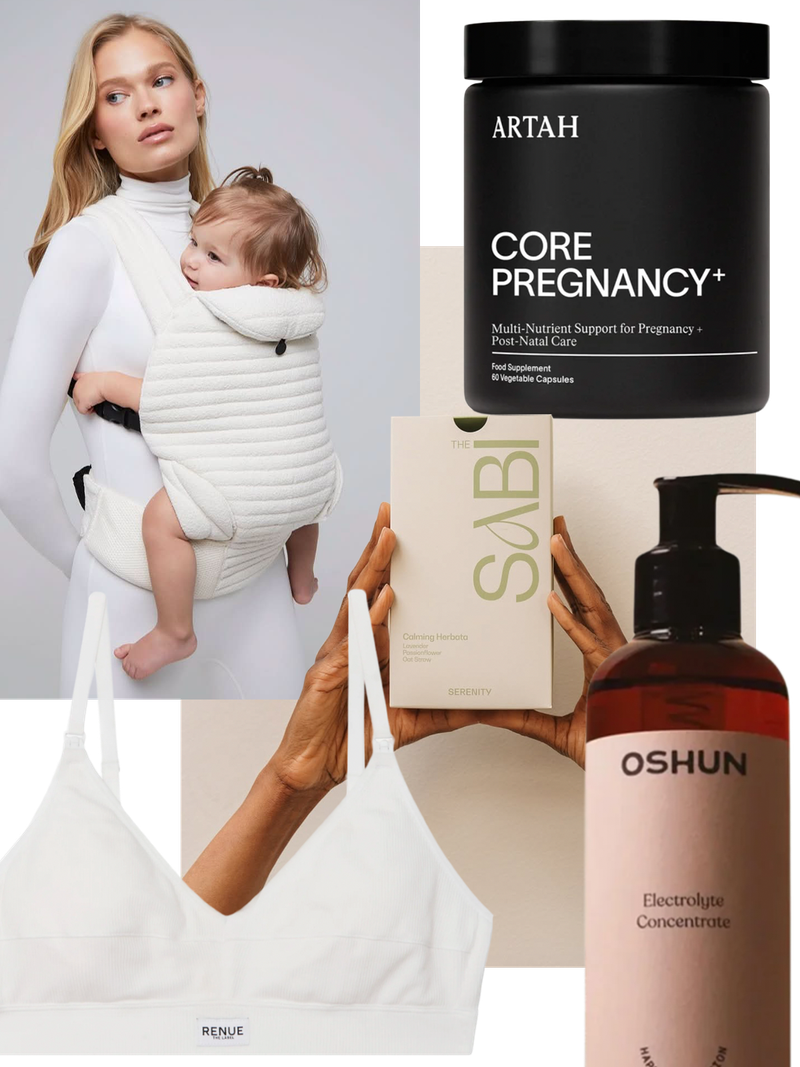
Tor’s Pregnancy & Postpartum Essentials
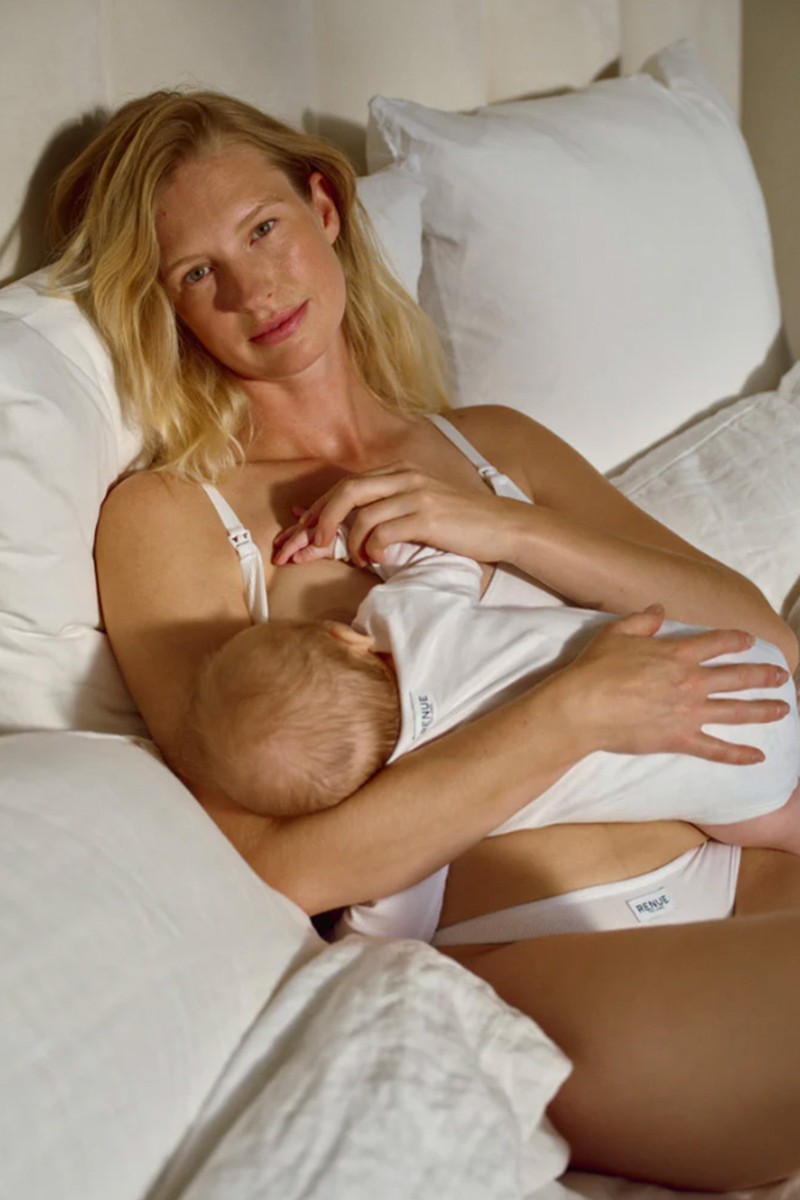
On Getting Pregnant
Second time around, I assumed getting pregnant might take a while. It took us a couple of years the first time, so I was prepared for a similar timeline. Tracking properly made all the difference. My cycle came back about a year after my son’s first birthday but it definitely wasn’t textbook. It sat closer to 35 days, which made precise tracking even more important. I’ve never really rated ovulation sticks – they can miss the window entirely.
I used Ovusense again and can’t rate it highly enough. It predicts ovulation and, crucially, the days leading up to it with real accuracy. We conceived within a couple of months, which genuinely surprised me. A reminder that every pregnancy is different – but having the right tools in place can make things feel a lot more straightforward.
On The First Trimester
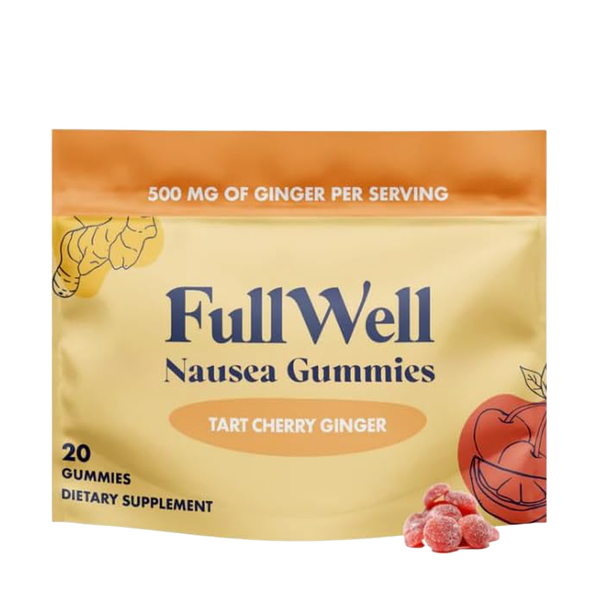
Nothing quite humbles you like the first trimester – even the second time around. I went into this pregnancy thinking I knew what to expect but doing it with a near two-year-old is an entirely different experience. There’s no lying on the sofa – it’s survival mode, with lots of snacks to prepare and nursery drop-offs to factor in. The nausea was next-level and I quickly realised I needed something that actually worked. FullWell’s nausea gummies were, without exaggeration, the only thing that made a real difference. They contain 500mg of ginger – the clinically effective dose – which is why they work in a way ginger biscuits and ginger tea simply don’t. They also include digestive botanicals, which helped ease that constant cycle of eating to feel better, only to feel sick again shortly after. I kept them in every bag.
The exhaustion is hard to put into words. It’s not just tiredness – it’s a sort of full-body depletion. Magnesium glycinate in the evenings became essential, helping me sleep more deeply (when I could) and I kept a close eye on my iron from the outset, knowing how quickly it dropped in my first pregnancy.
On Supplements
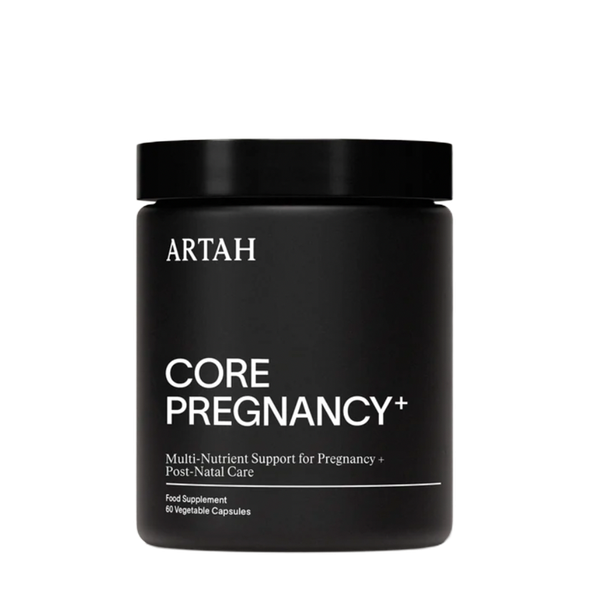
If there’s one area I’ve really invested in, it’s getting my supplements right. I worked closely with fertility nutritionist Alison Hall before my first pregnancy and again this time, and her advice has been invaluable.
A good prenatal is the foundation of everything. I’ve always taken Artah’s prenatal – on Alison’s recommendation – and I particularly like that they now offer stage-specific formulas. I started with Core Prenatal+ and moved onto Core Pregnancy+ halfway through. It feels reassuring knowing the formulation is aligned with each stage – particularly as you move towards birth, breastfeeding and recovery.
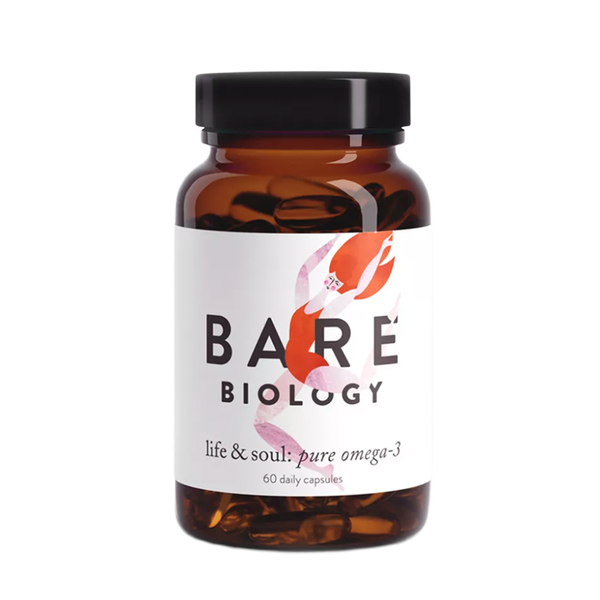
Omega-3 is one I wouldn’t be without. I take Bare Biology daily – it supports the baby’s brain development but also maternal mood, which feels just as important. There’s strong research linking omega-3 intake to reduced risk of postpartum depression and having found that period emotionally intense last time, it feels like an easy priority.
Magnesium glycinate is another staple. It supports sleep, nervous system regulation, muscle relaxation and even digestion. It’s one of those supplements you don’t necessarily notice immediately but you definitely notice when you’re not taking it. I take Pure Encapsulations.
My iron levels have required the most attention this time and it’s been a bit of a balancing act. I had low iron in my first pregnancy and the same has happened again but I’m approaching it far more carefully – I’ve been taking BioMedica’s BioHeme, which is much gentler and easier to absorb than the standard NHS supplement, while also making a conscious effort to increase iron-rich foods like red meat, venison and even liver, usually hidden in ragus and stews. The biggest shift, though, has been monitoring it properly – I ended up with iron overload postpartum last time, so I’ve been using Medichecks home blood tests to keep everything in check. They’re quick, easy and take all the guesswork out of it.
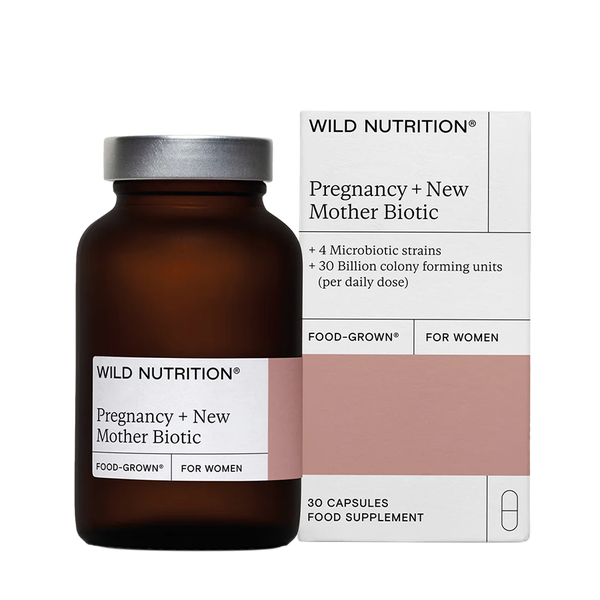
Probiotics are something I’ve added this time. My son had eczema and allergies early on, and there’s increasing evidence that maternal probiotic use can reduce that risk. I started with Wild Nutrition and will move to Activated Probiotics’ Biome Perinatal in the next couple of weeks to ensure I’m getting a good range of bacteria.
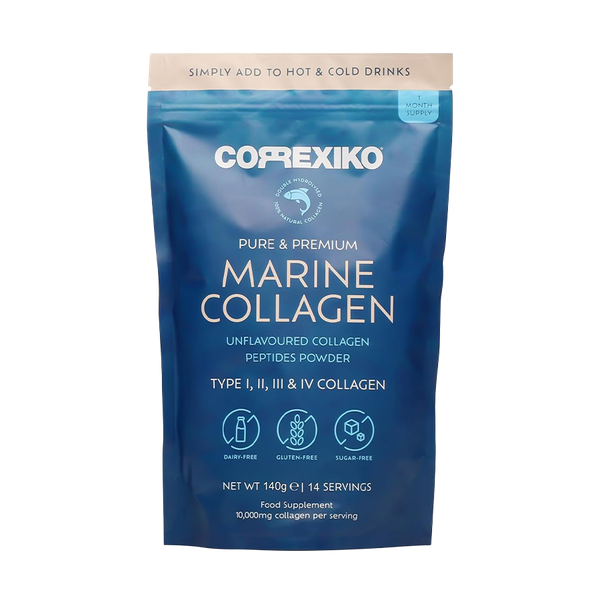
Collagen is my most underrated addition. After revisiting Lily Nichols’ work (she’s a leading US prenatal nutritionist and author who specialises in evidence-based pregnancy nutrition), I realised how much extra demand pregnancy puts on the body, particularly when it comes to protein and key amino acids like glycine. In simple terms, it supports all the areas that are working overtime – your skin as it stretches, your joints as your body shifts, and your recovery both during and after pregnancy. It’s also been linked to supporting skin elasticity and tissue health, which feels especially relevant heading towards birth. I use Correxiko’s collagen powder – it’s completely neutral-tasting – and add it into yoghurt or overnight oats.
Creatine is one I’m saving for postpartum. I haven’t taken it during pregnancy but the research around energy, recovery and coping with sleep deprivation is really interesting – and feels very relevant for what’s coming next.
On Birth Prep
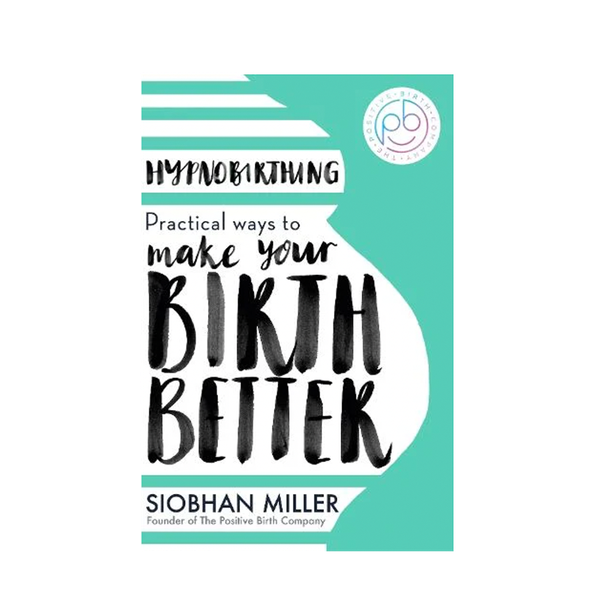
I’ve gone back to hypnobirthing. It sounds woo-woo and can get a bad rap, but knowing what’s happening in your body, why each stage unfolds the way it does and how you can support it – it genuinely shifts your mindset. There’s so much fear-based narrative around birth and I’ve found this cuts through that noise completely. I listen to Siobhan Miller’s audiobook on my commute, and dip in and out of The Great Birth Rebellion podcast when I’m cooking or walking.
I’ve also added pregnancy yoga this time, which I didn’t do at all before. It’s been a simple but really worthwhile addition. The focus on gentle hip openers and easing tension through the lower back has felt especially good as my body’s changed and it’s helped me move in a way I probably wouldn’t have prioritised otherwise. It’s also just a good moment to slow down. Nothing too intense, just time to stretch, breathe and feel a bit more comfortable in my body.
On Skincare
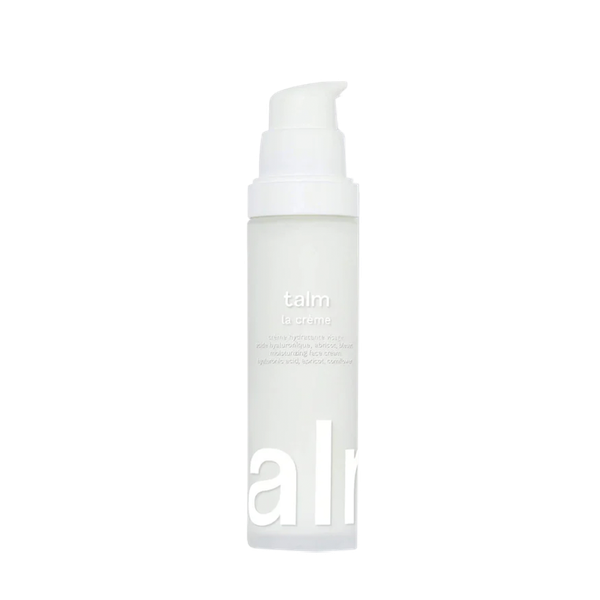
Pregnancy has made me simplify my approach to beauty. Honestly, my skin is better for it. I’ve stripped things back quite a lot and focused on what actually feels good rather than layering lots of actives. Hyaluronic acid and ceramide-rich creams have been a go-to, which is why I’ve loved using Talm, a French brand designed specifically for pregnancy and postpartum. Its hero La Crème is one of those products that just works – lightweight, but deeply hydrating. I know I’ll lean on it even more once the baby is here, especially if my skin reacts the way it did last time. Breastfeeding really dried my skin out before, so I’m already thinking ahead and keeping everything focused on hydration and barrier support.
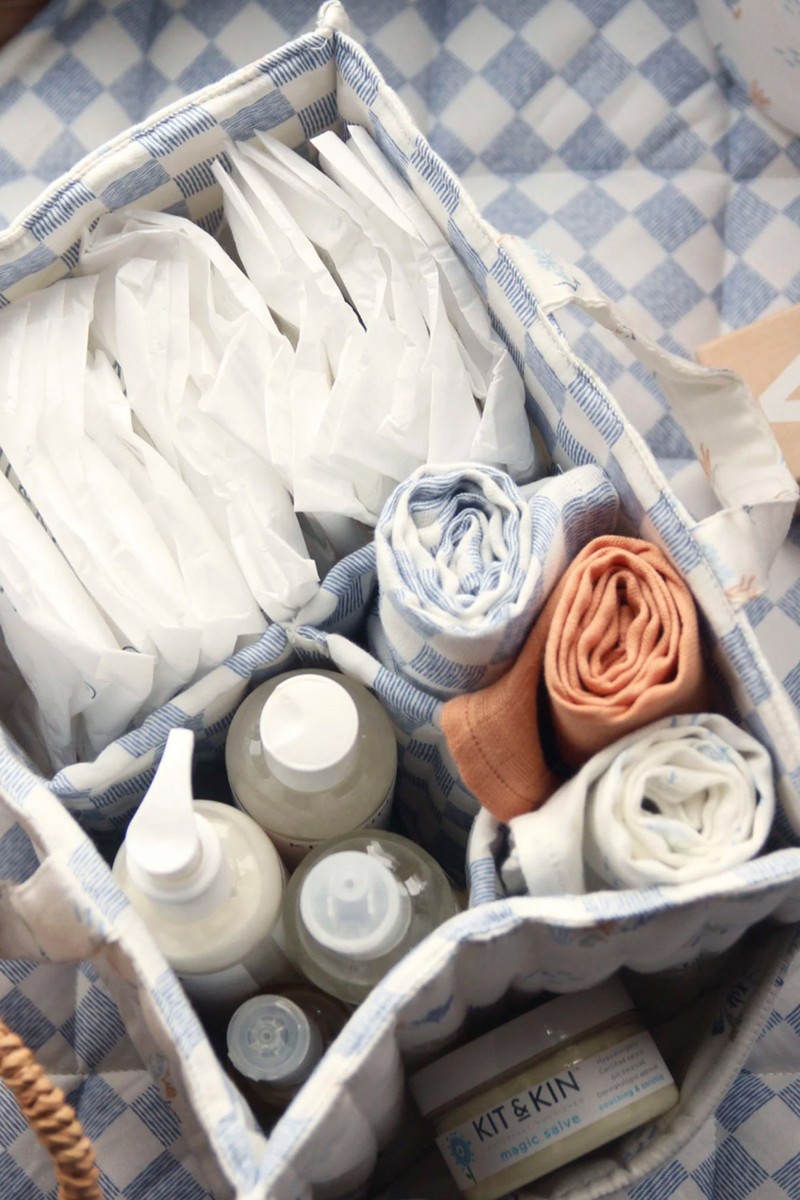
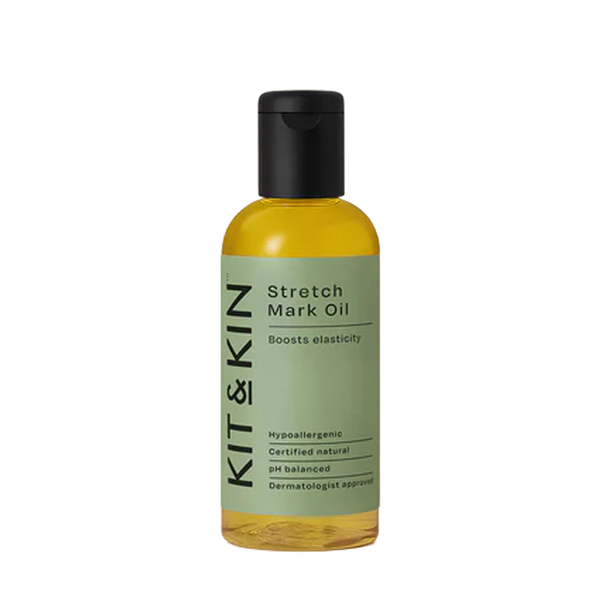
I’ve managed to stay on top of stretch marks so far. I’ve been told a lot of this is down to genetics but I do think supporting with collagen internally has helped, as has using Kit & Kin’s Stretch Mark Oil religiously. CeraVe’s Moisturising Cream – the one in the big tub – is also great for a less greasy and more speedily absorbed, version. In my first trimester, I loved using SKN to SKN – a brand developed by dermatologists that’s pregnancy-safe. Everything feels gentle but effective, which is exactly what you want when your skin feels a bit unpredictable.
On The Hospital Bag
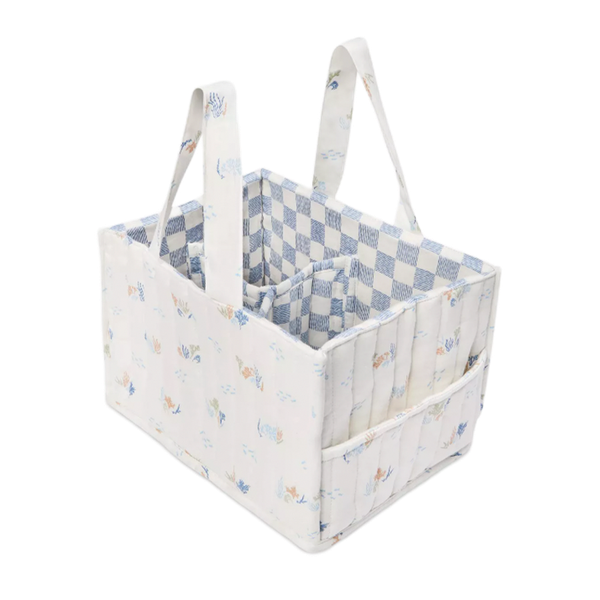
I completely overpacked the first time – so this time, I’m cutting back. In reality, you need far less than you think and anything overly complicated just becomes unnecessary in the moment. The one thing I would absolutely recommend is packing in clearly labelled sections. I divided everything into categories – birth, post-birth, feeding, essentials – and it made the whole experience feel much calmer and more organised, both for me and my husband.
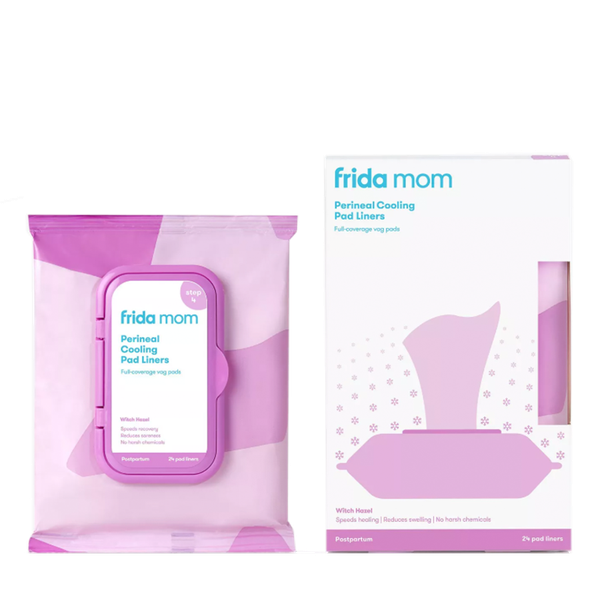
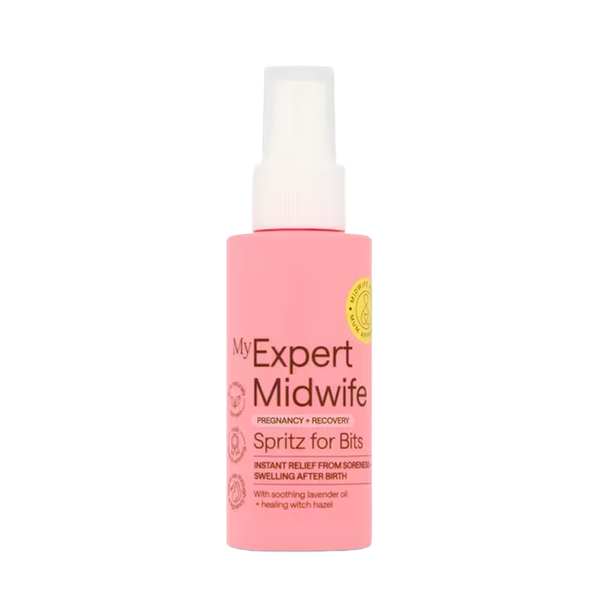
Frida Mom features heavily in my post-birth essentials. I have heard good things about both its disposable pants and cooling pad liners, which you layer over your maternity pad for instant relief. I’ve always been a fan of The Expert Midwife’s Spritz For Bits, but I’ll be using the liners, too, for added support.
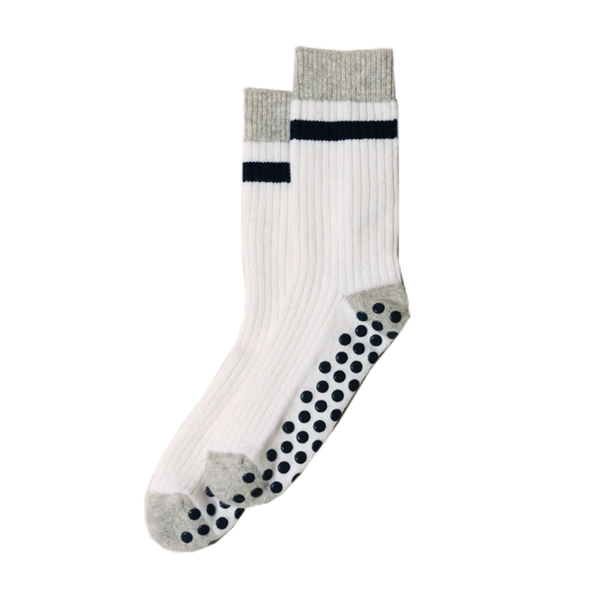
It’s the small comforts that make a difference. A good pair of socks –TONIC’s grippy ones are ideal – a soft post-birth outfit and familiar products all help make those first hours feel cosier and a little less clinical. Packing two towels is another must – I learned this the hard way after only packing one, and then giving birth in the pool, meaning I had to use a cold, wet towel for my post-birth shower. A nice set of mini toiletries is also a must to feel instantly more like yourself again.
On Baby Essentials
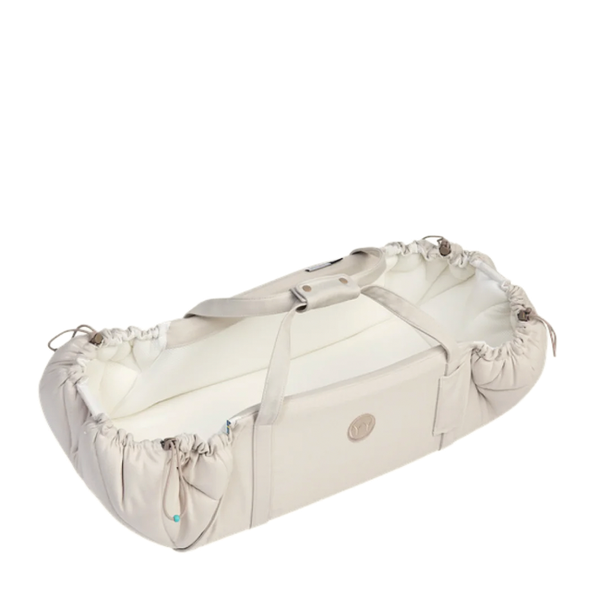
The biggest priority for me is having safe, practical places to put the baby down. With a toddler to juggle, I know this will be key. The Najell SleepCarrier X is top of my list – it’s essentially a structured, portable cot that moves easily from room to room, so you’re not constantly rearranging your day around naps.
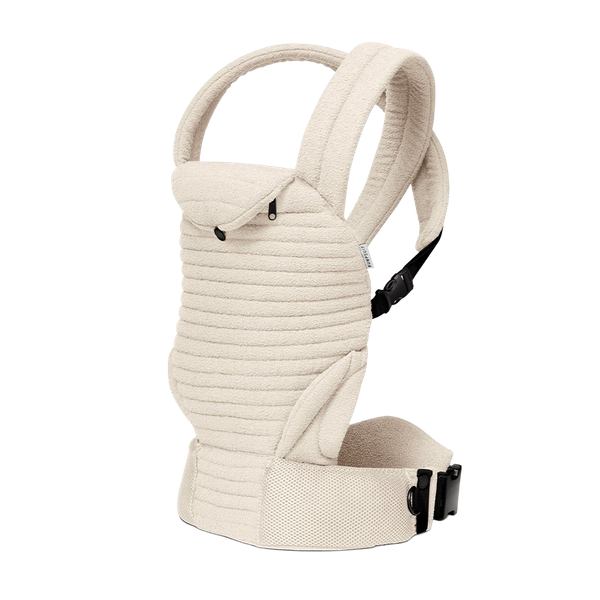
Babywearing is the other non-negotiable. I used it constantly first time and expect to rely on it even more now. The Bumpsuit Armadillo Carrier feels like a thoughtful upgrade – soft, supportive and with built-in sun and rain protection, which removes the need for endless muslins and adjustments.
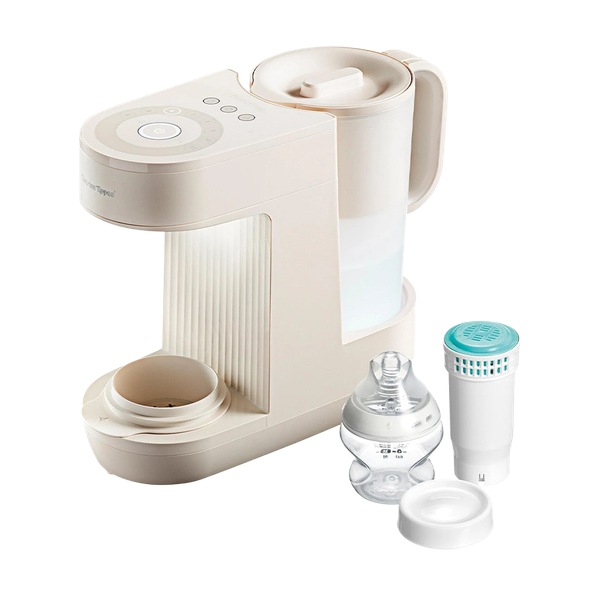
There are a few products that immediately made it back onto the list. The Tommee Tippee Perfect Prep is one of them – it takes the stress out of night feeds and makes the whole process faster and more consistent when you’re exhausted.
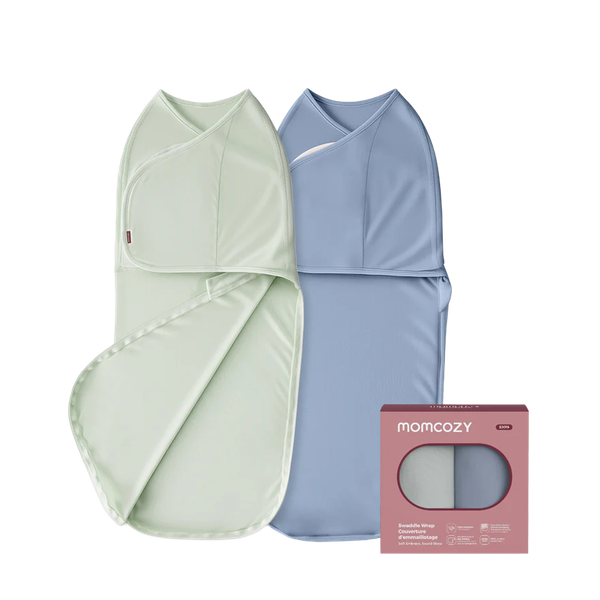
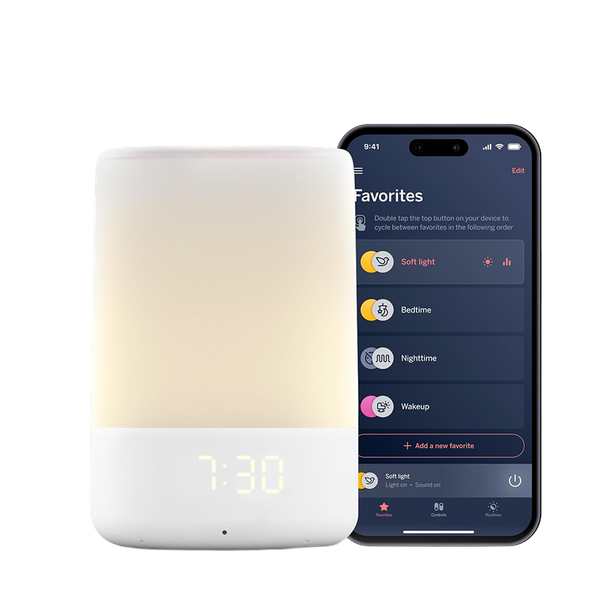
For swaddling and sleep, ease matters more than anything. I’ll be using Momcozy swaddles – they come highly recommended and look genuinely easy to use – alongside Ergo Baby sleeping bags. The baby will be in our room in our SnuzPod, and I’ll be using a Nanit sound machine for white noise and a soft red light for night feeds – enough to see what you’re doing, without fully waking everyone up.
Zip sleepsuits are worth their weight in gold. I’m not sure I could ever go back to poppers now – once you’ve done a 3am change with them, you don’t go back. Mori is still the gold standard for softness and quality, but it’s great to see more accessible options from brands like Next now, too.
On The Fourth Trimester
This is the part I thought least about the first time – and felt the most. I was so focused on birth that I didn’t really consider what came after and in hindsight, that’s where the real adjustment begins. Postpartum has a way of catching you off guard, even when things are going well. The physical recovery, the emotional shift, the relentlessness of broken sleep – it’s a lot all at once and not something you can fully prepare for, but you can support yourself through it. This time, I’m putting proper support in place from the beginning. I’ve hired a postnatal doula through Carly Sandland’s The Doula Club, and it already feels like one of the best decisions I’ve made. Having someone there for emotional support, reassurance and practical help feels invaluable – especially with two children.
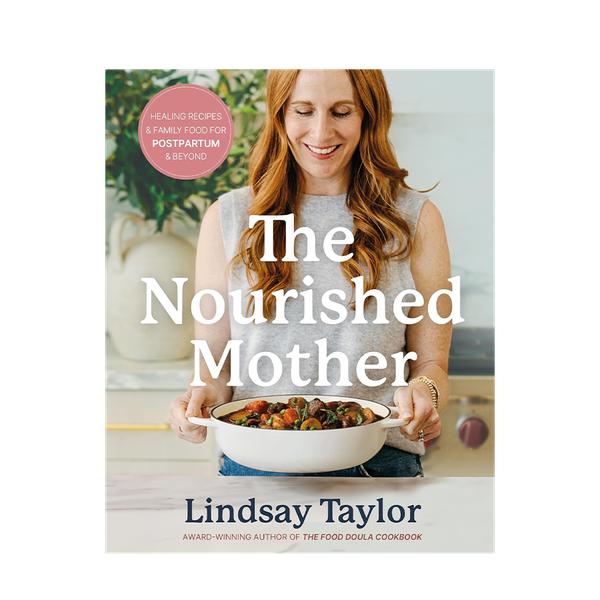
I’m also approaching nutrition in a much more intentional way. I’ve always cared about it but I want to make it easier this time. I’ve been saving recipes from Lindsay Taylor and plan to batch cook ahead – things that are genuinely nourishing but also realistic to eat one-handed, whether that’s a proper meal or just something quick between feeds. Her new book, The Nourished Mother, is on my wish list. It’s not just recipes but a way of thinking about postpartum food that feels supportive rather than overwhelming.
I’ll also be bringing in extra help where I can. The Food Doula, founded by Kate Longden, specialises in postpartum nutrition in a way that feels both thoughtful and genuinely practical. Her approach is rooted in principles from Ayurveda and traditional Chinese medicine – focusing on warm, easy-to-digest foods, slow-cooked meals, broths and mineral-rich ingredients that support healing, hormone balance and energy levels. Meals are nutrient-dense but comforting, easy to eat one-handed and created to support things like digestion, blood replenishment, nervous system regulation and milk production. I’m planning to sign up for one of her three-day meal packages, which feels like a manageable way to build in that support during those early days.
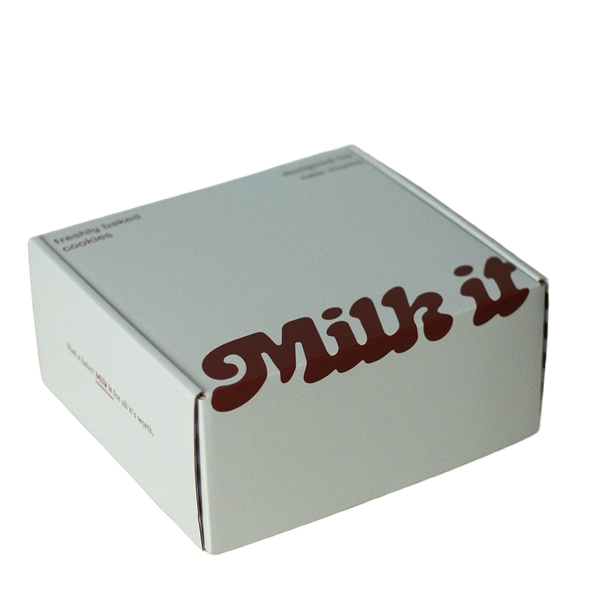
Finally, there are the small comforts that make those early days feel easier. A good snack within reach, something warm to eat or even just having something you actually enjoy – Milk It Bakehouse’s lactation cookies included – can make a bigger difference than you expect. Because more than anything, it’s about making those first few weeks feel manageable – not perfect.
Follow @TORALICEWEST


Or continue to comment as a Guest below
DISCLAIMER: We endeavour to always credit the correct original source of every image we use. If you think a credit may be incorrect, please contact us at info@sheerluxe.com.
All products on this page have been selected by our editorial team, however we may make commission on some products.
/https%3A%2F%2Fsheerluxe.com%2Fsites%2Fsheerluxe%2Ffiles%2Fwebsite-images%2F2025%2F04%2Fnew-parenting-background-image.jpg)