A Complete Guide To Hair Loss & Thinning
Is There A Difference Between Hair Loss & Thinning?
“In reality, most people use the terms interchangeably,” says Dr Sharon Wong, consultant dermatologist, co-founder of hair health brand Dose and president of the Institute of Trichologists, “although strictly speaking hair thinning refers to loss of density which is usually caused by hair fibres becoming fine or shorter.” In those cases, she explains, the amount of hair strands may not have changed but it may look like loss due to thinner hair exposing more of the scalp. Hair loss, on the other hand, is the actual loss of those strands “through shedding of the entire length of the hair or development of bald areas and patches”.
When it comes to hair loss, alopecia is the umbrella term. But, as Dr Margo Gkini, consultant dermatologist at hair health brand Hair + Me explains, this includes many types of alopecia that require varying therapeutic approaches. “Pattern hair loss, also known as androgenetic alopecia (AGA), is a hair loss condition that primarily affects the top and front of the scalp. Female-pattern hair loss (FPHL) typically presents as a diffuse thinning of the hair across the entire scalp. On the other hand, patchy hair loss can be seen in patients diagnosed with alopecia areata, which is an autoimmune condition in which the body is attacking its own hair follicles. Finally, postpartum hair loss is a form of telogen effluvium which is a very common cause of hair loss. It is a temporary type of hair shedding that happens when the hair growth cycle gets disrupted, usually by stress on the body. It looks dramatic, but it’s usually reversible. So every type of hair loss requires different treatment.” For some, thinning and loss can come hand in hand.
What Causes Hair Loss?
“The most common cause of hair loss in women is female pattern hair loss due to a combination of genetic risk and hormone influences.” says Dr Wong. “For example, in pregnancy, the very high levels of oestrogen and progesterone retain hair in the growth phase resulting in thicker and longer hair. The reverse is true in menopause – the decline in oestrogen and relative androgen (male hormone) dominance drives hair to thinning over time.” One recent study of 6,000 women found that half of them noticed thinning hair during perimenopause and menopause, with 39% of participants seeing hair loss too. On the topic of hormones, medical conditions such as PCOS, certain forms of contraception and fertility treatments may also exacerbate hair thinning or loss.
Can Lifestyle Factors Or Your Beauty Routine Affect Hair Growth?
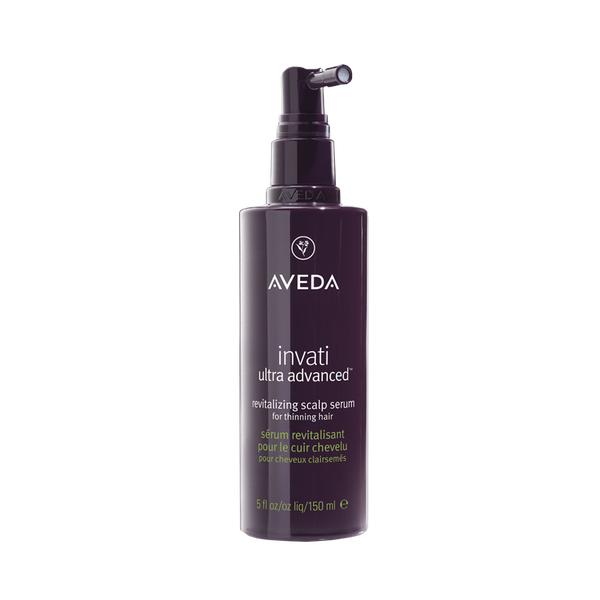
Alongside hormonal changes, the majority of which are unavoidable, there are lifestyle factors that can contribute to hair loss. “Optimising nutritional intake, particularly protein, is important to provide sufficient building blocks for healthy hair,” explains Dr Wong. “Nutritional deficiencies such as low iron and vitamin D are common causes of hair shedding and poor hair growth.” Good scalp health can also contribute to the density or strength of your hair. Alison Pawlus, principal scientist R&D at Aveda, tells us that “if the scalp is not washed sufficiently, scalp lipids can become metabolised by the microbiome and oxidized, potentially leading to a disrupted barrier and unhealthy scalp.” Nicki Zammit, a scalp specialist at the brand, explains further: “Product build up can block follicles, or your scalp might need stimulating to increase blood circulation and encourage hair growth. A hair and scalp check (available at Aveda salons) can help to better understand if you need products or a treatment to help boost growth or keep the follicles stronger.”
How Can You Prevent Hair Loss?
A thorough blood test can help to spot any deficiencies, and supplementation can easily remedy this. Stress and shifting cortisol levels can also play a part in hair loss and, while easier said than done, if that can be managed you may see less fallout when you brush.
If your hair loss is caused by hormonal changes, other than hormone replacement therapy there is little you can do to prevent it, though you can take steps to help lessen the effects. For example, Dr Gkini suggests that for FPHL “treatments such as minoxidil and/or finasteride are approved for this condition” and can help remedy the speed and strength of hair loss.
Alison also provides some sage at-home advice: “Washing your help can help! We know that some people with thinning may be hesitant to wash hair frequently, as this can be where they observe more hair shedding and associate washing with hair loss. However, they are seeing hair that would be shedding anyway, and delaying washing may lead to an unhealthy scalp which may exacerbate hair thinning. Therefore, washing hair with regular consistency for your specific hair type and texture is something we recommend to maintain optimal scalp health, which is crucial for healthy, strong hair.”
Are There Any Products That Can Help With Hair Loss?
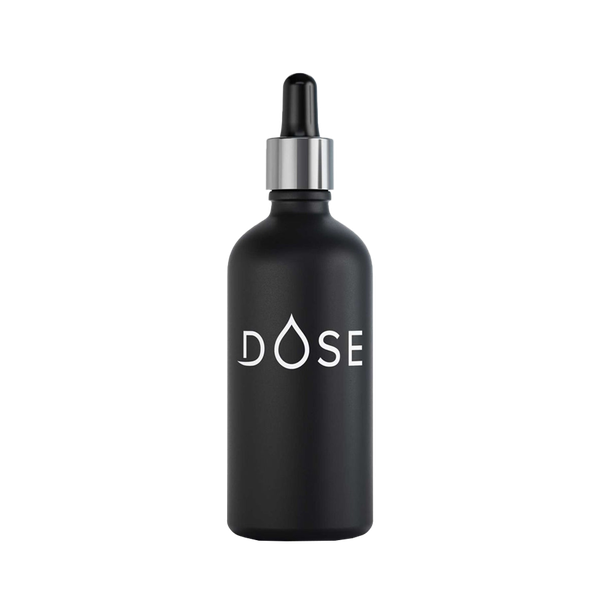
Dr Wong’s brand, Dose, relies on her 15 years of clinical expertise in treating hair loss and scalp disorders, and her topical products combine clinically proven actives (such as minoxidil) alongside antioxidants and hormone-regulating ingredients to stimulate hair growth at the roots and fortify existing strands so they’re less prone to breakage. Alongside these lightweight treatments, she also recommends looking for products that contain actives like caffeine, sandalore and aminexil.
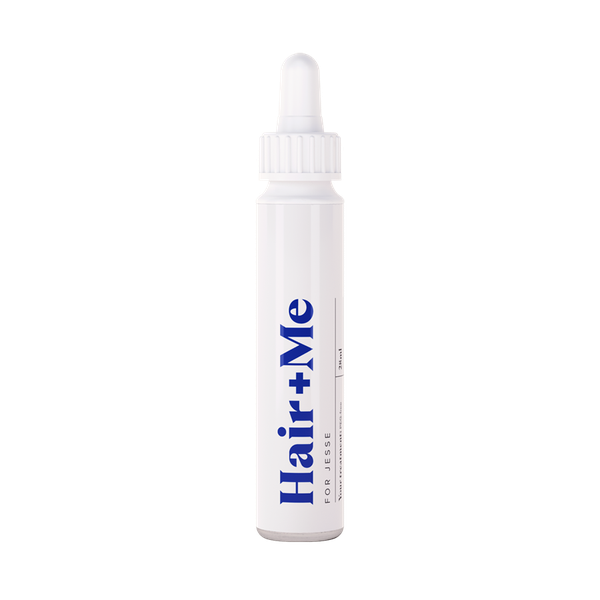
Hair + Me is another brand that’s making waves in the hair-loss-prevention category, where it incorporates prescription-strength treatments (like minoxidil and finasteride) into its personalised products, ensuring clinically proven results. Using a 100% online, in-depth consultation process, the brand evaluates your medical history, lifestyle factors and photos to create bespoke formulations that promote hair growth and health, all designed by expert consultant dermatologists.
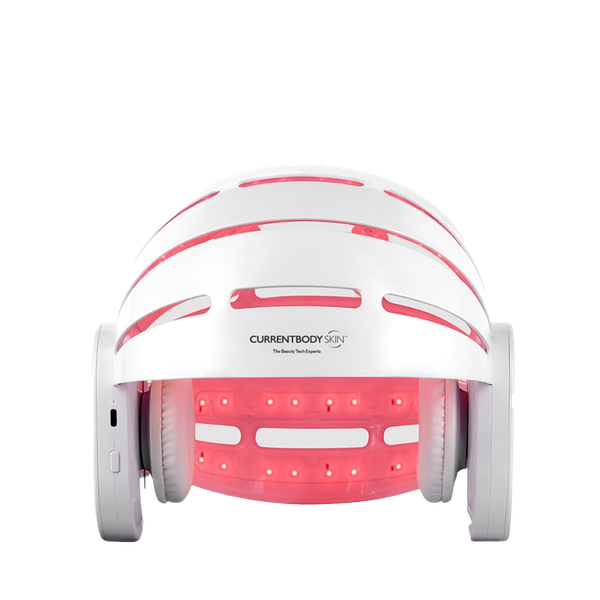
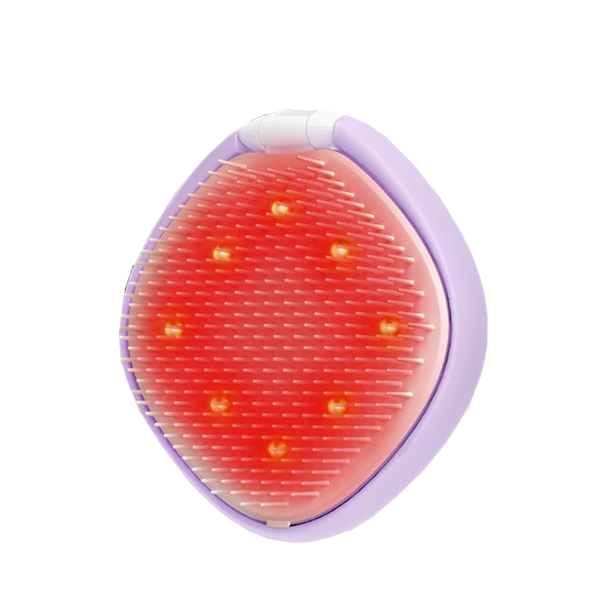
There is also a lot of research to support the positive effects of LED (light-emitting diodes) on scalp health and hair growth. Red light, for example, can help to strengthen, blue can combat oiliness and green can boost circulation. You can find devices across a wide price range, from a £49 LED hairbrush to a £650 futuristic looking helmet that contains 120 red LED lights and has impressive stats that show hair growth can be improved by 123% in 12 weeks of use.
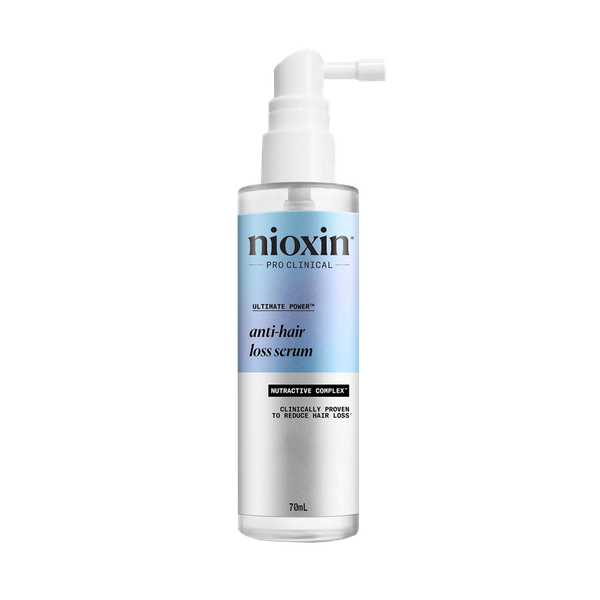
Alongside prescription formulas and whizzy devices, using targeting products such as scalp serums and specific shampoos can help to strengthen and support on a day-to-day basis.
What About Treatments?
Dr Wong suggests treatments such as Tricopat can help. A science-led innovation, a patented blend of growth factors are microneedled into the scalp and stimulated via acoustic waves and electric currents to encourage natural regeneration processes. A relatively new treatment, there’s not a huge amount of data to showcase results, though one piece of research showed that female patients saw a 13% increase in the total number of hairs across each section of the scalp. She also notes that PRP (platelet rich plasma) can help, as it supports cell turnover and a stronger scalp.
Harrods-based trichologist Ricardo Vila Nova is also a go-to for many. After a cutting-edge DNA scan of a strand of your hair, he can identify many of the markers contributing to your hair and scalp health, then format a treatment plan that might include microneedling, PRP, Exosomes or his Scalp Harmonisation (a ‘facial’ for your scalp) that involves a detoxing cleanse, rich mask, thorough massage and – to top it off – a very good (but strand-safe) blow-dry.
Visit @DrSharonWong, DoseMyHair.com, Trichologists.org.uk, HairAndMe.com, @DrMargoGkini & Harrods.com
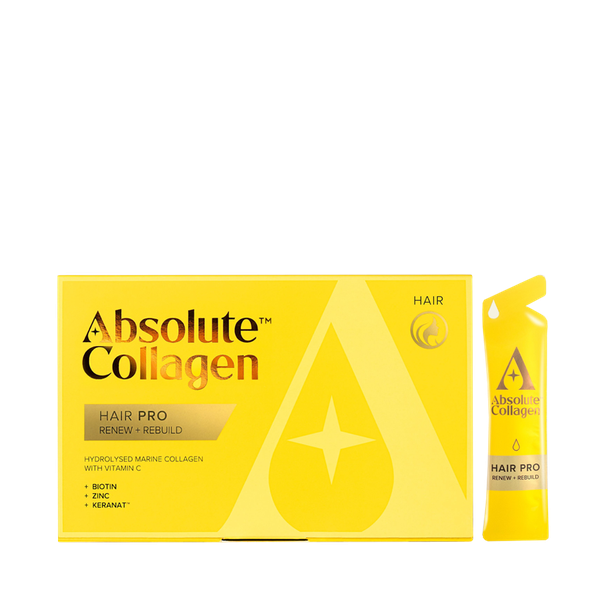
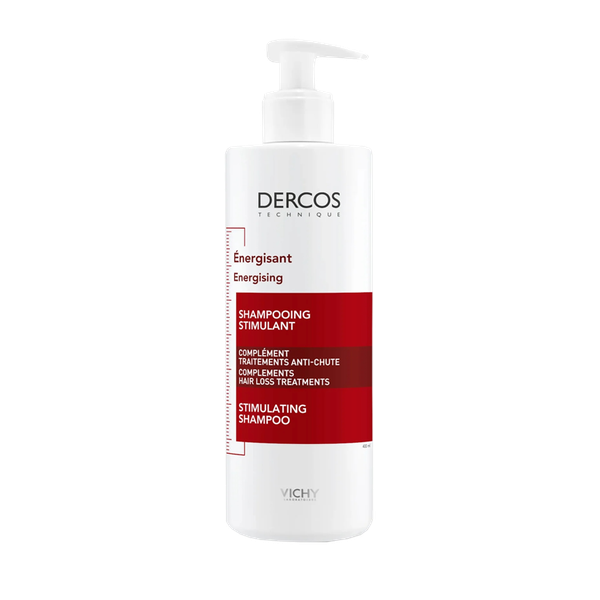
SHOP THE PRODUCTS TO HELP WITH HAIR LOSS
DISCLAIMER: Features published by SheerLuxe are not intended to treat, diagnose, cure or prevent any disease. Always seek the advice of your GP or another qualified healthcare provider for any questions you have regarding a medical condition, and before undertaking any diet, exercise or other health-related programme.
Or continue to comment as a Guest below
DISCLAIMER: We endeavour to always credit the correct original source of every image we use. If you think a credit may be incorrect, please contact us at info@sheerluxe.com.
/https%3A%2F%2Fsheerluxe.com%2Fsites%2Fsheerluxe%2Ffiles%2Fwebsite-images%2F2025%2F03%2Fsign-up-pop-up.jpg)