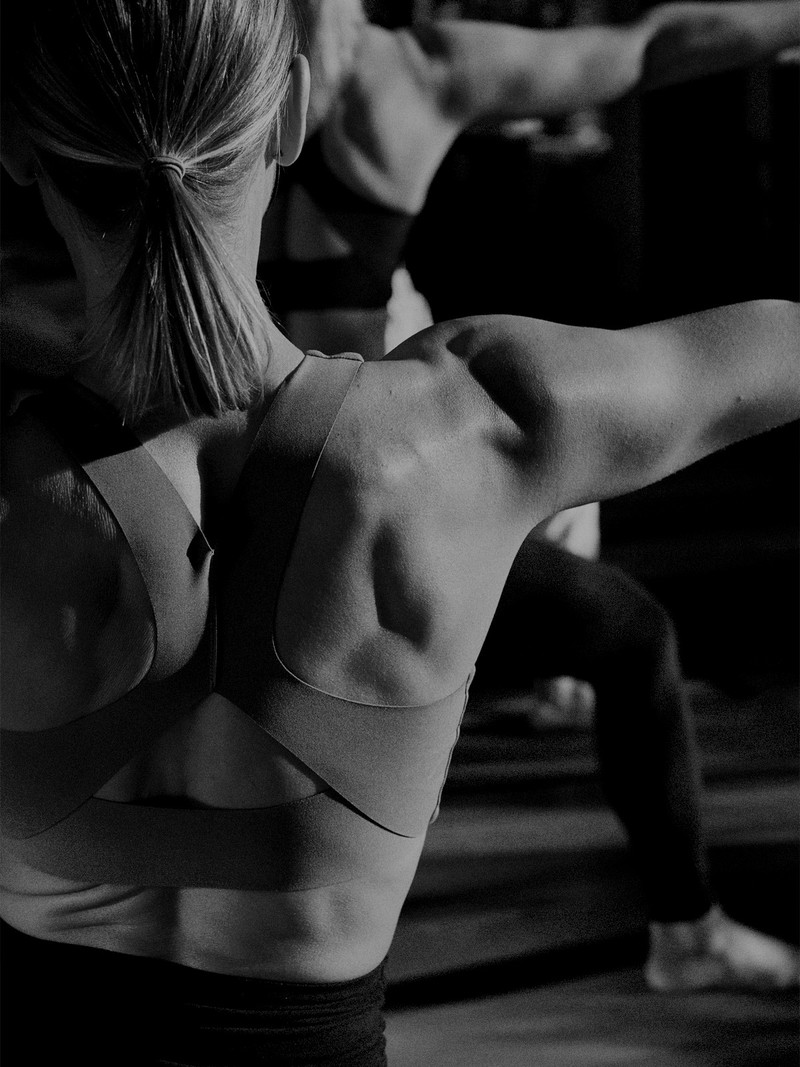
Everything You Need To Know About Building Muscle Mass
Muscle mass actually becomes more important the older you get…
“From our 30s onwards, muscle mass naturally declines, while hormonal changes during perimenopause and menopause can also reduce bone density, making resistance training key to preserving both. Developing lean muscle improves joint stability, mobility and posture, helping to minimise aches and pains, while also supporting metabolic health by improving insulin sensitivity and aiding weight management. When approached intelligently, strength training is low impact and sustainable, offering a powerful way to maintain a strong, resilient and capable body over time.” –Sophie-Rose Harper, Pilates instructor & founder of Sophie Rose Pilates
If you’re new to training, make sure you ease yourself in…
“If it’s within your budget, I’d always start with a few one-to-one fitness sessions to really understand the form and how your body should move when handling weights. Focus on quality over intensity and, above all, build gradually, prioritise good technique and give your body time to adapt. I’d also weave in Pilates for mobility and stability work to keep everything balanced and help prevent injury.” – Sophie-Rose
Yes, cardio can build muscle mass, but not on its own…
Yes, cardio can build muscle mass, but not on its own… “Muscle growth needs a combination of tension and progressive overload, which you broadly won’t get from cardio. If your goal is muscle, cardio is complementary but not a substitute. Where it does get in the way is if you’re doing combination sessions – if your goal is to improve muscle mass, I would suggest doing dedicated strength sessions rather than 20 minutes of cardio and 20 minutes of strength. I would also separate cardio from heavy sessions (if you do them) other than as a warm- up.” – Rhian Stephenson, founder of Artah Health & registered nutritionist
You don’t necessarily need any weights to do weight training…
“Your body can’t tell if resistance is coming from a barbell, a resistance band or your own bodyweight. That said, if you want to build muscle effectively, you’ll need to train until the muscle is fatigued – whether this is a band or bodyweight. What matters most is progressive overload. With weights, this means increasing how much you lift, but you can also do this with bodyweight. You add kilos. For example, you can progress from a push-up to a decline push-up, then a plyometric version etc. Slowing the eccentric phase (the lowering portion) will also be effective because it increases time under tension, which is a big stimulus for growth.” – Rhian
Pilates is a great route to building strength…
“Pilates supports muscle maintenance as we age by strengthening the deep stabilising muscles that protect the spine and joints, often referred to as the ‘powerhouse’. It builds muscle in a controlled, low-impact way while improving balance, mobility, control and alignment, all of which contribute to better posture, something that naturally declines over time. This not only helps prevent injury but also enhances how efficiently the body moves. Pilates is a sustainable way to stay strong and resilient; and particularly on the apparatus, it can be adapted for everybody at any age.” – Sophie-Rose
But heavy lifting is the most effective way to build muscle mass…
“Heavy lifting is simply the most effective method for building muscle. The reason comes down to hypertrophy: the process by which muscle fibres are broken down under load and rebuilt thicker and stronger during recovery. The greater the mechanical demand, the greater the hypertrophic response. Progressive overload (ie consistently increasing the challenge over time) is what keeps that process moving forward. But what separates results from effort is how you lift. In our classes at Method, we place enormous emphasis on controlled eccentrics, never dropping into a rep, strong positional alignment and full range of motion. These are not small details. They determine how much muscle fibre you actually recruit, and they are the difference between training safely at a high level for years versus accumulating injury. Heavy lifting builds the foundation. Control and intention are what shape the body.”– Bash Rustom, trainer at The Method
Building muscle mass won’t make you look ‘bulky’...
“This is a misunderstood area. There is only one type of skeletal muscle, so there aren’t a lean type of muscle and a bulky type of muscles. What varies is how much muscle a person builds (hypertrophy) and how much body fat sits over it, which impacts the final appearance of the muscle. Lean muscle is essentially shorthand for muscle gain that is accompanied by relatively low body fat. ‘Bulky’ or visibly muscular usually reflects a much larger absolute amount of muscle mass - so you’d get this from a higher training volume and then, if body fat isn’t low, this would increase the feeling of being ‘bulky’. For most of us, getting visibly muscular without looking bulky comes down to training consistency, managing body fat and getting enough protein. ‘Bulk’ (from larger muscles) takes years of deliberate and consistent effort.
“I think another common misinterpretation around body changes comes from the initial phase where you're probably gaining some muscle, are slightly inflamed and therefore holding a little water and have not yet shifted body fat – this is more common when people new to exercise or new to weights start to do heavier weights but it can also happen within training cycles. If I do a really heavy leg day, my legs can feel swollen and my jeans tighter for a few days.” – Rhian
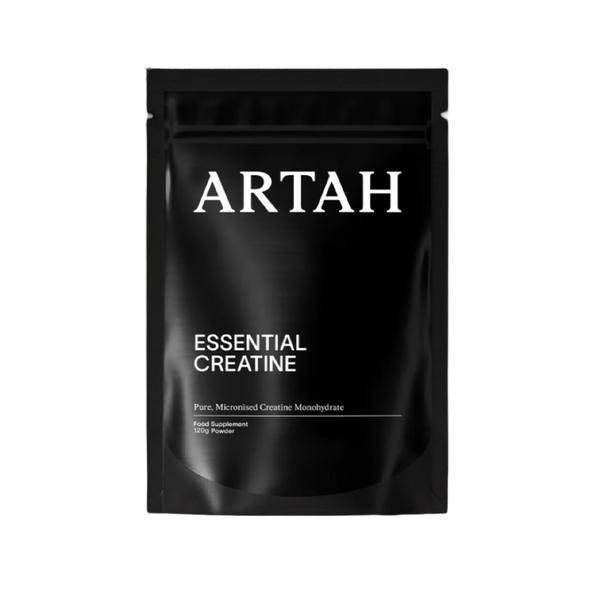
Creatine is one of the best ways to supplement your muscle gaining journey…
“Creatine is one of the most rigorously studied supplements in nutrition. It works by topping up phosphocreatine stores in your muscle cells, which is what your body uses to rapidly regenerate ATP (your cellular energy currency). In practical terms, this means you get more reps per set, you recover faster between sets, your energy will be better generally and, over weeks and months you’ll accumulate better quality training volume. It also appears to influence muscle protein synthesis directly through the cellular processes responsible for repairing and growing muscle tissue. Trials have consistently shown measurable increases in muscle thickness and cross-sectional area in people who supplement alongside resistance training. For women, creatine can be incredibly helpful in offsetting luteal phase fatigue, which indirectly can help with training energy and consistency.
“The good news is that using creatine is super simple and you can achieve these results with an easy maintenance dose of 3- 5 grams per day – you don't need to load. Women in particular tend to start with lower baseline intramuscular creatine and may notice benefits sooner. Whilst there are cognitive benefits to creatine that are independent of exercise, you’ll only get the muscular benefits in combination with resistance training, so taking it isn’t going to suddenly make you bulky as many women fear.” – Rhian
Visit Artah.co, TheMethod.com & SRPilates.co.uk
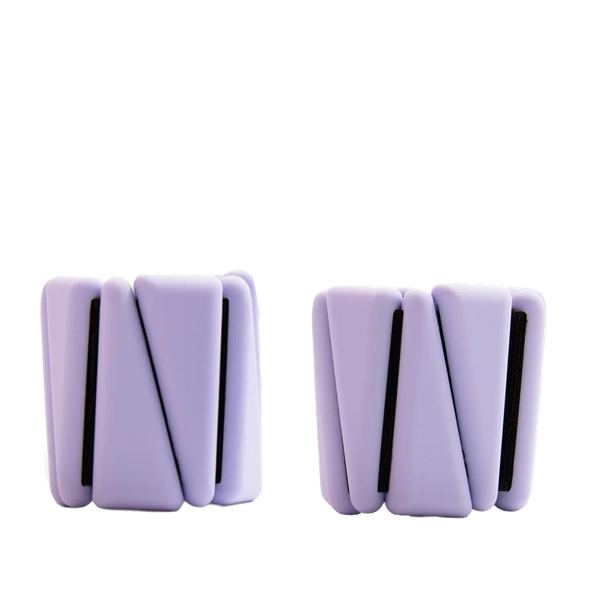
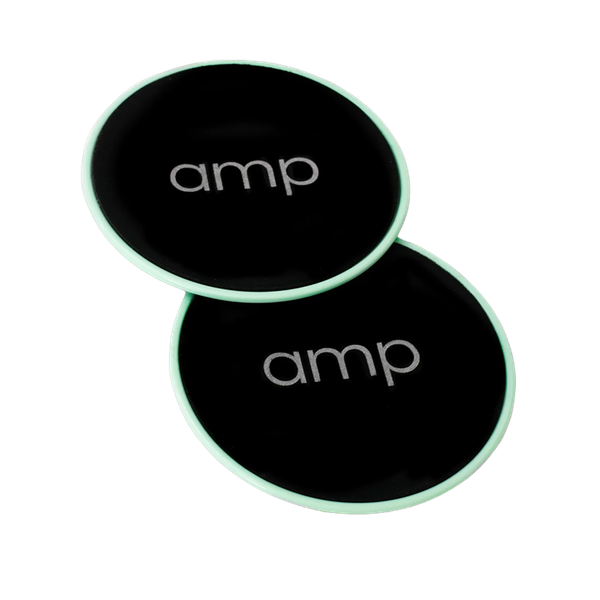
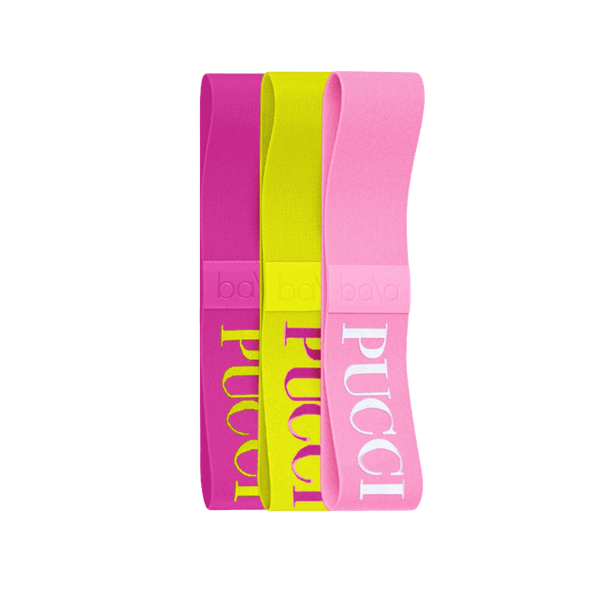
SHOP THE MUSCLE-BUILDING EDIT
DISCLAIMER: Features published by SheerLuxe are not intended to treat, diagnose, cure or prevent any disease. Always seek the advice of your GP or another qualified healthcare provider for any questions you have regarding a medical condition, and before undertaking any diet, exercise or other health-related programme.
Or continue to comment as a Guest below
DISCLAIMER: We endeavour to always credit the correct original source of every image we use. If you think a credit may be incorrect, please contact us at info@sheerluxe.com.
/https%3A%2F%2Fsheerluxe.com%2Fsites%2Fsheerluxe%2Ffiles%2Fwebsite-images%2F2025%2F03%2Fsign-up-pop-up.jpg)