
Everything You Should Know About ‘Collagen Banking’
What Is Collagen And How Does It Impact Your Skin?
Collagen is a protein found naturally in the skin (and throughout the body) and is widely seen as the most important factor in keeping the skin firm and plump. It acts as ‘scaffolding’ in the dermis, helping to hold structure and strength. You’re born with it in abundance, but levels start depleting from your mid-twenties which is one of the reasons why, as you age, your skin can start to sag and lose bounce.
What Is ‘Collagen Banking’?
Collagen banking is the idea of protecting, preserving and promoting collagen levels in your skin. Although it’s advisable to start thinking about this when your levels are still high, it’s never too late to protect what remains.
Collagen Banking With Skincare
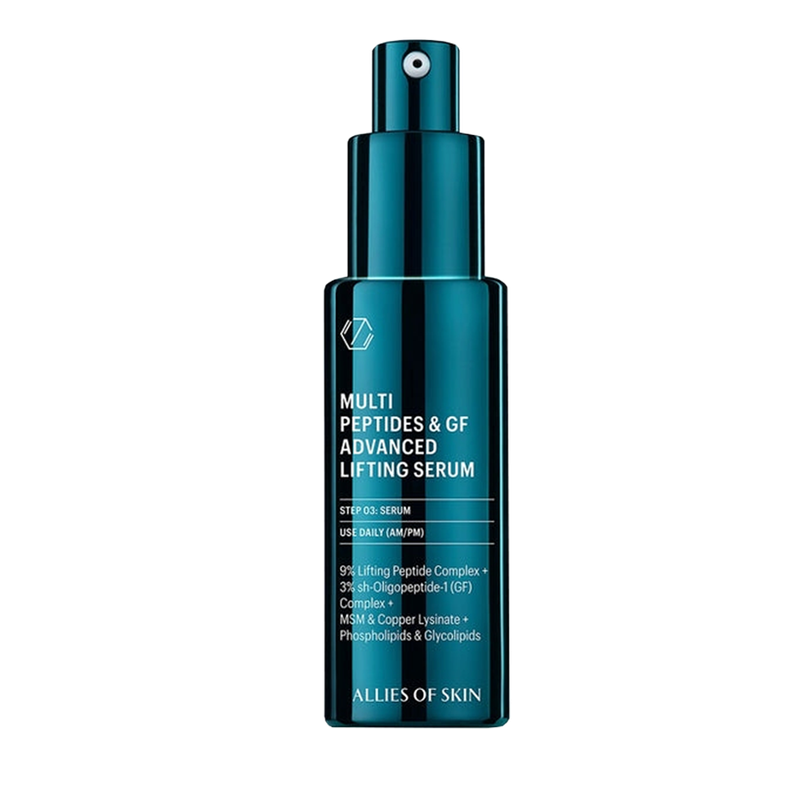
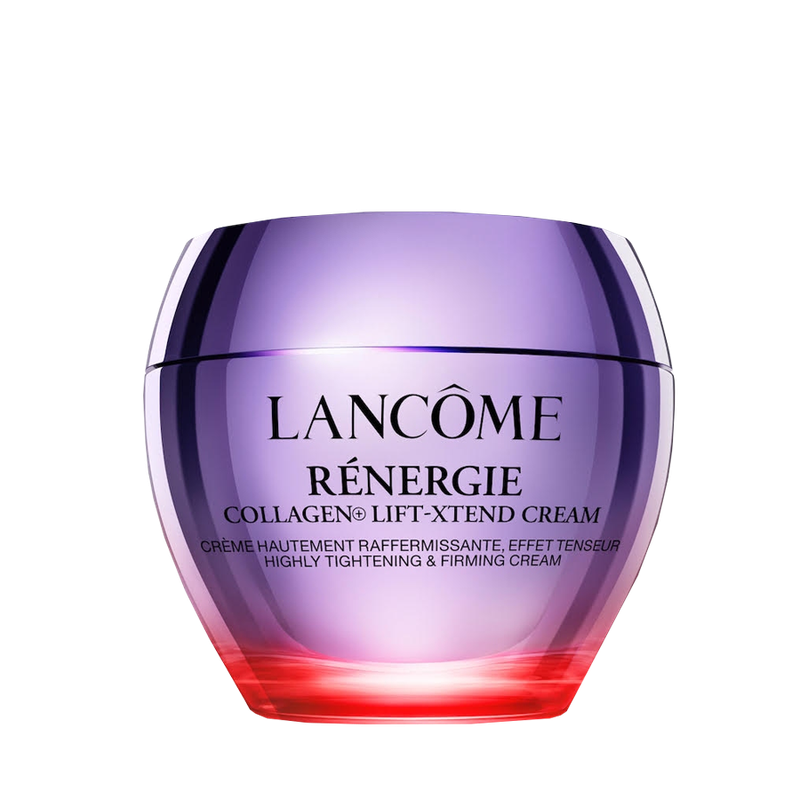
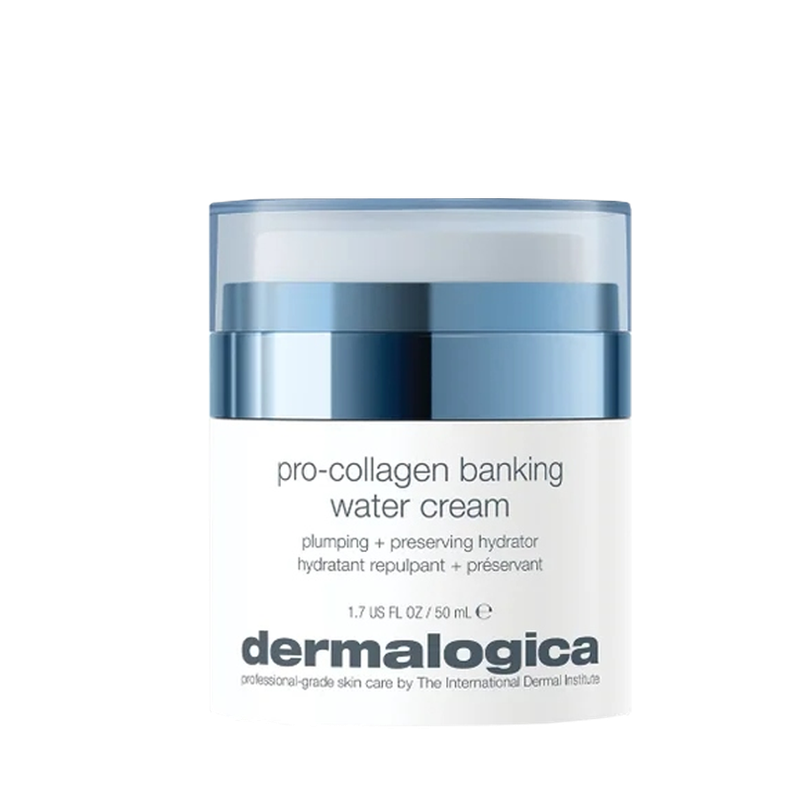
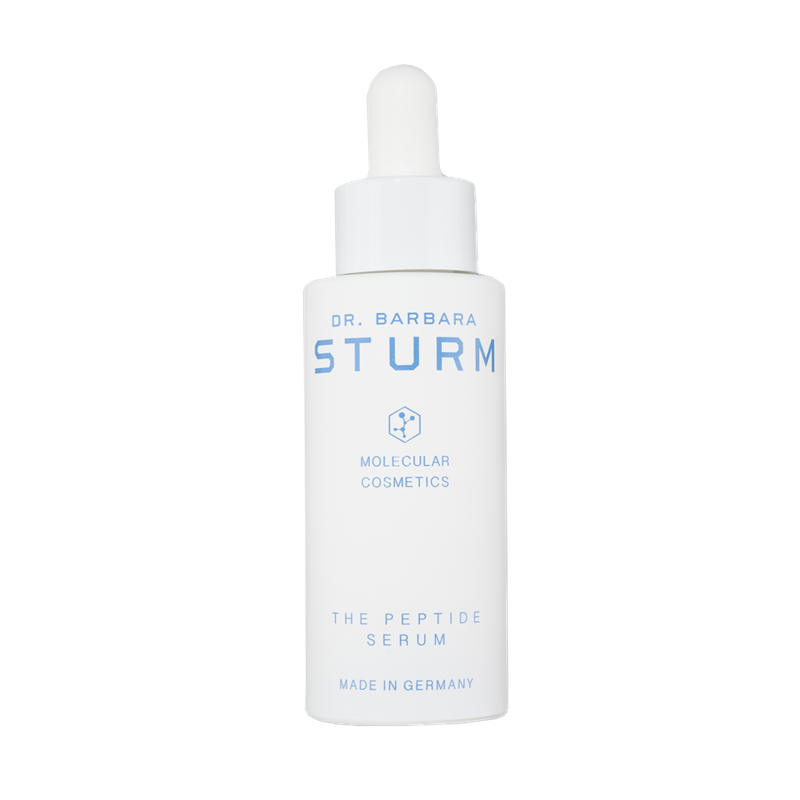
When addressing collagen levels in the skin, a great place to start is with skincare. Although collagen molecules themselves are usually too large to penetrate the skin, you can look for products that use collagen peptides or hydrolysed collagen or turn to ingredients that will help stimulate production (such as retinol, peptides and growth factors). Dr Barbara Sturm’s Peptide Serum, for example, is clinically proven to protect up to 63% of the collagen in your skin; and Lancôme’s Rénergie Collagen Cream helps to rebuild ten years of collagen loss, delivering up to 57% tighter skin in just four hours. Most importantly, if you’re concerned about collagen loss, you should be wearing SPF daily, as sun damage will just deplete things more quickly.
Collagen Banking With Tools
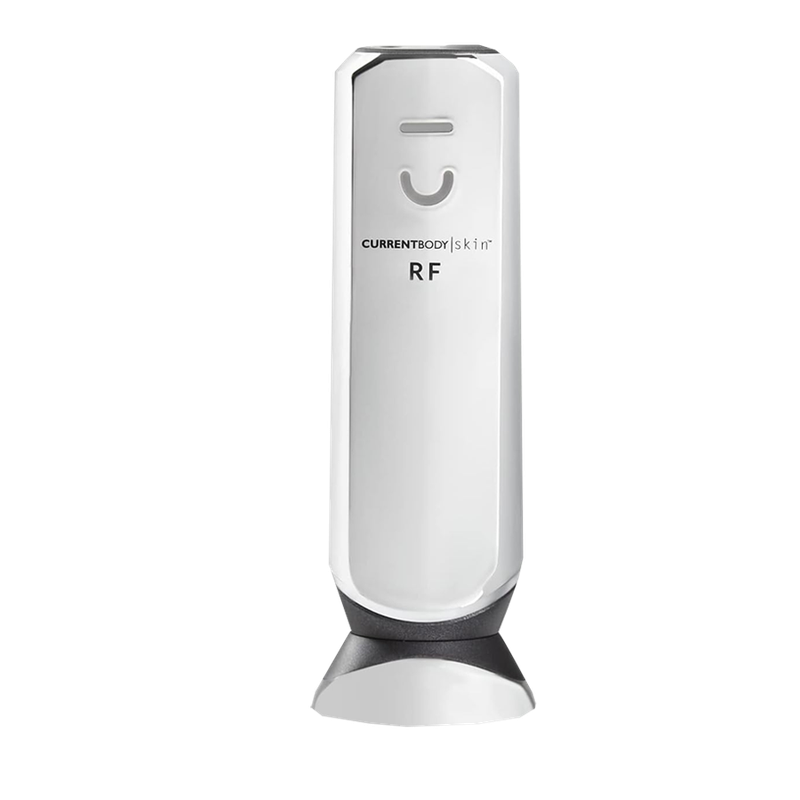
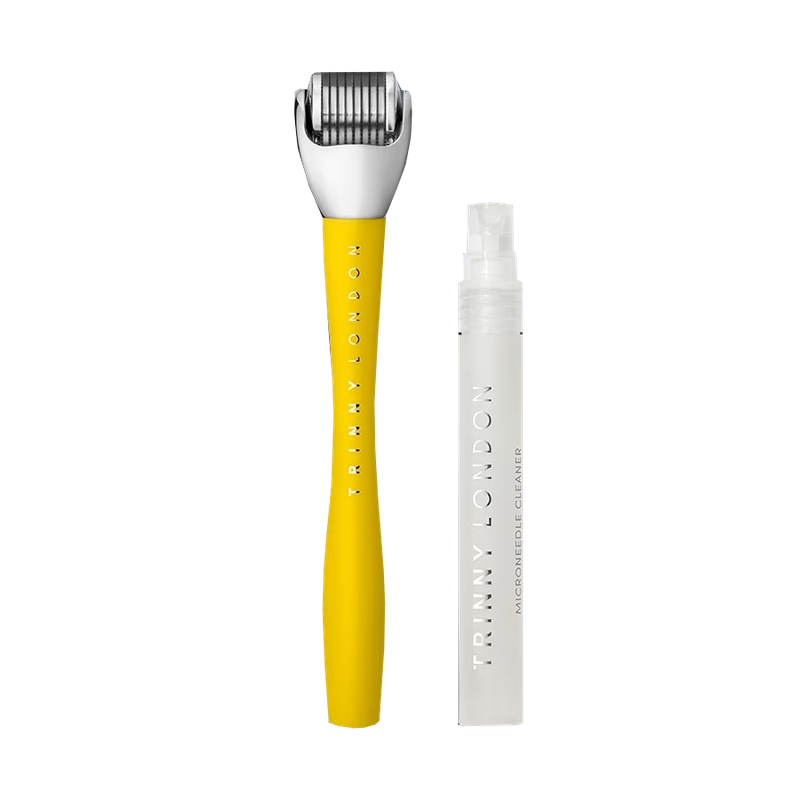
If you want to work into deeper layers in the skin in the comfort of your own home, there are some brilliant, effective and easy-to-use tools that will help to boost collagen production. LED red light is great for this, as it stimulates the fibroblast cells that produce the protein. It’s also great for reducing inflammation that can lead to increased collagen loss. Microcurrents and radiofrequency are also great for boosting levels, as is microneedling which creates tiny injuries that trigger collagen repair.


Collagen Banking With Supplements
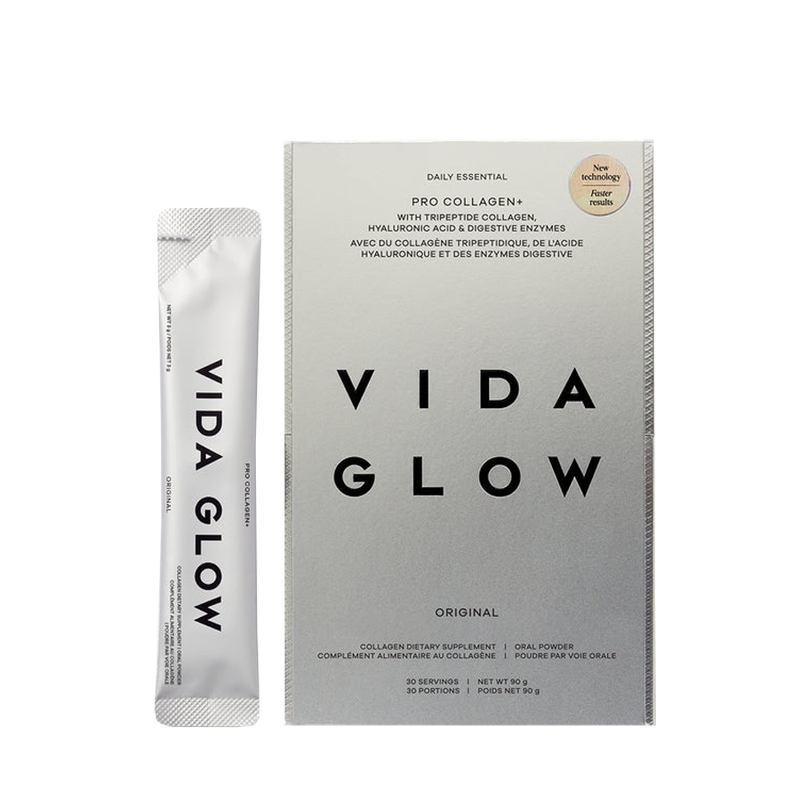
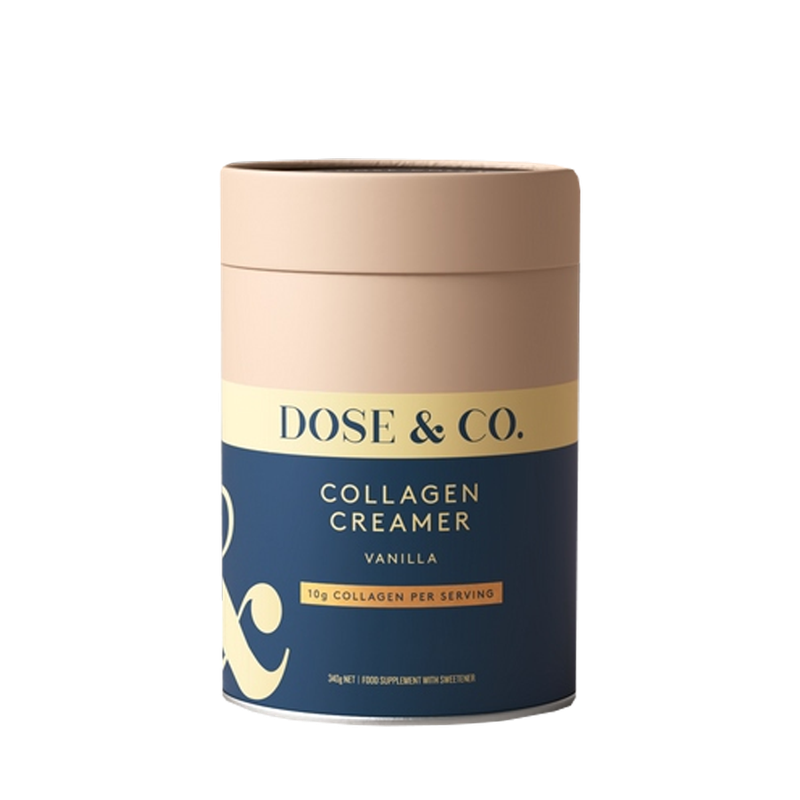
Ingestible supplements can also help to increase collagen levels, but it’s important to remember that the protein in them won’t specifically target your skin; it will be used throughout the body (in your muscles, for example), which is no bad thing. This doesn’t mean your skin won’t benefit and supplements can certainly help to improve elasticity, plus some blends will have added nutrients to further support skin health.


Collagen Banking With Treatments
One way to target the skin directly and get deep into the dermis, specifically targeting the fibroblasts that produce collagen, is via in-clinic treatments. Radiofrequency, for example, uses controlled heat to activate fibroblasts, increasing collagen production and delivering results that can last for months or even years. Other options are ultrasound treatments (like Sofwave), lasers or radiofrequency microneedling such as Morpheus8. There are also injectables, like Sculptra, that will help to stimulate collagen production and add volume and firmness back to the cheeks and lower face over time and in a natural-looking way (rather than instantly, like dermal fillers).
DISCLAIMER: Features published by SheerLuxe are not intended to treat, diagnose, cure or prevent any disease. Always seek the advice of your GP or another qualified healthcare provider for any questions you have regarding a medical condition, and before undertaking any diet, exercise or other health-related programme.
Or continue to comment as a Guest below
DISCLAIMER: We endeavour to always credit the correct original source of every image we use. If you think a credit may be incorrect, please contact us at info@sheerluxe.com.
/https%3A%2F%2Fsheerluxe.com%2Fsites%2Fsheerluxe%2Ffiles%2Fwebsite-images%2F2025%2F03%2Fsign-up-pop-up.jpg)