How To Protect Your Liver This Party Season
Spot The Early Warning Signs
“The liver performs more than 500 functions every day – from metabolising hormones to detoxifying waste – so when it’s under strain, you’ll feel it,” says Dr Jean-Marc Sobczyk, longevity doctor at HOOKE. “Low energy despite a good night’s sleep, a 3pm slump, bloating after rich meals or dark circles under the eyes all point to a liver working overtime.” Other telltale signs? “If one glass of wine leaves you with a headache or a single scented candle gives you brain fog, your liver’s detoxification pathways may already be overloaded,” he adds. “It’s your body’s way of saying ‘enough’.” Dr Sabine Donnai, longevity expert and founder of VIAVI, adds that genuine fatigue – not just tiredness – is a red flag. “You may also notice a coated tongue, paler stools or new sensitivity to caffeine or fatty foods.” And according to clinical dietitian and head of The Liver Clinic Cérine Cherkaoui, your sleep can also be a sign. “People with liver imbalance often wake between 1am and 3am – that’s when the liver is actively repairing itself. It’s a subtle but powerful signal it needs support.”
Don’t Blame It All On Booze
We tend to associate liver health with alcohol but, as Jean-Marc explains, “Modern life is tough on your liver.” Hidden sugars are one of the biggest offenders – ‘healthy’ smoothies, flavoured yoghurts and snack bars are packed with fructose, which your liver processes just like alcohol. Over time, that can lead to fatty liver even if you barely drink. Then there’s the constant chemical load. “Your liver filters additives, preservatives, paracetamol, even the parabens and phthalates in beauty and cleaning products,” says Jean-Marc. “Chronic stress and poor sleep also elevate cortisol, which directly compromises liver function.” Cérine adds that non-alcoholic fatty liver disease now affects one in three adults in the UK. “That’s a huge number, and most people have no idea they have it. It’s not just about alcohol – low fibre intake, high sugar, poor sleep and being sedentary all contribute. You can have a healthy BMI and still have a sluggish liver.”
Drink Smarter
When it comes to alcohol, experts agree it’s less about cutting it out and more about how you drink. “Women metabolise alcohol differently,” says Sabine. “We have less of the enzyme that breaks it down, meaning the same drink hits harder and lingers longer. Oestrogen also slows alcohol metabolism, so women are more vulnerable to its effects, especially around ovulation or perimenopause.” Jean-Marc adds: “Never drink on an empty stomach – it spikes blood sugar and overwhelms the liver. Eat protein and healthy fats first – something like salmon, avocado or a handful of nuts – to slow alcohol absorption.” His other golden rule: pace yourself. “Your liver processes roughly one unit of alcohol per hour. If you drink faster than that, you’re instantly playing catch-up.” The type of drink matters, too. “Clear spirits like vodka, gin or tequila with sparkling water and lime create fewer by-products,” he says. “Red wine has antioxidants, but it’s also higher in histamines, which can trigger headaches. And mixing alcohol with sugar – think cocktails, prosecco or dessert wines – is particularly tough on the liver because both are processed along the same pathways.”
Feed Your Liver Like An Insider
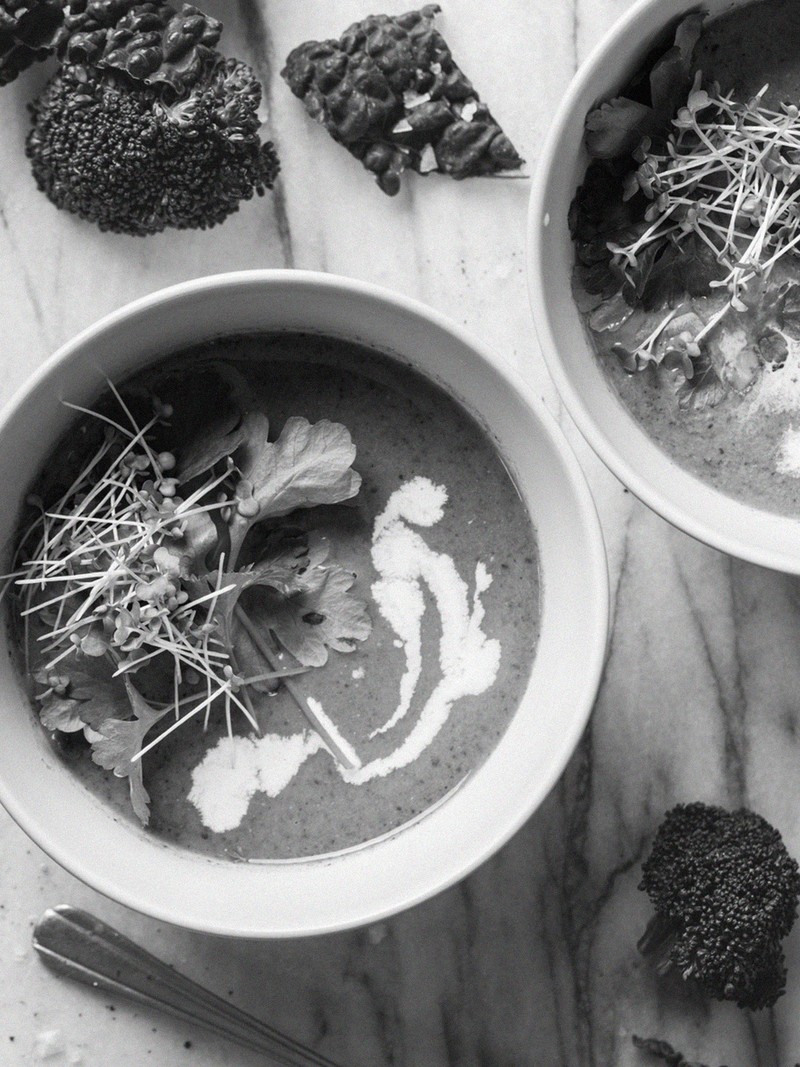
The smartest way to support your liver starts in the kitchen. “Cruciferous vegetables like rocket, kale, broccoli and watercress activate detox enzymes,” says Jean-Marc. “Bitter leaves like radicchio and artichoke stimulate bile flow for fat metabolism.” Sabine recommends garlic, onions and sulphur-rich foods to boost glutathione, your body’s master antioxidant. “Healthy fats from olive oil and avocados support liver cell membranes, while magnesium-rich greens, seeds and dark chocolate aid detoxification.” Cérine adds: “Start meals with a bitter-leaf salad dressed in olive oil and lemon, and add colourful vegetables to every plate – the more vibrant your food, the more antioxidant support you’re giving your liver.”
Give It Time To Repair
“One of the simplest, most effective things you can do for your liver is overnight fasting,” says Jean-Marc. “After around 12 hours without food, the body switches from processing to repair. The liver clears stored fat, regenerates cells and restores balance.” Try finishing dinner by 7pm and having breakfast around 8am. “Within weeks, you’ll see clearer skin, steadier energy and improved digestion,” he says. Cérine agrees: “Avoid late-night eating so the liver can focus on detoxification overnight – it’s one of the most underrated wellness habits.” And don’t underestimate movement. “Even 30 minutes of walking, Pilates or stretching can make a big difference,” says Sabine. “A sedentary lifestyle slows metabolism and contributes to fat build-up in the liver.”
Test, Don’t Guess
Routine blood tests are a good start, but they only tell part of the story. “Liver function tests can flag damage, but often miss early changes,” says Sabine. “A FibroScan is a simple, non-invasive scan that measures fat, inflammation and stiffness – it’s far more precise than an ultrasound and can detect problems before symptoms appear.” The test itself is quick and painless – you just lie back while a handheld probe gently scans the area, giving an instant picture of how healthy your liver really is. Jean-Marc adds that your GP can arrange basic liver blood tests, but a FibroScan is usually done through a specialist clinic or private provider. “Checking fasting glucose and triglycerides can also be revealing,” he says. “Insulin resistance is one of the first signs your liver’s under pressure. Catch it early and you can make small changes that have a big impact.”
The Takeaway
Your liver is the ultimate multitasker – filtering toxins, balancing hormones, managing blood sugar and fuelling energy. It’s also one of the body’s most forgiving organs. “Within weeks of small, consistent changes – eating better, drinking strategically, building in fasting – it regenerates,” stresses Jean-Marc. Ultimately, looking after your liver isn’t about restriction – it’s about giving your body room to recover. “When your liver’s in balance, everything else works better – from energy and mood to skin and hormones,” says Sabine. “Treat it kindly this December, and it’ll repay you with that glow of feeling well into the new year.”
Visit TheLiverClinic.com, Viavi.com and Hooke.London
DISCLAIMER: Features published by SheerLuxe are not intended to treat, diagnose, cure or prevent any disease. Always seek the advice of your GP or another qualified healthcare provider for any questions you have regarding a medical condition, and before undertaking any diet, exercise or other health-related programme.
Or continue to comment as a Guest below
DISCLAIMER: We endeavour to always credit the correct original source of every image we use. If you think a credit may be incorrect, please contact us at info@sheerluxe.com.
/https%3A%2F%2Fsheerluxe.com%2Fsites%2Fsheerluxe%2Ffiles%2Fwebsite-images%2F2025%2F03%2Fsign-up-pop-up.jpg)