
The Healthy Snacks Nutritionists Give Their Own Kids
FOR BABIES
Sarika Dewan, NHS GP & author of The Weaning GP, recommends…
Waitrose Duchy Organic Hummus: I always have a tub of this in the fridge and it’s a bonus it’s rich in iron. Babies need more iron from the age of six to 12 months than at any other time in their childhood.
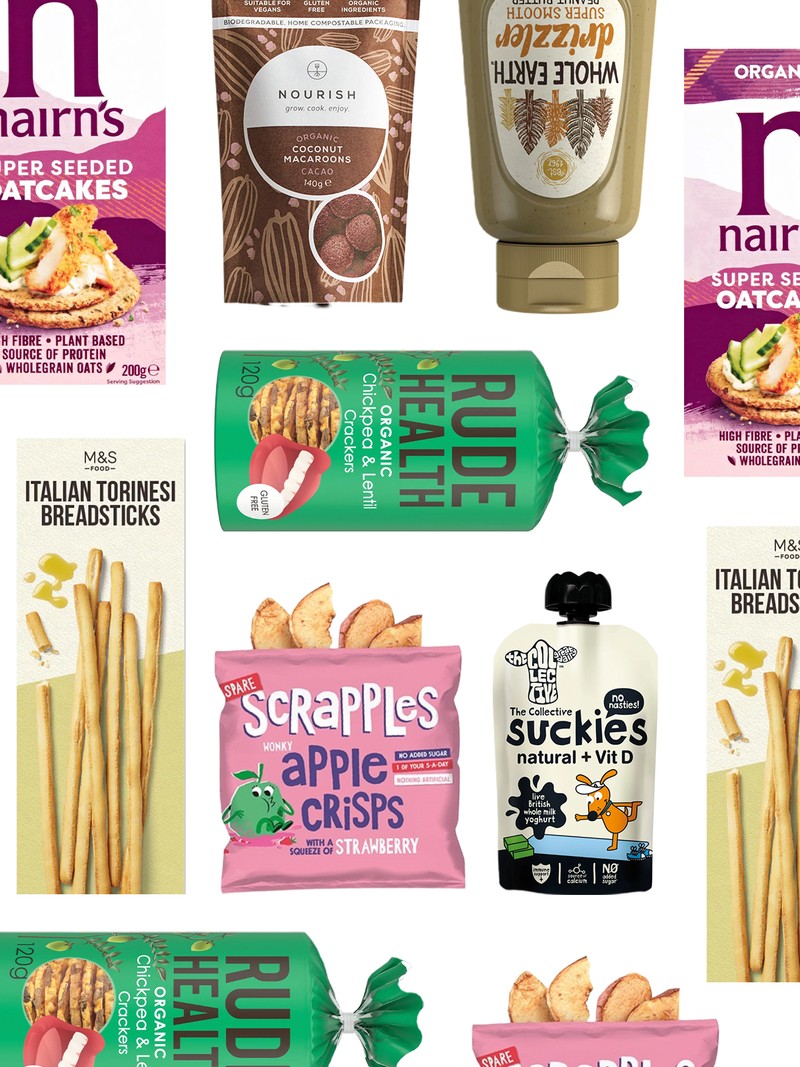
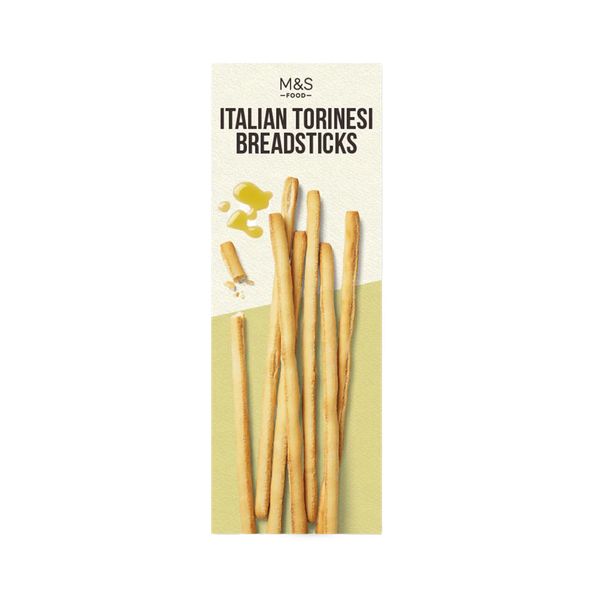
M&S Torinesi breadsticks: These are less processed than many other supermarket alternatives. They’re easy to pack, don’t need any prep and pair perfectly with hummus or cheese.
Babybel: An easy protein win and great when we’re out and about. At home, I’ll serve them with crackers or fruit. They’re also a great source of calcium, which is essential for growing bones and teeth.
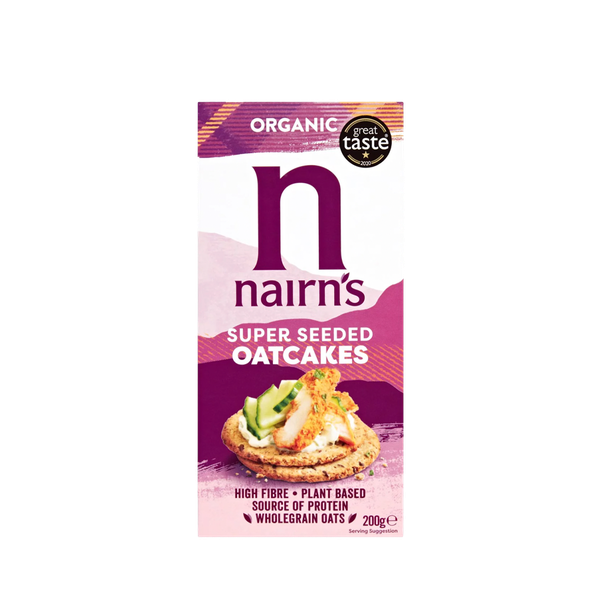
Nairns oatcakes: An underrated snack. I love them as a slower-release carb and they work well with sweet and savoury toppings. Great with cheese, cream cheese or nut butter.
Cream cheese: I tend to buy supermarket own-brand versions as they’re often less processed than big name brands. It’s a great way to add fats for younger children.
Full-fat yoghurt and fruit: One of my simplest swaps, I always choose full-fat, unsweetened yoghurt and add fruit myself rather than buying sweetened versions. This is especially important for under-twos, when fats shouldn’t be restricted.
Homemade muffins: If I’m organised, I’ll batch cook simple muffins or pancakes using oats, bananas, eggs and yoghurt. They’re quick, affordable and much lower in refined sugar than shop-bought options. They freeze well, too.
Follow @THEWEANINGGP
FOR TODDLERS
Charlotte Stirling Reed, baby & child nutritionist, recommends…
Plain yoghurt: One of my most-used fridge staples, I buy Yeo Valley or Greek yoghurt and add my own fruit too. I’ll mash berries or grate apple into it and stir through some chia seeds or flaxseeds for an easy fibre and omega-3 boost. It’s a simple swap but makes a big difference nutritionally.
Chopped fruit: I always chop up fruit – it’s easier for little mouths and means children don’t feel pressure to finish a whole portion. I pair it with yoghurt or nut butter – adding protein and fats keeps energy levels more stable than fruit alone.
Wholegrain toast fingers with nut butter: I spread wholegrain toast with nut butter and add a few berries or banana slices. It’s balanced, familiar and easy to eat.
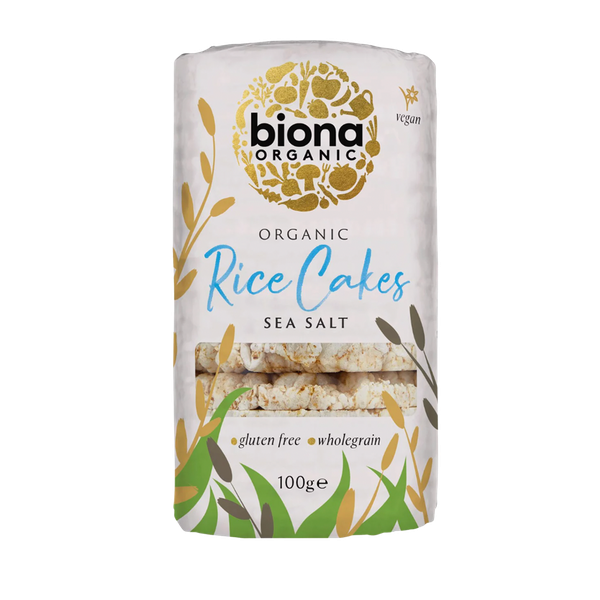
Plain rice cakes: Always plain, never flavoured. On their own they’re not especially nutritious, so I use them as a base and add hummus, cream cheese or mashed avocado.
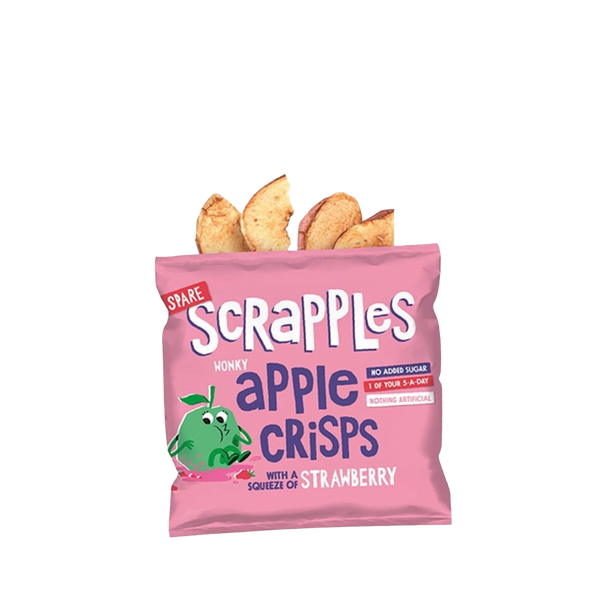
Unsweetened dried fruit: Raisins or apricots can be useful occasionally but I always serve them alongside something protein-rich like yoghurt or cheese to reduce the impact on teeth and blood sugar. On busy days, I’ll use bags of apple crisps in the same way.
Wholegrain crackers: Crisps don’t offer much in the way of fibre or nutrients, are often high in salt, and encourage mindless eating. Offering crackers with a flavourful topping adds more fibre, less salt and more nutrients.
After school snack plates: This is when toddlers are often tired, hungry and in need of something familiar. I aim for a mix of carbs, protein and fibre – think wholegrain crackers with cheese and apple slices, hummus with pitta strips, or a banana muffin with cucumber sticks. Pack them in mini Tupperware containers for the journey home but keep the portions small – you just want to tide them over until dinner time.
Visit SRNUTRITION.CO.UK
FOR YOUNGER CHILDREN
Lucy Upton, children’s dietitian, recommends…
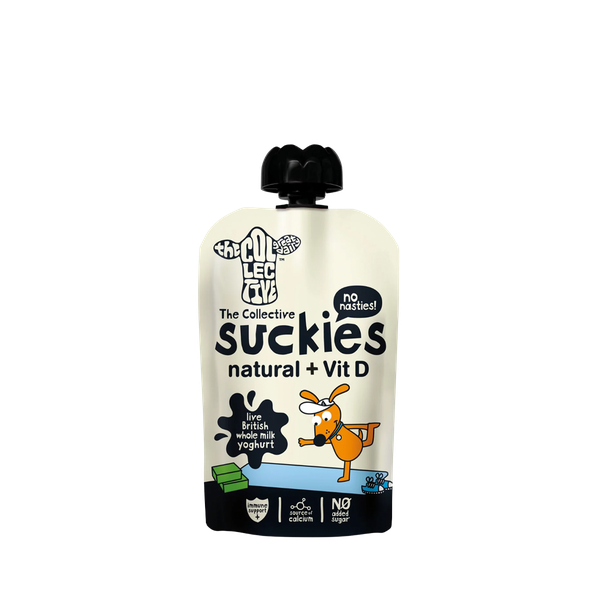
The Collective Suckies: My go-to when I need a quick yoghurt option, these are great for days out and on-the-go snacking.
Pots for Tots finger food: My freezer is always stocked with Pots for Tots snacks, especially the frittatas and cheese bites. They’re quick to heat and feel nourishing.
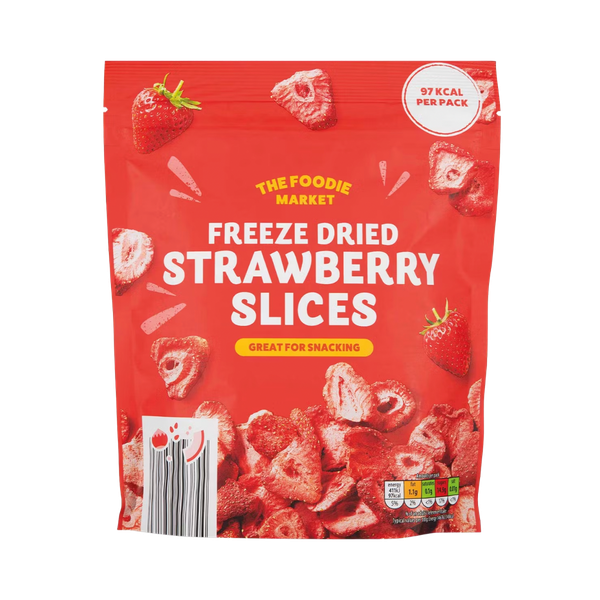
Freeze-dried apple and strawberries: Great for variety – I stock up from Aldi whenever I can.
Almond biscuits: A firm favourite in our house. I make simple biscuits using ground almonds, mashed banana and a little unsweetened cocoa powder. They’re easy to batch cook and feel like a treat without being overly sweet.
Homemade trail mix: I’ll mix iron-fortified cereal, apple crisps, freeze-dried fruit, coconut chips and small seeds like pumpkin seeds. Because snack times are usually more relaxed, I find this a great time to introduce new textures without pressure – a top tip for fussier children.
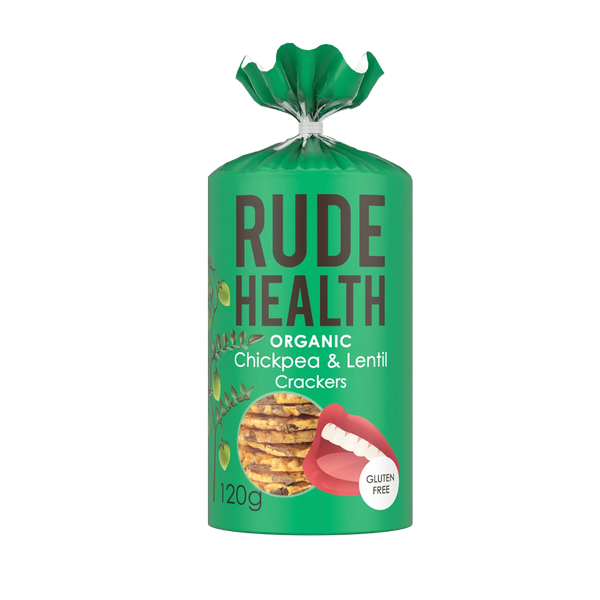
Lentil cakes: If your child enjoys rice cakes, lentil cakes are a simple upgrade. They offer a similar crunch but with more fibre and protein. If they prefer branded savoury snacks, try decanting them into bowls – packaging is designed to attract kids, so removing it helps keep the focus on food.
Apple nachos: Thinly sliced apple or pear, drizzled with squeezy peanut butter – Whole Earth or Aldi both work well – then finished with seeds, desiccated coconut or a little grated chocolate. It looks fun but it’s also a great example of how to balance fibre with fats for steadier energy.
FOR TEENS
Farzanah Nasser, nutritionist, recommends…
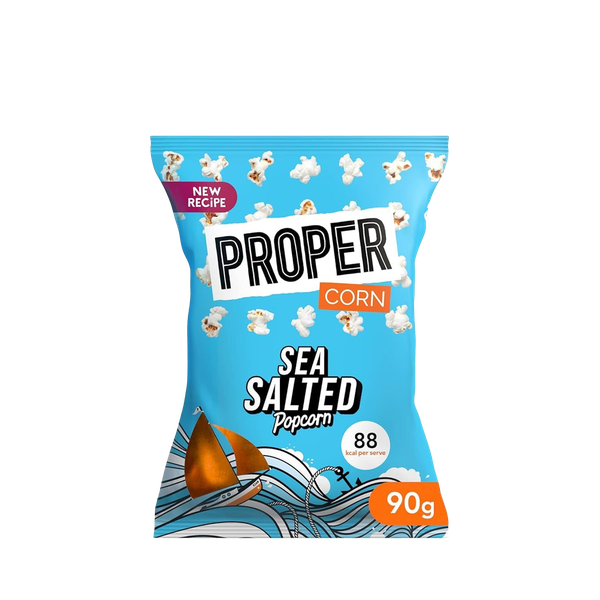
Popcorn: I go for Propercorn sea salt – it’s made with whole corn, provides fibre and works brilliantly as a savoury crisp alterative. I like snacks like this because they satisfy that salty craving without spiking blood sugar. M&S extra virgin olive oil crisps are also a good upgrade.
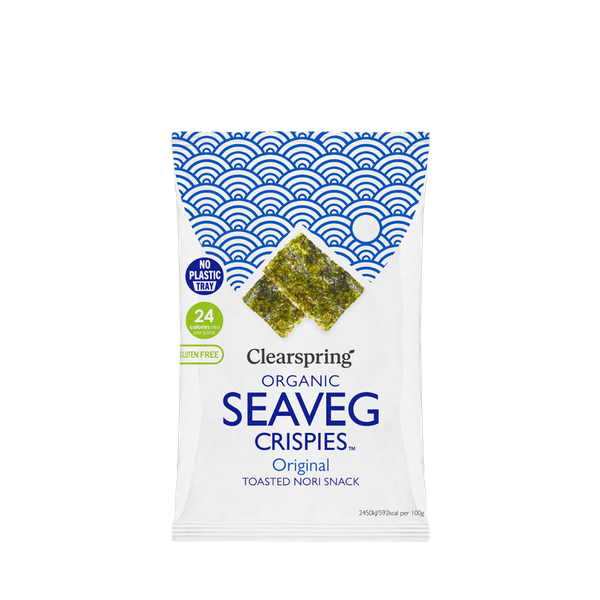
Seaweed: We keep Clearspring seaweed snacks in the cupboard for variety. They’re crunchy and mineral rich. For teens, having savoury options that aren’t carb-heavy makes a real difference to energy and mood later in the day.
Beef bars: These provide protein and healthy fats, essential for keeping teens full and focused between school and dinner.
Dried mango: I like Crazy Jack or M&S – just make sure it’s unsweetened.
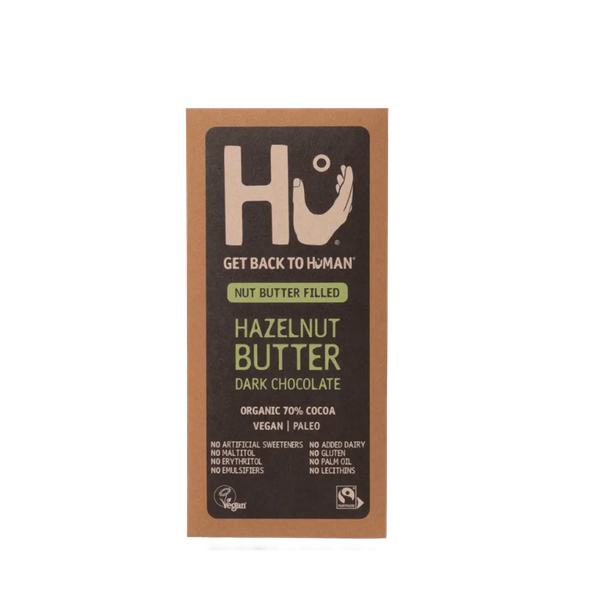
Dark chocolate: Dark chocolate is very much allowed in our house – I just choose it carefully. Brands like HU and Cosmic Dealer are favourites.
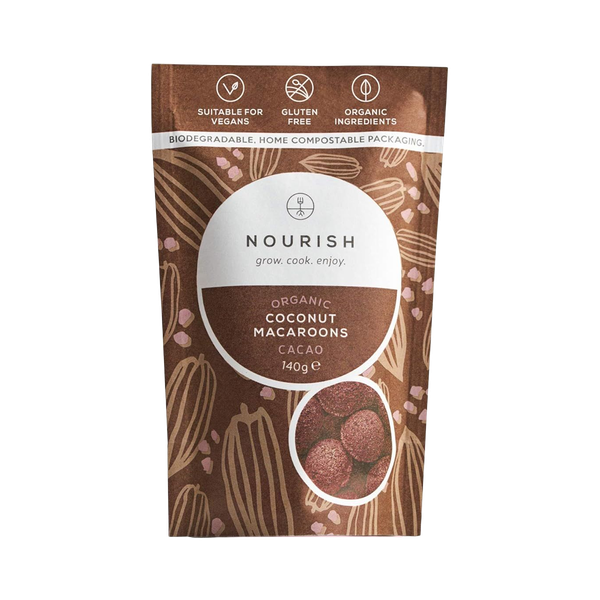
Coconut macaroons: For something sweet, I like Nourish Organic coconut macaroons. They’re naturally higher in fats and fibre than many biscuits, which helps with satiety – an important consideration for teens who are constantly hungry.
Indi Gut Bar: A functional snack I’m happy to keep stocked. This provides fibre and gut-supportive ingredients – something many teenagers fall short on. Fibre is one of the first things I look for when choosing packaged sacks.
Olives: I really rate the liquid-free olive packs from I Love Snacks – they’re easy to eat on the go and excellent for stabilising blood sugar in-between meals.
Visit FARZANAHNASSER.COM
SHOP THE EXPERTS' PICKS

Or continue to comment as a Guest below
DISCLAIMER: We endeavour to always credit the correct original source of every image we use. If you think a credit may be incorrect, please contact us at info@sheerluxe.com.
All products on this page have been selected by our editorial team, however we may make commission on some products.
/https%3A%2F%2Fsheerluxe.com%2Fsites%2Fsheerluxe%2Ffiles%2Fwebsite-images%2F2025%2F04%2Fnew-parenting-background-image.jpg)