5 Foodie Cities With Something For Everyone
Tokyo
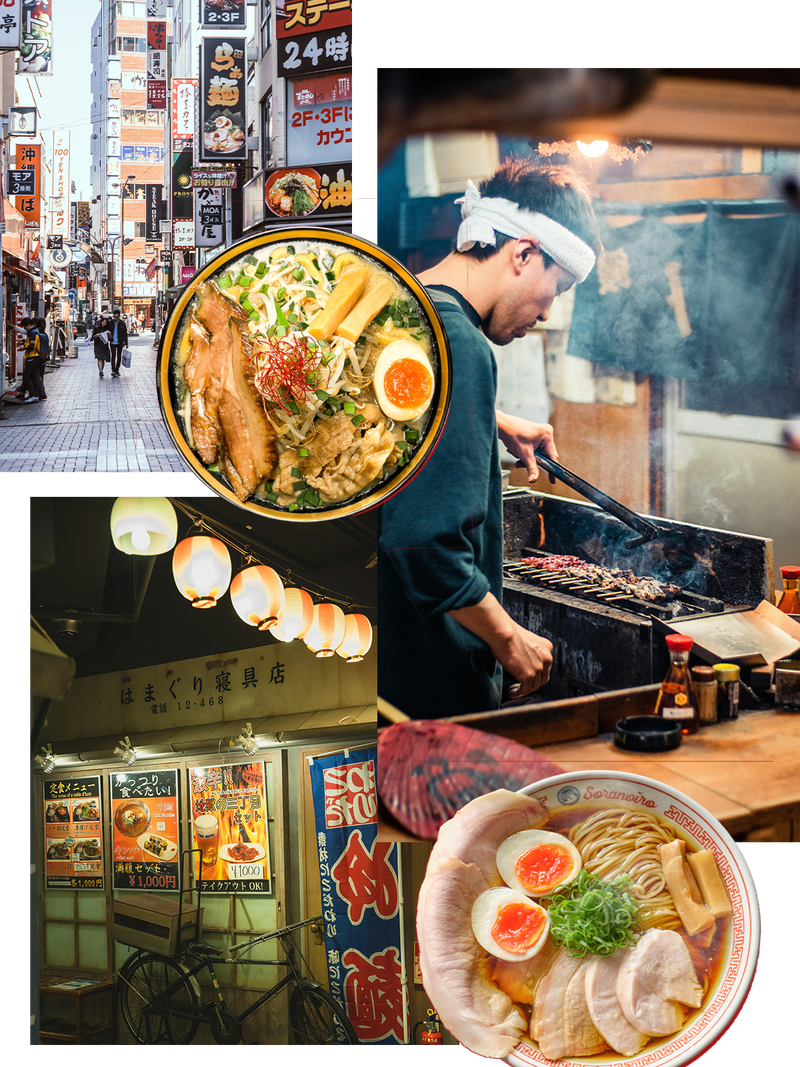
This is the city that holds more Michelin stars than any other yet some of its most celebrated meals cost less than a taxi fare. It’s a place where 230-year-old soba shops share street corners with avant-garde French restaurants. What unites the Tokyo food scene is care – whether a chef is turning out a tasting menu or a bowl of ramen, the attention to craft is uncompromising.
Starting at the top, Sézanne on the seventh floor of the Four Seasons Hotel Marunouchi holds three Michelin stars for Daniel Calvert's vibrant contemporary French cuisine. The open kitchen puts his technique on full display. Close by in Aoyama, two-starred Narisawa sees Yoshihiro Narisawa champion a new kind of ‘satoyama cuisine' built on local ingredients and traditional craftwork. Over in Azabudai Hills, Florilège has earned two stars and a Michelin Green Star for chef Hiroyasu Kawate's vegetable-forward menus served around a 13m communal table.
In Shibuya, Den offers kaiseki haute cuisine with a playful twist – look for carrots with smiley faces and chef Zaiyu Hasegawa’s signature 'Dentucky Fried Chicken' stuffed with seasonal ingredients. Sazenka in Minami-Azabu stands out as the first Chinese restaurant in Tokyo to earn three Michelin stars. Chef Tomoya Kawada's soup pheasant wonton soup – prepared over three days – exemplifies the precision at work here.
For something more modest, Sarashina Horii has been serving soba in Azabu-juban since 1789. Its sarashina noodles are made from only the centre of the buckwheat grain, creating a uniquely delicate product. SAVOY, opened in 1995, is all about authentic Neapolitan pizza fired in a 500ºC wood oven. In lively Daikanyama, Pizzeria Carlino's turns out chewy, naturally leavened pizzas, while Tatemichiya is a punk-rock izakaya where owner Yoshiyuki Okada serves traditional Japanese dishes against a curated soundtrack.
Botan in Kanda has perfected chicken sukiyaki cooked over binchotan charcoal. Down at Tokyo Station, Tokyo Ramen Street in the basement of the station building gathers some of the city's best ramen shops under one roof – Rokurinsha's thick tsukemen dipping noodles draw perpetual queues, while Soranoiro earned a Michelin listing for its shoyu ramen made with Amakusa Daio chicken.
Mexico City
Mexico’s capital moves to the centre of the global stage in June when it hosts the opening match of this year’s World Cup. The footballing fireworks might catch the eye come summer, but there are deeper reasons to visit the city they now call CDMX in 2026. The food scene here has been simmering for a long time – for at least as long as the ‘mole madre’ at two-starred Pujol, where chef Enrique Olvera has been remixing it every couple of days for well over a decade now. The flavours of his most famous dish run deep, yet change with the seasons – a perfect encapsulation of the wider menu at this institution in the upscale Polanco neighbourhood. Over in chic Condesa, Olvera has a tortilleria (Molino ‘El Pujol’) that turns out elevated tacos and tamales.
Olvera’s reverence for classic local ingredients and dishes is shared by Jorge Vallejo. The chef behind two-starred Quintonil does incredibly refined things with heirloom veggies, native herbs and even flying chicatana ants that first appeared on plates thousands of years ago. His tasting menus, guided by whatever’s freshest from the farms close to the city, are unlike any others.
For some less formal fun, Contramar in Roma Norte is where locals go to celebrate. Gabriela Cámara has been running this breezy seafood spot for almost 30 years, in which time she has honed the perfect tuna tostada and drawn a crowd of imitators with her grilled fish with red and green salsas painted down either side. Still in Roma Norte, Rosetta occupies a gorgeous mansion where Elena Reygadas (officially the World’s Best Female Chef a couple of years ago) applies Italian techniques to Mexican produce. Cabbage tacos with pistachio purée and native romeritos are a worthy signature.
A couple of blocks to the south, Máximo Bistrot earned its Michelin star in 2025 after years as a neighbourhood favourite – its French-inflected Mexican cooking comes with serious farm-to-table credentials. At nearby Em, Lucho Martínez uses Japanese levels of precision to create unique and contemporary tasting menus at his rooftop restaurant. In Condesa, Esquina Común is a more casual rooftop spot that doesn’t just trade on its location: chef Ana Dolores González often builds her seasonal menus around a well-chosen fish of the day.
El Califa de León is the world's only Michelin-starred taqueria – a standing-room-only spot in San Rafael where the Gaonera (thinly sliced beef, salt, lime, handmade tortilla) is worth queueing for. Nearby, Siembra Taquería does exceptional plant-based tacos without preaching, while locals will send you to Marlindo for seafood tostadas. For traditional carnitas, Choza is a Condesa institution, while Tamales Madre is a place to target for tamales. Taquería Orinoco has nine outlets across the city and remains beloved for its tacos al pastor, while El Turix (in Roma) and Taqueria Los Cocuyos (right in the historic centre) are one-offs worth travelling for.
/https%3A%2F%2Fsheerluxe.com%2Fsites%2Fsheerluxe%2Ffiles%2Farticles%2F2026%2F01%2Ffoddie-citieslandscapemexico.png)
San Sebastian
Michelin stars light up San Sebastian and the surrounding Basque countryside like nowhere else in the world. Amid these luminaries, there are the city’s much-loved pintxos bars, more modest places where everyday life is elevated by a ‘do one thing well’ culture that has been passed down generations.
Three restaurants in and around San Sebastian command a full set of three stars. Arzak, where Juan Mari and Elena Arzak have pioneered a ‘new Basque cuisine’ from a building his grandparents opened in 1897. Martín Berasategui is the flagship of a chef who holds around a dozen stars across multiple projects. Pedro Subijana's Akelarre sits on Mount Igueldo, looking out to the Bay of Biscay. It’s a hotel too.
To the south of the city, Andoni Luis Aduriz reinvents the menu at Mugaritz each season, asking big questions about what food can be as he goes. Paulo Airaudo takes a more classical approach at Amelia, but the results – often involving the finest local seafood – are no less impressive.
An hour south-west of San Sebastian, at Asador Etxebarri, Bittor Arguinzoniz cooks over custom-built grills, using different woods for different dishes. In the same village, Txispa holds one star for Japanese chef Tetsuro Maeda's fusion of technique with Basque grilling. Nearby Elkano is another temple of wood-fired cooking, hailed especially for its whole turbot.
The pintxo bars – where real life happens in San Sebastian – matter just as much. Approaching its centenary year, La Espiga draws a crowd for its delicia: anchovy, egg and onion vinaigrette with Worcestershire sauce. The star attraction at Pinchos Bergara in Gros is its txalupa – a sort of mushroom and prawn gratin. Bar Sport is known for grilled foie gras. At Bar Nestor, they make two tortillas a day – one at 1pm, one at 8pm. This is tortilla from the gods – get there an hour in advance to put your name down for a slice. The kitchen also turns out a renowned txuleta steak with tomato salad and padrón peppers. If you can’t get a slice at Nestor, Antonio Bar in Centro makes a 28-egg tortilla with caramelised onions that some say is even better. Bar Txepetxa specialises in anchovies on toast with an array of toppings. Bar Martínez, family run since the 1940s, is famous for piquillo peppers stuffed with tuna. Head to Paco Bueno for the battered prawns, Juantxo Taberna for omelette, and Txofre for Russian salad. If you work like a local, you should be able to get round most of these in a night.
/https%3A%2F%2Fsheerluxe.com%2Fsites%2Fsheerluxe%2Ffiles%2Farticles%2F2026%2F01%2Ffoddie-citieslandscapesan-sebastian.png)
Cape Town
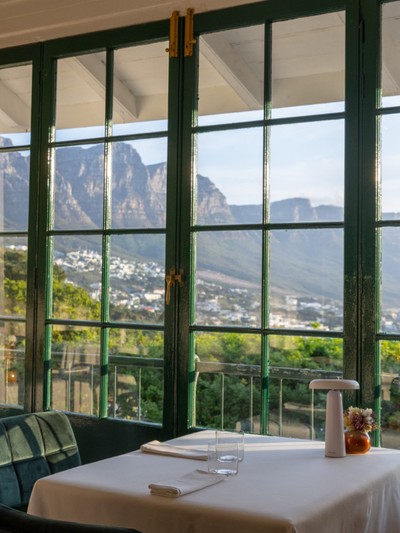
At the meeting point of two oceans, with a Mediterranean climate and the winelands on its doorstep, Cape Town has some beautiful natural advantages that local chefs are making the most of.
Celebrating its 30th anniversary in 2026, La Colombe is one of the restaurants that set Cape Town on the way to becoming one of the world’s great foodie destinations. At the western edge of the city, on the Silvermist wine estate beneath Table Mountain, you’ll find exec chef James Gaag using French techniques to showcase great local produce like Karoo lamb. Pier, a sister restaurant on the V&A Waterfront, focuses its own multi-course menus on the seafood of the Cape coast.
Salsify at The Roundhouse is a magnificent reward close to the end of the spectacular Lion’s Head Trail. In an airy 18th-century guardhouse, Ryan Cole creates a ten-course chef’s menu that will take your mind off the widescreen Atlantic views – you won’t find heritage chicken with samp, buchu and spekboom anywhere else. Ryan too now has a sister establishment on the V&A Waterfront.
An hour's drive north, above a cave in the fishing village of Paternoster, Wolfgat is one of the most distinctive restaurants in South Africa. Chef Kobus van der Merwe forages daily for wild herbs, seaweeds and succulents, turning them into a 'Strandveld' tasting menu created around whatever the local fishermen bring in.
Back in the city, you’ll find FYN on the fifth floor of an old silk factory. Its Experience menu is an opportunity to try ‘African Game’ like springbok and ostrich or bounty from the ‘Deep Ocean’ like squid, ink and kingklip. At Salon, close to the V&A Waterfront, the focus is on wood-fire cooking and natural wines. A few blocks further back, Ouzeri does refined Greek-inspired food, while Table Seven on the other side of the Woodstock neighbourhood offers an outstanding, pared-back, ingredients-first tasting menu.
As if to prove our point that Cape Town is a place with something for everyone, the team behind high-end FYN also run a laid-back noodle joint, Ramenhead, from the same building. The ambience out front is casual, but the craft in the kitchen is not – tonkotsu broths are nurtured for days, while noodles are made fresh on site.
On Thursdays and Fridays, food market Bluebird Garage takes over an old postal plane hangar in Muizenberg, where you can find anything from Thai curries to Ethiopian dishes made with skill and care. Global flavours are also to the fore at Tomson on Bree Street, where chef Andrew Kai deals in punchy Cantonese street food like wontons in chilli broth. He Sheng is another authentic Chinese place, while Arthur's Mini Super is a Sea Point deli doing some of the best toasties in town.
/https%3A%2F%2Fsheerluxe.com%2Fsites%2Fsheerluxe%2Ffiles%2Farticles%2F2026%2F01%2Ffoddie-citieslandscapecape-town.png)
Istanbul
From loaded flatbreads like lahmacun and pide to classic köfte and doner kebabs, Istanbul has one of the great street-food cultures. Recently, though, its top-end dining scene has been catching eyes. TURK Fatih Tutak is the city’s first two Michelin-starred restaurant. Chef Fatih trained in Copenhagen and Tokyo before returning home to create remarkable 12-course menus that reimagine classic dishes and local ingredients.
Close to the blue waters of the Golden Horn, big windows and an outdoor terrace help Neolokal make the most of its location in a 19th-century bank that has become a contemporary art destination. In its kitchen, chef Maksut Aşkar also builds ‘a bridge between old and new’, using modern techniques to revivify heritage ingredients and forgotten dishes.
Staying in historic Galata, on the 18th floor of the Marmara Pera hotel, Mikla has fine city views of its own and a similar dedication to redefining Turkish cuisine, offering a vegan tasting menu alongside one built around the likes of red wine and raki marinated tenderloin, cauliflower and pickled okra.
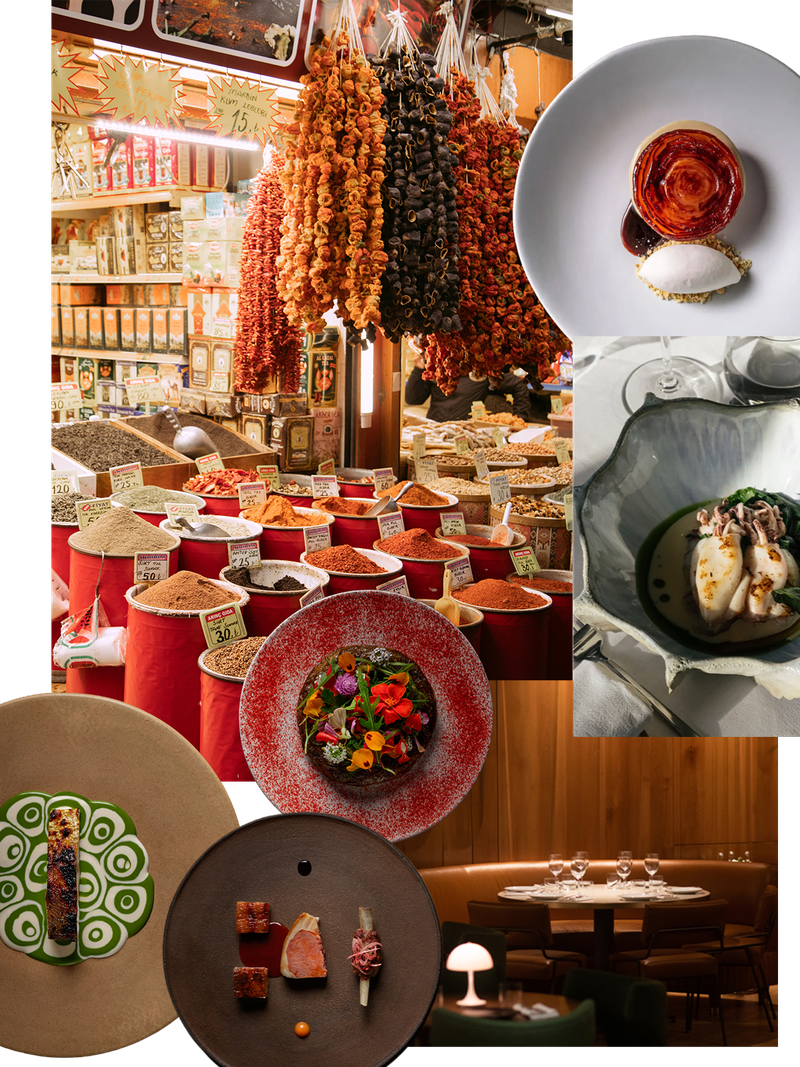
A few miles to the north, still close to the Bosphorus, Zeynep Pınar Taşdemir offers vegetable-forward seasonal menus served in Araka’s small dining room with a garden terrace. Heading back into town, Arkestra occupies a 1960s villa where chef Cenk Debensason blends French technique with Asian flavours. Before dinner, head upstairs to the audiophile Listening Room for a craft aperitif.
The street food in Istanbul is what it's always been. Durumzade in Beyoğlu – a favourite of Anthony Bourdain’s – continues to wrap its charcoal-grilled meats in crisp lavash breads with zingy accompaniments. Yalla is the place to try for vegetarian falafel. Bookmark Tatbak for lahmacun. You can also find century-old köfte specialists and places that treat the doner with a reverence not always given to it elsewhere. For fish wraps, it has to be Mario the Fisherman, and Balıkca is a great spot for fresh seafood. For something sweet, Karaköy Güllüoğlu is the city’s OG baklava shop, hand-rolling its pistachio-filled treats since 1949.
Or continue to comment as a Guest below
DISCLAIMER: We endeavour to always credit the correct original source of every image we use. If you think a credit may be incorrect, please contact us at info@sheerluxe.com.
/https%3A%2F%2Fsheerluxe.com%2Fsites%2Fsheerluxe%2Ffiles%2Fwebsite-images%2F2025%2F03%2Fsign-up-pop-up.jpg)