How To Get This Important Design Detail Just Right
Where do you start?
We always start by considering the practical elements of the space to determine whether curtains or blinds will fit best. Is it a high traffic area or somewhere that might get messy such as a kitchen or playroom? Are you looking to create an enveloping cosy space to relax in, like a snug or bedroom? Quite often, customers send us photos of their rooms so we can help them work out what’s best.
How do you decide between different curtain headings?
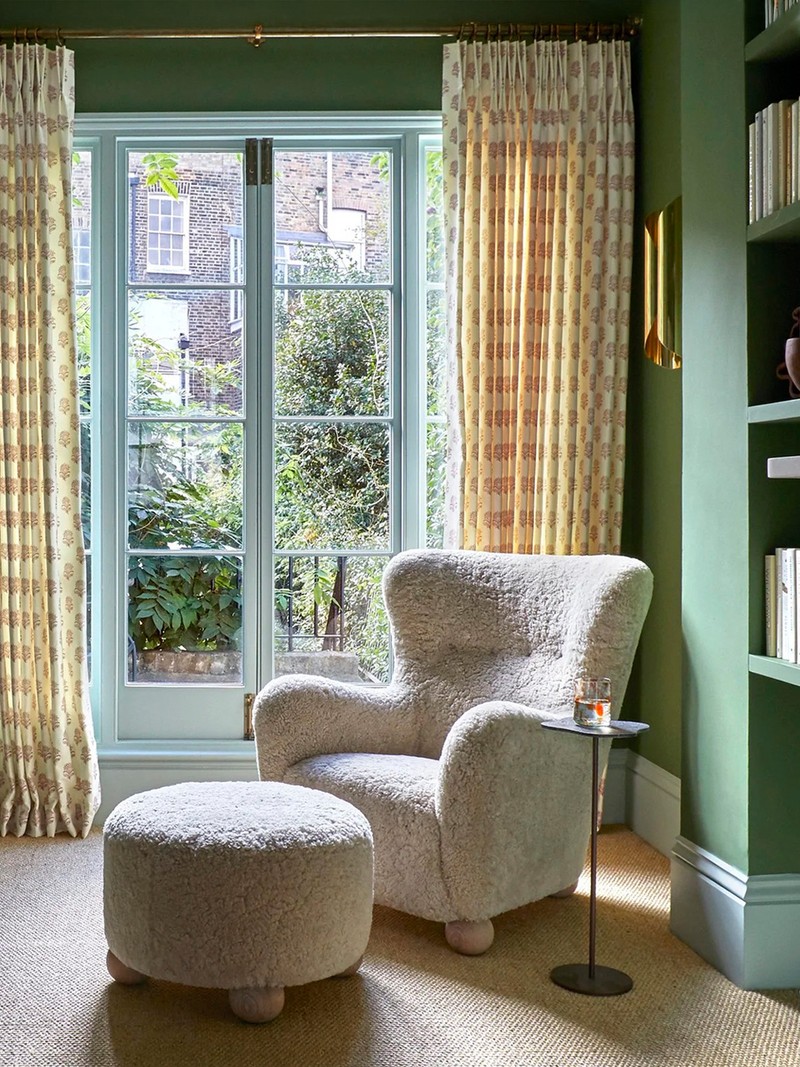
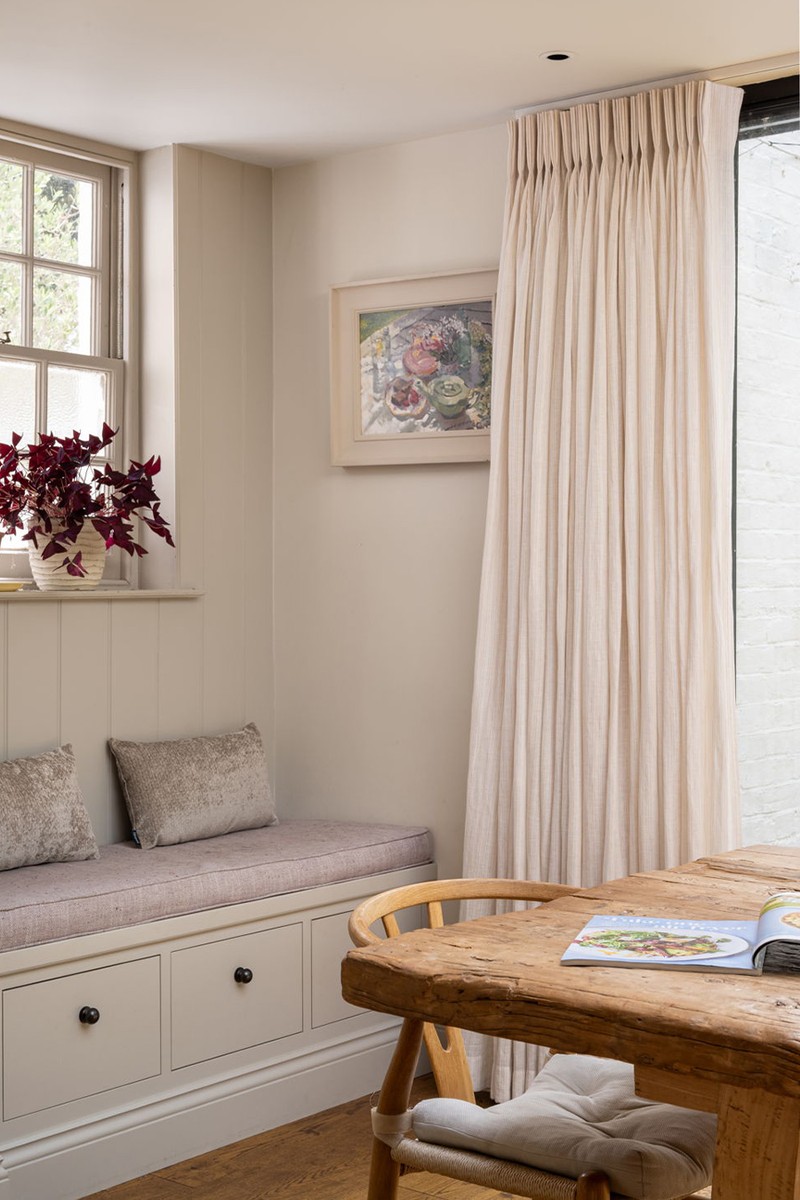
The style of your curtain will determine its overall impact and also how neatly it hangs in place. Pleated designs give you a reliable and organised finish – great when you have limited space or prefer a neat aesthetic. Meanwhile, gathered styles have a softer, more artistic feel to them – excellent when you have plenty of room and want something with impact. A lot of curtain heading designs are quite intricate and detailed, however, if you want a more contemporary finish, then there are options that can help you achieve a simpler, column-like effect.
What about the fabric – how do you make the right choice for the space?
Choosing a fabric can feel very daunting and it can be really hard to know what to pick. The secret to making any fabric look good is the structure behind the fabric – the linings and methods used have a massive effect on how your curtains end up looking. An affordable fabric can look incredible if the curtains are made well and equally, a very expensive fabric can look lacklustre if the craftsmanship is lacking. Look at the practicalities of the space and the existing scheme. For example, natural linens will deliver a very soft, muted effect, whereas velvets have a high level of pigmentation to deliver a punchier result.
So how do you know whether a curtain needs standard lining, blackout or thermal lining?
All curtains and blinds should be blackout lined and interlined (apart from sheers). This is because the structure makes an enormous difference to how your curtains look and feel. The latter is often ignored but when you think about it, the feel matters because you touch them every day. Blackout lining creates a stable framework that stops the fabric moving around excessively, while interlining adds a thermal blanketing layer, making them feel thick, sumptuous and generous. The interlining also keeps your rooms warm in winter and cool in the summer. The trade-off is that your curtains and blinds are fuller, so they take up more space – but they will last for decades.
In which situations would you recommend combining a blind with a curtain?
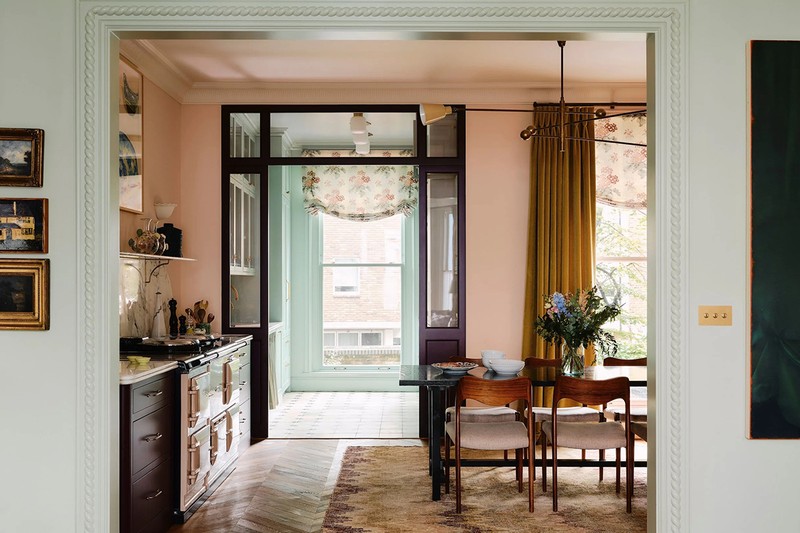
A double window treatment is mainly an aesthetic consideration. It can work well to have a sheer or voile blind for privacy and then curtains as your main window dressing. This also works in reverse, such as with café curtains combined with a Roman blind. As a general rule, three-quarters of the light in your room comes through the top quarter of your window, so while curtains and blinds can look good together, it’s important not to cut out too much of it.
What’s the best way to layer them together so they look and function well?
Make sure your blind and curtain don’t interfere or rub against each other to keep them functioning well. Containing the first layer within the window frame will make a huge difference – blinds and café curtains can easily be installed within the recess.
/https%3A%2F%2Fsheerluxe.com%2Fsites%2Fsheerluxe%2Ffiles%2Farticles%2F2025%2F10%2Ffb.jpg)
Any advice for working with a challenging window shape?
Oftentimes, the most difficult window can be resolved with the right hardware. Bay windows can feel intimidating but they are present in more than half the homes in the UK. Off-the-shelf hardware isn’t generally up to the challenge but with a few extra measurements, you can create the perfect pole or track for your specific dimensions. Once the dimensions and hardware have been nailed down, you have unlimited choice when it comes to curtain styles and fabrics.
What’s your view on hardware or tracks?
The hardware is absolutely crucial to a successful outcome. Even the most beautifully-made curtains can be undone by a substandard pole. Curtain poles will add another decorative element to your space and work across spans of up to 250cm. However, because curtain poles only come with three brackets or fixings, beyond 250cm, one really needs the support of a track that can even the weight out over multiple brackets. It creates a lovely weightless movement and is only 2.5cm deep, making it virtually unnoticeable. Flush ceiling recess tracks will give you a true floor-to-ceiling effect but you’ll still see the channel of the track running the length of the ceiling. That means, that for the complexity and cost, you don’t benefit hugely beyond a simple fixed track.
What are the main differences in contemporary versus traditional spaces?
For a more contemporary finish, I would always recommend a simple linear style of curtain, such as our wave design Portcawl, or our cartridge heading Lazy Sunday, along with a slim profile track system. A soft neutral linen would give things a soft finish but if you prefer a more structured effect, then cotton achieves that pin-perfect look. For a more classic style, I would recommend the triple or French pleat design (His Nibs), or for a country feel, the cottage heading (Mrs Twitchit) on an ornate wooden pole. A sumptuous velvet or bouclé would finish everything off.
Finally, what are the common mistakes people make?
Most curtain brands focus entirely on the fabric you choose and then construct the curtains in a quick and cheap manner, resulting in something that looks tired and out of place within a year or two. My advice would be to focus on the construction of your curtains. Handmade curtains using traditional manufacturing techniques and high-quality linings create the structure, shape and support you need to ensure your window dressings look good for decades to come.
Visit PLEAT.CO.UK
Or continue to comment as a Guest below
DISCLAIMER: We endeavour to always credit the correct original source of every image we use. If you think a credit may be incorrect, please contact us at info@sheerluxe.com.
/https%3A%2F%2Fsheerluxe.com%2Fsites%2Fsheerluxe%2Ffiles%2Fwebsite-images%2F2025%2F03%2Fsign-up-pop-up.jpg)