The Eco Upgrade Design-Led Homeowners Are Loving
Created in partnership with Department of Energy Security
The New Must-Have For Design-Conscious Homes
Heat pumps are gaining traction among architects and renovators for good reason. They’re three times more energy efficient than traditional gas boilers, can cut household carbon emissions by around 70% and maintain a steady, comfortable temperature rather than fluctuating bursts of heat. They also work well even in sub-zero conditions, making them suitable for UK winters. Because they run on electricity rather than fossil fuels, they’ll also continue getting greener as the national grid decarbonises. Pair one with a smart tariff and a smart meter, and households could save roughly £100 per year versus gas heating, plus you're future-proofing your home with clean energy.
/https%3A%2F%2Fsheerluxe.com%2Fsites%2Fsheerluxe%2Ffiles%2Farticles%2F2026%2F03%2Fdepartment-of-energy-landscape-new1.jpg)
Case Study:
An Impressive Approach To Low-Impact Luxury
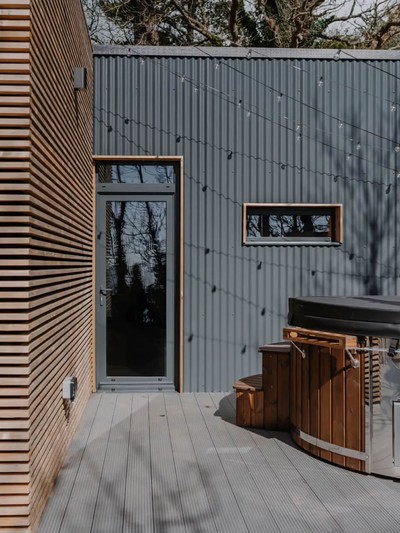
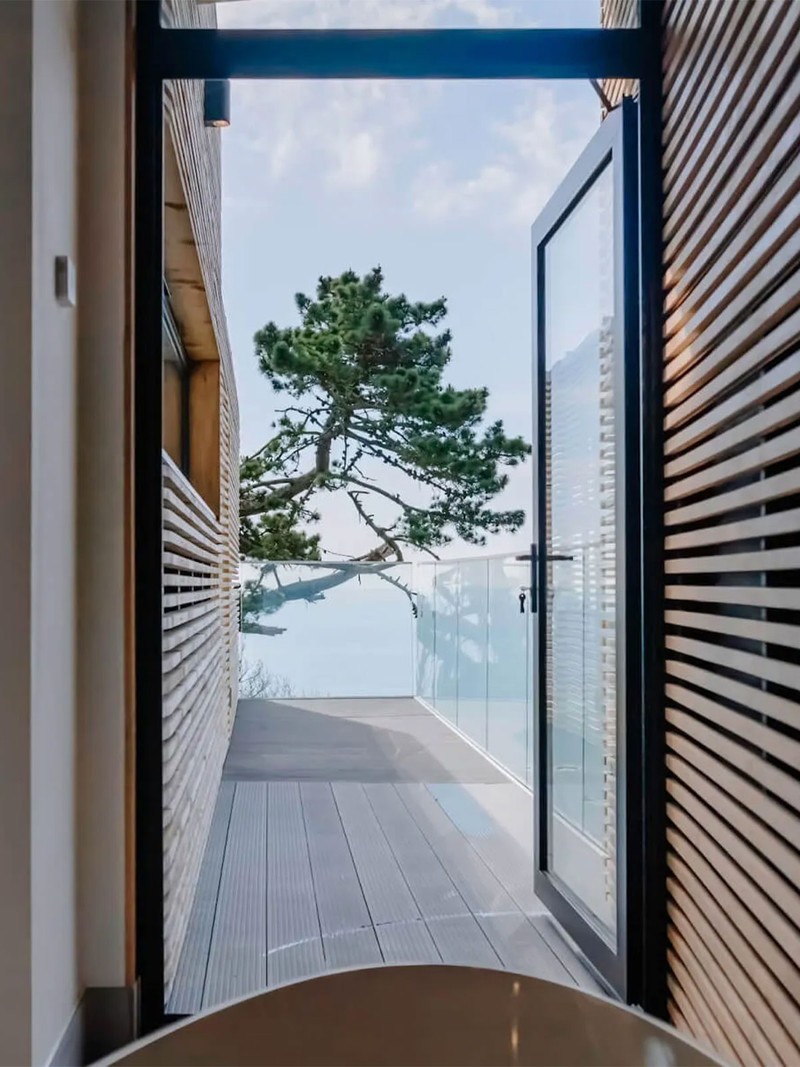
Few places embody this new luxury-meets-sustainability mindset better than coastal retreat Rooks & Cove. Perched discreetly on the Devon coastline, the architect-designed hideaway blends high-end aesthetics with serious environmental credentials – and at its core is a heat pump system quietly redefining luxury comfort. To understand more, we spoke to the owners about building a sustainable property without compromising on design, comfort or guest experience.
“We have a heat pump, recommended to us by Total Renewables who supplied it,” says homeowner Ross Travill. “We went with their recommendations as all the brands seemed to be very similar in looks and efficiency. As this provides all the heating and hot water, it was essential to get a reliable and cost-effective system. The fact that it is three times more energy efficient than a traditional gas boiler is amazing.
“Being timber framed and timber clad – the cladding coming from local woodlands – I think it is easier to be more sustainable. The main issue came with the foundations and being able to anchor the buildings into the rocky coastal ground. Concrete piles were used for both properties, however, the amount of concrete used is still considerably less than conventional strip footings.
“While we don’t have any specific environmental certification, our aim was to build very energy efficient buildings by simply insulating well and using sympathetic materials. The heat pump was a big factor in us winning the Devon Building Control award for excellence which is testament to our sustainability goals as well as the overall aesthetic.
“It would be great to add solar PV panels to lessen our electrical demand from the grid, however, the shade from large trees on the site does make this less viable. We’re currently talking to installers to see if there is a solution. If we don’t install panels then we’d like to incorporate a green roof on to Rooks, which would lend itself well to this, adding further scope to create a varied, low maintenance habitat for wildlife, insects and native plants.”
/https%3A%2F%2Fsheerluxe.com%2Fsites%2Fsheerluxe%2Ffiles%2Farticles%2F2026%2F03%2F6449397154e757ca89f1e4aeroosknest-luxury-devon-coastal-holiday-4.png)
Why The Boiler Upgrade Scheme Matters
It is part of the government’s mission to make the UK a clean energy superpower and to accelerate adoption, the UK government currently offers homeowners a £7,500 grant through the Boiler Upgrade Scheme. Crucially, it’s not means-tested and is available to most property owners in England and Wales.
The heat pump at the Rooks & Cove epitomises how a heat pump is no longer seen as niche eco-tech, but as a premium home upgrade that delivers comfort, pride and long-term value – particularly for renovators and style-focused homeowners.
/https%3A%2F%2Fsheerluxe.com%2Fsites%2Fsheerluxe%2Ffiles%2Farticles%2F2026%2F03%2Fdepartment-of-energy-landscape-newx.jpg)
The Quick Guide To Installing A Heat Pump At Home
Step 1: Check eligibility
Visit the official government guidance page here.
Step 2: Book a survey
An accredited MCS (Microgeneration Certification Scheme) installer assesses insulation, radiators and property size to determine system type. Find one here.
Step 3: Accept grant & quote
Installers apply for the grant on your behalf and deduct it from your total cost.
Step 4: Installation
Most air-source systems take only a few days to install, however ground source heat pumps may take longer due to pipes being laid in the ground.
Step 5: Enjoy low-carbon comfort
Your home is heated using renewable energy from the air or ground outside.
Visit GOV.UK/CLEANENERGY to find out more.
Images by ThreeSixty.

Or continue to comment as a Guest below
DISCLAIMER: We endeavour to always credit the correct original source of every image we use. If you think a credit may be incorrect, please contact us at info@sheerluxe.com.
/https%3A%2F%2Fsheerluxe.com%2Fsites%2Fsheerluxe%2Ffiles%2Fwebsite-images%2F2025%2F03%2Fsign-up-pop-up.jpg)