Everything You Should Know About Exosomes
What Are Exosomes?
“Exosomes are tiny, naturally occurring messengers that cells use to communicate with each other. They are filled with growth factors, proteins and signalling molecules that help the skin repair, regenerate and stay healthy. They’re not cells themselves but they can carry instructions that tell your skin cells how to behave – for example, boosting collagen production or reducing inflammation.” – Dr Nina Bal, cosmetic dental surgeon & advanced facial aesthetics clinician
Where Do They Come From?
“Exosomes are derived from many sources ranging from human cell cultures (in some, rare regions of the world) to animal and plant sources as well. Cells release exosomes, which are then collected, purified and prepared for use in skincare, beauty or aesthetic treatments. The process is strictly controlled to ensure safety, consistency and potency. It is important to understand there are very strict guidelines regarding their use. In the UK you can only inject non-human or animal-derived exosomes.” – Dr Nina
How Do Exosomes Work?
“Exosomes work by delivering growth factors and signalling molecules directly to your skin cells. Once they reach their target, they “communicate” with the cells, encouraging repair, regeneration and collagen production. The result is healthier, more resilient skin with improved texture, tone and radiance.” – Dr Nina
How Do Exosomes Differ From Existing Skincare Ingredients Like Retinol?
“Exosomes are a genuinely exciting frontier and new class of ingredients but I wouldn’t put them in the same ‘decades-proven’ bracket as retinoids or hyaluronic acid just yet. Retinoids are the gold standard because of the sheer weight of body of clinical evidence. Exosomes have the potential to be a game-changer because they’re about cell-to-cell communication, which is a very different mechanism. The ingredient needs to gather more high-quality, long-term human data before we call it a ‘retinoid-level’ icon.” – Mark Curry, scientist & co-founder of skincare brand The Inkey List
How Are They Used In Treatments?
“Exosomes are usually administered via professional aesthetic treatments such as microneedling or mesotherapy. These methods help the exosomes penetrate the deeper layers of the skin where they can have the greatest impact.” – Dr Nina
What Results Can You Expect From An Exosome Treatment?
“After a treatment (and over the following weeks) patients often notice smoother, firmer and more radiant skin. Fine lines and dullness can be reduced, while hydration and skin resilience improve. Over time, skin looks healthier, plumper and more youthful. Exosomes help your skin work at its best from the inside out. Consistency is important: a series of sessions spaced a few weeks apart typically produces the most noticeable improvements. Then, at home, incorporating a barrier-supporting skincare routine, such as using hydrating moisturisers, antioxidants, and sun protection, helps maintain results in the long term.” – Dr Nina
Can Exosomes Be Used Topically In Products & Are They Effective?
“Yes but they’re fundamentally different in delivery. Injectables can place bioactive material directly into deeper tissue layers, so the potential intensity and speed of results can be higher. Topical exosomes, on the other hand, have to navigate the skin barrier first, so their impact depends heavily on formulation, skin condition and how the exosomes are stabilised and delivered. The best way to think about it is: injectables are a ‘direct route’ whereas topicals are a ‘smart messaging system’ designed to support the skin from the surface down.
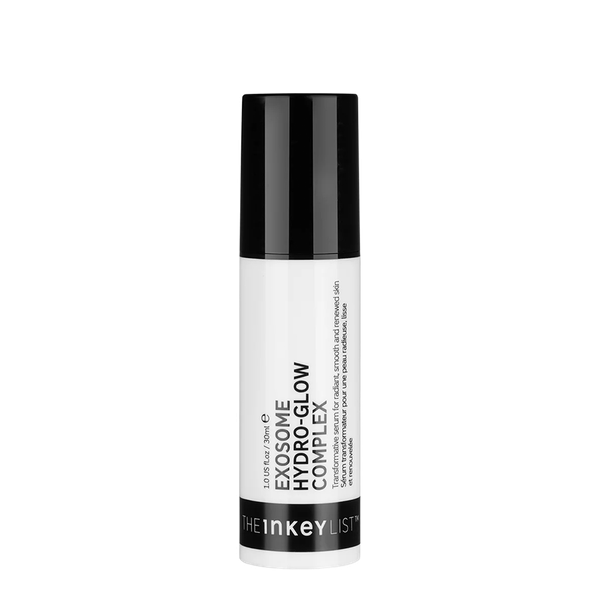
“In our exosome product we use cica plant-derived exosomes because they’re known to enable recovery and visible resilience, supporting the skin’s barrier, calming signs of inflammation and improving overall tone and texture. We chose these specifically because they’re clinically very well validated and they work best in a formula designed to protect and deliver them effectively. The key clinical highlights include the boosting of collagen production by 300%, a reduction in inflammation by 75% and improved hydration for over 12 hours.” – Mark
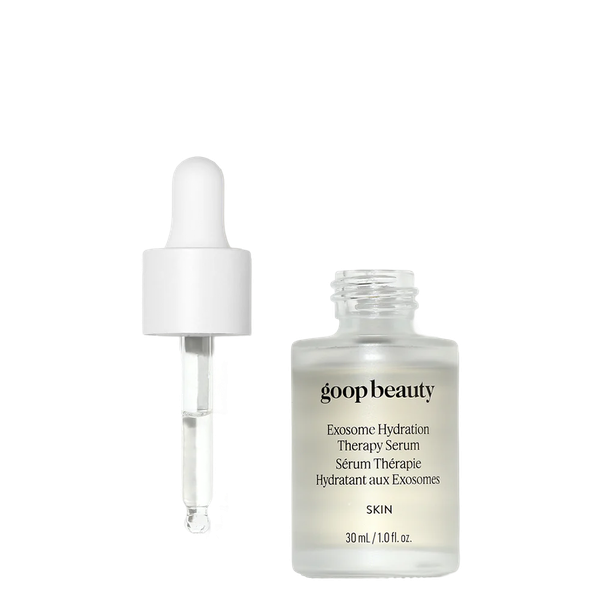
SHOP OUR FAVOURITE PRODUCTS
DISCLAIMER: We endeavour to always credit the correct original source of every image we use. If you think a credit may be incorrect, please contact us at info@sheerluxe.com.
/https%3A%2F%2Fsheerluxe.com%2Fsites%2Fsheerluxe%2Ffiles%2Fwebsite-images%2F2025%2F03%2Fsign-up-pop-up.jpg)