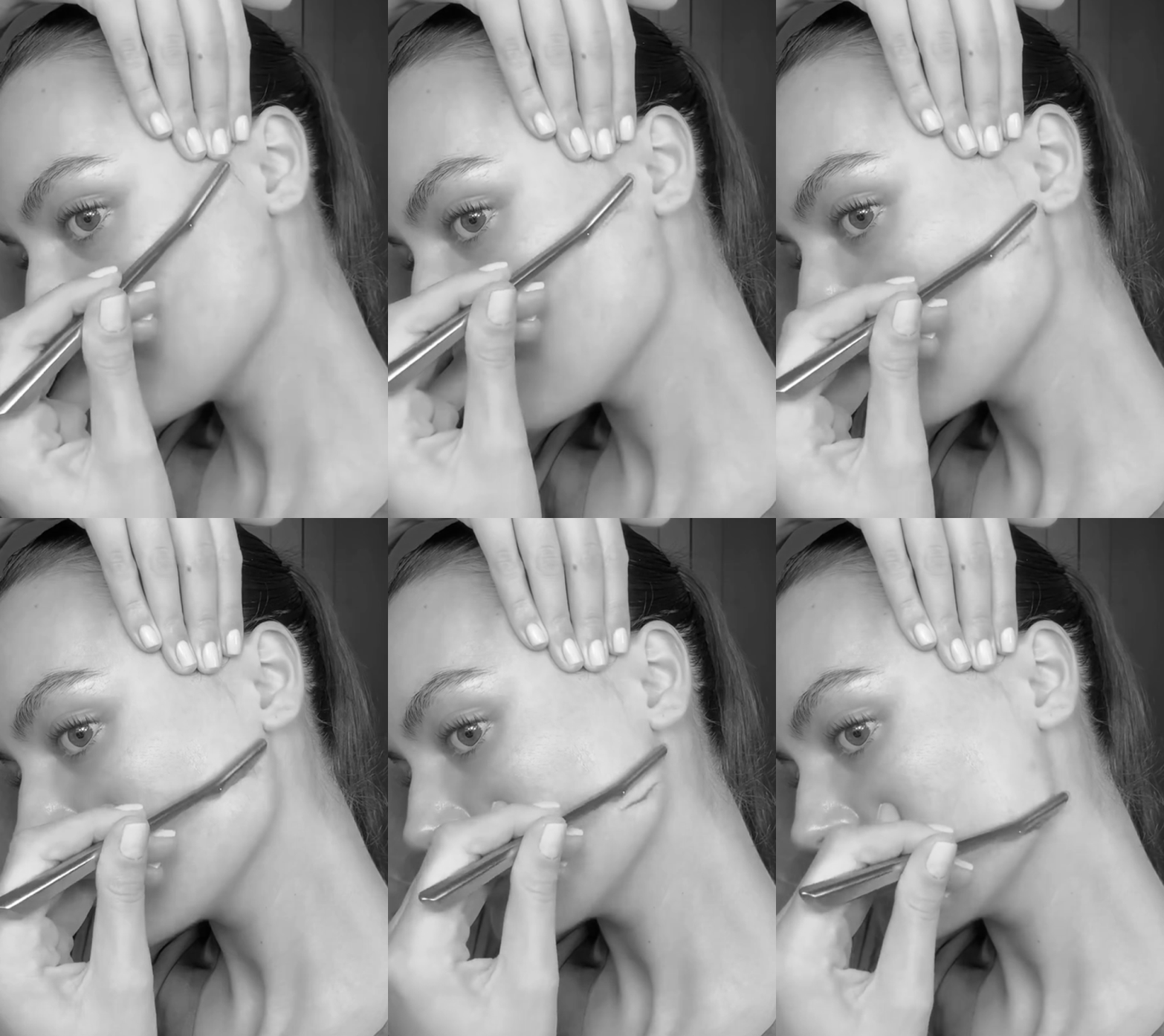
Everything You Need To Know About Dermaplaning
What Is Dermaplaning?
“Dermaplaning is a manual exfoliation treatment where a sterile surgical blade is used to gently remove the outermost layer of dead skin cells and fine vellus hair – known as peach fuzz – from the face. It’s a simple, non-invasive procedure which is typically performed in a clinic by a trained professional. The process involves the practitioner holding the skin taut and using light, feathery strokes to scrape away the dull surface layer, revealing fresher, smoother skin underneath.” – Dr David Jack, aesthetic doctor
What Exactly Does It Involve?
“The skin is cleansed and prepped, before the blade is carefully passed over the surface to skim away old, dead cells and vellus hair that can cause your skin to look dull or uneven. The treatment is quick, comfortable and requires zero downtime. Results are visible immediately, with skin often appearing brighter and more refined. Results typically last around three weeks.” – Dr Ifeoma Ejikeme, skin specialist, consultant physician & medical director & founder of Adonia Medical Clinic
What Are The Benefits Of Dermaplaning?
“Aside from being an efficient form of hair removal, dermaplaning works on the skin’s uppermost layers, helping to instantly refresh and rejuvenate the complexion. It can improve the appearance of dullness and dryness, soften the look of fine lines and support a more even skin tone. Dermaplaning can also reduce the appearance of mild acne scarring and congestion.” – Ifeoma
Who Is A Good Candidate For Dermaplaning?
“Dermaplaning is suitable for most skin types, especially those with dull, dry or uneven texture. People dealing with superficial pigmentation or early signs of aging may also benefit. However, those with active acne or very sensitive skin should approach with caution, as the blade can irritate already-inflamed skin or cause micro-tears.” – David
How Should You Look After Your Skin After A Treatment?
“After treatment, it’s important to allow the skin time to settle. Make-up should ideally be avoided for at least several hours (or up to 24 hours, depending on clinic guidance). A gentle skincare routine is recommended, including a mild cleanser used twice daily, followed by hydrating serums or creams. Daily SPF 30+ is essential, as the skin may be more sensitive to UV exposure post-treatment. Heat treatments, intense exercise and sun exposure should be avoided until any redness has subsided. Using clean make-up brushes and products is also important to prevent irritation or breakouts.” – Ifeoma
Will Dermaplaning Make Facial Hair Grow Back Faster?
“No, dermaplaning does not cause hair to grow back thicker or quicker. The treatment removes vellus hair, which is the fine, soft hair naturally found on the face. Because dermaplaning only removes hair at the surface level and does not affect the follicle, it does not change the rate, thickness or type of hair growth. Hair will grow back exactly as it did before.” – Ifeoma
How Can You Safely Dermablade At Home?
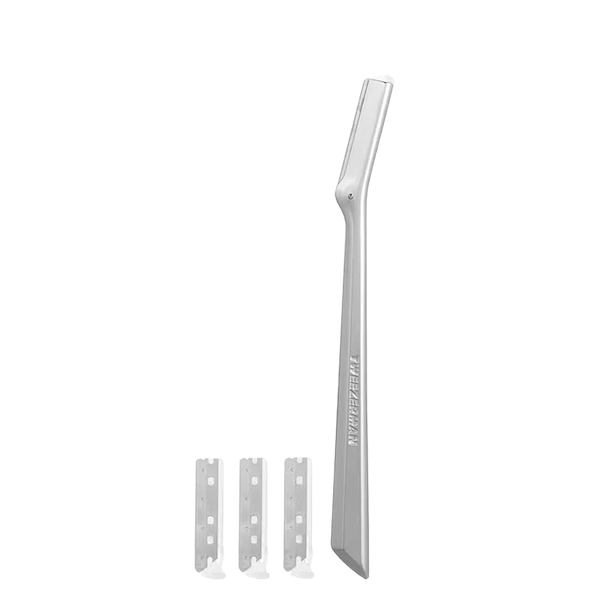
“In-clinic treatments use medical-grade blades and involve a proper technique, which reduces the risk of injury or irritation. If you do choose to try it at home, make sure the blade is sterile, your skin is thoroughly cleansed and you follow up with a hydrating, non-comedogenic product. Always avoid going over any active breakouts and wear SPF diligently afterwards.” – David
WHERE TO BOOK:
SHOP THE PRODUCT EDIT
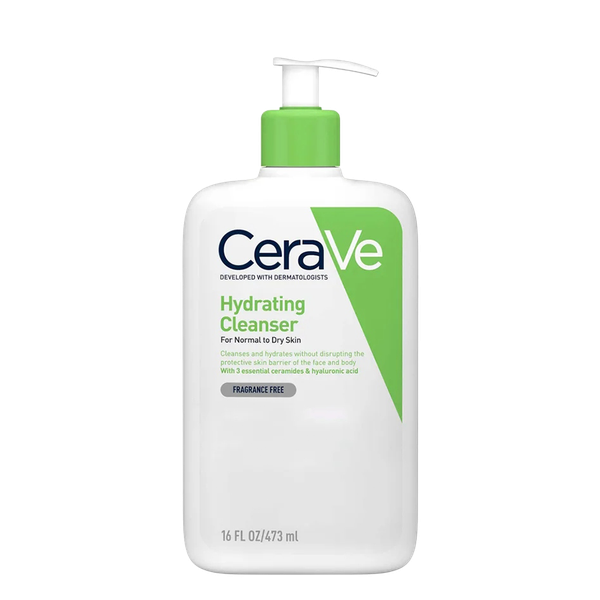
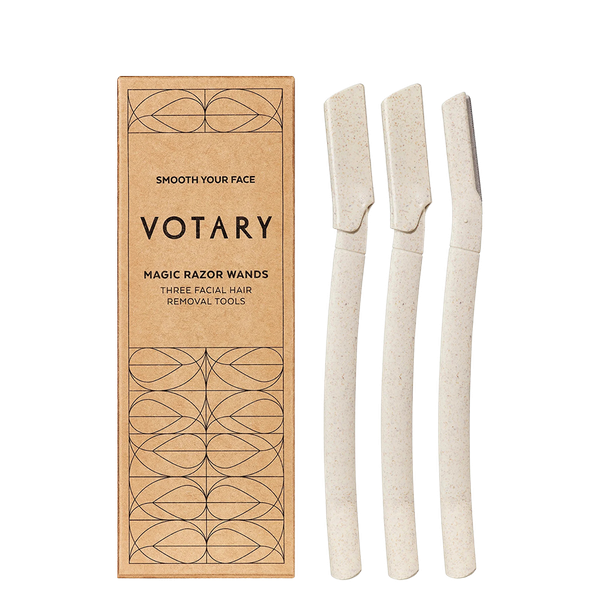
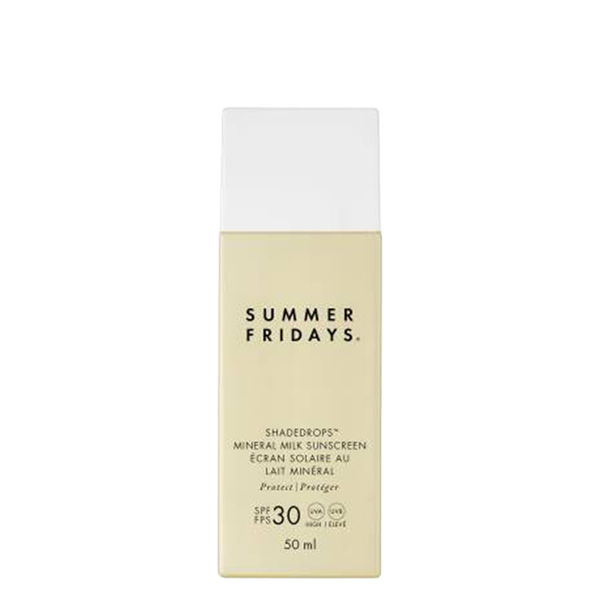
Summer Fridays,
Or continue to comment as a Guest below
DISCLAIMER: We endeavour to always credit the correct original source of every image we use. If you think a credit may be incorrect, please contact us at info@sheerluxe.com.
/https%3A%2F%2Fsheerluxe.com%2Fsites%2Fsheerluxe%2Ffiles%2Fwebsite-images%2F2025%2F03%2Fsign-up-pop-up.jpg)