Everything You Need To Know About The Caribbean’s Best Adventure Islands
When you think of a typical Caribbean getaway, most people dream of reclining on a beach with a book and cocktail in hand. And while that does sound dreamy, my version of a bucket-list trip involves a little more adventure. That’s why St Lucia and Dominica are two of the best islands to visit in the Caribbean – yes, they’re home to beautiful beaches and warm local hospitality, but these neighbouring nations offer so much more. If you like the idea of white-water rafting, hiking through rainforest trails, swimming in emerald pools, canyoning, river tubing, whale watching and more, this could be your perfect trip. I’ve been to Dominica numerous times over the years – and I’ll admit I’m a little biased, as it’s where half my family are from – but I’m always blown away by its natural beauty and impressive sustainability credentials. Pair that with St Lucia’s flawless beaches and vibrant party atmosphere, and you have the best of both worlds.
ST LUCIA
St Lucia is a special island. Ask travel insiders and frequent visitors to the Caribbean and you’ll understand why it tops so many wish lists. It’s part of the Windward Islands – which also include countries like Grenada, Martinique and St Vincent & the Grenadines – and has one of the most interesting landscapes in the Caribbean. Its famous Piton mountains are St Lucia’s most iconic landmark, now recognised as a UNESCO World Heritage Site. In fact, the island’s geography is dominated by mountains, volcanoes and other geothermal activity – think sulphur springs, volcanic beaches and bubbling mud pools.
For a small nation, St Lucia has a well-established tourism industry (accounting for more than 60% of its GDP), so you’ll find some of the Caribbean’s best hotels here. From eco-friendly lodges to five-star resorts, there’s something for everyone, as well as affordable homestays and Airbnbs for a more traditional, local experience.
EXPLORE
I would recommend setting aside at least a week to settle into island life and experience everything on offer. St Lucia is a dream for adventure-seekers – a place where rainforest hikes, volcanic landscapes and turquoise waters come together in one unforgettable trip.
Start with a guided climb up Gros Piton, the taller of the island’s two iconic peaks. The four-hour round hike is best done early in the morning with a local guide – you’ll be rewarded with views over Soufrière Bay and the neighbouring Piton mountains. For something gentler, the Tet Paul Nature Trail is a short, scenic walk through farmland and forest that offers panoramic views of both Pitons and the southern coastline. Keep in mind the tropical climate, so be sure to bring mosquito repellent, sunscreen and plenty of water (I like to bring electrolytes sachets to help with the humidity, too).
You’ll also want to visit the Sulphur Springs near Soufrière – the Caribbean’s only drive-in volcano – where you can soak in mineral-rich mud baths and watch steam rise from the bubbling earth. Nearby, the Diamond Falls Botanical Gardens are also worth a visit for their colourful flowers and cascading waterfall, tinted by volcanic minerals.
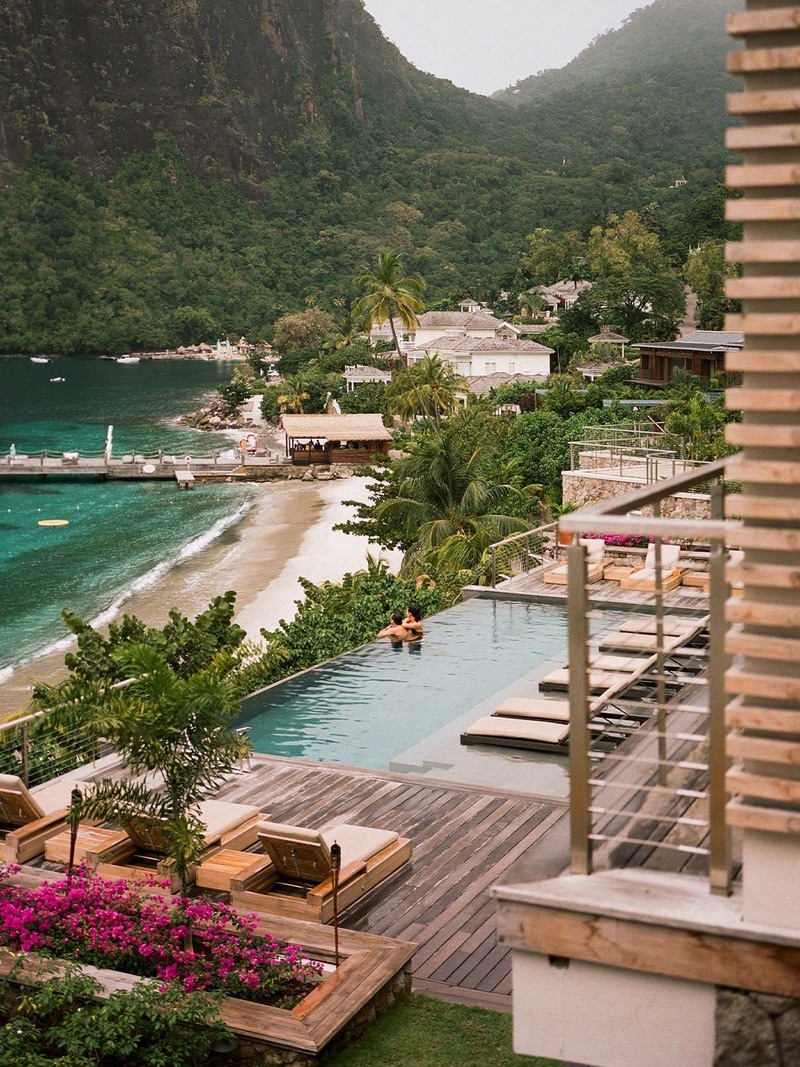
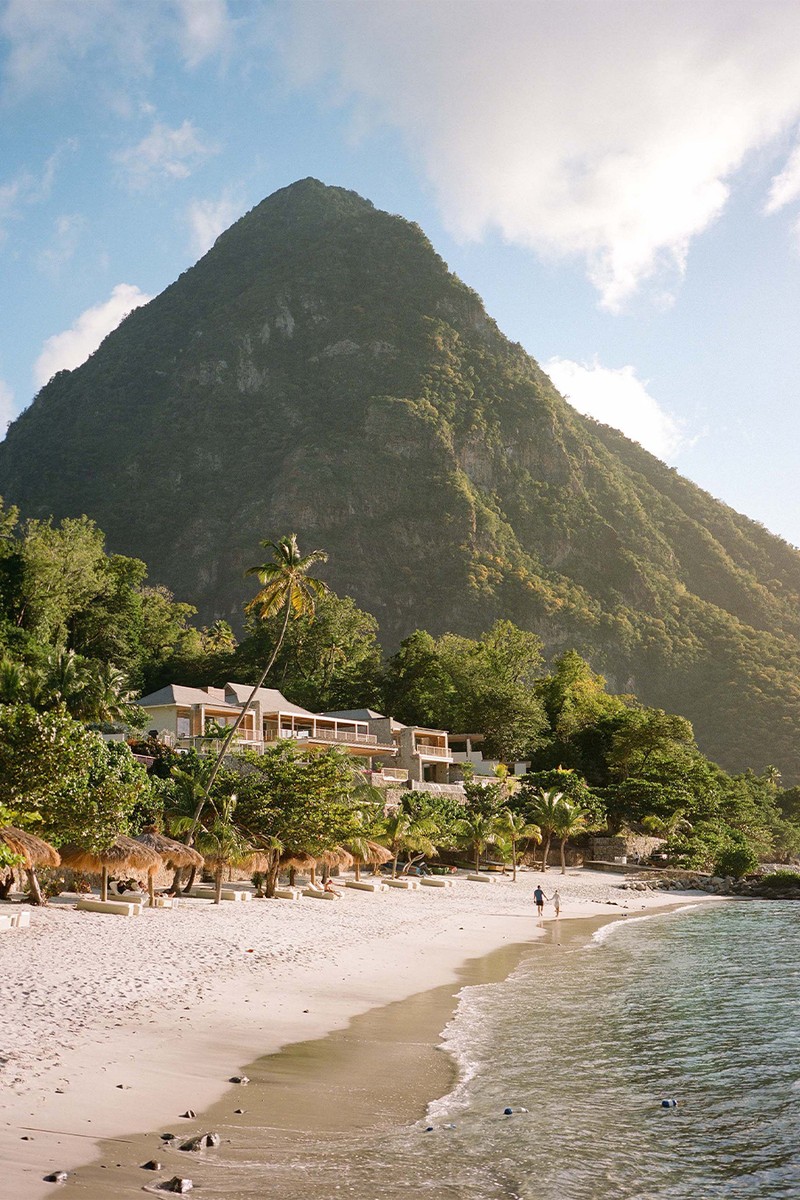
On the water, charter a catamaran from Rodney Bay or Marigot Bay to sail down the west coast. Most of the luxury hotels have in-property concierge and excursion teams who make it easy to book experiences around the island. When it comes to beaches, stop at Anse Chastanet for snorkelling over coral reefs or Sugar Beach for a swim beneath the Pitons. In fact, you can’t go wrong with any of St Lucia’s beaches – nearly all are well maintained with white sand, clear waters and beach shacks selling coconuts, rum punch and more. Kayaking, paddleboarding and scuba diving are also all on offer, with plenty of operators catering to different levels. Inland, zipline through the rainforest canopy at Babonneau or explore the Edmund Forest Reserve – a lesser-known spot for birdwatching and nature walks.
/https%3A%2F%2Fsheerluxe.com%2Fsites%2Fsheerluxe%2Ffiles%2Farticles%2F2025%2F10%2Ffb-corinne-kutz-xvcevpbpeg-unsplash.jpg)
EAT & DRINK
St Lucia’s food scene is a vibrant mix of Creole tradition, seafood and island-grown produce. For a memorable fine-dining experience, book a table at The Cliff at Cap – set above the sea with panoramic views and a menu that champions local ingredients. In Soufrière, Orlando’s offers elevated Caribbean cooking in a relaxed garden setting, while Dasheene at Ladera serves up bold flavours with views of the Pitons.
For something more casual, head to the local markets – Castries is the island’s largest, where you’ll find everything from handmade spice blends to fresh fruit, grilled fish and cassava bread. It’s a great place to try street food and chat with locals about island recipes. And don’t miss the Friday night fish fry in Anse La Raye, where locals and visitors gather for grilled snapper, rum punch and live music. This was one of the absolute highlights of our entire trip – the energy was electric, with music spilling into the streets, locals dancing on the sand, and the scent of grilled fish and jerk chicken filling the air. The street food – from smoky snapper to sweet plantain fritters – was some of the best we had anywhere on the island.
STAY
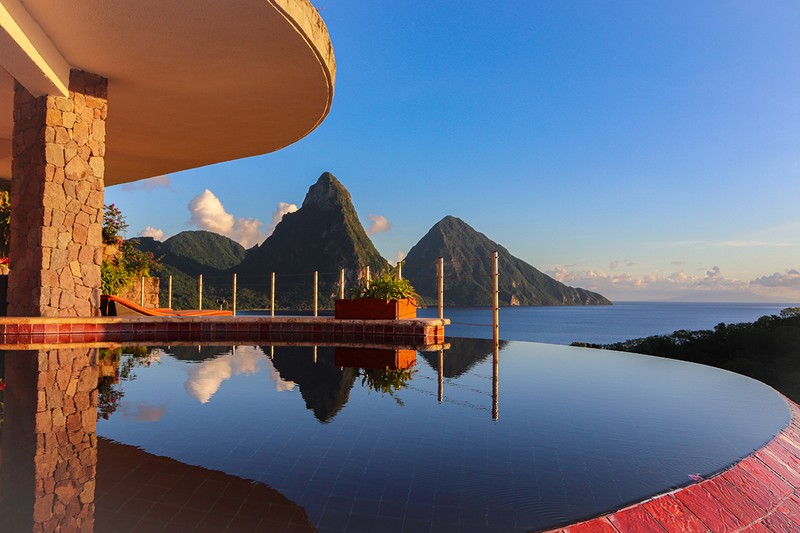
There’s one hotel that tops all others on the island: Jade Mountain. Widely regarded as one of the best hotels in the Caribbean – with a string of awards to its name – the hotel is unlike anywhere else I’ve ever stayed, with incredible views, unique architecture that has to be seen to be believed and flawless service that left a lasting impression.
Set high above the Anse Chastanet estate, Jade Mountain feels like it’s floating between the sea and the sky. Our ‘sanctuary’ room had no fourth wall – just open air, a private infinity pool and uninterrupted views of the Pitons rising from the sea. It was the kind of space that stops you in your tracks. Every detail, from the hand-laid glass tiles to the fibre-optic pool lighting, felt considered.
Days start with breakfast at the Jade Mountain Club – all tropical fruit, fresh juices and panoramic views – and end with cocktails on the Celestial Terrace, watching the sun dip behind the mountains. The hotel’s ‘Major Domos’ (butlers) are always one step ahead, whether arranging a private snorkelling trip or a spa treatment. One morning, we’d barely settled into our sun loungers when a member of the team discreetly appeared – books and sunglasses in hand – having noticed we’d left them behind. It was the kind of intuitive service you don’t forget.
There’s plenty to do beyond the sanctuary, though don’t be surprised if you don’t want to leave your room. I snorkelled straight off the beach, kayaked along the coast and joined a guided bike ride through the estate’s 600 acres of jungle trails. There’s a tennis court, yoga classes in the beach gazebo and even a chocolate lab where the resort makes its own bars from estate-grown cocoa.
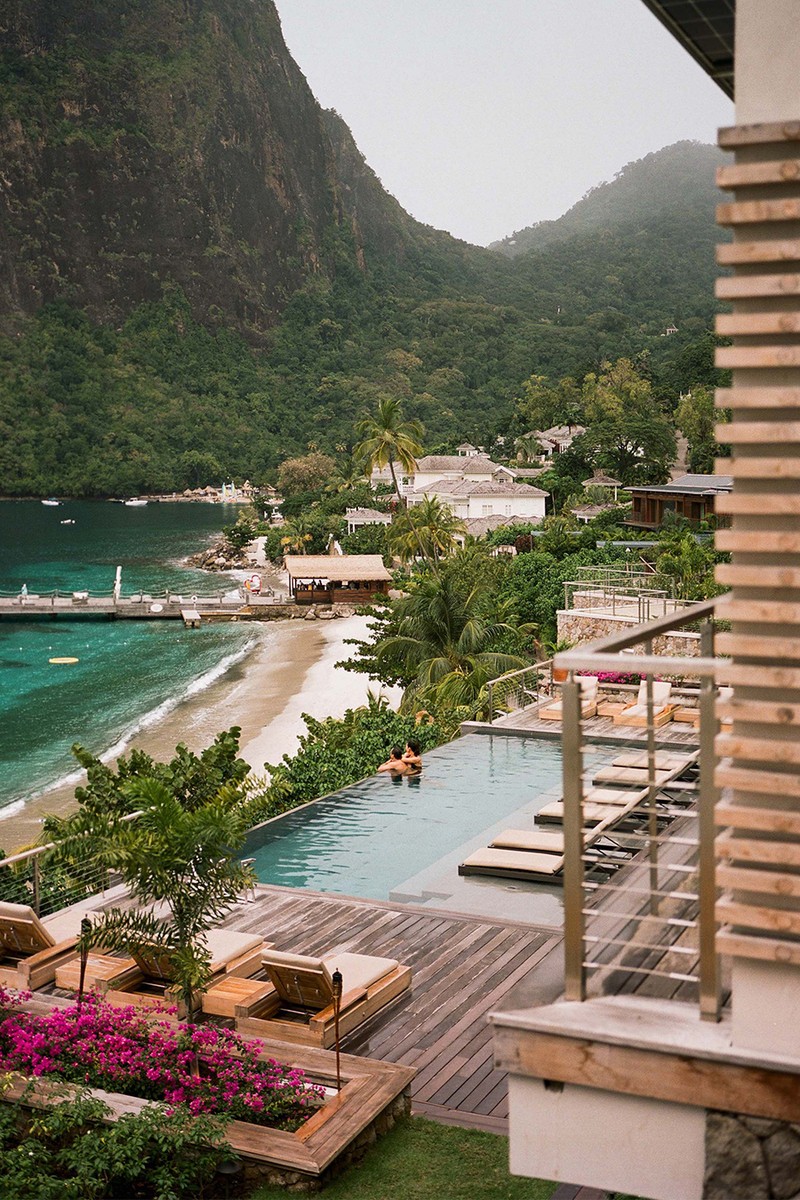
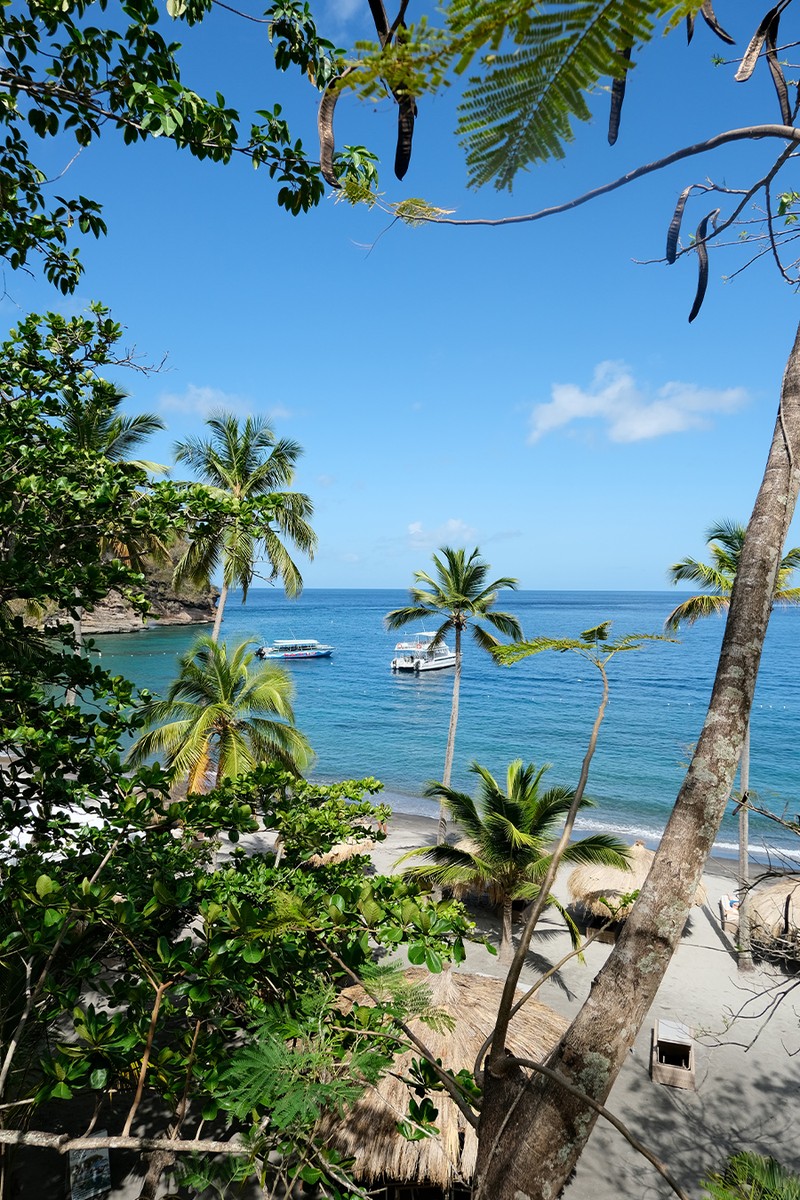
The group’s sister property next door, Anse Chastanet, is equally charming, with more of a traditional Caribbean feel across its interiors. You’re steps away from the beautiful beach below, with access to the resort’s restaurants and bars, complimentary water sports and other facilities.
Elsewhere, some of the island’s other luxury properties include Sugar Beach, a Viceroy resort that’s next to a national marine reserve, Cap Maison, with incredible interiors and coastal views, and BodyHoliday, an all-inclusive health and wellness retreat where you can fully switch off and ease into island life.
We also spent a few days at a Sandals resort – another fail-safe choice when you’re in the Caribbean. The group has three properties across the island, with Sandals Grande St. Lucian being one of the smartest, with impressive facilities and a plethora of activities so you never get bored. Set on its own peninsula between Rodney Bay and the Atlantic, it feels like a private island escape, with sweeping sea views and a long stretch of golden beach that’s perfect for morning walks or sunset swims.
What stood out most was the sheer variety of things to do. I tried paddleboarding in the calm bay, joined a beach yoga class and even attempted a game of tennis – all before lunch. There’s a PADI-certified dive centre on site, plus sailing, kayaking and windsurfing for those who want to stay active. The spa is a welcome retreat after a day in the sun, and the Red Lane therapists know exactly how to ease you into island mode.
There are 12 restaurants to choose from, so we never ate the same thing twice – from fresh sushi to, surprisingly, excellent Indian dishes. Many of the restaurants are set over or beside the water, adding to the laid-back, tropical feel. There are also plenty of snack bars dotted around the resort, and – naturally – alcohol is included. It’s a brilliant option if you’re after the full all-inclusive experience, with variety and convenience.
USEFUL INFO
- St Lucia has two airports: Hewanorra International (UVF) in the south and George F. L. Charles (SLU) in the north. Most international flights land at UVF, around 90 minutes from the north coast resorts. British Airways and Virgin Atlantic fly direct from London, with a flight time of around 8.5 hours.
- December to April is peak season, with dry weather, warm temperatures and plenty of sunshine. May to June offers fewer crowds and lush landscapes, while July to November is wetter but ideal for deals – just keep an eye on hurricane forecasts.
- The currency is Eastern Caribbean Dollar (XCD), though US dollars are widely accepted.
- Bring reef-safe sunscreen, high-strength insect repellent and walking shoes. Tap water is safe to drink, and English is the official language. Tipping is appreciated but not expected.
/https%3A%2F%2Fsheerluxe.com%2Fsites%2Fsheerluxe%2Ffiles%2Farticles%2F2025%2F10%2Ftom-podmore-yy0aniylb2i-unsplash.jpg)
DOMINICA
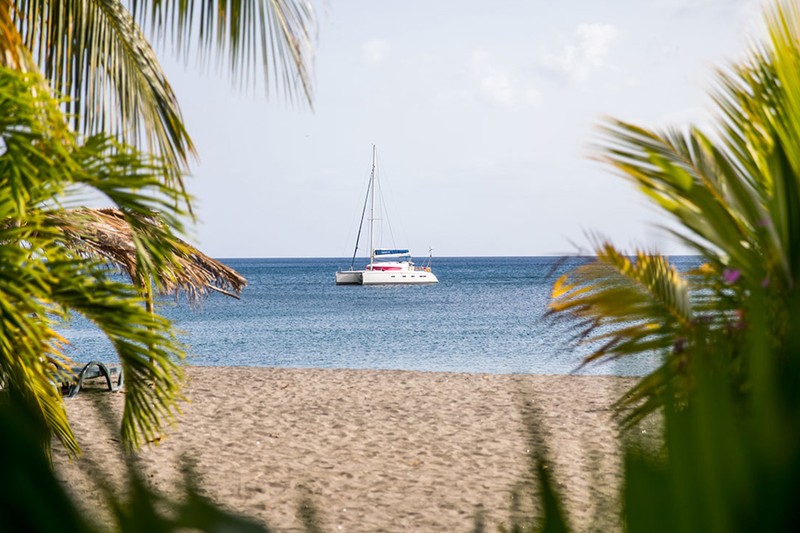
Dominica is my second home – a feeling that’s only deepened after this recent trip. Many people confuse it with the Dominican Republic but Dominica is its own country – a tiny but beautiful island that’s one of the few places in this part of the world that feels untouched and genuinely off the beaten track. This volcanic island is sandwiched between Martinique (worth a day trip via ferry if you have time) and Guadeloupe, and is affectionately known as the Caribbean’s ‘nature island’ – few places on earth are as lush, green and biodiverse. The island is only 750 km², but there’s plenty to see and do.
I could wax lyrical about the country’s sustainability efforts – Dominicans are fiercely proud of their island and the government has taken meaningful steps to protect its future. There’s a strong focus on ecotourism and funding conservation programmes. Single-use plastic is banned and you won’t find any multinational corporations on the island (apart from a single KFC in the capital, Roseau).
The country is also going through a period of major development. Its first international airport is set to open within the next year – a long-awaited project that will make the island more accessible and support sustainable tourism growth. Construction is also under way to open the world’s longest cable car ride, connecting Roseau to the famous Boiling Lake – currently a challenging six-hour hike through rainforest – so 2026 is shaping up to be a landmark year for the island.
EXPLORE
Dominica is one of the most naturally thrilling places I’ve ever visited. Over three days, we hiked to waterfalls, kayaked along volcanic coastlines, swam through rainforest gorges and soaked in natural hot springs. It’s the kind of island that rewards curiosity and every corner feels like an adventure waiting to happen.
My top tip is to hire a driver for a few days to reach some of the island’s more remote spots. The roads – and the country’s overall infrastructure – have improved significantly in recent years but you’ll need to be a seriously confident driver to handle the winding routes, many of which snake through mountains and along cliff edges. That said, don’t let it deter you – with a trusted local behind the wheel, you’ll feel completely safe and free to soak up the scenery.
We started with a hike to Syndicate Falls – a 100ft cascade tucked into the Northern Forest Reserve near Morne Diablotins. The trail was gentle and green, winding through banana plantations and thick jungle, with birdsong echoing through the trees. Later that day, we glided gently down the Indian River in a hand-oared boat, passing buttressed Bwa Mang trees and spotting herons and huge white crabs along the banks. It’s one of Dominica’s 365 rivers – and easily one of the most atmospheric. Look out for the witch shack that appeared in Pirates of the Caribbean: Dead Man's Chest. In fact, much of the franchise was filmed across the island.
The next few days were all about the sea. We snorkelled and kayaked off the coast of Soufrière, a small but lovely fishing village near Scott’s Head, then joined a whale-watching tour from Fort Young Hotel. Dominica is known as the whale watching capital of the Caribbean and we were lucky enough to spot spinner dolphins beside the boat.
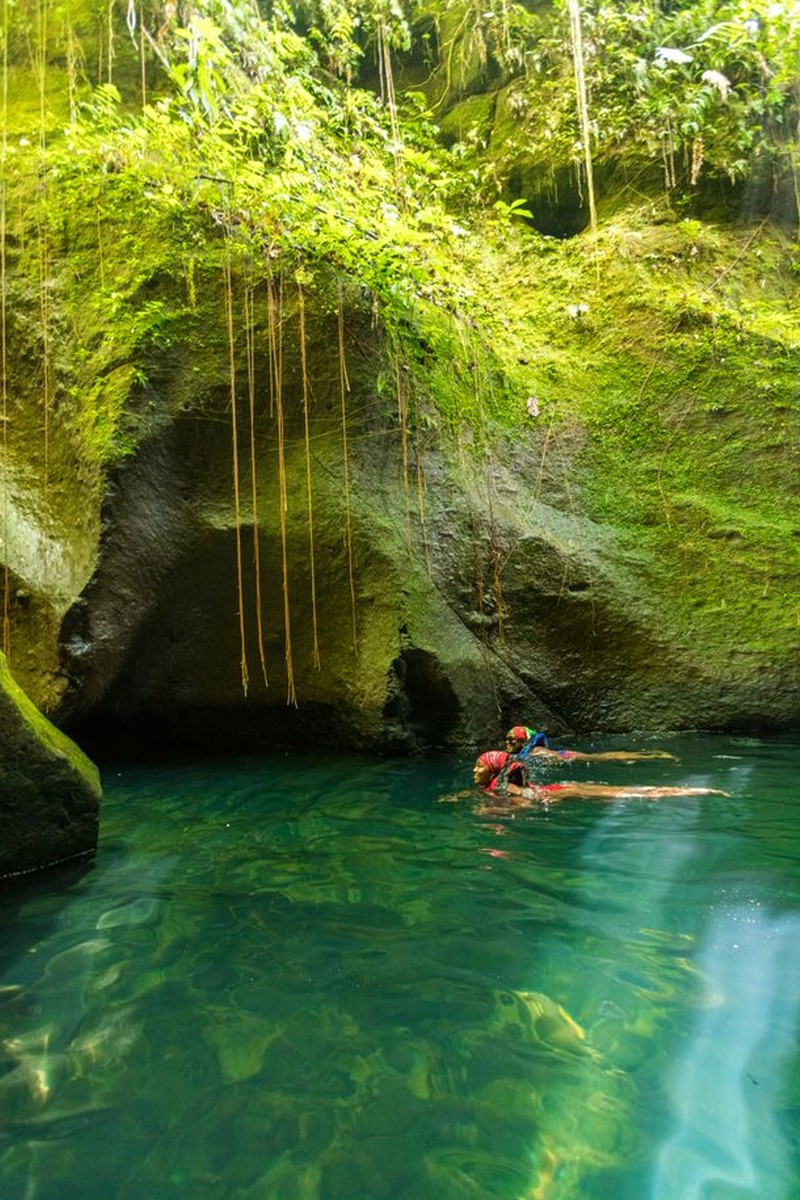
During our final days, we explored the island’s volcanic interior. We walked around Freshwater Lake, swam through the narrow canyon of Titou Gorge (another Pirates of the Caribbean filming location) and visited the famous Trafalgar Falls – twin waterfalls that tumble dramatically into the jungle. We ended the day at Ti Kwen Glo Cho, soaking in steaming sulphur pools surrounded by jungle. It was the perfect way to unwind.
Unlike other Caribbean nations, Dominica isn’t known for its white-sand beaches – volcanic activity gives the coastline a wilder, more rugged feel. That said, there are plenty of scenic spots worth knowing, including Scott’s Head – a brilliant snorkelling spot where the Atlantic meets the Caribbean – and Purple Turtle Beach in Portsmouth, on the north-west tip of the island.
You’ll also want to spend time in the capital, Roseau. It’s rustic and a little rough around the edges, but full of local colour – this is where Dominicans shop the markets, relax with ice-cream and rum punch and catch ferries to neighbouring islands.
/https%3A%2F%2Fsheerluxe.com%2Fsites%2Fsheerluxe%2Ffiles%2Farticles%2F2025%2F10%2Fsl-dominica-fort-young-hotel.jpg)
EAT & DRINK
Dominica is a small island, so there isn’t a ‘food scene’ per se, but that’s all part of its charm. If you’re after elevated or fine dining, you’ll need to head to the luxury hotels. One of which is Secret Bay, a Relais & Chateau property where we had an excellent lunch at Bwa Den, a beautiful open-air space serving fresh, seasonal dishes. Think huge prawns with salsa, traditional salt fish and chicken and coconut curry. Jungle Bay’s restaurant, near Soufrière, is another standout, with panoramic views and a menu that champions local produce and island flavours. Lunch or dinner here could include curry goat with rice and peas and salad or day-boat fish grilled over hot coals.
Over in Roseau there are numerous restaurants and cafes – during this trip, we were regulars at Patty Shack, which sells jerk chicken with rice, fries or salad, alongside traditional patties and salads. Fort Young Hotel, just a short walk away, has a nice bar if you’re after classic cocktails or ice-cold rum punch after a day exploring.
STAY
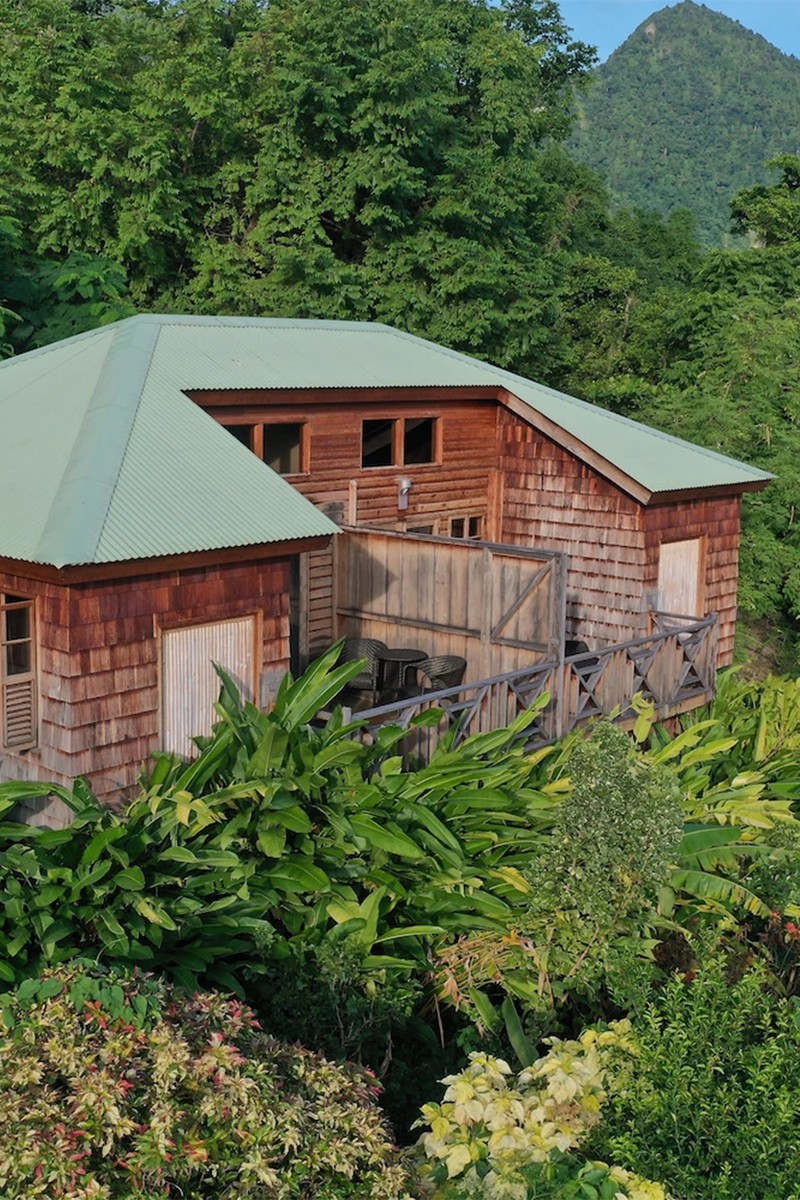
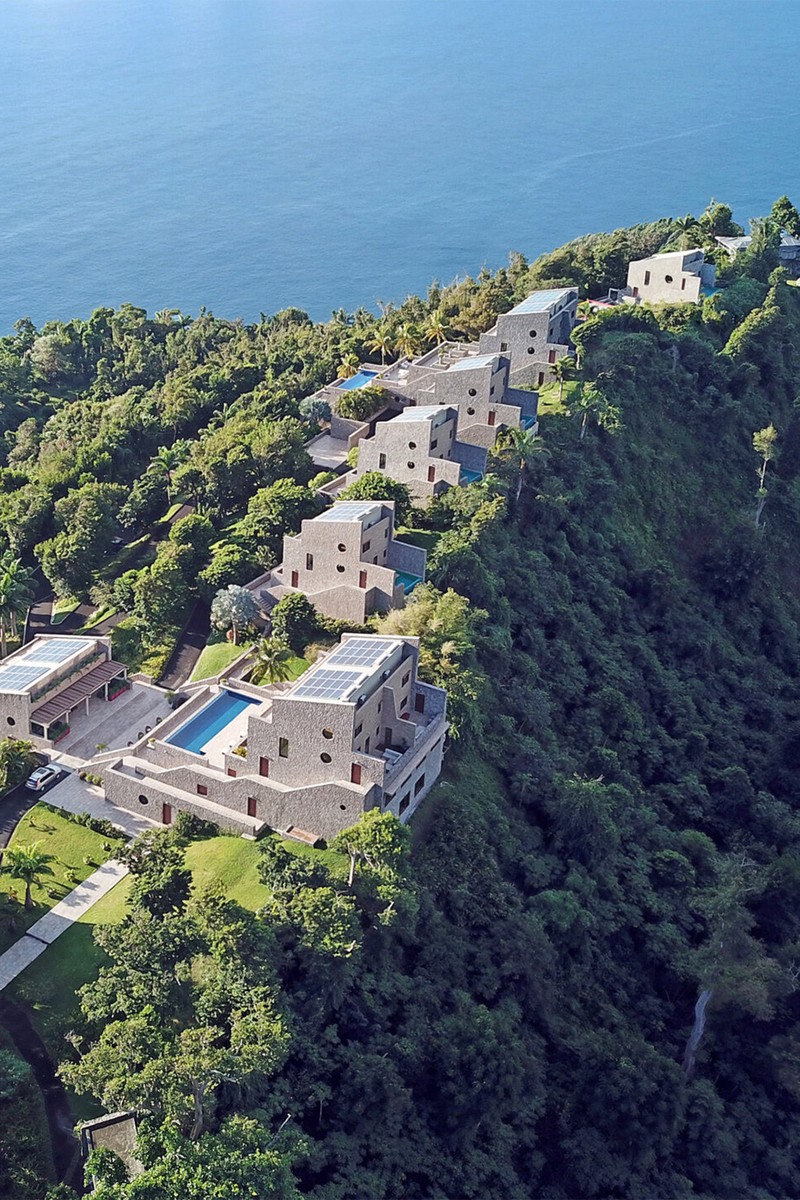
We spent a few nights at Coulibri Ridge – and it was, without question, one of the most thoughtful and inspiring places I’ve ever stayed. Perched on a mountain ridge above Soufrière Bay, this discreet 14-suite resort is entirely off-grid, powered by solar and wind, and built from hand-chiselled stone sourced directly from the land it sits on. It’s a member of Beyond Green – a global portfolio of the world’s most sustainable hotels – and it shows. Every detail, from filtered rainwater systems to on-site farming, has been designed with long-term environmental stewardship in mind.
But Coulibri Ridge isn’t just eco-conscious – it feels luxurious. The suites are spacious and beautifully designed, many with private pools and sweeping views of rainforest, ocean and mountains. You’re surrounded by nature here – hummingbirds at breakfast, mist rolling over the hills and the occasional snake in the trees (there are no poisonous snakes on the island, thankfully). The architecture is clever and calming, with clean lines, natural textures and a deep sense of place.
The service was impeccable. Everyone was warm, intuitive and genuinely kind – they gave us reef socks for snorkelling, remembered our coffee orders and even packed us a delicious breakfast for our early flight. There’s a spa offering all-natural treatments, a yoga pavilion, a gym and two restaurants – Mesa for relaxed breakfasts and lunches, and Vista for more formal dinners. Much of the produce is grown on-site or sourced from local farmers and fishermen, and the food is super fresh and beautifully presented.
Another high-end hotel is Secret Bay, a beachside property home to design-led villas with private chefs and cliffside views. Each villa feels completely secluded, with private plunge pools, open-air rain showers and views over the Caribbean Sea – perfect for honeymooners or anyone craving total privacy with five-star service. Jungle Bay is ideal for wellness lovers, with yoga, hiking and a spa overlooking the sea; while the InterContinental caters to high-end international guests. You’ll also find some brilliant jungle Airbnbs dotted around the island for those who want to go fully off-grid.
USEFUL INFO
- Dominica has one main airport – Douglas-Charles Airport (DOM) – located in the northeast of the island. There are no direct flights from the UK, but there are regular connections via Barbados, Antigua or Saint Lucia. Flight time from London is around 11-12 hours including layovers.
- Getting around the islands is easy, with a reliable ferry service, though flying is recommended in the interest of ease and time.
- December to April is peak season, with dry weather, cooler temperatures and ideal conditions for hiking and whale watching. May to June is quieter and lush, while July to November is wetter – but great for deals and rainforest adventures. Hurricane season peaks between August and October.
- The currency is Eastern Caribbean Dollar (XCD), though US dollars are widely accepted.
- Bring reef-safe sunscreen, high-strength insect repellent, waterproof hiking shoes and a light rain jacket. Tap water is safe to drink, and English is the official language. Tipping is appreciated but not expected.
For more information and inspiration, follow @DISCOVERDOMINICA
Or continue to comment as a Guest below
DISCLAIMER: We endeavour to always credit the correct original source of every image we use. If you think a credit may be incorrect, please contact us at info@sheerluxe.com.
/https%3A%2F%2Fsheerluxe.com%2Fsites%2Fsheerluxe%2Ffiles%2Fwebsite-images%2F2025%2F03%2Fsign-up-pop-up.jpg)