14 Easy Tips To Prevent & Heal Hair Damage
Pay Attention, Even If Your Hair Is Thick
“Strong hair isn’t about it feeling thick or coarse, it’s about what’s happening inside each actual hair. True strength comes from healthy internal bonds that hold the structure of the hair together. When those bonds are intact, hair stretches, bounces back, holds colour better and resists breakage. So, when we talk about strong hair, we’re really talking about resilience, elasticity and integrity rather than just texture.” – Samantha Cuisick, hair stylist, salon owner & OLAPLEX & ghd ambassador
Know The Difference Between Weakness & Loss
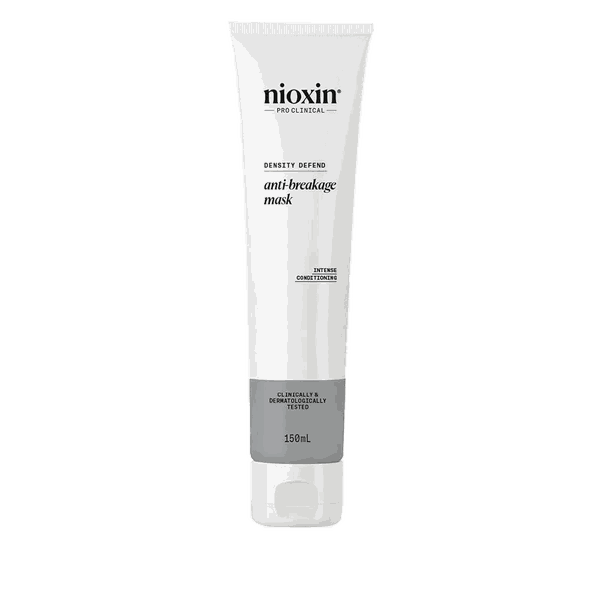
“Strong hair looks the same from the proximal to the distal (medical terms for closest to the body and the furthest from the body, or roots to tips). You should be able to put a bit of pressure on hair and watch it stretch and return to its original shape. Weak hair, on the other hand, will just snap.” – Mark Blake, Nioxin ambassador & leading UK trichologist
Take Extra Care With Coloured Hair
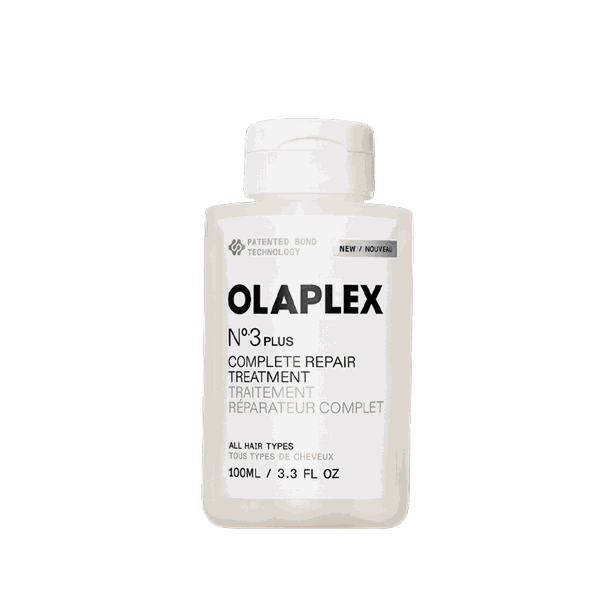
“When you bleach or colour hair, you’re breaking disulfide bonds inside the hair shaft to change its structure. Over time, that weakens the internal framework. Add daily heat, tight, snatched styling, environmental stress and even hard water into the mix, and those bonds become fragile. That’s when you see breakage, split ends and dullness. Olaplex works differently to traditional ‘conditioners' or 'strengthening treatments’ because it targets the internal structure of the hair rather than just coating it. That means it’s actually repairing from within and restoring strength, not just making hair feel smoother on the surface.” – Samantha
Don’t View Heat Styling As The Enemy
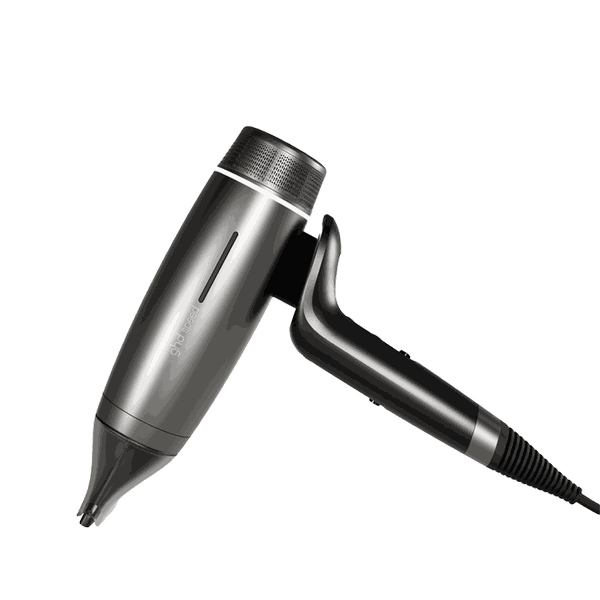
“Heat styling isn’t the enemy by default but misuse it and it definitely is. When tools are too hot or held on the hair for too long, they can weaken the internal structure and compromise the cuticle layer. That’s when you start to see dryness, breakage and colour fading. The issue is usually excessive temperature rather than heat itself. Used properly, with the right tools, heat can actually smooth and seal the cuticle, giving you shine rather than damage. For example, ghd tools are designed to work at 185°C, which is the optimum temperature for styling. It’s hot enough to effectively change the shape of the hair, but not so hot that it causes unnecessary structural damage.” – Samantha
Be Wary Of Air Drying
“Hair is at its most fragile when it’s wet. If it stays wet for hours, the internal structure swells and weakens, which can make it more prone to breakage. Leaving hair damp for long periods, especially in colder weather, can sometimes do more harm than a controlled, efficient blow-dry. The key is being gentle and not leaving hair in that vulnerable state for too long.” – Samantha
Be Gentle
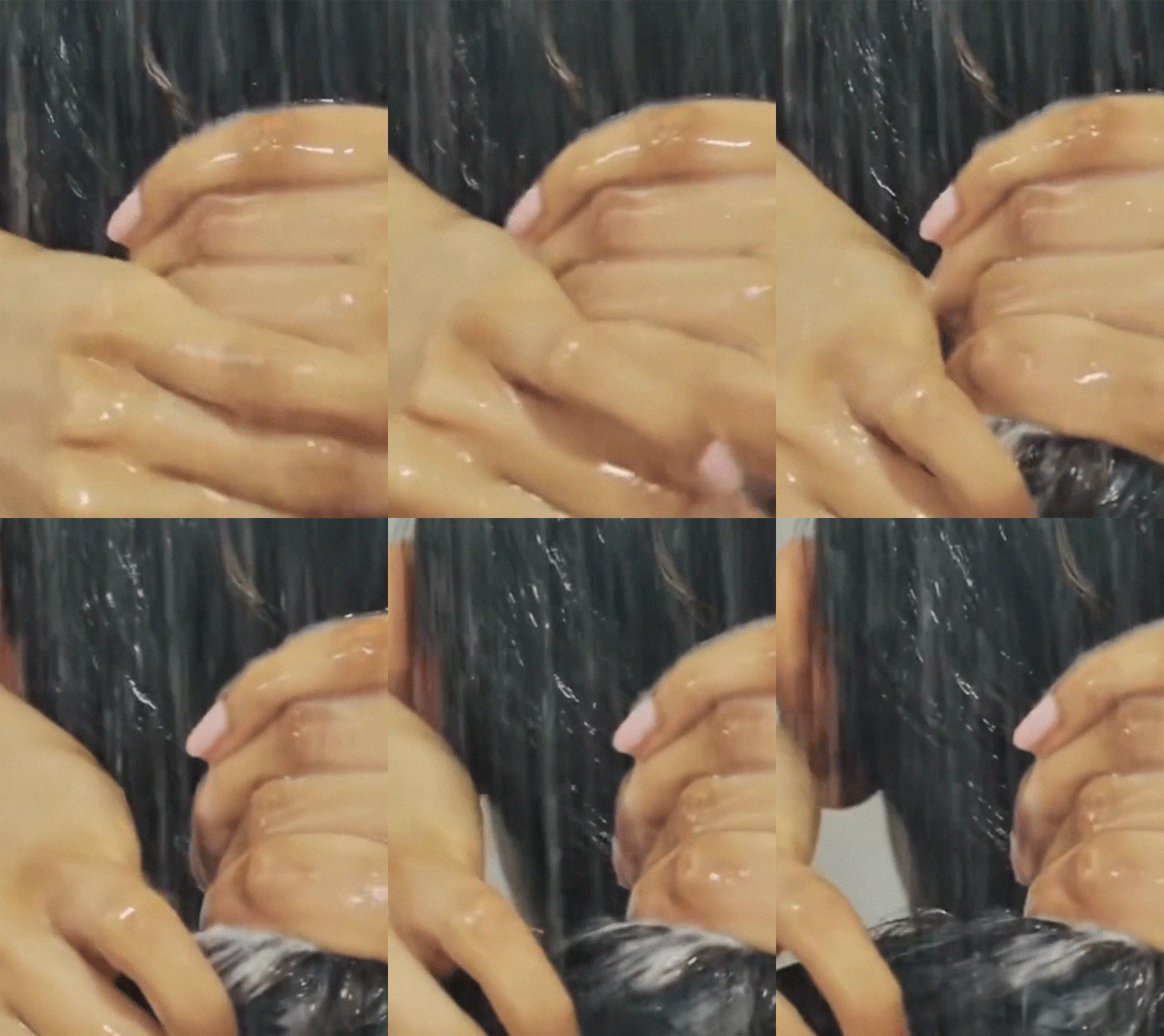
“Avoid aggressively towel-drying. Instead, gently squeeze out excess water and, ideally, use a microfibre towel or soft cotton t-shirt to reduce friction.” – Jordanna Cobella, Wella Professionals colour & trend ambassador
Towel Dry Hair Before Conditioner
“Gently towel drying before you put your conditioner on is a big must, otherwise your conditioner just lies on the outside of your hair cuticles rather than penetrating the inside of your hair. Your hair holds so much water, so if it’s left wet, you are just diluting the conditioner.” – Mark
Use Heat Protectant – Always
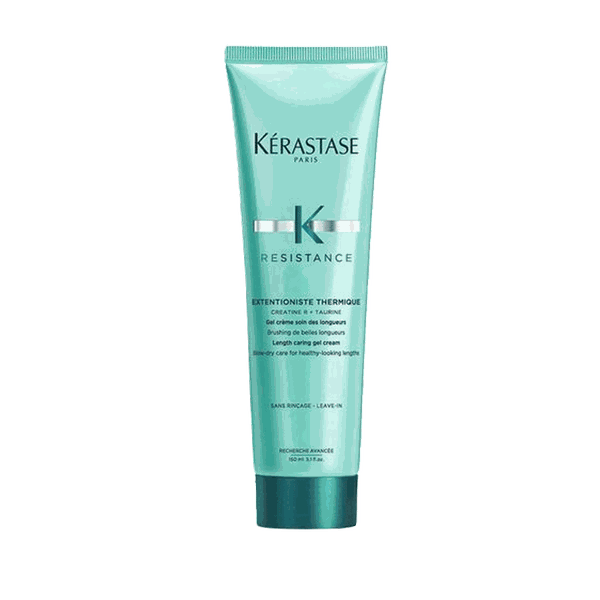
"Applying heat to the hair without protection causes the cuticle, the hair’s protective outer layer, to become damaged. This leads to a loss of moisture, roughness, and exposure of the internal structure of the hair. Using a heat protectant, such as Kérastase Résistance Ciment Thermique, is essential. These products act as a shield on the hair, sealing the cuticle to lock in essential moisture. They not only prevent future damage but also work to rebuild and reinforce the fibre from the inside out." – Gemma Robertson, education manager at Kérastase
Study Your Ingredients
“Look for strengthening ingredients such as hydrolysed proteins (keratin, wheat or silk proteins), amino acids and bond-building technologies that help reinforce the internal structure of the hair. Ingredients like panthenol and glycerin can also support moisture balance. It’s less about completely avoiding specific ingredients and more about suitability. For example, very high alcohol formulas can be drying and harsh cleansing systems may strip already fragile hair. The key is balance – strengthening without overloading the hair with protein, which can actually make it feel brittle. Ultimately, a clean, minimalist formula from a reputable professional hair brand will always trump a high-street brand.” – Jordanna
Top Up Your Keratin Levels
“Keratin is the fundamental building block of hair, making up the majority of its structure. As an essential protein, it works as protection against damage and keeps the hair feeling healthy and strong. Maintaining good keratin levels ensures the hair remains resistant to breakage, providing the necessary foundation for healthy hair growth.” – Gemma
Make Sure You’re Masking
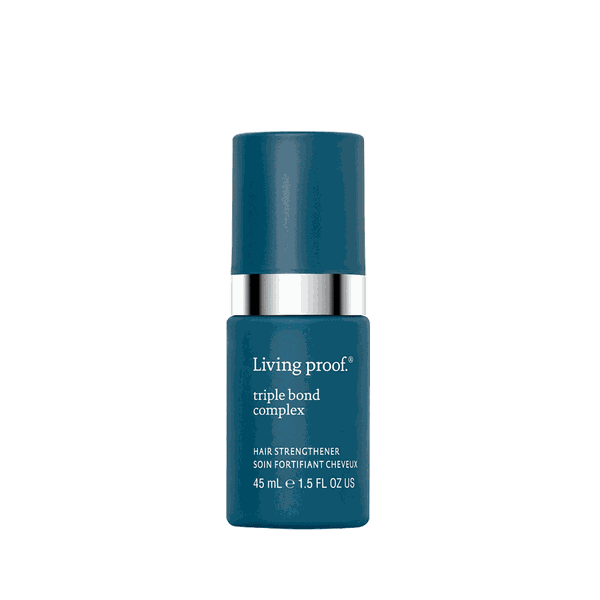
“Regularly using nourishing masks at home can make a huge difference to hair health to prevent or undo damage. For coloured hair, I really love the Ultimate Color Leave-In Mask by Wella Professionals that is designed to protect colour fade and reduce rinse steps. Living Proof has a great strengthening leave-in mask, the Triple Bond Complex, which can be used with other products to strengthen the hair at the same time as styling.” – Jordanna
Book An In-Salon Straightening Treatment
“Traditional Brazilian blow dries often focused on a very sealed, almost lacquered finish with a dramatic straightening effect. Newer treatments, like Wella’s Smoothfiller, is demi-permanent and far more modern in its approach. Rather than forcing the hair poker-straight, it refines and softens what’s already there and uses a heat-activated restructuring technology that works within the hair fibre, rather than simply coating the surface. When activated with controlled heat, it creates new internal links within the keratin structure of the hair, effectively reinforcing and compacting areas that are porous or uneven. The result is hair that feels smoother, denser and more resilient – not because it’s wrapped in a heavy layer of product but because the internal structure has been subtly reorganised.” – Scott Evans, brand expert at Wella Professionals
Look Beyond Your Dressing Table
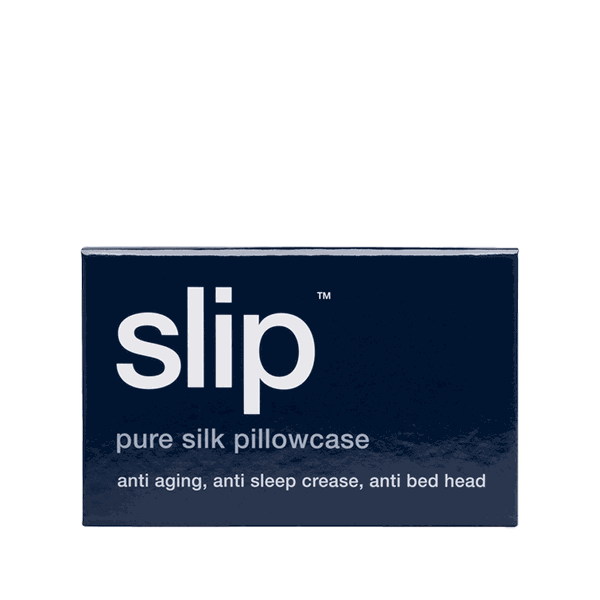
“Hair damage can happen from many sources. Protect your hair overnight with loose styles and a silk pillowcase, manage stress where you can and remember that your scalp health matters. Strong hair grows from a healthy foundation. It’s about consistency, not one miracle product.” – Samantha
Find The Right Brush
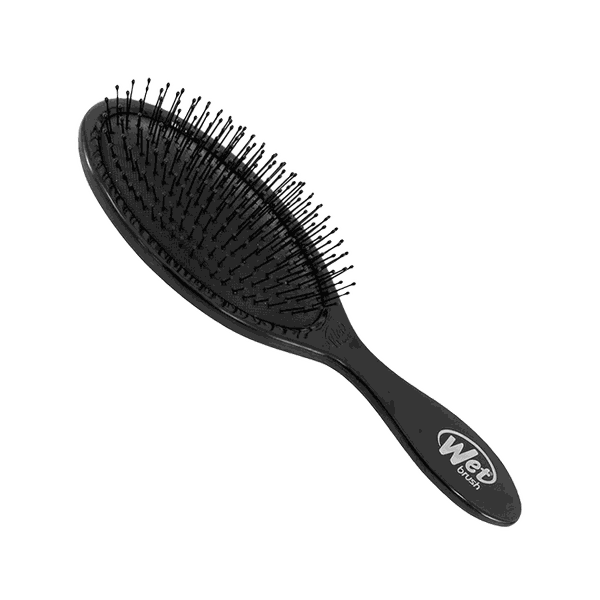
"While brushing is necessary for detangling, the wrong brush can lead to increased damage. Use natural bristle brushes to distribute natural oils and enhance health. For wet hair, which is at its most fragile state, always use a wide-tooth comb to minimise tension.” – Gemma
SHOP THE EDIT
DISCLAIMER: We endeavour to always credit the correct original source of every image we use. If you think a credit may be incorrect, please contact us at info@sheerluxe.com.
/https%3A%2F%2Fsheerluxe.com%2Fsites%2Fsheerluxe%2Ffiles%2Fwebsite-images%2F2025%2F03%2Fsign-up-pop-up.jpg?itok=zlMvamfa)