8 Expert Rules For Balancing Combination Skin
First, Spot The Signs
“I often hear clients say, ‘My skin never feels quite right.’ That’s usually the first sign of combination skin imbalance. Combination skin means your face isn’t behaving as one single ‘type’. Instead, different areas have different needs. Typically, this looks like: an oilier T-zone (forehead, nose and chin), normal or dry cheeks, enlarged pores around the nose, occasional breakouts with dry patches and skin that feels tight in places, but shiny in others. It’s one of the most common concerns I hear, but also one of the most misunderstood. Many feel frustrated by having oily areas alongside dryness, congestion paired with sensitivity and skin that seems to change from week to week. With the right approach, combination skin can be beautifully balanced.” – Joanne Evans, facialist & founder of Skin Matters
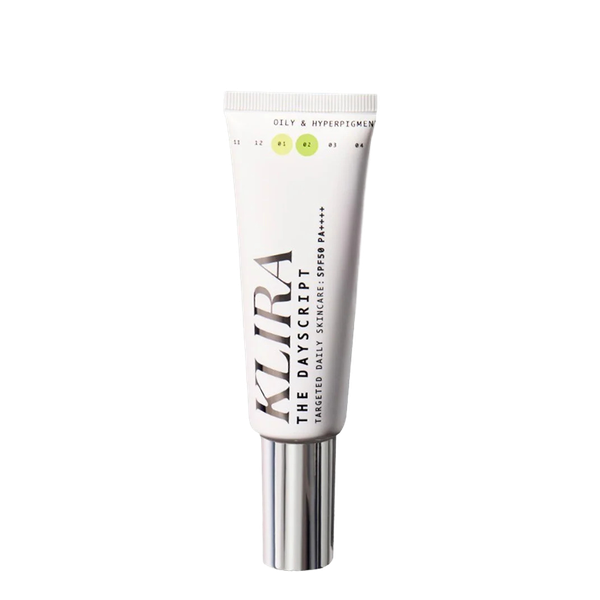
“Most people have some level of combination skin, experiencing oiliness and dryness in different areas of the face. There’s usually an extreme version, somebody might say they have sensitive skin as well as dryness or excess oil, but almost everybody has more oil in the central part of the face – like the centre of the forehead, nose, chin and jawline – and less oil elsewhere.” – Dr Emma Craythorne, consultant dermatologist & founder of Klira
Understand The Causes
“In most cases, combination skin is driven by a mix of internal and external factors. Genetics play a role, as does hormone fluctuation. Environmental stress, pollution, seasonal changes and lifestyle factors all impact oil production too. However, one of the biggest contributors I see is incorrect skincare – over-cleansing, harsh exfoliation or skipping moisturiser can weaken the skin barrier. When that happens, the skin often responds by producing more oil in certain areas, leading to the classic combination pattern. Usually, combination skin is a sign the skin is trying to self-regulate.” – Joanne
Hone Your Cleansing Routine
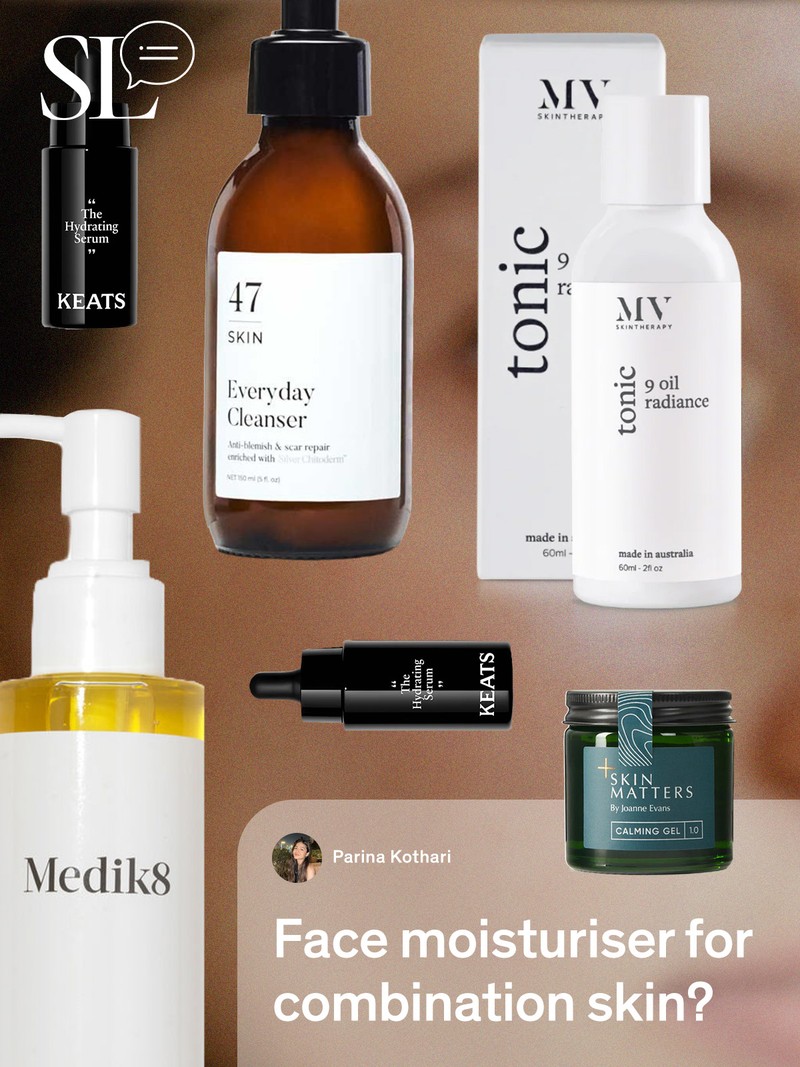
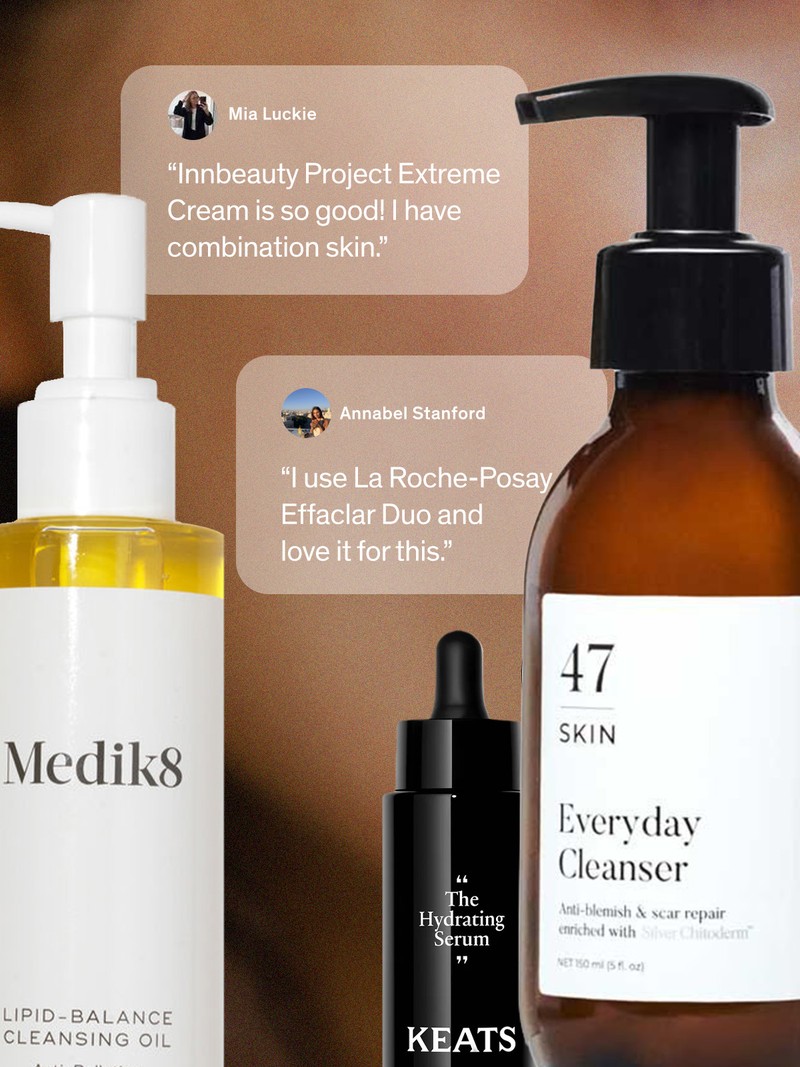
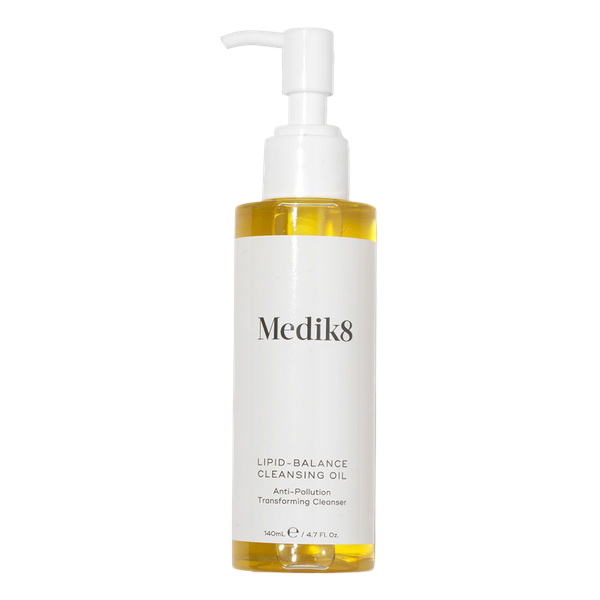
“For oily skin, I recommend a light cleansing oil – a firm favourite is the Medik8 Lipid-Balance. This one emulsifies into a milk upon contact with water and doesn’t leave behind any oily residue. For a secondary cleanse, or a lighter morning option, the Epionce Purifying Wash helps to decongest and calm breakouts while remaining gentle enough that it won’t aggravate conditions like acne and rosacea.” – Katharine Mackenzie Paterson, aesthetician & founder of KMP Skin
Embrace Oils
“Many clients with combination skin are afraid of oils, especially if they experience breakouts. However, the right ones can actually help regulate oil production and support barrier health. I recommend lightweight, non-comedogenic oils such as jojoba, squalane and rosehip which closely mimic the skin’s natural sebum. When used sparingly and pressed into the skin, oil can improve hydration without adding to congestion. Focus on drier areas and lightly blend through the T-zone where needed.” – Joanne
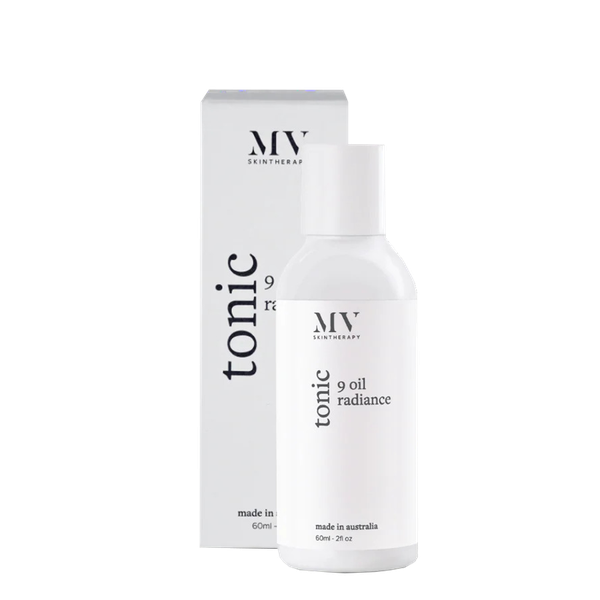
“A great option for breakout-prone skin is Skin Rocks The Support Oil – it’s light, non-fragranced and contains more squalene than fatty plant oils. For those who can take fragrance, MV Skintherapy’s 9 Oil Radiance Tonic is nourishing, yet decongesting.” – Katharine
Reach For Resurfacing & Unclogging Ingredients
“For keeping pores clear, alpha-hydroxy acids, beta-hydroxy acids, retinoic acid and prescription-grade retinoids are essential. Prescription-grade retinoids can be slightly irritating at first but are extremely effective at ensuring the cells that line the pores leave quite freely without being too sticky.” – Dr Emma
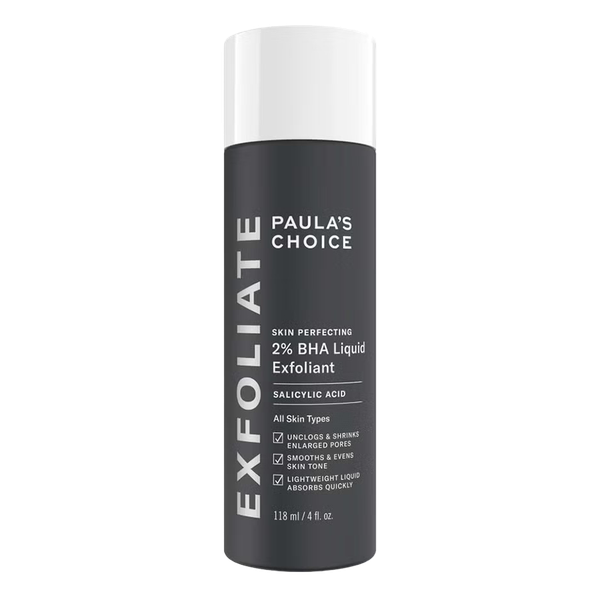
“Acids can be beneficial on combination skin – you can be quite specific about where you apply them if you’re using a liquid toner with a cotton pad – but it’s about choosing a formula that isn’t overly stripping. If the excess oil is quite mild, using a toner powered by poly-hydroxy acids (PHAs) could be enough to normalise the area and encourage gentle exfoliation. PHAs also help attract moisture to those drier areas. If you are suffering with breakouts and blackheads along the oiler areas, salicylic acid will decongest pores and ease inflammation. The Paula’s Choice Skin Perfecting 2% BHA Liquid Exfoliant and Medik8 Press & Clear are both great options.” – Katharine
Don’t Skip Moisturiser
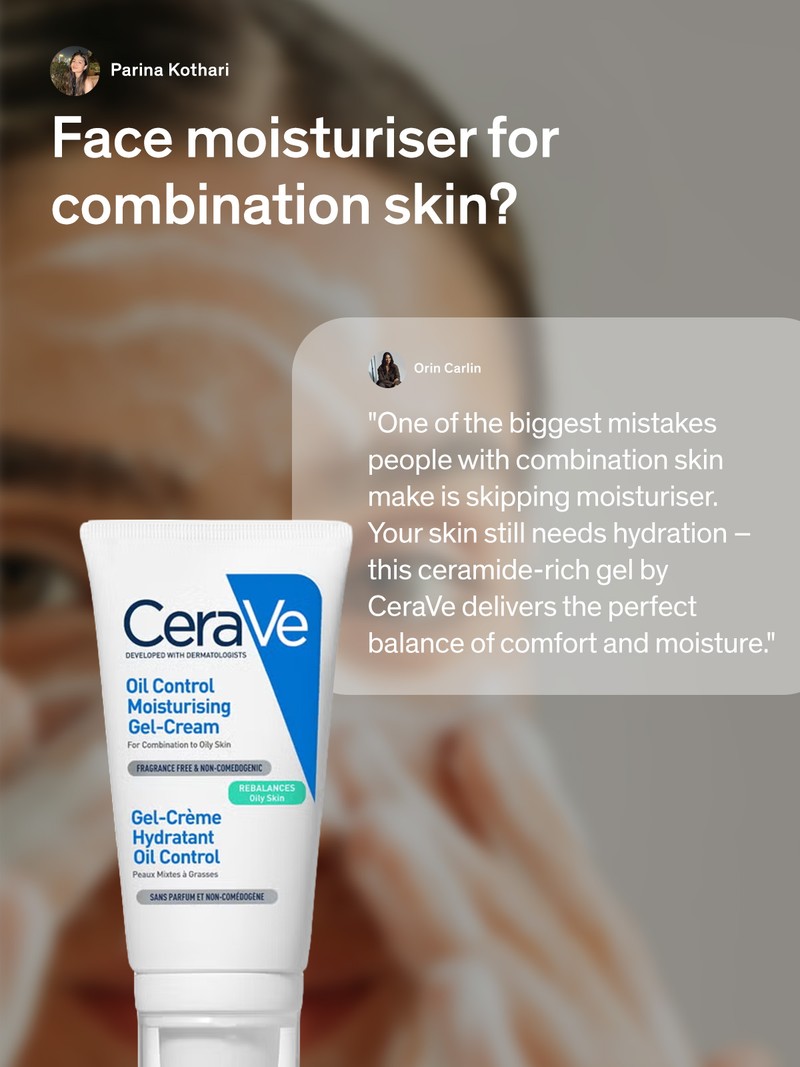
“On oily skin, moisturiser is still really important – there may be areas of the skin where not enough oil is being produced. Typically, something with a lighter formulation and a nice mixture of ceramides, free fatty acids and hydrating agents like hyaluronic acid and glycerin, is very effective. Go for gels or lotions over thick creams.” – Dr Emma
Treat Inflammation With Care
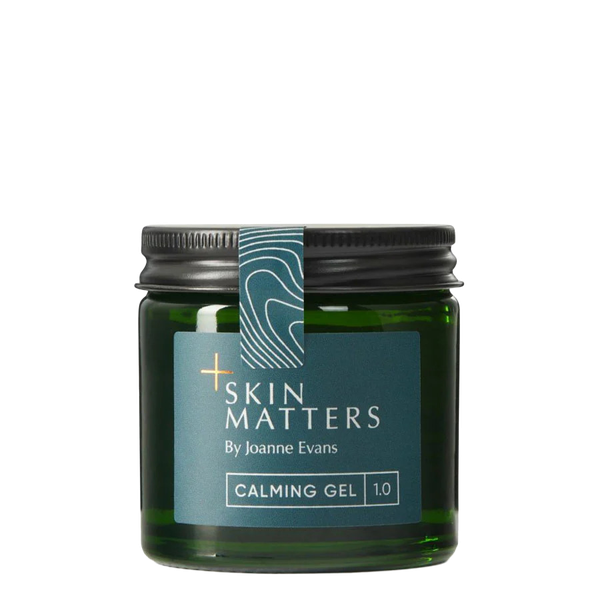
“When combination skin flares up, it usually signals that the skin barrier needs support. Focus on calming, reparative ingredients such as niacinamide, panthenol (vitamin B5), allantoin, prebiotics, probiotics and glycerin in the form of lightweight gel-creams and barrier-repair serums. From my own line, the Calming Gel is powered by a combination of highly-effective and pH-balanced ingredients, known for their soothing and repairing properties.” – Joanne
Finally, Avoid Anything Harsh & Keep It Consistent
“Harsh spot treatments and alcohol-heavy formulas often make things worse in the long run and healing the skin first always leads to better results. Overall, combination skin responds best to balance, not extremes. The most successful routines focus on gentle cleansing, consistent hydration, strategic exfoliation, barrier support and seasonal adjustments. When these foundations are in place, combination skin becomes far easier to manage and often transforms into healthy, resilient, glowing skin.” – Joanne
Follow @KLIRAWORLD, @KMP_SKIN & @SKINMATTERSHOLLANDPARK
SHOP THE EDIT
Or continue to comment as a Guest below
DISCLAIMER: We endeavour to always credit the correct original source of every image we use. If you think a credit may be incorrect, please contact us at info@sheerluxe.com.
/https%3A%2F%2Fsheerluxe.com%2Fsites%2Fsheerluxe%2Ffiles%2Fwebsite-images%2F2025%2F03%2Fsign-up-pop-up.jpg)