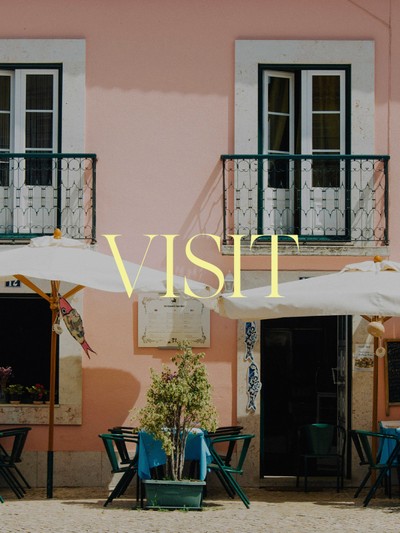
The Best Places To Visit In Lisbon
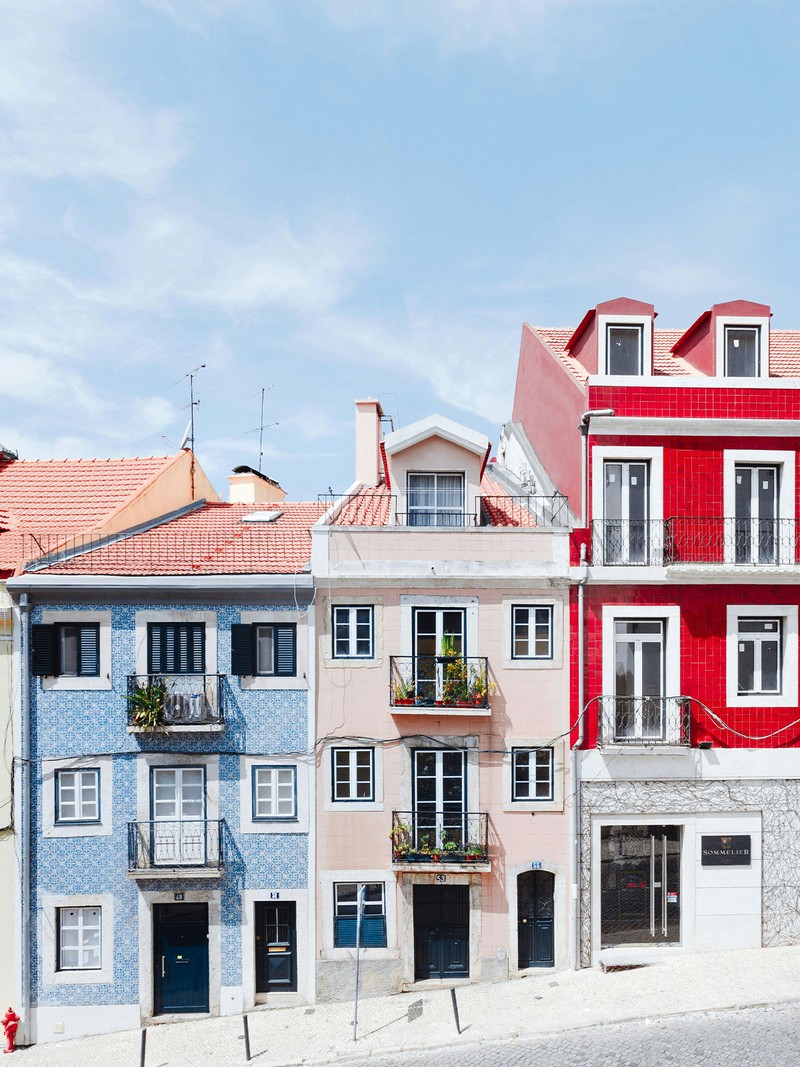
MUSEUMS
MAAT
On the riverfront in Belém, the Museum of Art, Architecture and Technology spans a white-tiled building designed by British architect Amanda Levete and a century-old former power station, whose industrial brick exterior contrasts dramatically with the contemporary wing. See the exhibitions in one, then take a tour of the other, plus there’s a garden that’s pleasant to wander on warmer days.
Visit MAAT.PT
MAC/CCB
Lisbon’s relatively new Museum of Contemporary Art and Architecture Centre unites under one roof a group of collections that used to sit disparately around the city. Among the 800-odd works of its permanent display, you’ll find Picasso, Dalí, Warhol, Miró, Francis Bacon, and Paula Rego, making it Portugal's most comprehensive gallery of contemporary art.
Visit CCB.PT
Gulbenkian Museum
Armenian oil magnate Calouste Sarkis Gulbenkian's 6,000-piece collection spans Egyptian antiquities through Islamic art to European masters including Rembrandt and Rubens. Purpose-built in 1969, its home is currently undergoing a major refurb and is slated to reopen in July 2026. In the meantime, the surrounding landscape gardens are still worth a wander.
Visit GULBENKIAN.PT
/https%3A%2F%2Fsheerluxe.com%2Fsites%2Fsheerluxe%2Ffiles%2Farticles%2F2026%2F02%2Flisbon-city-guide-landscapevisit2.jpg)
Museu Nacional do Azulejo
The National Tile Museum inhabits the 500-year-old Madre de Deus Convent, charting Portuguese azulejo production from the 15th century to contemporary works. The highlight is a 23-metre panoramic panel depicting pre-1755 earthquake Lisbon – one of few visual records of the lost city. The baroque convent church it calls home, which survived the earthquake intact, is currently undergoing an extensive refurb, with its reopening anticipated in the second half of 2026.
MONUMENTS
Convento do Carmo
Founded in 1389 by Constable Nuno Álvares Pereira, this Gothic convent was destroyed when the 1755 earthquake brought down its stone-vaulted roof, killing hundreds of worshippers. The ruins were never rebuilt, leaving soaring roofless arches open to the sky. It’s Lisbon's most evocative earthquake memorial.
São Vicente de Fora
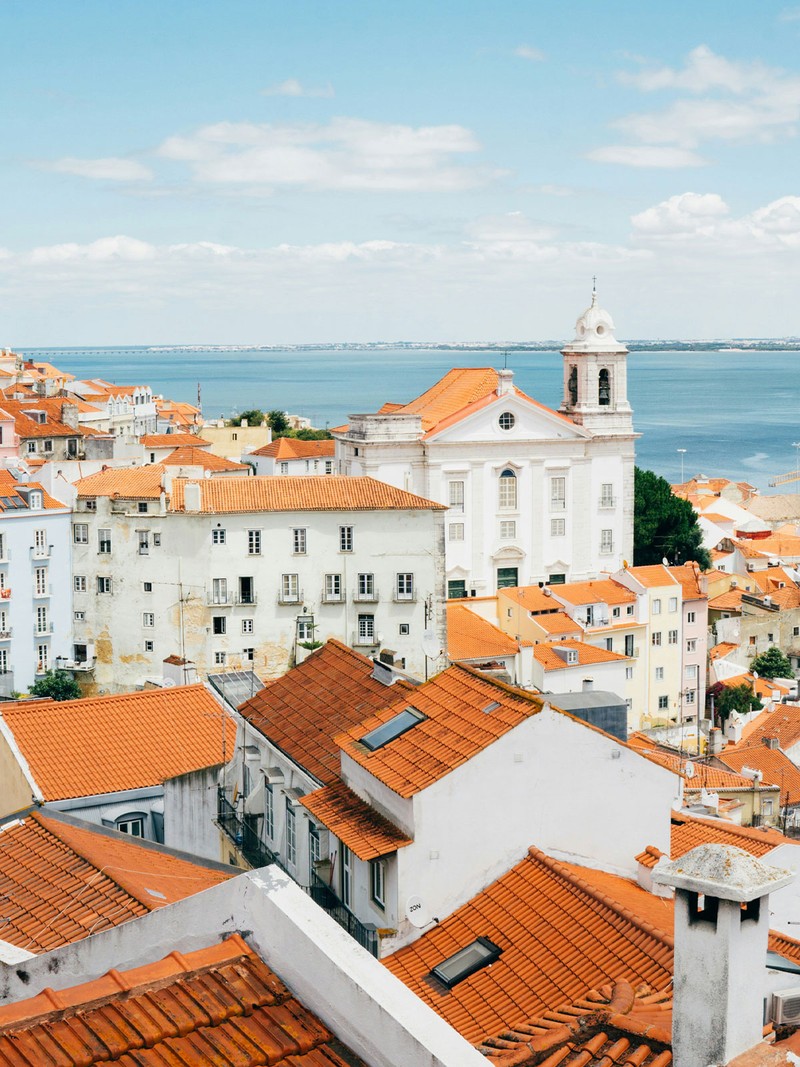
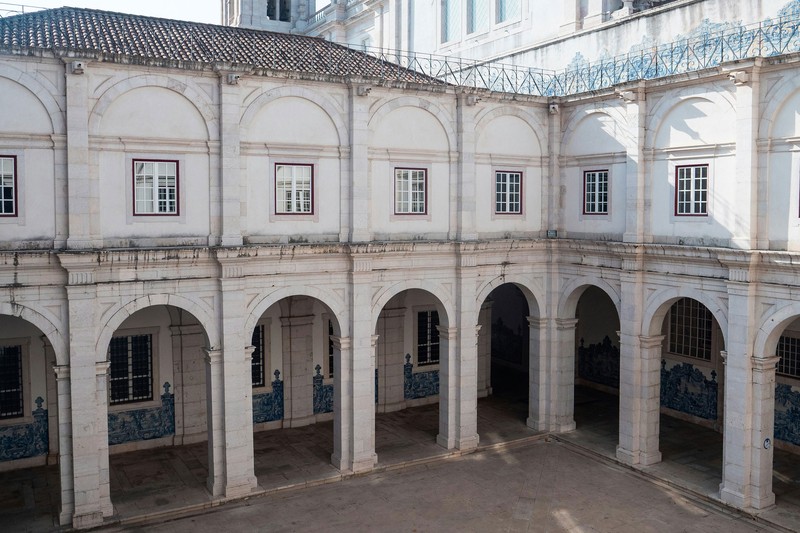
Completed almost 400 years ago, this Mannerist monastery houses 18th-century azulejos including 150-plus panels illustrating La Fontaine's fables. It also contains the remains of almost every Portuguese monarch from 1640 to 1910, including Catherine of Braganza who married England's Charles II. The rooftop terrace offers panoramic Alfama views.
/https%3A%2F%2Fsheerluxe.com%2Fsites%2Fsheerluxe%2Ffiles%2Farticles%2F2026%2F02%2Flisbon-city-guide-landscapevisit3.jpg)
Belém
The UNESCO World Heritage pairing of Jerónimos monastery and the Torre de Belém define Portugal’s Age of Discovery. The elaborate monastery houses the tomb of the great explorer Vasco da Gama, while the Gothic-meets-Moorish tower was originally built as an island fortress in the Tagus River.
Visit MUSEUSEMONUMENTOS.PT
TOURS
Tram 28
Lisbon's most famous tram line still runs canary-yellow 1930s carriages along its route from Martim Moniz to Campo de Ourique. The 45-minute journey navigates impossibly narrow Alfama streets and steep gradients unsuitable for modern trams, passing São Vicente de Fora, the Sé Cathedral, and Basílica da Estrela. Our tip is to be spontaneous – avoid the long queues at either end of the line, and take it in stages, jumping on and off as and when you see a less crowded carriage trundling past.
Miradouros
Think of Lisbon's network of hilltop viewpoints as a guide for exploring the city. Each one has its own unique aspect: São Pedro de Alcântara's terraced garden overlooks downtown Baixa toward the castle; Portas do Sol frames Alfama's terracotta rooftops with the Tagus beyond; Santa Luzia, just steps away, offers similar Alfama vistas from a more intimate garden setting. Graça's terrace is the spot for sunset drinks with castle views, while Senhora do Monte – the highest of them all – provides the most panoramic perspective. Most come with historic quiosque cafés.
Tuk Tuk Tours
These three-wheeled vehicles navigate Lisbon's steep hills and narrow alleys are the only sensible alternative to the often-crowded trams. There are multiple operators offering guided tours for up to six passengers of one to four hours through Alfama's maze, up to the castle, and across multiple viewpoints. Some will even start with a hotel pickup.
Visit ECOTUKTUK.COM
/https%3A%2F%2Fsheerluxe.com%2Fsites%2Fsheerluxe%2Ffiles%2Farticles%2F2026%2F02%2Flisbon-city-guide-landscapevisit1.jpg)
NEIGHBOURHOODS
Príncipe Real
This elegant hilltop neighbourhood centres on the Jardim do Príncipe Real, a romantic 19th-century garden dominated by an enormous umbrella-like cedar tree. The surrounding ‘palacetes’ include Embaixada (see SHOP), there’s an organic market each Saturday that draws locals, and at its southern edge, São Pedro de Alcântara miradouro offers downtown views.
Estrela
The white-domed Basílica da Estrela defines this elegant residential quarter of the city. Inside the cathedral, you can see Portugal’s largest nativity scene. Opposite it, the Jardim da Estrela hides duck ponds and exotic plants. Estrela is easily reached via Tram 28.
Beaches
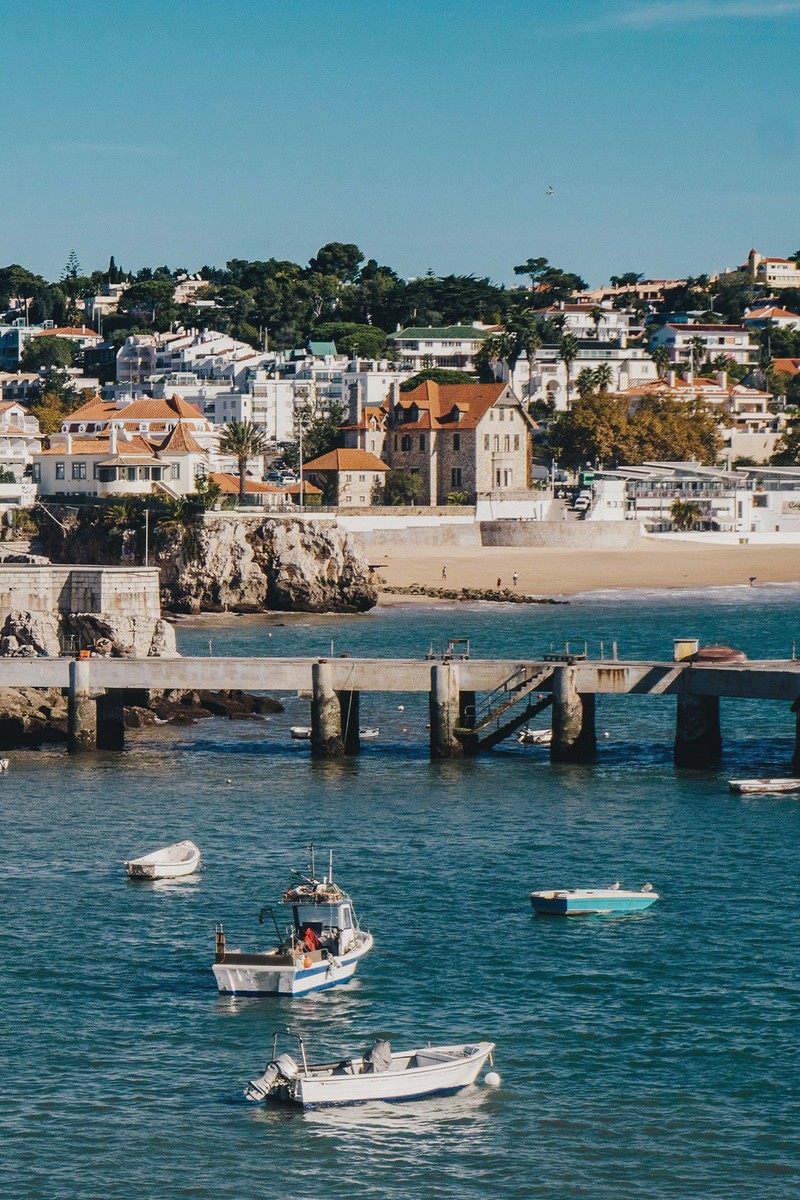
The Lisbon coastline is lined with beaches of distinct characters. Belle Époque Estoril centres on its grand casino and palm-lined promenades – its Tamariz beach connects to Cascais by a scenic coastal walkway. Cascais itself has evolved from fishing village to sophisticated resort with a marina, pedestrianised old town, and protected sandy beaches like Conceição. To get here, take a 40-minute train from Cais do Sodré – Carcavelos, halfway into the journey, has another nice beach. South of Lisbon, Fonte da Telha and Costa da Caparica have wider, less-developed beaches with dunes and Atlantic surf, popular with locals but requiring a bus or car to reach.
BACK TO: Main Page | JUMP TO: The Best Places To Eat In Lisbon
Or continue to comment as a Guest below
DISCLAIMER: We endeavour to always credit the correct original source of every image we use. If you think a credit may be incorrect, please contact us at info@sheerluxe.com.
/https%3A%2F%2Fsheerluxe.com%2Fsites%2Fsheerluxe%2Ffiles%2Fwebsite-images%2F2025%2F03%2Fsign-up-pop-up.jpg)