The Founder Files: Amy Shaw, Fuchsia Shaw
Can you tell us a bit about your background?
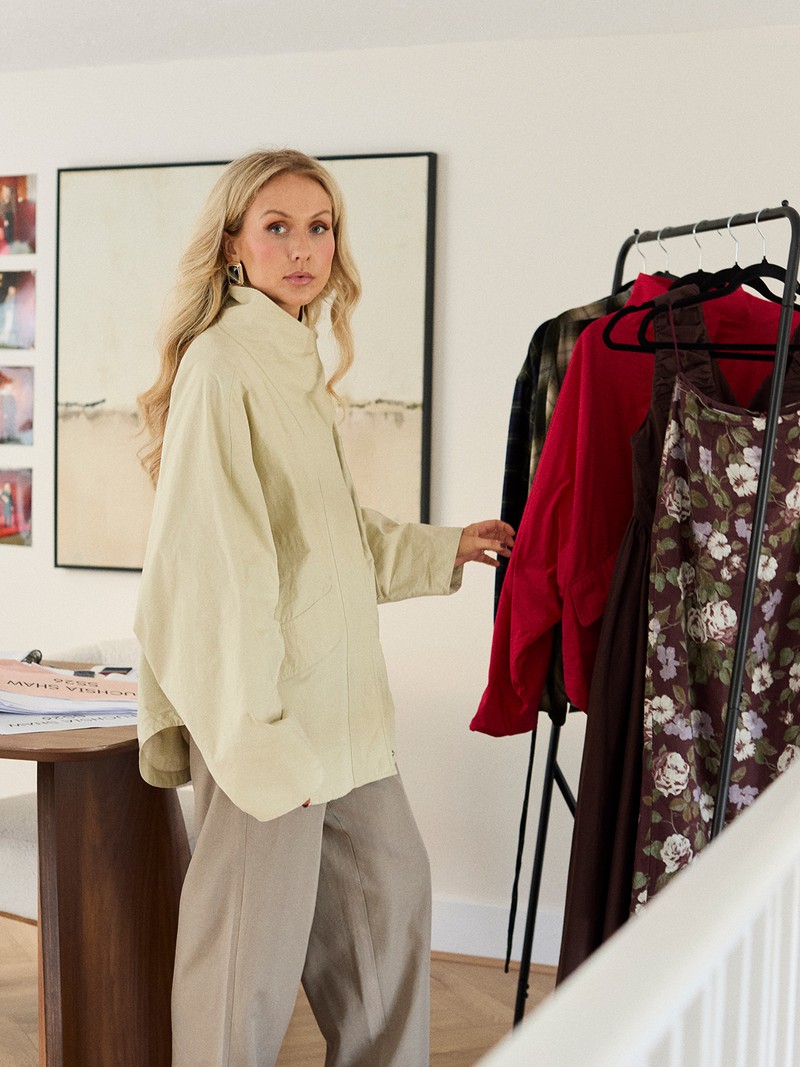
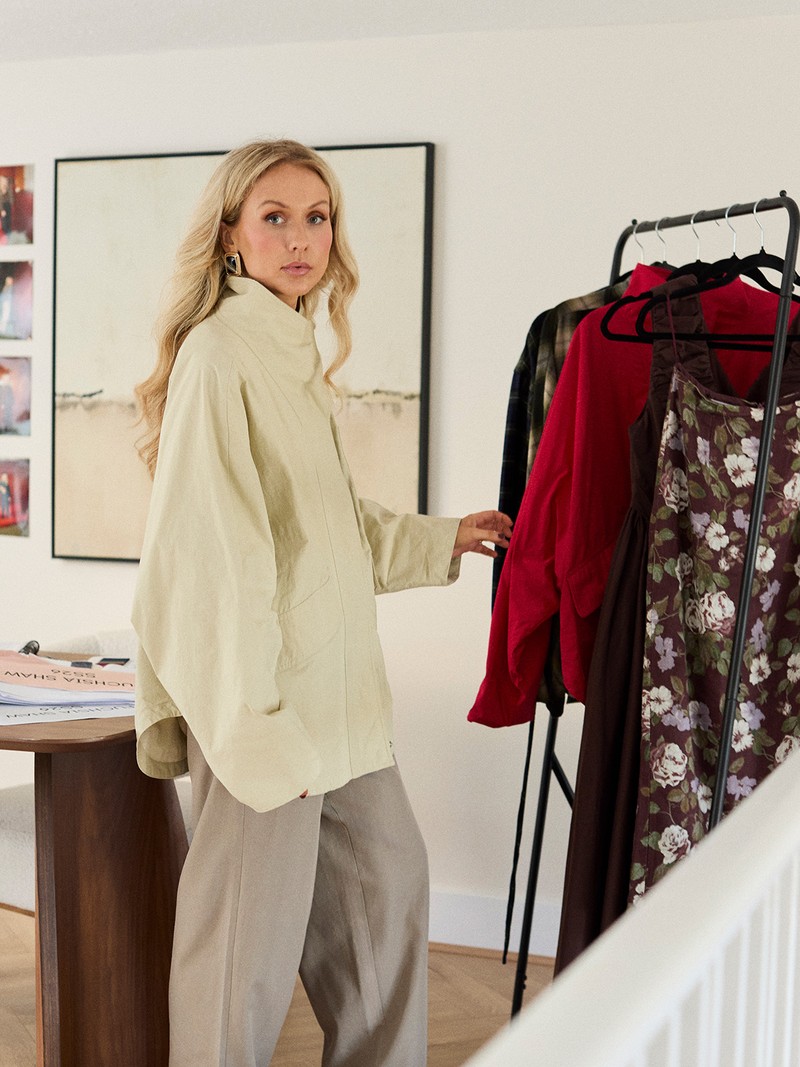
I studied costume design, which gave me a strong foundation in garment construction and the technical side of clothes. After graduating, I worked across wardrobe departments for film, theatre and music videos, and I also did some celebrity styling. At the same time, I was hand-making pieces, selling them on Depop and sharing my outfits online. I’ve always seen fashion as an art form. I love what clothes say about us – the craftsmanship, the detail, the design. It’s something I’ve always found endlessly inspiring.
Was founding your own label always the goal?
I always knew I wanted to work creatively with clothes but I didn’t grow up thinking I’d become a business owner. For a long time, having my own brand felt like a delusional dream. It took years to be able to believe I could actually do it. Now, I can’t imagine doing anything else.
What was the original idea behind Fuchsia Shaw – and how close is that to what the brand is today?
The idea was quite simple. I started designing and making my own clothes because I was bored of the high street and couldn’t afford the designer pieces I loved. I wanted beautiful, considered clothes that felt elevated but were still accessible. That’s exactly what the brand still represents today.
/https%3A%2F%2Fsheerluxe.com%2Fsites%2Fsheerluxe%2Ffiles%2Farticles%2F2026%2F03%2Fsl-editorial-120326-amy-fuschia-shoot-1.jpg)
Were there any early experiences or roles that gave you the confidence to go out on your own?
Before Fuchsia Shaw, I was hand-making bodycon party dresses and swimwear and selling those pieces online, and they were genuinely flying. I remember thinking, if people are buying these, imagine what could happen if I put this energy into designs I’m completely obsessed with. That was definitely a turning point for me.
Who or what has influenced your aesthetic the most?
Probably the Phoebe Philo era of Céline. That effortless, slightly oversized minimalism really shaped my taste. But I also love old-world details and a bit of romance – flowers, tailoring, interiors. I’m always drawn to things that feel timeless with a slightly nostalgic edge.
Was there a specific moment when you realised this was something you should pursue seriously?
From 2018 to 2022, I ran the brand quite casually. It started as a fun hobby that, if I’m honest, got a bit out of hand. Eventually I had to close it because I hadn’t built the foundations properly. Time away made me realise how much it meant to me. I’d created something special – I just hadn’t approached it in the right way. When I relaunched in 2024, I came back with a completely different mindset. I knew I had to treat it like a real business, not just a creative outlet.
Was there an early decision that ended up shaping the direction of the brand more than you expected?
Probably deciding not to try and replicate what bigger, traditional brands were doing. We simply didn’t have the capacity to keep up and instead of fighting that, I leaned into it. Designing pieces I genuinely wanted to wear, launching in a slower, more considered way and accepting that we’re a small team has really shaped the direction of the brand.
What was the biggest challenge you faced in the first year of launching?
Honestly, anticipating reactions to designs. You spend months obsessing over something – the fit, the fabric, every tiny detail and then you put it out into the world and just… wait. Selling out is obviously amazing but it can also be strangely frustrating. You want everyone to get one, you want to produce more and you’re constantly trying to balance demand with risk. Mastering that tension has probably been the biggest learning curve.
What surprised you most about the reality of starting a fashion business?
Just how much responsibility comes with it. It’s not just designing clothes – it’s managing cash flow, production delays, customer expectations and a team. You have to think so far ahead all the time, which is something I’m getting better at.
/https%3A%2F%2Fsheerluxe.com%2Fsites%2Fsheerluxe%2Ffiles%2Farticles%2F2026%2F03%2Fsl-editorial-120326-amy-fuschia-shoot-3-v2.jpg)
How have you approached balancing creativity with the commercial side of things?
Honestly, I don’t really separate the two – I’m in both headspaces every single day. I’ll go from obsessing over a neckline or fabric to looking at margins and stock levels in the same afternoon. When you’re a small independent brand, you have to handle the less glamorous parts as well as the creative ones. That said, I do feel like I’m being creative in some way every day.
How important has social media been in building the brand?
Social media is really where our community started and it’s still how most people discover us. What I love most is that it’s a genuine two-way conversation. We can hear feedback instantly, chat to customers directly and see how people are actually wearing the pieces. Being tagged in customer photos never gets old. Sometimes you can even feel the energy around a launch – I can tell how excited people are just by how full my DMs are on drop day.
Do you see platforms like Instagram as more of a creative tool, a marketing tool or both?
Definitely both. I genuinely love creating content – we get very excited about ideas at Fuchsia Shaw. Of course, it’s a marketing tool but it’s also a creative outlet. It’s where we experiment, tell stories and bring the pieces to life beyond product shots. It’s never felt like just a means to an end.
What’s one mistake you made that taught you something valuable?
Closing the brand the first time. At the time it felt like a huge personal failure. I took it hard and convinced myself I just wasn’t good enough – especially when it seemed like other people were getting everything right. But I’ve realised there’s no real competition except yourself. It taught me some big lessons. I won’t make the same mistakes again and I’m a much tougher, more resilient business owner because of it. Relaunching forced me to be more intentional, more patient and more strategic. It completely changed how I operate.
Have there been moments where you’ve questioned the process?
Definitely. I think self-doubt is part of building anything independently. Now I try to be much more analytical about things. I zoom out, look at the bigger picture and focus on what I can control and improve next time.
/https%3A%2F%2Fsheerluxe.com%2Fsites%2Fsheerluxe%2Ffiles%2Farticles%2F2026%2F03%2Fsl-editorial-120326-amy-fuschia-shoot-4.jpg)
How do you maintain authenticity online while also growing the business?
I try not to present the brand as something it isn’t. We’re a small independent team and I’m honest about the realities of that. It’s something I might have been embarrassed about in my 20s but now I’m genuinely proud of it. I design what I want to wear and I talk about the brand the same way I’d talk to a friend.
What do you think customers are really responding to right now?
People are responding to good design that genuinely works for real life. Pieces you can style multiple ways but that also function well. There’s a craving for quality, consistency and ease – clothes that feel chic but wearable. Not throwaway trends but pieces you reach for time and again.
How would you describe the Fuchsia Shaw woman?
She loves beautiful things for beauty’s sake but she’s also busy and multifaceted. She has a full life, and she needs her clothes to work hard for her. She wants to feel put-together without overthinking it – polished but never try-hard.
What does success look like for you at this stage?
Right now, success looks like creative fulfilment, stability and steady growth. It’s about building something sustainable but exciting – designing pieces I’m proud of, working with amazing creatives, rewarding the team properly and continuing to reinvest back into the brand.
What can we expect from Fuchsia Shaw over the next six months?
Over the next six months, I’m doubling down on design and really pushing for pieces that feel even more considered and elevated. We’re also putting more energy into creative campaigns that feel exciting and slightly unexpected. And I’d love to connect more in real life – bringing the brand off-screen and into physical spaces with our community.
Sustainability is an increasingly important conversation in fashion – how are you approaching responsible design and production as a new brand?
For me, responsible design starts with longevity. I’m far more interested in creating pieces people wear for years than chasing constant newness. We produce in smaller quantities – often using pre-order to avoid overproduction and I’m very conscious about fabric choice, quality and construction so the pieces genuinely last. From natural fibres to recycled fabrics and thoughtful details like wooden buttons, we think carefully about every element.
Are there any specific materials, processes or supply chain decisions you’ve prioritised to ensure the brand is building with longevity in mind?
We’re very careful with quantities and we test demand and avoid overproduction wherever possible. That’s probably the biggest decision. Beyond that, I focus on natural or recycled fabrics and strong construction. There’s no point talking about sustainability if the piece doesn’t actually last.
Visit FUCHSIASHAW.COM
Photography Victoria Adamson
Or continue to comment as a Guest below
DISCLAIMER: We endeavour to always credit the correct original source of every image we use. If you think a credit may be incorrect, please contact us at info@sheerluxe.com.
/https%3A%2F%2Fsheerluxe.com%2Fsites%2Fsheerluxe%2Ffiles%2Fwebsite-images%2F2025%2F03%2Fsign-up-pop-up.jpg)