How A Nutritionist Gets Her Recommended Fibre Intake Every Day
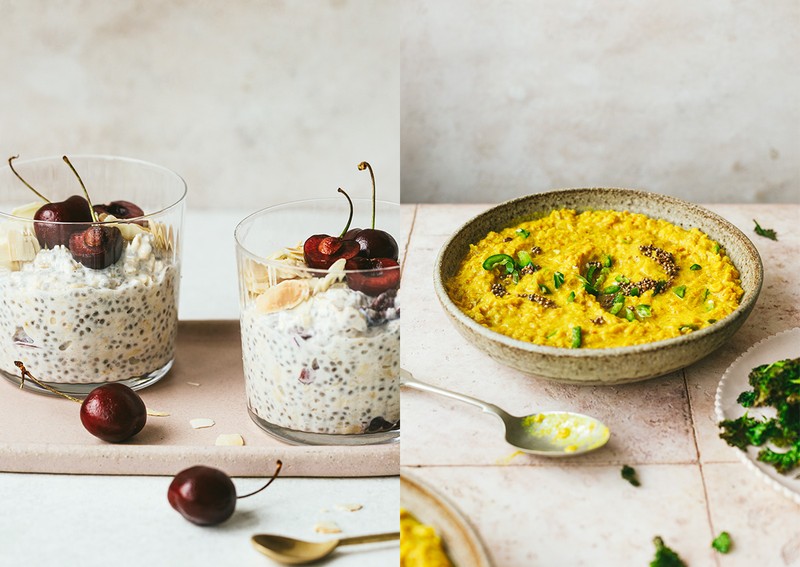
Breakfast sets the tone. Most mornings, I keep things simple – overnight oats with chia seeds, berries, ground flaxseed and nuts; or rye toast topped with eggs and avocado – a surprisingly good fibre source – and a big pile of herbs and leafy greens on the side. I’m a strong believer that breakfast should be satisfying not virtuous. It needs to fill you up and keep energy steady until lunch, without the need for mid-morning snacks. Right now, my cherry Bakewell overnight oats are on repeat – they have 11g of fibre per serving, which is more than a third of the daily 30g target. I prep a few in advance and keep them in the fridge.
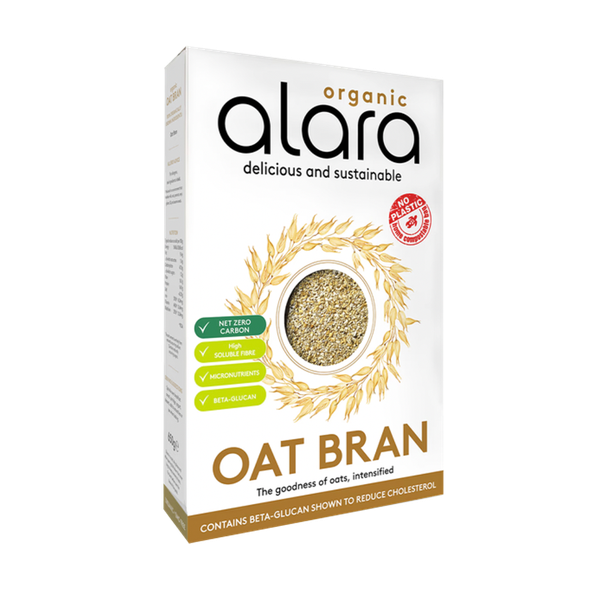
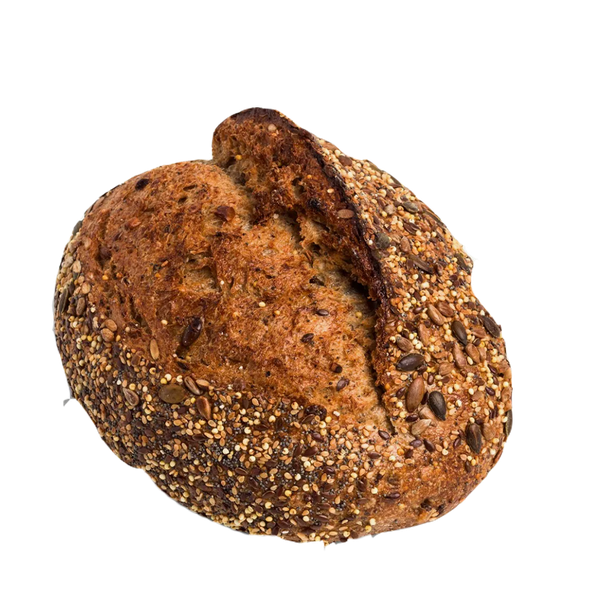
Oat bran is a smart way to upgrade your porridge. Jumbo oats are my number one kitchen staple – they’re affordable, quick and endlessly adaptable – but if you want to go one step further, oat bran is brilliant as it contains almost double the fibre of standard porridge oats. I also buy good-quality seeded sourdough, slice it up and freeze it. Not only does that cut down on food waste, but freezing and reheating bread increases resistant starch – a type of fibre your gut microbes thrive on. The same principle applies to cooked and cooled potatoes, pasta and beans too.
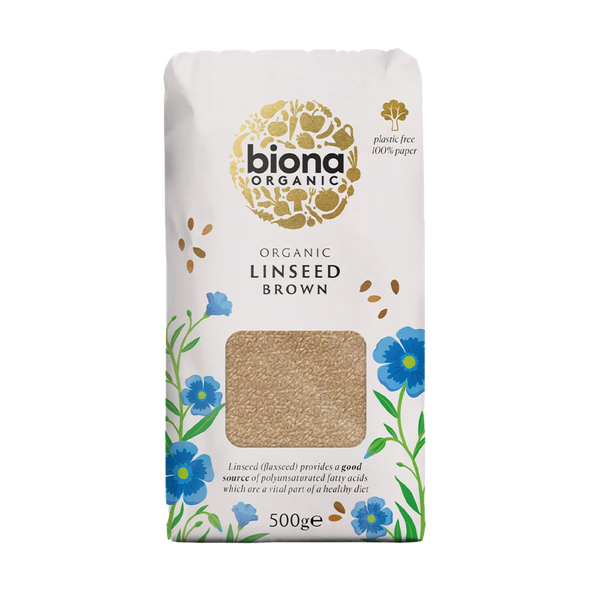
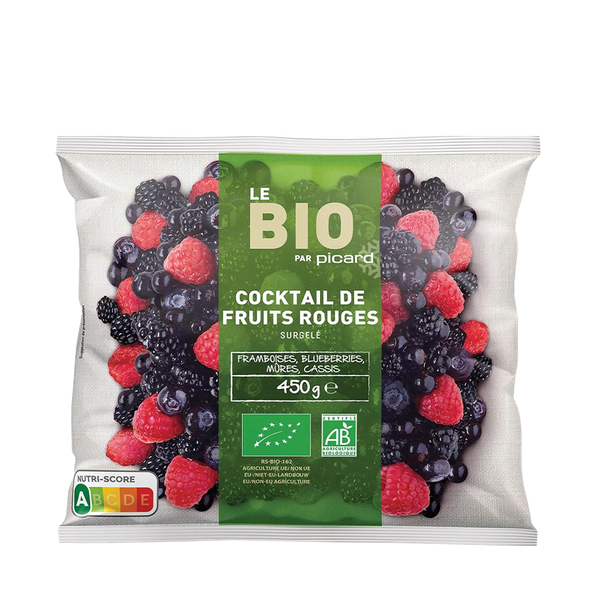
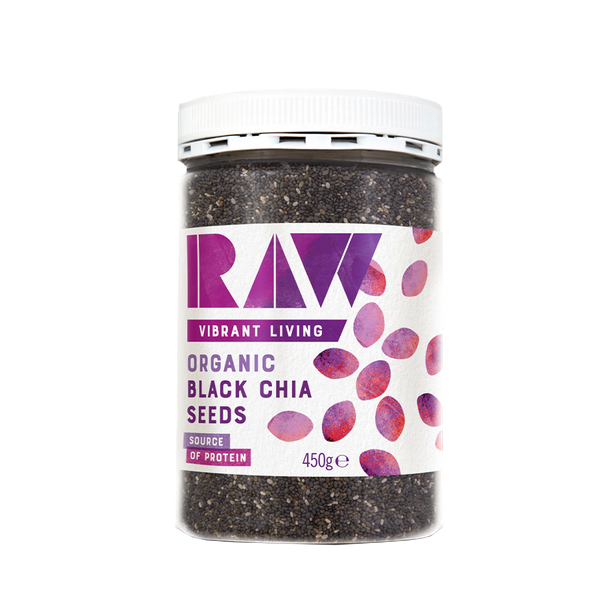
It's the extras that add up. I eat seeds every day. Ground flaxseed, chia or mixed seeds sprinkled over porridge, yoghurt or toast instantly adds fibre, texture and crunch. Frozen mixed berries are another easy win – no chopping, no waste, always available and far more affordable than fresh. There’s always a bag of wheat bran in my cupboard, too. It’s an old-school fibre hero – just a tablespoon stirred into overnight oats or chia pudding is an easy way to boost your daily total. I also tend to choose slightly greener, less ripe bananas, as they’re higher in prebiotic fibre – the kind that feeds your gut microbes.
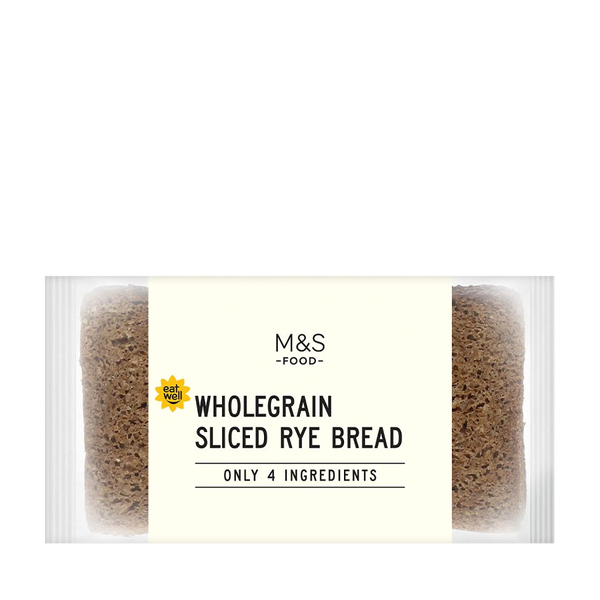
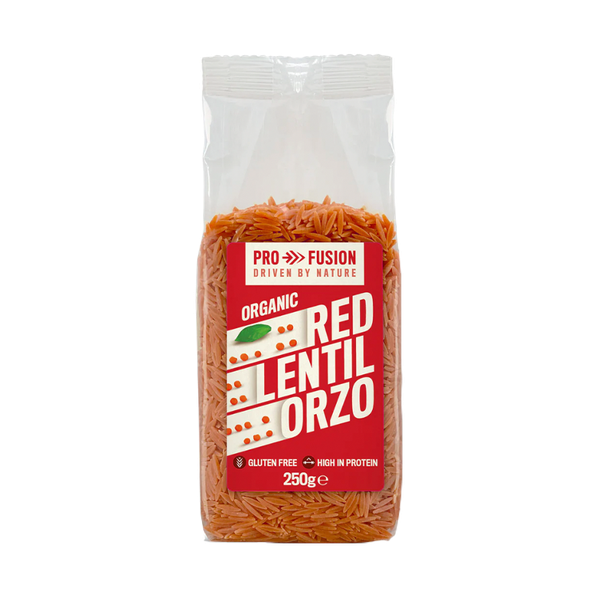
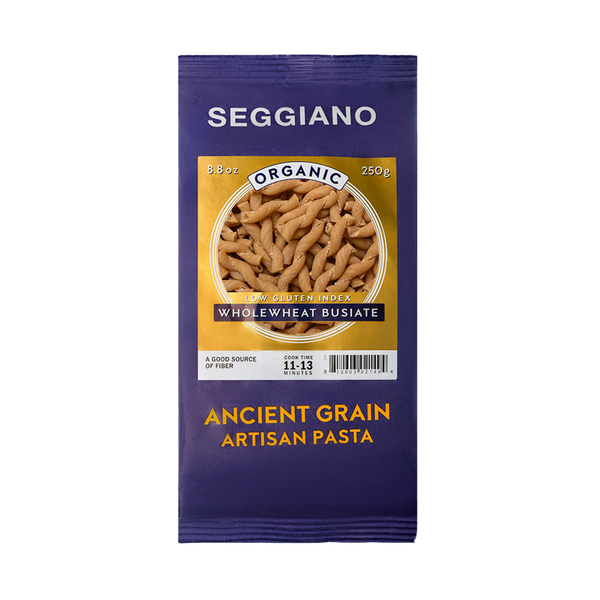
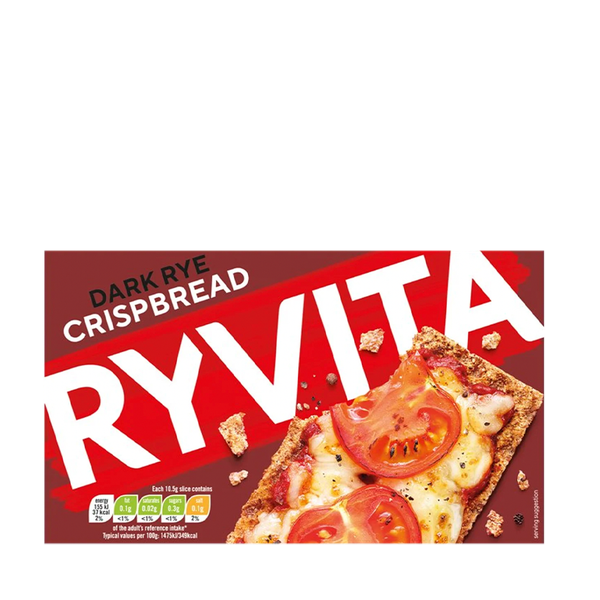
Simple swaps make the biggest difference. Instead of white bread, I’ll reach for seeded sourdough, rye or wholegrain, and I swap white rice for brown, red or black rice, or quinoa when it suits the meal. Regular pasta becomes wholewheat or a legume-based version – try easing kids in with a half-and-half mix – while crisps are an easy switch for popcorn. I’ve also swapped everyday crackers to dark rye Ryvita, choose bran flakes or Weetabix over cornflakes, and opt for whole oranges rather than juice. Even small changes count – milk chocolate becomes dark, and mayonnaise is often replaced with hummus or avocado.
Some of the best sources are hiding in plain sight. Frozen vegetables are a lifesaver, while potatoes kept in their skins deliver far more fibre than most people realise. Frozen peas are another hero, offering both protein and fibre, as are edamame beans and sweet potatoes, particularly when roasted. Even foods we don’t typically think of as ‘fibre-rich’ play a part – dark chocolate, coffee (around 2g per cup) and cacao all contribute small amounts. Fibre isn’t just boring, beige food.
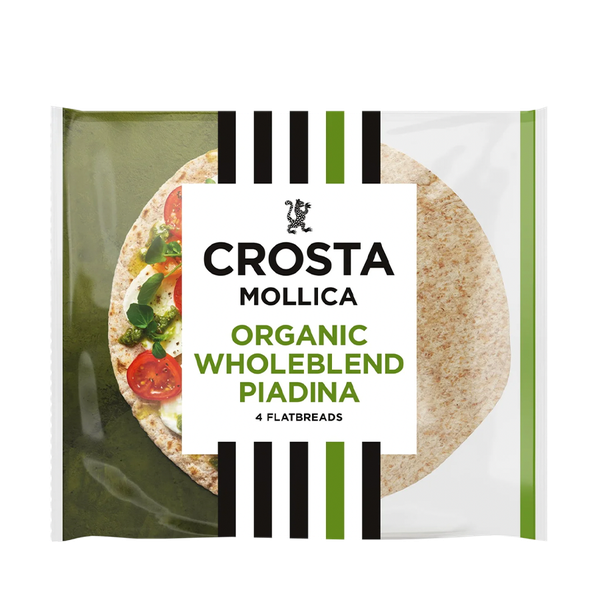
Lunch is often leftovers. It’s usually the previous night’s dinner bulked out with extra vegetables or beans, or a large salad with lentils, grains and a protein source. I like minimally processed wholemeal wraps – Crosta & Mollica are a good option – filled with leafy green hummus, cucumber, grated carrot, avocado and whatever protein I fancy. Dinner tends to be a bean-packed chilli, a vegetable-rich traybake or a chickpea-based curry.
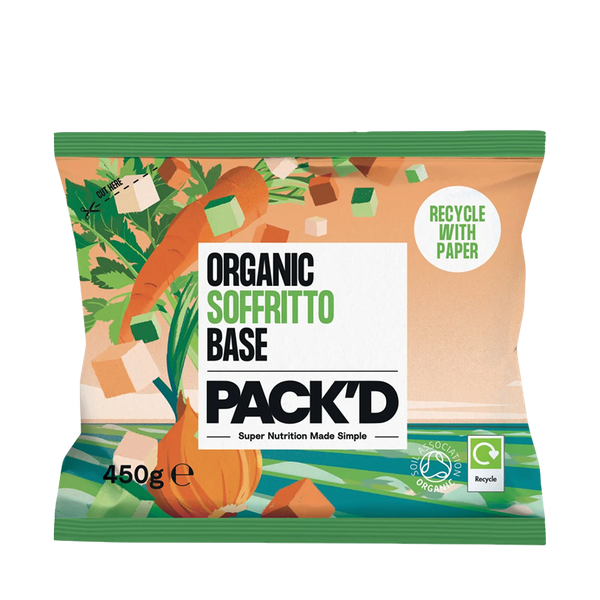
Efficiency is everything. Soffrito lives in my freezer as a base for soups, stews and curries, saving on endless chopping. I rely on tins and jars of beans, lentils and chickpeas. Pears are a fruit staple thanks to their sorbitol content, which gently supports digestion, and kiwis are another favourite – they contain actinidin, an enzyme that helps break down protein and keeps things moving comfortably.
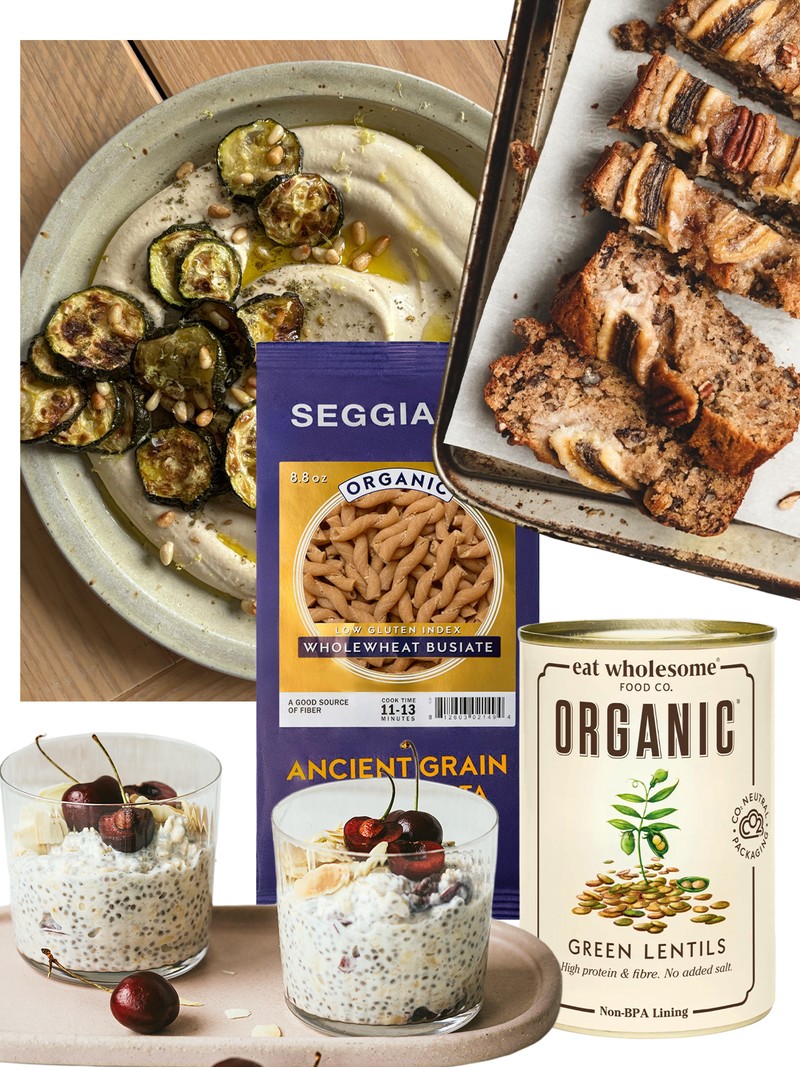
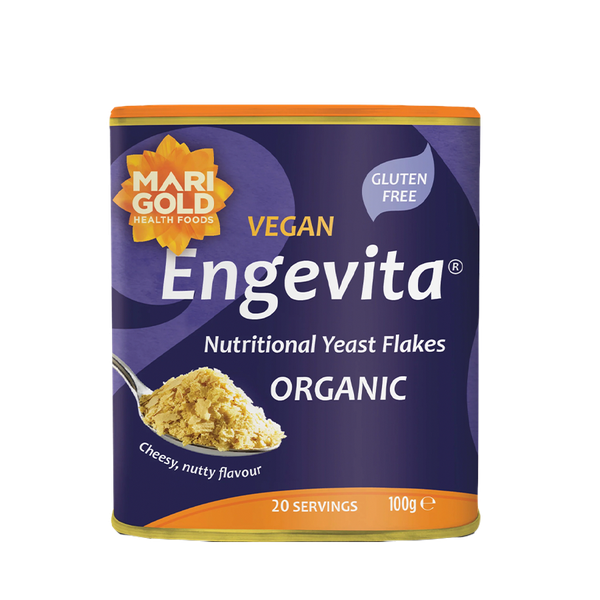
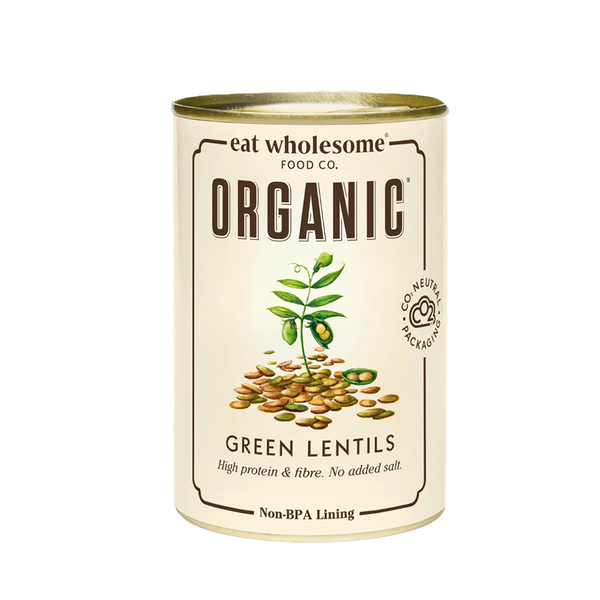
Tinned lentils are particularly underrated. I add them to pretty much everything – soups, sauces, curries and salads. Chickpeas are just as versatile, whether roasted for a snack or tossed through pasta. Nutritional yeast is another fibre hack – with around 3g of fibre per tablespoon, it also adds a subtle cheesy flavour and works well stirred into risottos or scattered over pasta in place of parmesan.
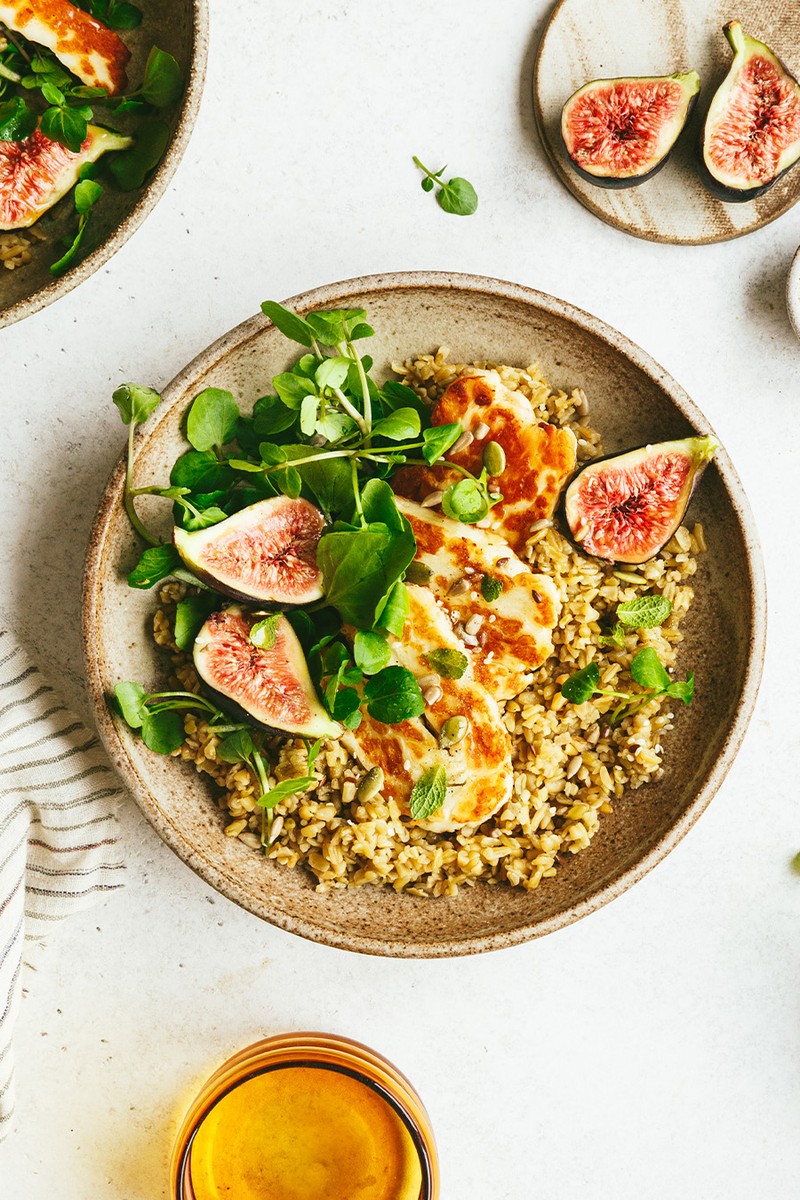
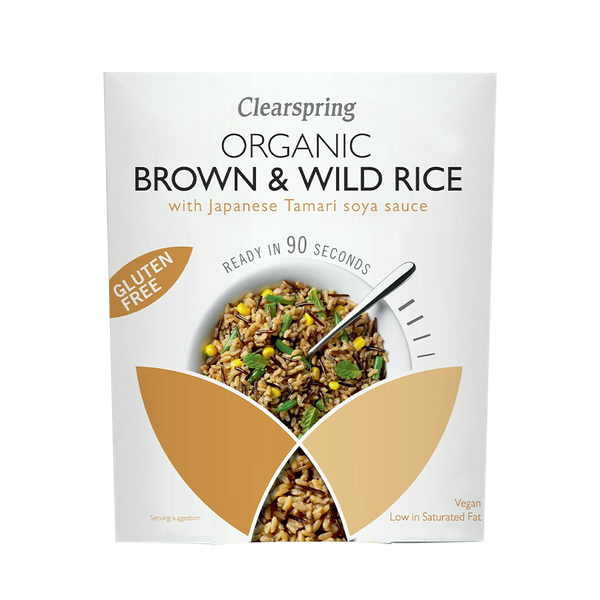
Pouches of pre-cooked grains are one of my favourite shortcuts. The range has never been better – look for blends with rice, quinoa or freekeh. And keep the skins on fruit and vegetables wherever possible – carrots, cucumbers, kiwis, potatoes, apples and pears – for an easy fibre lift.
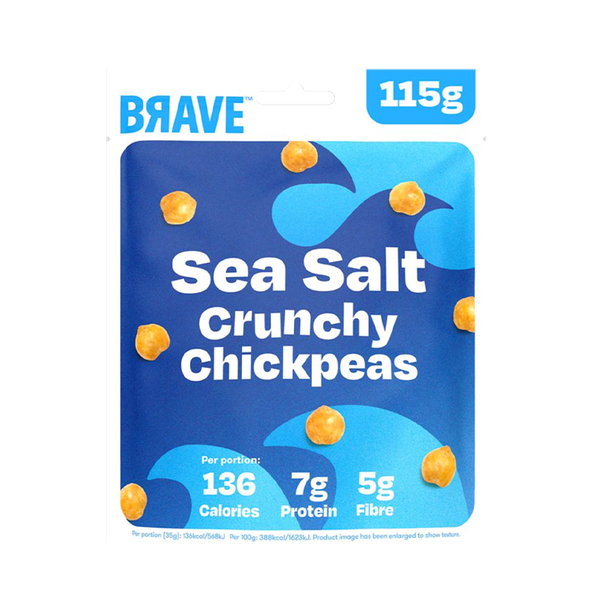
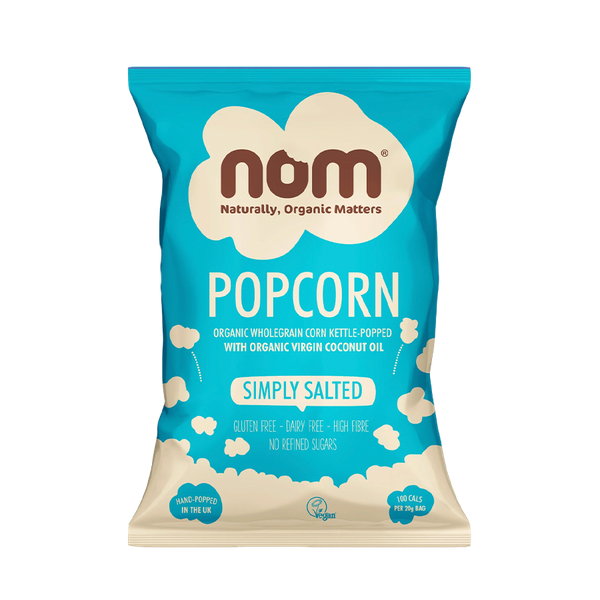
Snacks don’t have to be complicated. On the go, it’s usually fruit – raspberries and blackberries are favourites because they contain a lot of fibre – along with mixed nuts or popcorn. At home, I’m more likely to have mini chia puddings, hummus with sugar snaps and carrots, or dark rye Ryvita topped with cottage cheese and slices of kiwi fruit. Nuts are also great, especially chocolate-dipped hazelnuts from Holland & Barrett, and BRAVE roasted chickpeas.
Fibre supplements can be useful – but they’re not a replacement for food. They can help if intake is very low, or during periods like travel or appetite changes. I see them as a bridge rather than a long-term solution. Look for blends of different prebiotic fibres that provide around 10g per serving. Psyllium husk can also be helpful, especially for bulking stools, but it’s important to drink plenty of water alongside it.
When I consistently hit my fibre target, the difference is noticeable. I feel lighter and more energised, my appetite feels calmer and more regulated, digestion is smoother and mid-afternoon energy crashes all but disappear. There’s also a sense of things working better in the background – steadier blood sugar, fewer cravings, better mood and more consistent energy throughout the day. It may not be glamorous, but fibre is one of the cornerstones of feeling good – and that’s precisely why it deserves more credit.
Visit EMMABARDWELL.COM
The Fibre Effect is available to buy now at AMAZON.CO.UK
Shop Emma’s fibre-rich picks here
Seggiano,
DISCLAIMER: We endeavour to always credit the correct original source of every image we use. If you think a credit may be incorrect, please contact us at info@sheerluxe.com.
/https%3A%2F%2Fsheerluxe.com%2Fsites%2Fsheerluxe%2Ffiles%2Fwebsite-images%2F2025%2F03%2Fsign-up-pop-up.jpg)