How These Wellness Experts Support Their Hormones Daily

Jess Shand
Naturopathic Nutritionist
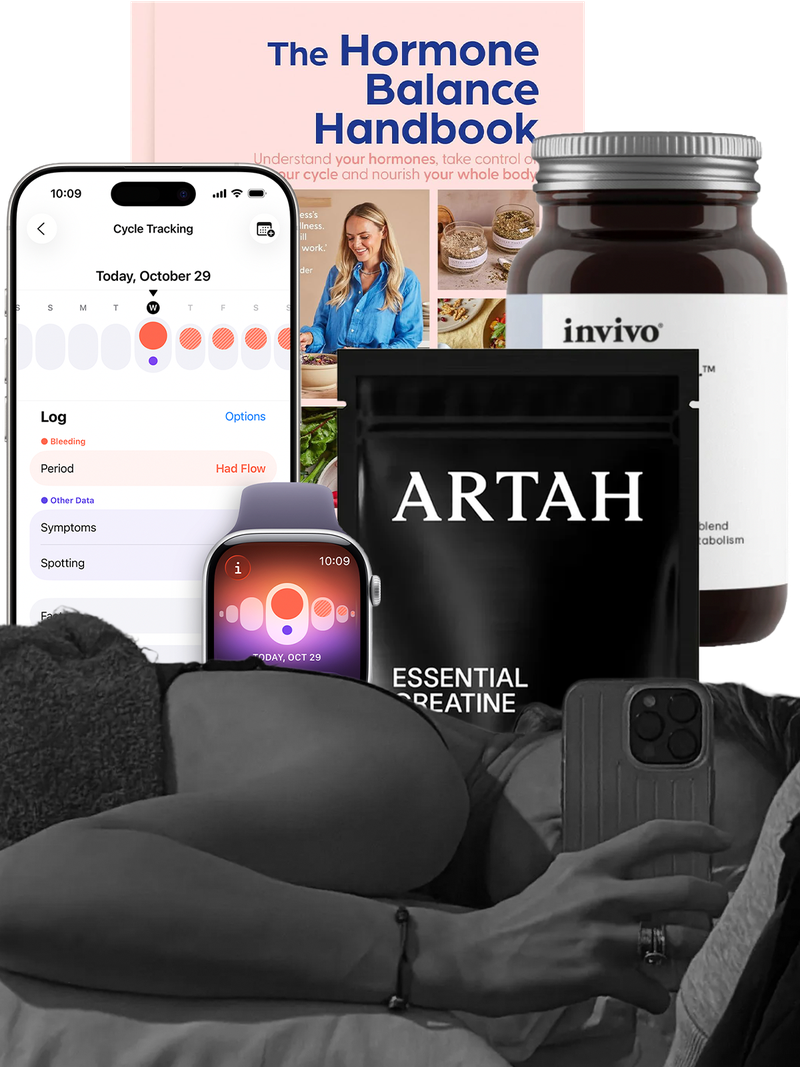
I’m currently on a fertility journey, so I’m doing everything I can to support my hormones. One of the habits that’s made the biggest difference is eating within 30-60 minutes of waking up. I used to skip breakfast, convinced it would help me stay lean and relied on coffee to get going – no surprise, I’d crash by mid-morning, feeling wired, anxious and starving. Eating early tells your body it’s safe, supported and fuelled – and that changes everything for hormonal balance.
Eggs are a daily staple. They’re a nutrient powerhouse, supporting female egg quality and reproductive health. I have two eggs every morning with half an avocado, greens and seed-cycling seeds or Greek yoghurt with homemade granola, berries, bee pollen and seeds. I also drink Holy Cacao Focus most mornings, and save coffee for once or twice a week when I really fancy it.
I never skip meals. I’m very intentional about eating three proper meals a day, each including protein, fibre, complex carbs and healthy fats – the foundation of what I call a hormonally balanced bowl. Eating this way sends a powerful message to the body – that there is enough fuel available to carry out essential hormonal functions. When the body trusts nourishment is coming consistently, hormones respond more favourably.
Stress is often the missing piece in the hormone puzzle. Beyond diet, supplements and workouts, it’s the state of your nervous system that sets the tone for everything else. When the body is living in a constant, low-level fight-or-flight mode, it doesn’t register safety – and without safety, balance is impossible. In a chronically stressed state, the brain’s hormonal control centre shifts focus away from optimisation and towards survival, conserving energy rather than supporting ovulation, repair or regulation. In other words, you can’t out-supplement or out-train a stressed system. Learning to regulate stress isn’t a ‘nice to have’ – it’s essential.
Sleep is another non-negotiable. It’s when the body resets and repairs. I’m in bed by 9.30pm most nights and asleep by 10pm – that one habit alone has moved the needle more than almost anything else.
I also make time for weekly acupuncture. It’s become a ritual – a moment to come back into my body and reconnect. I pop my earphones in, listen to a guided meditation and let the treatment work its magic. Hormone health starts in the brain and that sense of calm is a powerful reset.
Visit EATNOURISHANDGLOW.COM
Hannah Alderson
Nutritionist & Hormone Specialist
One of the most common misconceptions is that hormones are the enemy. In reality, they’re simply messengers – responding to how safe, supported and nourished the body feels. Even cortisol, so often demonised, is just trying to help you cope. When stress is high, sleep is patchy and nutrition isn’t quite right, the body reads that as danger – and your hormones respond accordingly.
The biggest shift for me came when I started eating breakfast consistently – and early. I used to skip it and train fasted, which sent my cortisol levels into overdrive. Once I began eating within 90 minutes of waking – with a good balance of protein, colourful fibre, carbs and healthy fats – everything changed. My energy evened out, my cravings calmed down and I felt more emotionally steady.
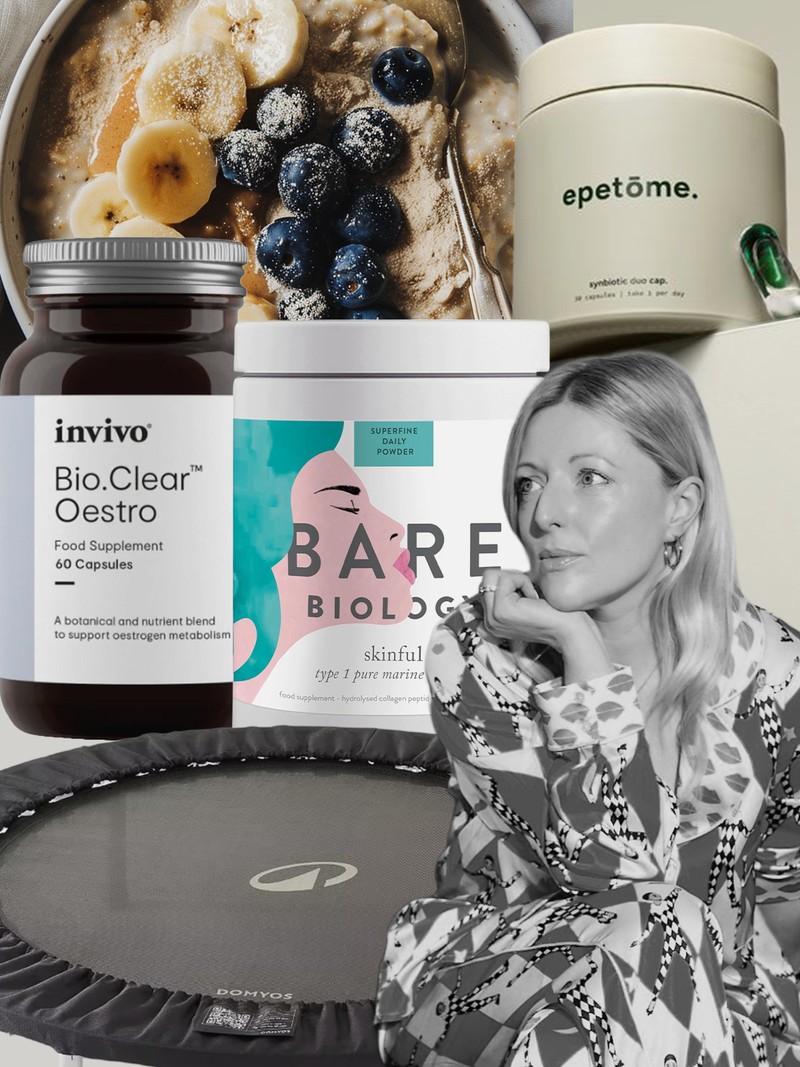
Now, breakfast is often overnight oats with berries, kiwi and flaxseed, or a smoothie with Bare Biology collagen. Lunch and dinner follow the same principles – protein, healthy fats and lots of colour. I build my meals around what I call a ‘rainbow plate’, whether that’s soups, bone broth stews, fish or sweet potatoes. I don’t tend to snack but if I do, it’s something light and nourishing like miso soup, a piece of fruit with nuts or a rice cake with almond butter.
Given my history with endometriosis, I’m intentional about supporting oestrogen clearance. That means getting enough fibre and protein to support the gut and liver, plus daily cruciferous veg, fermented foods, ground flaxseed and oily fish, like sardines. I also use supplements like Invivo Bio.Clear Oestro and Epetome probiotics to offer extra support.
My approach to movement has evolved, too. I’ve swapped long cardio sessions for strength training and gentle, hormone-supportive exercise. Rebounding – a rhythmic, low-impact form of movement – is a daily go-to for me. It helps stimulate lymphatic flow, support detoxification and soothe the nervous system. I still enjoy running but it’s always fuelled properly beforehand. Strength training is a priority now – not just for hormone support, but for long-term metabolic and bone health as I approach 40.
Supporting your hormones doesn’t have to be complicated. For me, it’s about starting small, building consistency and creating habits your body can rely on.
Visit HANNAHALDERSON.COM
Dr Liza Osagie-Clouard
Doctor & Founder Of SOLICE
It wasn’t until I started feeling a little ‘off’ that I realised my hormones were trying to tell me something. Those subtle signals – like dips in energy, mood shifts and disrupted sleep – were never random. They were early signs that my body needed a different kind of support.
For so many women, hormonal health is only really discussed during milestones like puberty, pregnancy or menopause. But hormones shift constantly – they respond to how we live every single day. And for many women, the postnatal period and early motherhood can bring deep, quiet changes to hormone patterns and brain chemistry that deserve far more attention.
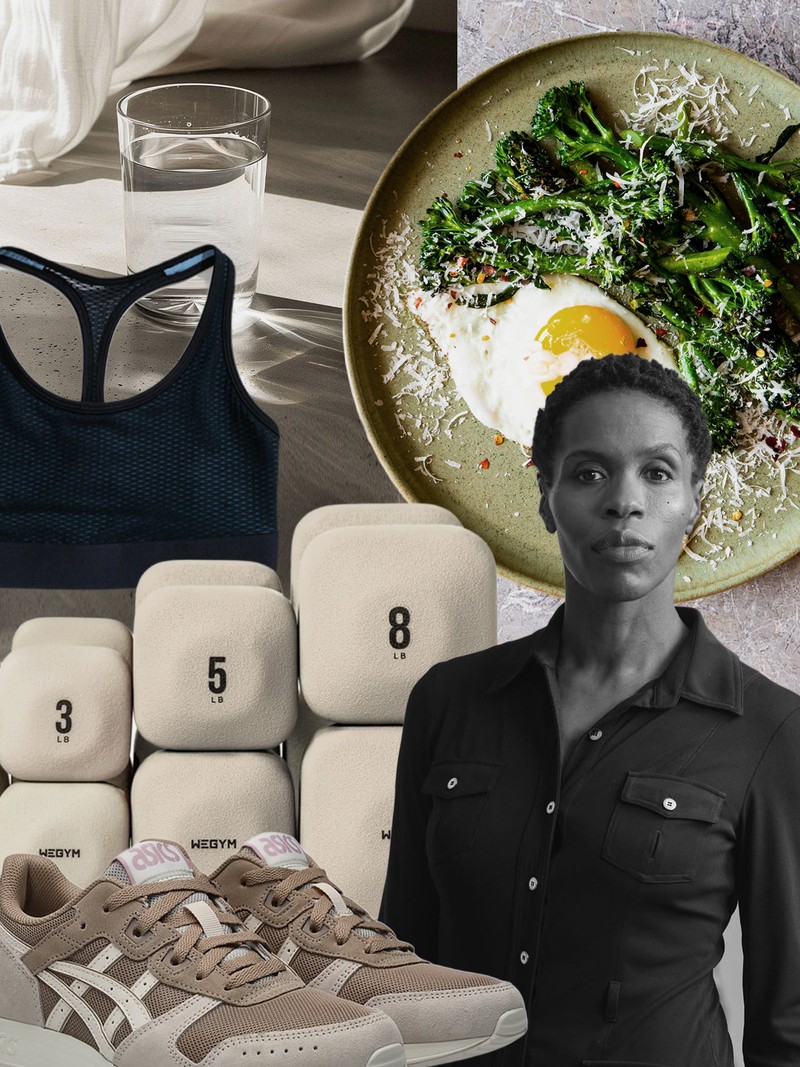
One of the most impactful shifts I made was simply eating enough, regularly. As women, we often underestimate how much under-eating can stress the body. Prioritising protein earlier in the day and fuelling consistently throughout has had a significant effect on how I feel.
I’m also mindful of ultra-processed foods and stimulants – not because I restrict myself but because I’ve noticed how much they affect my energy, sleep and mood. I still enjoy coffee but I use it intentionally rather than reaching for it on autopilot.
Strength training has become a cornerstone of how I care for myself. I’ve moved away from high-intensity cardio and now focus on building strength, supporting bone density and improving insulin sensitivity – all of which play a huge role in hormone balance. Walking is a non-negotiable part of my day, helping me regulate stress and stay grounded. I give recovery the same importance as effort – because resilience isn’t built through intensity alone.
The more I tune in, the more I understand that hormone health isn’t about doing more. It’s about creating the conditions – mentally, physically and emotionally – that allow your body to function at its best.
Visit SOLICE.HEALTH
Dr Jo Mennie
Women’s Health Research & Medical Doctor
What I’ve learned – and see every day – is that hormones are deeply woven into daily life. They don’t operate in isolation. Melatonin affects how well I sleep, cortisol influences my energy, skin, digestion and mood, and all of it responds to how I eat, move, sleep and manage stress. Hormones are always paying attention, whether we are or not.
To keep mine steady, I focus on a few core foundations. I protect consistent sleep and wake times, because I know my morning cortisol rhythm directly affects my evening melatonin and sleep quality. I eat regularly and prioritise protein to keep blood sugar stable and avoid unnecessary stress hormone spikes. And I strength train, because muscle is metabolically active tissue and one of the most powerful tools we have for long-term hormonal resilience.
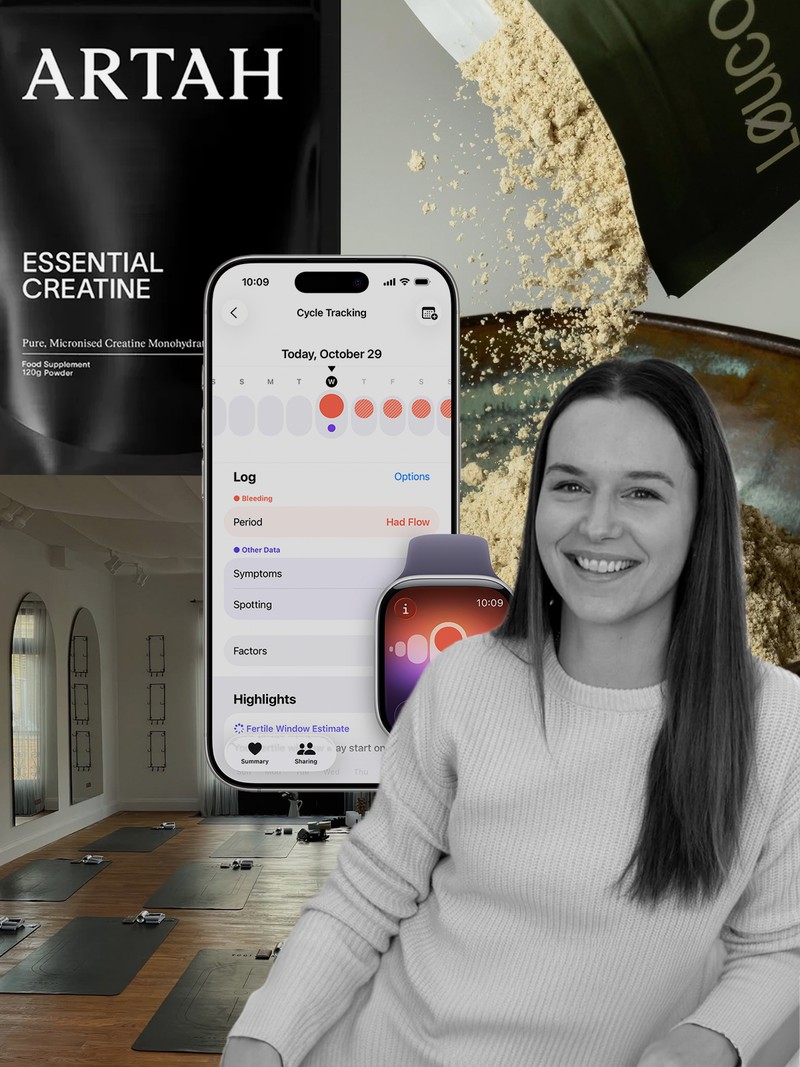
Tracking my cycle has been hugely helpful. Hormones rise and fall across the month, and understanding those patterns has helped me adapt how I train, work and rest. I use wearable tech to track it – it makes the process simple and offers real insight into how I’m doing week to week.
A protein-rich breakfast is one of my everyday anchors. On busy mornings, I keep it quick and simple – Greek yoghurt or a quality protein shake with Louco powder – because skipping breakfast is one of the fastest ways to dysregulate blood sugar and hormones.
Nervous system support is just as important as nutrition. I regularly check in with how I’m feeling and give it a name – that small act alone can diffuse stress. If I need more, I use breathwork, especially slow exhales, to help shift out of fight-or-flight. It’s quick, free, and incredibly effective.
Creatine is one supplement I personally take and rate highly. Around 3g daily supports muscle, strength and cognitive function, and I often consider it for women approaching perimenopause. It’s a practical addition when the foundations are already in place.
I always say: start with what you do every day. Eat enough. Prioritise sleep. Stabilise blood sugar. Before adding more in, look at what you can gently reduce, especially ultra-processed foods and alcohol. These small, repeatable choices are the ones that shift hormones in a way that lasts.
Follow @DRJOMENNIE
Or continue to comment as a Guest below
DISCLAIMER: We endeavour to always credit the correct original source of every image we use. If you think a credit may be incorrect, please contact us at info@sheerluxe.com.
/https%3A%2F%2Fsheerluxe.com%2Fsites%2Fsheerluxe%2Ffiles%2Fwebsite-images%2F2025%2F03%2Fsign-up-pop-up.jpg)