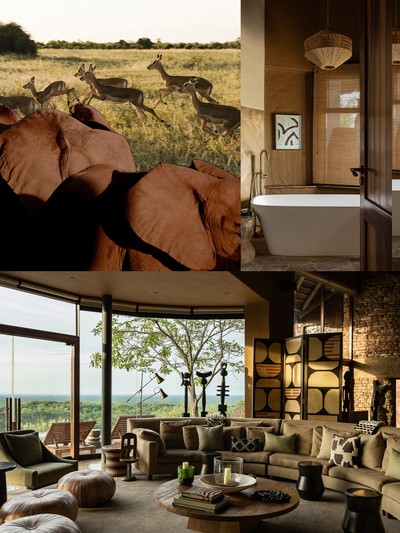
Why Safaris Are This Year’s Hottest Travel Trend
When SheerLuxe fashion broadcaster Polly Newman got married last year, spending her honeymoon on safari was a no-brainer. “We did a safari at Ulusaba in Sabi Sands, South Africa, as our first big trip together and both loved it, so it felt fitting to do another for our honeymoon,” she says. They chose to celebrate their marriage in the Maasai Mara in Kenya, staying at Mahali Mzuri, before going on to do a one-day gorilla trek in Rwanda. “We’re both animal lovers and not really into ‘fly and flop’ style holidays, so it felt like the right balance of some R&R post-wedding, combined with a fun activity.”
Polly’s new-found love of safaris is part of a growing trend for Millennials getting to safaris, a trip that once had a reputation for being a retreat for retirees. “We’ve seen a clear growth in a younger and more intentional audience choosing time in the wild,” says Pride Maunatlala, CMO at Singita, which has ten luxury lodges across Africa. “What’s driving this is a deeper recalibration in how people want to travel. There’s a growing desire for experiences that feel meaningful, immersive and emotionally resonant. Being in vast, untamed landscapes offers exactly that – a sense of space, perspective and connection that is increasingly rare these days.”
SheerLuxe contributor Billie Bhatia feels similarly. Last January, she went on a press trip to Ngala Tented Camp in South Africa. She loved it so much, she's been on two more safaris since – one with her mum and another with a big group of friends. "Safaris are a rare life experience that really give you perspective on the world and your position in it, while also providing the most memorable travel moment," she says. "To be so entrenched in the wild is a humbling experience – it’s a reminder that we are just a cog in a much bigger ecosystem and watching how animals interact, live and die in the most fundamental existence is awe-inspiring, confronting and utterly mesmerising."
“It’s a cliché but seeing animals you might have only seen on TV, in their natural habitat, is magical,” Polly explains. “It’s so vastly different to anything we have at home, or indeed in Europe. The animals are autonomous, so to be able to see them behaving and interacting with each other is a real thrill. I found it an incredibly emotional experience.” Here, four safari experts across African destinations explain why safaris are hotting up…
A SENSE OF PLACE
Abercrombie & Kent pioneered luxury adventure travel with its first African safaris in 1962 when founder Geoffrey Kent brought refrigeration and champagne glasses to the Masai Mara on an ethos of ‘adventure by day, luxury by night’. Now, the A&K Sanctuary portfolio includes 13 beautiful safari lodges and camps across Africa (Kenya, Tanzania, Zambia, Botswana, Namibia and Uganda).
Jennifer Morris, senior global tailormade product manager at A&K, agrees that there’s been an uptick in interest. “Safaris have always held a timeless appeal but we are seeing renewed interest across all age groups, including a slightly younger demographic with honeymooners and families,” she says. “What has changed is the motivation behind travel – there’s a growing desire for something more meaningful and immersive and the adventure of a safari offers.”
Tarryn Lee-Slabber, head of reservations at Time + Tide, which has beautiful safari properties in Zambia and Madagascar, believes that safari delivers that in a way few other trips can. “There’s very little separation between you and the natural world, which creates a rare sense of perspective,” she says. “Safaris allow guests to slow down and delve deeply into a destination – and they’re becoming popular as part of a broader shift towards multi-layered travel. People are looking for journeys that offer contrast and progression. Safari lends itself naturally to that.” For example, guests might combine different regions within Zambia so they can experience distinct styles of safari, then extend into Madagascar for a bush-to-beach experience. Or they might combine time in Kreuger National Park with Cape Town for a city-to-safari escape. “That sense of moving through different landscapes and ecosystems, and experiencing them in different ways, is a big part of the appeal,” Tarryn says.
/https%3A%2F%2Fsheerluxe.com%2Fsites%2Fsheerluxe%2Ffiles%2Farticles%2F2026%2F03%2Fbaines-lodge-full-bleed.jpg)
This concept of time and place isn’t just down to the animals you might spot day to day. Tom Barber, co-founder of luxury global tour operator Original Travel, says the USP of a safari experience is the meaningful interaction with local culture and communities. “We prioritise community-run lodges and work with local guides who consider themselves custodians of the land, so guests are immersed in the local way of life in a non-performative way,” he explains.
This is something Polly enjoyed on her own safari experience in Kenya, where she had the opportunity to visit a Maasai village. “Our safari lodge was largely staffed by local Maasai, so it was really interesting and humbling to see how their communities live and work alongside the wildlife,” she says. “They were very welcoming and explained in detail how they live off the land and the roles of men and women in the community.” Billie agrees. "Safari is more than just the animals, it’s watching nature creak open at dawn and wind down at sunset, it’s seeing what a sky full of stars actually looks like and witnessing a landscape so far removed from your own. The people also make up a huge part of what safari means, understanding different cultures and communities is what brings this whole travel experience to life and it’s that combination of all things – people, animals, place – that makes safari so incredible."
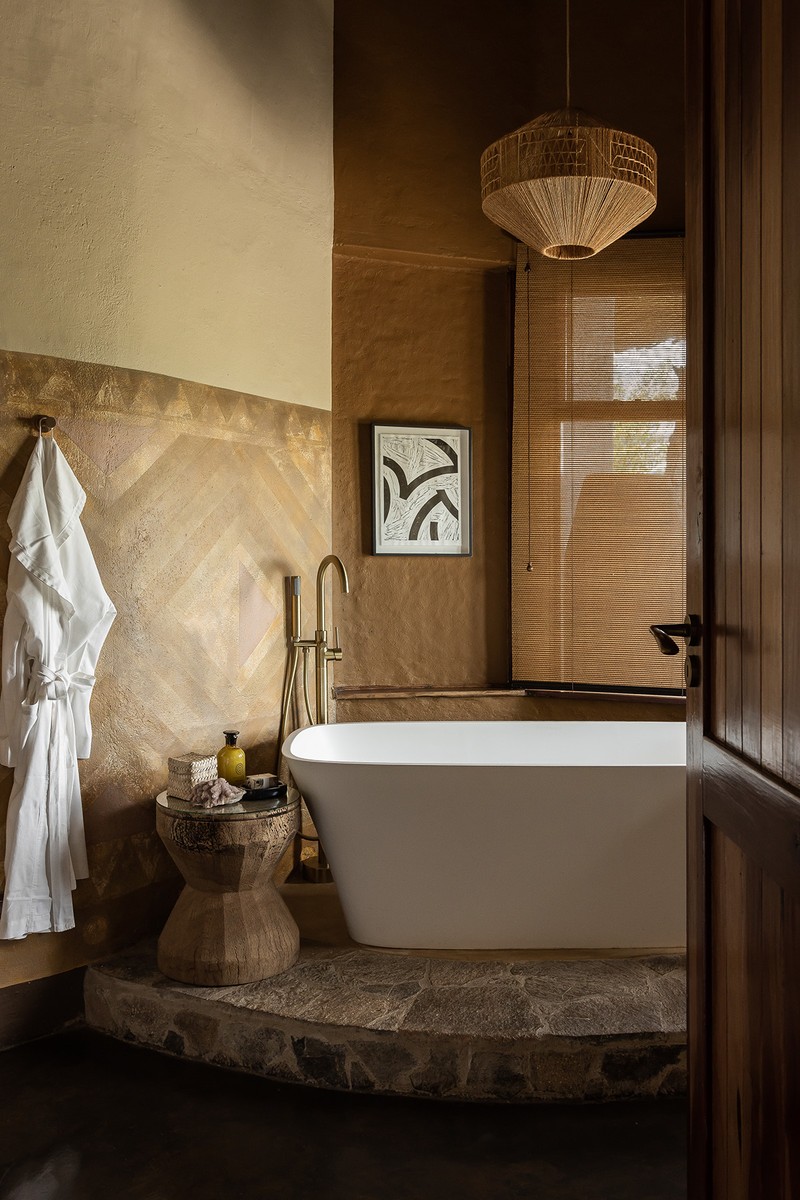
/https%3A%2F%2Fsheerluxe.com%2Fsites%2Fsheerluxe%2Ffiles%2Farticles%2F2026%2F03%2F250621gflbedroom0098-1-copy.jpg)
DIGITAL DETOXING IN STYLE
Apart from using it as a camera, there’s a connection between being in nature and not being on your phone. “A safari offers a kind of immersion in the natural world that’s almost impossible to replicate elsewhere,” says Tom. “You’re not observing wildlife in passing, you’re entering an ecosystem and experiencing unscripted, real-time encounters. Nothing is staged and nothing is guaranteed, which is exactly what makes it so powerful. There’s also a rare sense of perspective that comes from being in vast, unspoilt landscapes. Whether it’s the endless plains of the Serengeti or the waterways of the Okavango Delta, you feel both small and incredibly present. It’s a digital detox in the truest sense – no distractions, just a reconnection with nature and with each other.” The remote locations and lack of signal of many safari camps provide the perfect excuse to properly shut off from work and the online world and Tom suggests some of this time can be used to learn some ancient skills, such as “tracking and foraging”.
Safaris are the ultimate off-grid experience. “By the third day, something shifts,” Pride explains. “Your senses sharpen; you begin to see further, hear more, notice more. You become more attuned – not just to the environment, but to yourself. And in that heightened awareness, there is a deeper connection, both inwardly and with those around you. It’s a way of experiencing the world that is very difficult to replicate elsewhere.”
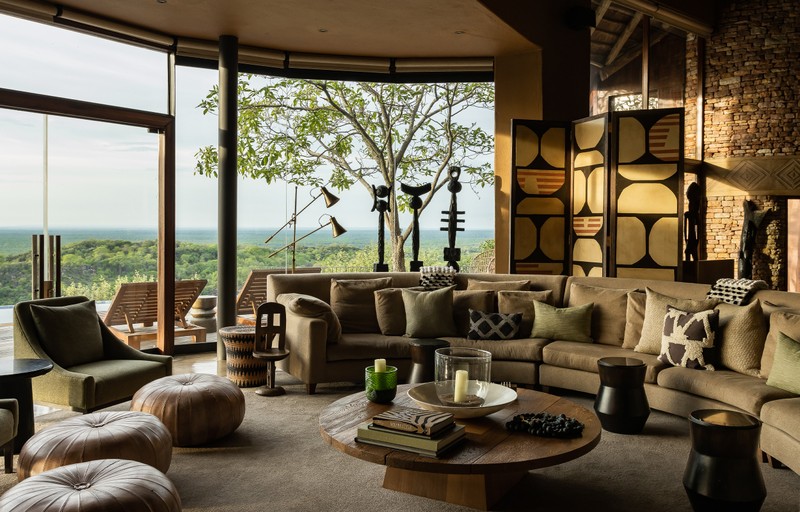
“Luxury has changed. It’s no longer defined by accumulation, but by meaning,” she continues. “There was a time when luxury was expressed through design, exceptional food and wine, and a sense of exclusivity. Those elements still matter, but today, what people are seeking goes deeper than that. The greatest luxury now is space, time and access to nature, people and moments that feel rare and deeply human. Space to breathe and think clearly. Time to slow down and be present. Those moments are where the real value lies.”
NATURE UP CLOSE
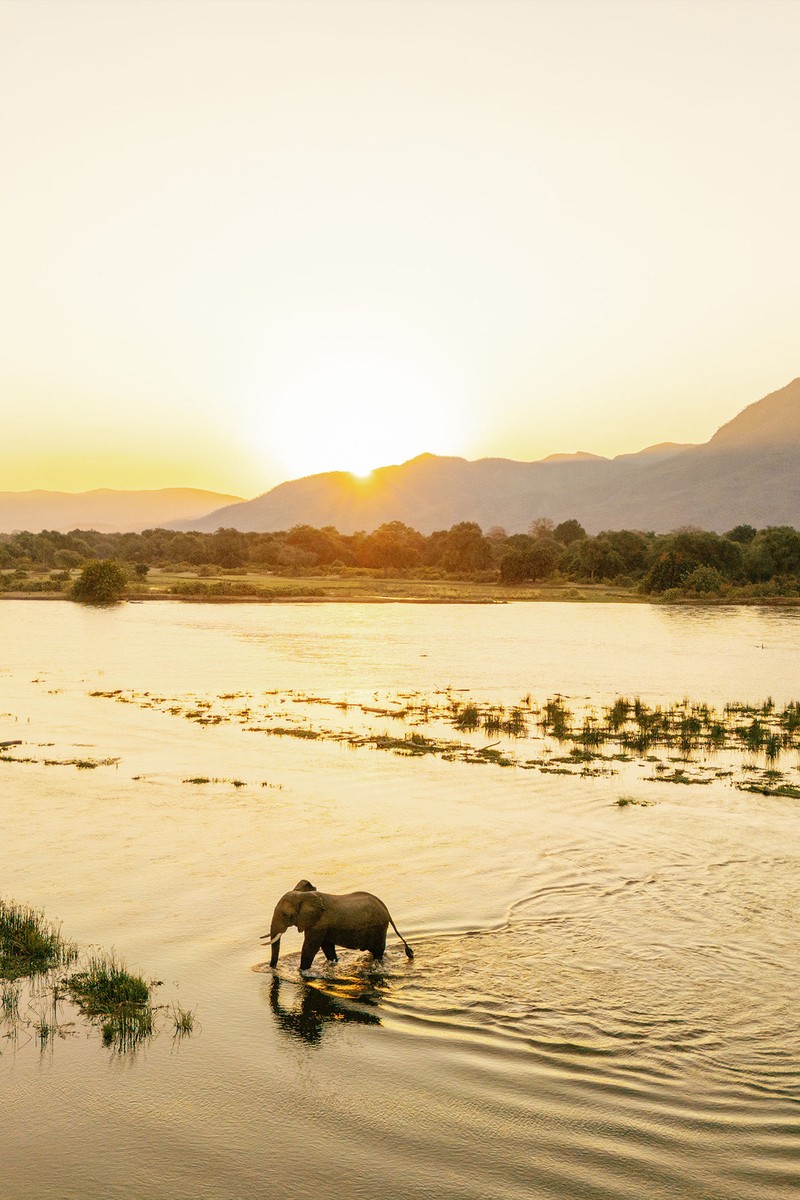
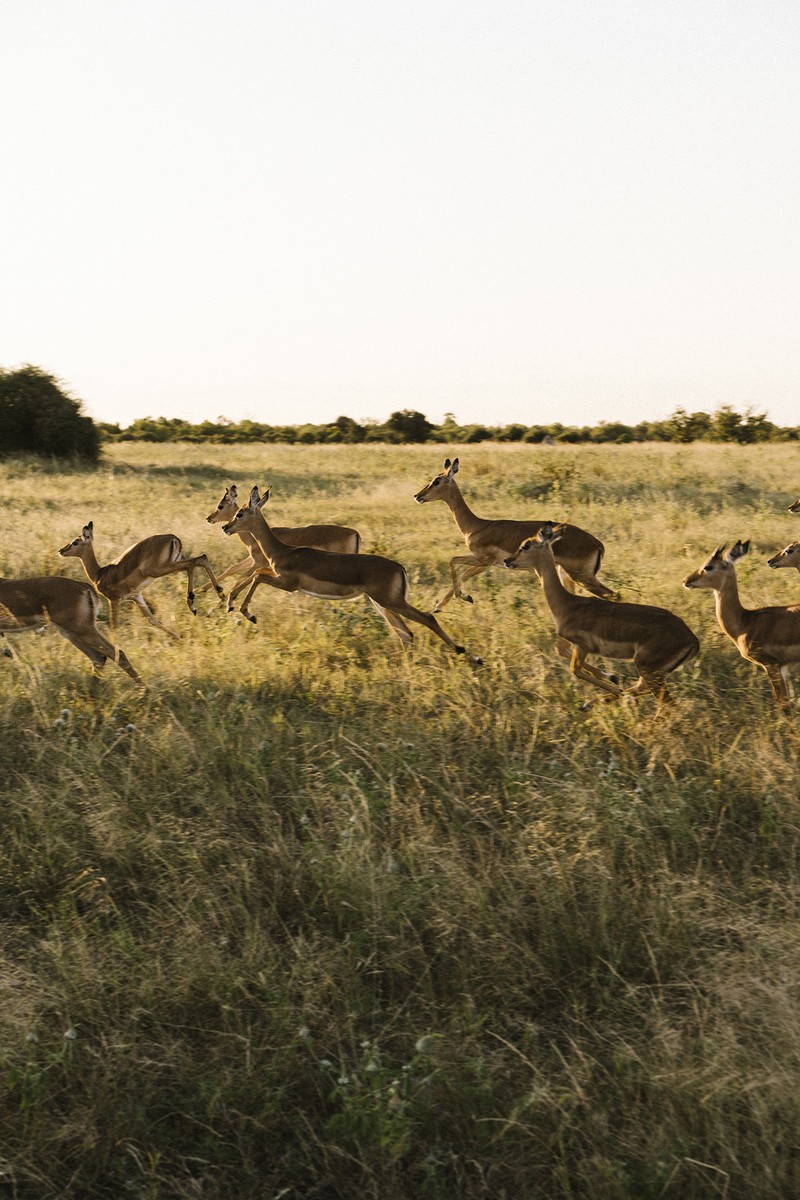
Safari places you directly in the landscape and asks you to engage with it, whether that’s tracking wildlife on foot, watching elephants cross a river, or listening to the bush come alive at night from your room. “There is a level of immersion that’s difficult to replicate elsewhere,” Tarryn explains. Polly agrees: “We were lucky enough to see all of the Big Five (lions, elephants, buffalos, leopards and rhinos) in South Africa, and we saw all but rhinos in Kenya as there weren’t any in the area,” she says. “A highlight was seeing a cheetah stalking its prey and breaking into a run – one of my core childhood memories is watching a cheetah do this on TV so it was cool to see in real life. We found a pack of lions tucking into a hippo, which was a gruesome but amazing sight. We were spoilt for leopards in South Africa and saw a particularly majestic one that had dragged a kill up a tree to dine on.”
“I thought that if you’ve been on safari once, you’ve seen all there is to see, which couldn’t be further from the truth,” she continues. “On our first safari in South Africa, we met a couple who had been coming to the same reserve for 14 years. In theory, you could keep going back and see a different drama unfold each time.”
This element of the ever-changing landscape is one of the reasons why Billie has now done three safaris in just over a year. "I loved &Beyond Ngala so much I convinced all my friends to come back with me and it is without a doubt the most special group trip I’ve ever done," she explains. "Most of the group had not experienced safari before, so seeing it for the first time through their eyes was magical. The dynamic of a group trip worked so well in this format because despite being split into two vehicles for morning and evening game drives, we had so much time in the middle of the day to unwind together and share stories of sightings. They are all now as hooked as I am."
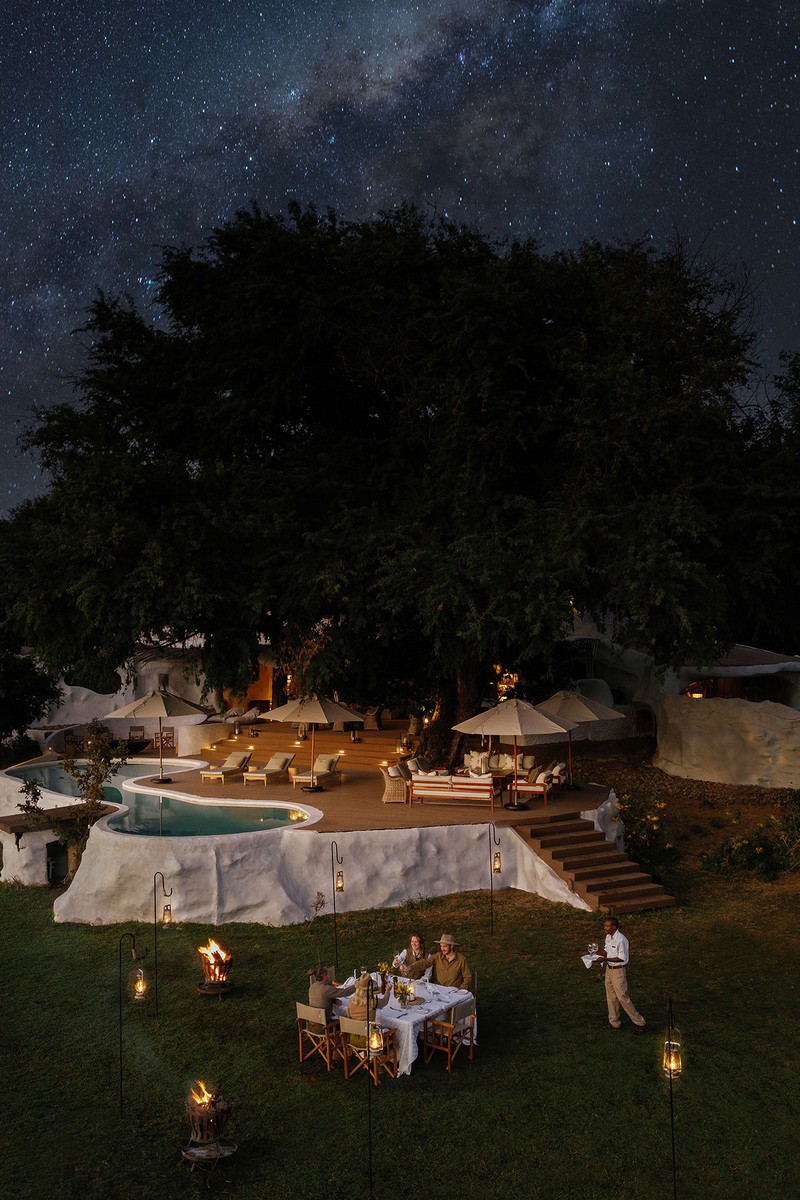
Naturally, wildlife remains at the heart of the safari experience, but today’s travellers are equally interested in the wider journey. “Wildlife remains a powerful draw. It’s often what first calls people here. But what has evolved is that guests are just as interested in the full experience. The design of a space, the culture, the food, the storytelling, the guiding, and the people all play an equally important role. It’s the layering of these elements – all rooted in a strong sense of place – that creates something truly memorable.” All the safari experts we spoke to offer a range of activities that make that whole experience sing, such as dinner under the stars, sundowners in a setting only accessed by helicopter or boat, breakfasts cooked over fire, private game drives, night safaris, hot-air ballooning and sleeping out under the stars – which, Tom explains, is an experience like nowhere else as there’s such clear air around the safari camps.
TRAVEL WITH A DIFFERENCE
Besides nature, what experiences can you get on a safari that you can’t get with another style of holiday? “Africa offers a scale, intensity and sense of surprise that makes each day feel special,” says Tarryn. “No two days are the same, and that feeling of discovery is a huge part of the appeal. There is also something deeply grounding about seeing raw nature first hand. Witnessing the rhythm of the wild – the beauty, the fragility and the reality of the circle of life – can be a very powerful experience. It gives people perspective and often creates a much stronger emotional connection to the place than other styles of travel.”
So where should you consider for your first trip? “Kenya is always a great option for the sheer volume of wildlife, while South Africa and Namibia continue to be popular right now for their huge variety of activities alongside safari,” Tom explains. “However, as a tailor-made travel company we usually like to focus on emerging destinations where demand will be high, so our clients can get there first. In this case, Uganda is growing in popularity for gorilla trekking while Zambia still flies fairly under the radar, but is gaining the attention of discerning travellers. The southern parks of Tanzania are also becoming more popular, especially for those with conservation and human impact front-of-mind who want to get off the more touristy trail of the north.”
Wherever you choose, Polly has some packing advice for first-time safaris. “Typically, it’s hot in the daytime and chilly before sunrise and after dark. Pack light layers that you can strip off during a game drive after the sun’s come up. I found sweatshirts useful, plus a utility style jacket with loose, light trousers. Trainers or sandals are fine for your footwear. And wet wipes/hand sanitiser is useful if nature calls during a game drive.” And Polly thinks you don’t need a fancy camera. But, she adds, “if you’d like to create some epic memories, consider hiring one with a long lens. I think we would do this if we were to go again.”
For more, visit ORIGINALTRAVEL.COM, ABERCROMBIEANDKENT.COM, TIMEANDTIDEAFRICA.COM & SINGITA.COM
Or continue to comment as a Guest below
DISCLAIMER: We endeavour to always credit the correct original source of every image we use. If you think a credit may be incorrect, please contact us at info@sheerluxe.com.
/https%3A%2F%2Fsheerluxe.com%2Fsites%2Fsheerluxe%2Ffiles%2Fwebsite-images%2F2025%2F03%2Fsign-up-pop-up.jpg)