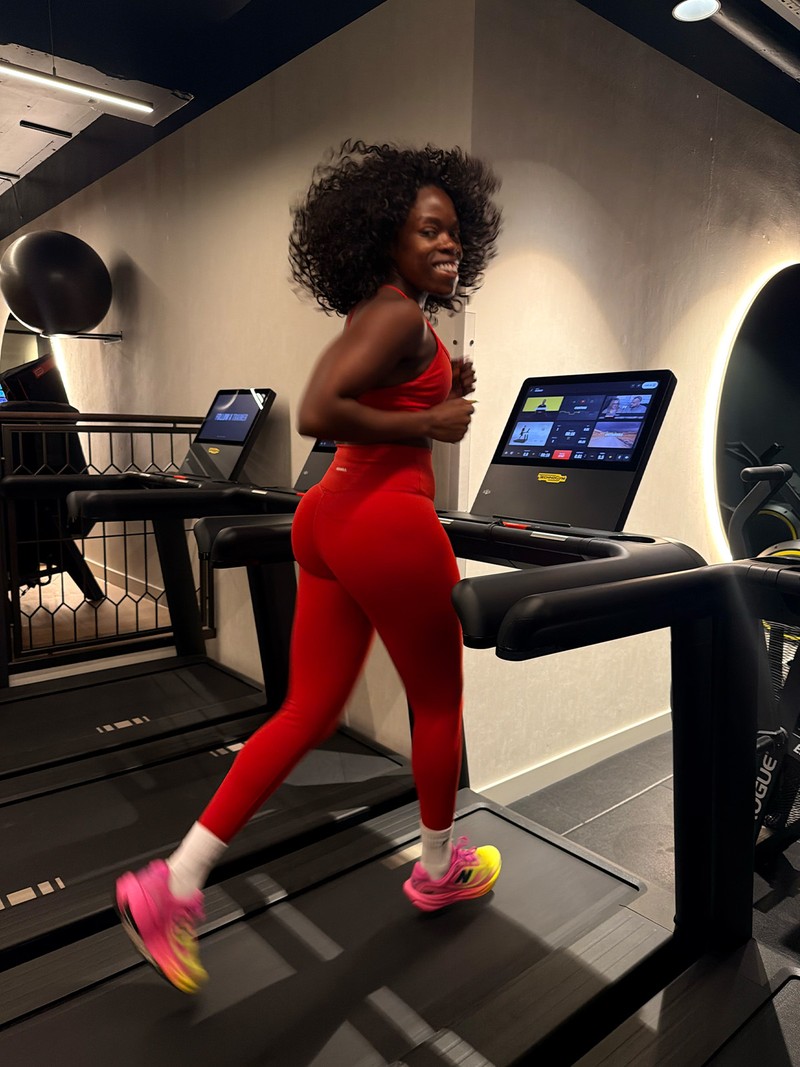
How Nana Is Training For The London Marathon
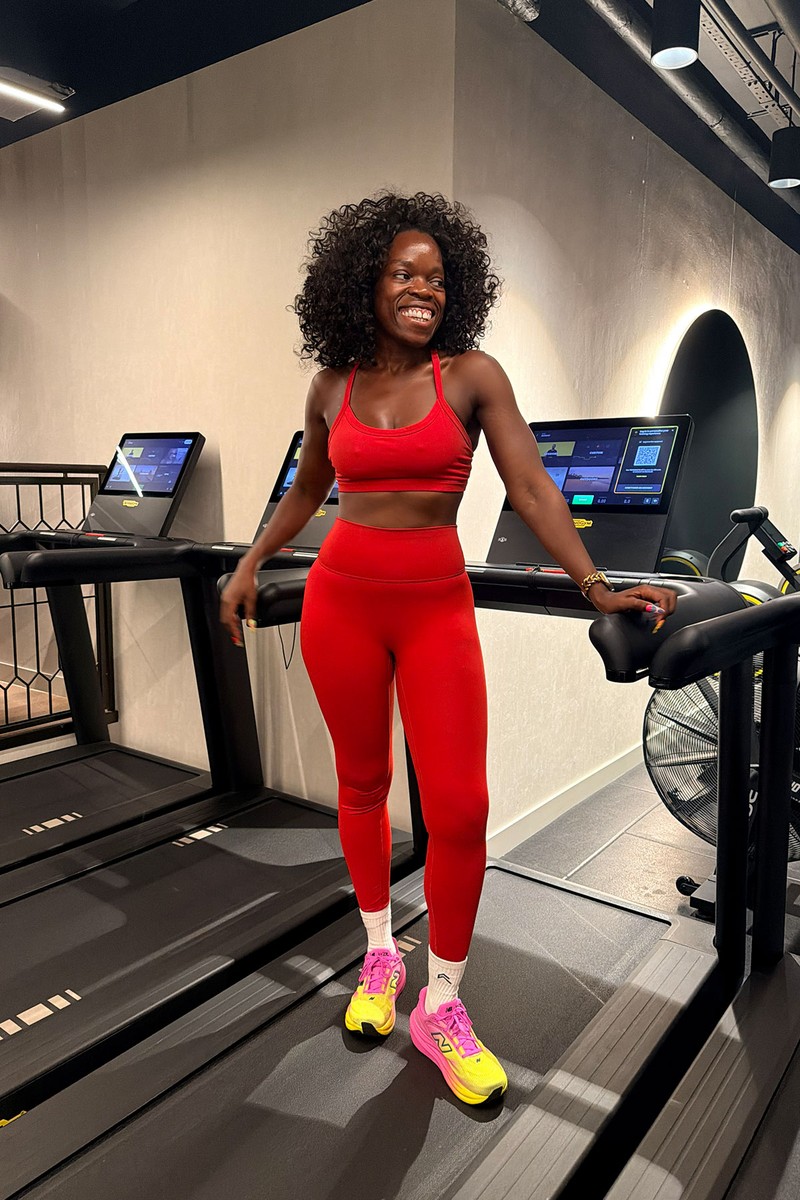
Inside My Training Routine…
My training is built around consistency rather than huge mileage jumps. I’m gradually increasing my weekly distance so my body can adapt without risking injury. Most weeks follow a similar rhythm, which helps me stay disciplined while balancing work and recovery. The goal is to build endurance steadily so by the time race day arrives, the distance feels manageable rather than overwhelming.
I’m currently running about four to five times a week. One run is usually focused on speed or intervals, which helps improve pace and efficiency, while another is a tempo run to build stamina at a sustained effort. The rest are easy runs, which are just as important because they allow me to build mileage without putting too much stress on my body.
My long runs are the backbone of my training. Each week, the distance increases slightly to help build endurance and confidence over longer periods of time. I’m aiming to gradually peak at around the 30-32km mark before tapering ahead of race day. Those runs are as much about mental training as they are physical – they really prepare me for the rhythm of the marathon.
Rest days are essential. It’s easy to think more running equals better training but I’ve learnt recovery is actually when your body adapts and gets stronger. I make sure to schedule at least one or two proper rest days each week, and I also incorporate things like stretching, mobility work and strength training.
I’m following the same training plan I set with my running coach Dora last year, which keeps me accountable and ensures I’m progressing safely. Having that framework takes a lot of the guesswork out of training and helps me stay focused on the bigger goal. I also listen to my body and adjust sessions if needed – flexibility is key when balancing training with a busy schedule along with recent and upcoming travel plans.
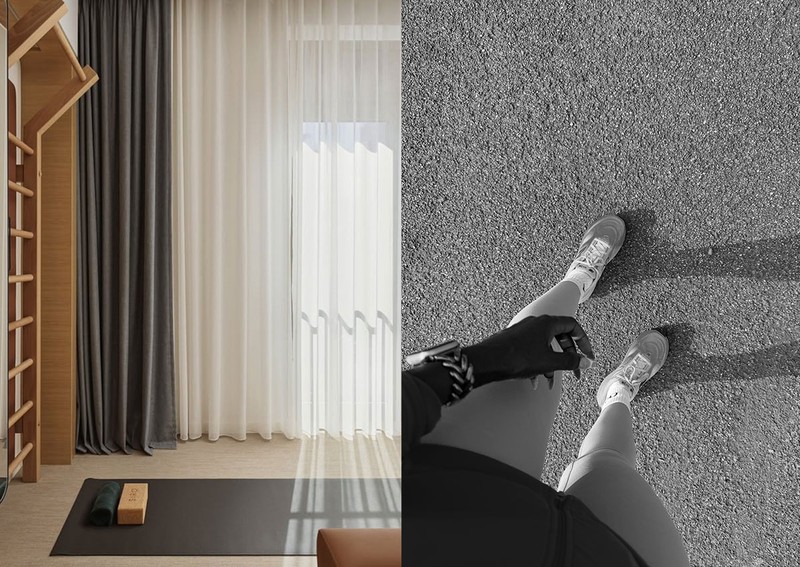
How I Fuel My Runs…
This is probably the most important part of training. Last year, I put on weight while training for the marathon because I was so worried that if I didn’t carb load properly, I’d end up passing out on race day. That definitely wasn’t the case – I was eating far more than I actually needed. Now I try to keep things far more balanced.
I focus on meals that include good carbohydrates for energy, protein for recovery and plenty of vegetables. Breakfast is usually oats or eggs on seeded toast; lunch tends to be a nourishing bowl or salad with a protein source; and dinner is something comforting like rice, pasta or potatoes with fish or chicken. This time around I’m much more conscious of what my body needs, rather than over-fuelling out of fear.
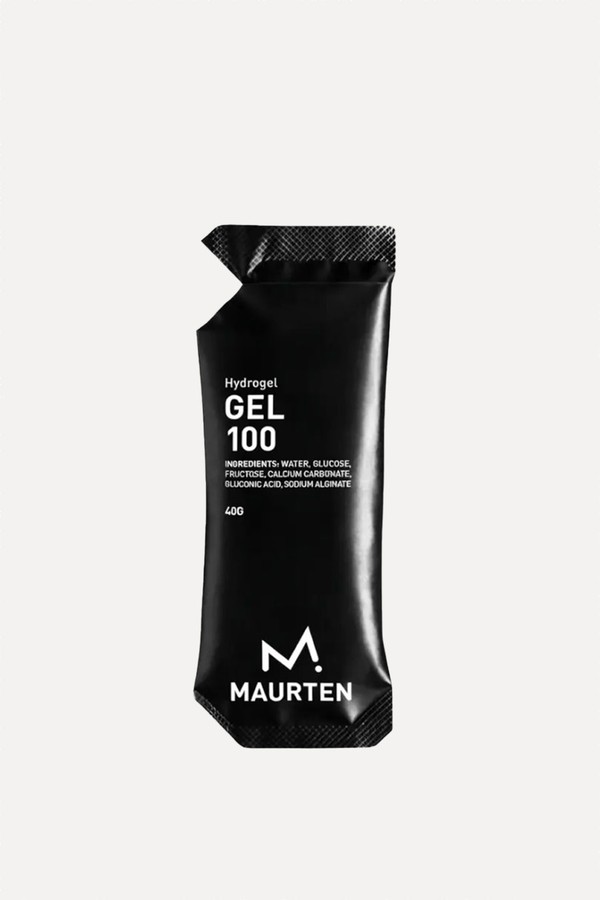
Before a run I keep things light but carb-focused. Toast with peanut butter and a banana is my go-to, and I’ll usually eat about an hour before heading out so I don’t feel too full. On the days leading up to a long run, I make a conscious effort to include more carbohydrate-based meals so I’m not starting depleted. For longer runs, I’ve been practising my race-day fuelling strategy and I now micro-dose my gels – I swear by Maurten – taking a small amount every 2-3km rather than having a full gel in one go.
It’s definitely been a bit of trial and error. Last year I followed the usual advice of taking a full gel every 30-40 minutes but it made me feel really sick during my runs. Spacing it out and taking on smaller amounts more frequently has made such a difference. I also make sure to include electrolytes in my water, especially if the run is longer than 90 minutes.
The Kit I Swear By…
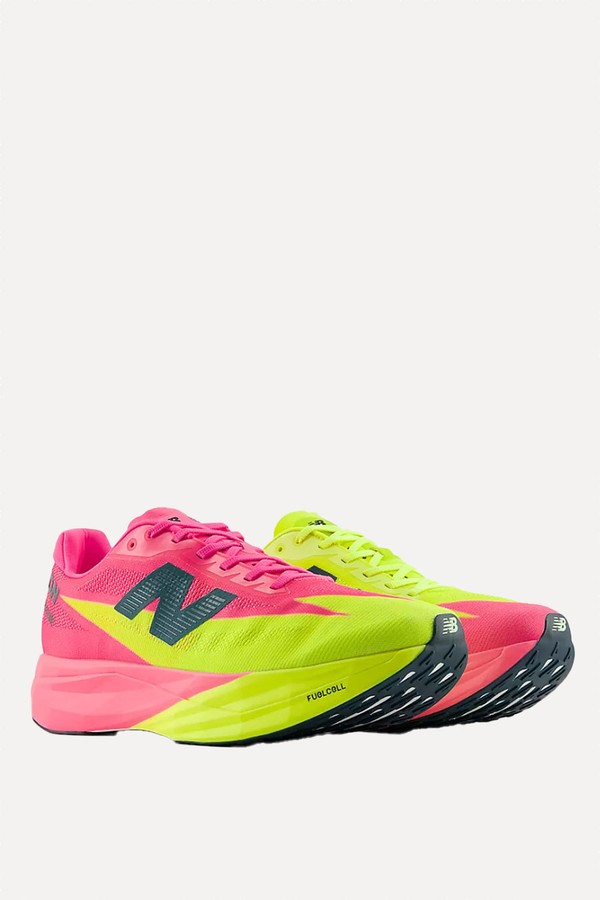
Obviously, footwear is key and it’s something I didn’t fully appreciate until last year. I’m always looking for as much cushioning and support as possible, and I like to try a few different pairs to see what feels best ahead of race day. Currently I’m trialling the New Balance FuelCell SuperComp Elite v5 and the TCS London Marathon 1080v15.
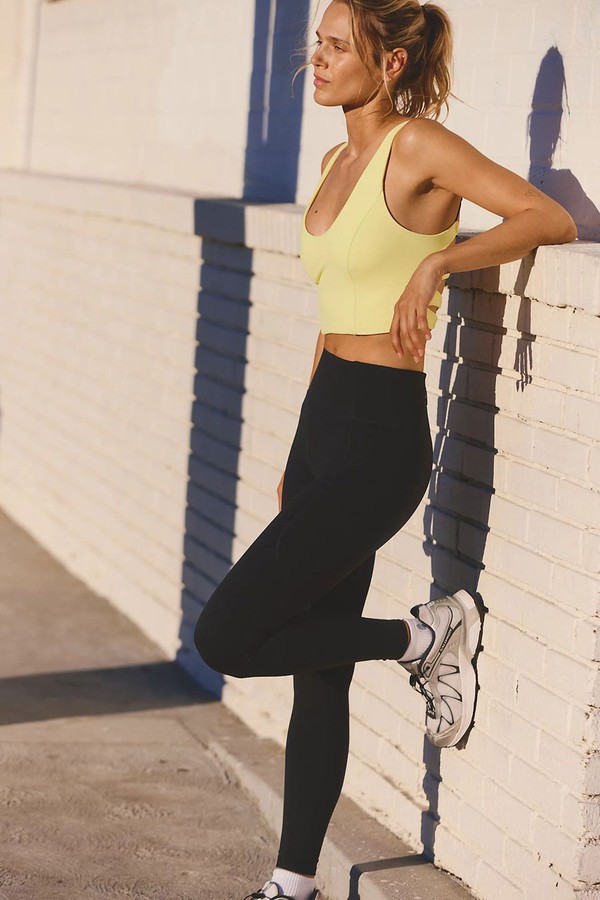
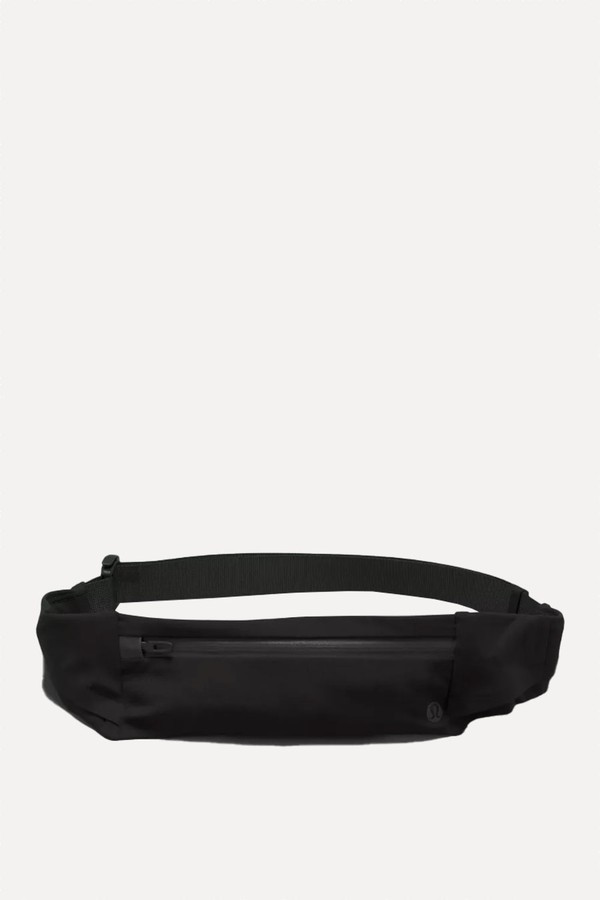
High-waisted leggings and a bra top are my go-to running uniform. I love the Free People Movement sets because they feel like a second skin. My favourite running socks are from Alo, and because I don’t like feeling weighed down when I run, the small waist belt from Lululemon is perfect.
I upgraded my Apple Watch this year. I now use a Series 11 for tracking distance, pace and heart rate. It helps me stay disciplined with my training, especially on tempo runs or intervals when it’s easy to go out too fast.
How I Stay Strong…
Strength training has become an important part of my routine this time around. I’ve realised that staying strong is key not just for performance but also for preventing injuries.
I train with my PT Woz once a week. I then do three to four sessions in the gym using exercises he’s given me. At Third Space, I focus a lot on glute, core and single-leg strength. Exercises like lunges, squats, step-ups and glute bridges are staples, along with core work to help with stability and posture when I start to fatigue on longer runs.
My Recovery Routine…
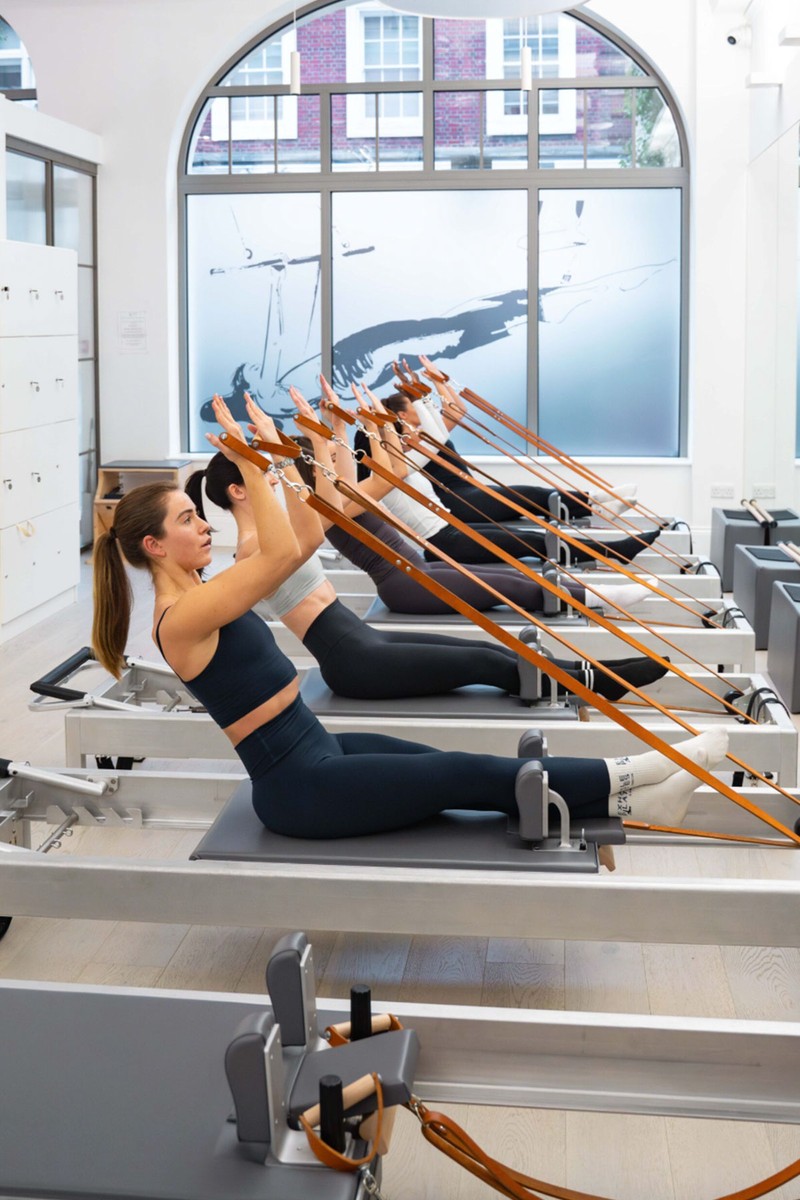
I take recovery a lot more seriously now. I didn’t give it enough attention last year and learned the hard way. Pilates has become an important part of that mix. I go to Tower and Reformer classes at Exhale Pilates, which give me that sense of active recovery – still moving but in a way that lengthens and strengthens rather than adding more impact.
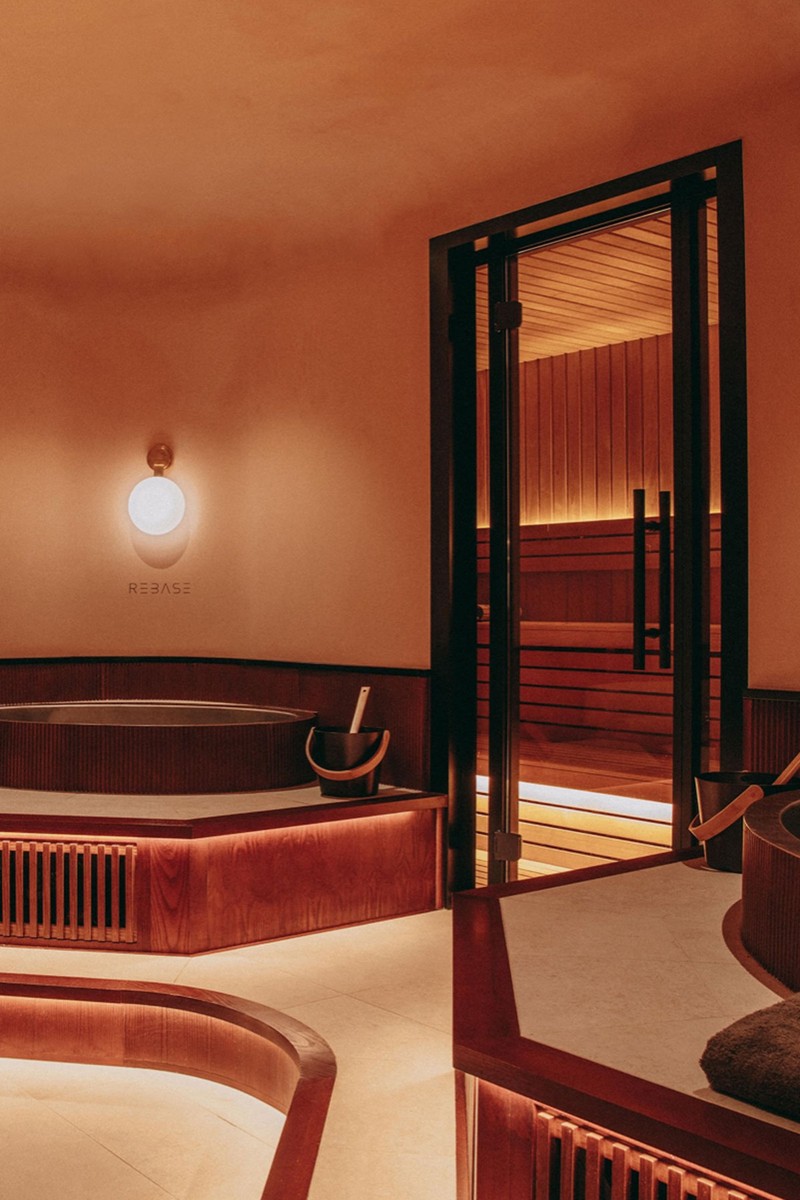
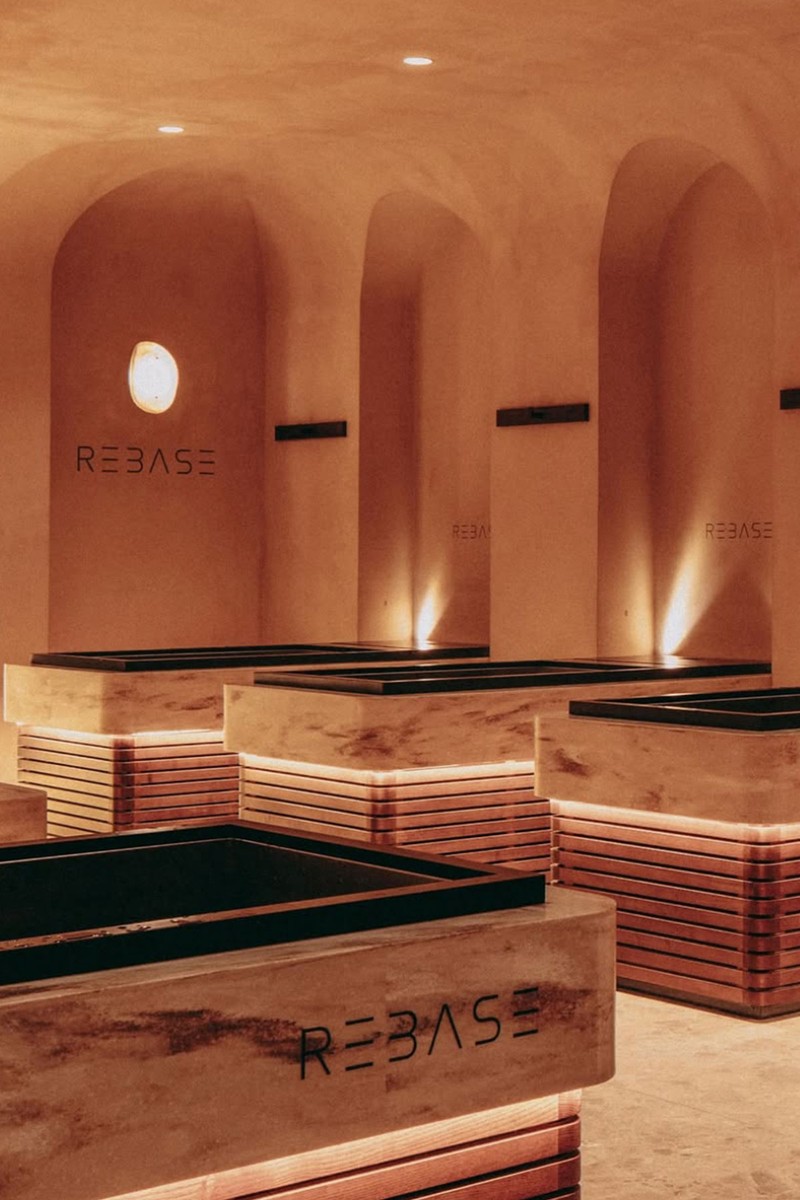
Contrast therapy is great for helping reduce inflammation and muscle soreness after longer runs, especially during heavier training weeks. It’s not something I do every week but I notice the difference when I build it into my routine. Rebase in Marylebone is my favourite spot.
I’m already thinking ahead to post-race recovery. I’ll be taking a trip to SIRO Boka Place in Montenegro, a hotel that specialises in fitness and recovery, and their Recovery Lab is exactly where I’ll be unwinding afterwards.
The Treatments I Swear By…
Alongside strength training, I’ve been prioritising sports massage. I’m a regular at The Running Room in Battersea. It’s made such a difference during this training cycle and has become something I really rely on. My calves, quads and hamstrings can get tight, so regular treatments keep everything moving properly and help prevent injury. It’s something I overlooked before but now wouldn’t train without.
How I Stay Motivated…
The hardest part of training for the London Marathon is that it all happens in winter. Some days motivation is harder than others, especially with dark early mornings or trying to squeeze a run in after a long day of work.
What keeps me motivated is remembering why I signed up – and how good I know I’ll feel afterwards. I’m slightly addicted to that endorphin rush, so I try to tap into that on the tougher days. I also don’t overthink it – I get dressed and out the door because that’s always the hardest part.
Race Day Thoughts…
I’m most excited about the atmosphere. It’s something that stayed with me long after I finished last year and I can’t wait to experience it all over again. The energy from the crowds is incredible and really does carry you through the course. There’s something so special about thousands of people coming together to take on the same challenge, and knowing my friends and family will be out there cheering always gives me an extra boost, especially in the second half. The weather is the one thing that makes me nervous because there’s no way to predict it. Cold and sunny would be my ideal scenario.
Marathon training requires so much discipline, time and mental resilience, so getting to the finish line is a huge sense of achievement. Doing it for the second year in a row feels special – it’s about proving to myself that I can keep pushing my limits while still enjoying the process. And I already know I’ll be wearing that medal for at least a week afterwards, before turning my attention to the New York Marathon in November.
Follow @STYLEDBYNANA
SHOP NANA'S EDIT



Or continue to comment as a Guest below
DISCLAIMER: We endeavour to always credit the correct original source of every image we use. If you think a credit may be incorrect, please contact us at info@sheerluxe.com.
/https%3A%2F%2Fsheerluxe.com%2Fsites%2Fsheerluxe%2Ffiles%2Fwebsite-images%2F2025%2F03%2Fsign-up-pop-up.jpg)