Why London Is Falling Back In Love With Italian Restaurants
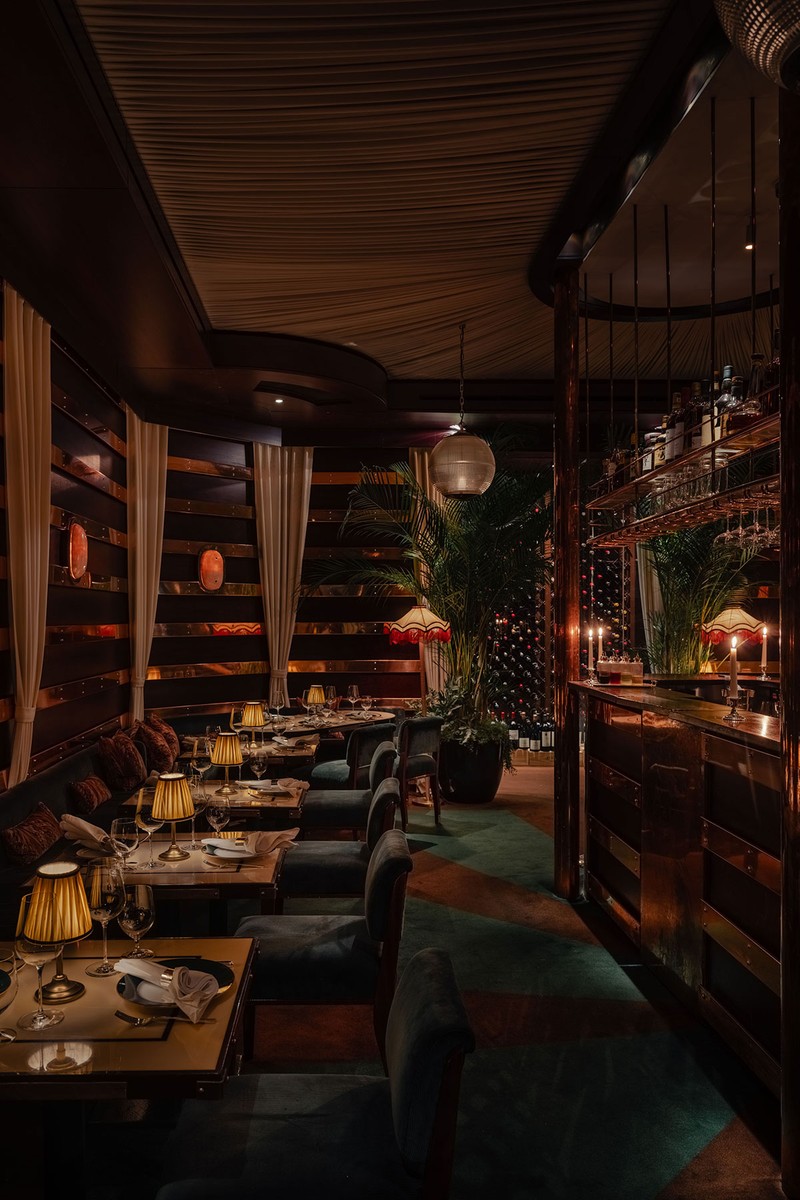
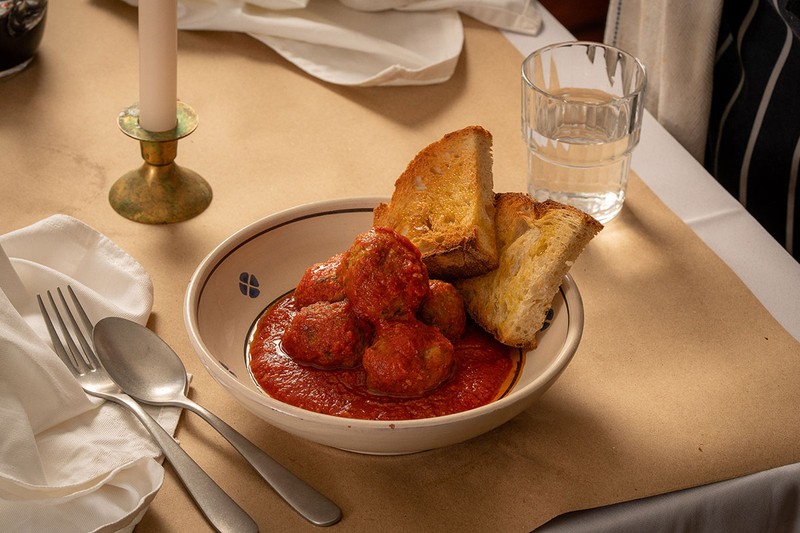
2025 was the year Italian-American dining took London by storm. The scene was set in late 2024, when Martin Kuczmarski’s The Dover started serving spaghetti and meatballs in darkly lit surroundings. Martin then crowned 2025 with the launch of Martino’s on Sloane Square. Inspired by 1960s Italian trattorias, the Milan-meets-Chelsea dining room fast became the place for aperitivo hour and bowls of short rib ragù tagliatelle and meatballs ‘zupetta’. Elsewhere, Dante at Claridge’s Restaurant was an NYC spin-off that proved so popular, it’s gone semi-permanent. Shoreditch hotspot One Club Row opened in April and leant into old-school hospitality that drew on the decade co-founder Benjy spent working in New York. And, of course, Carbone landed in Mayfair in September. An A-list take on the Italian restaurants that dominated the New York scene back in the middle of the last century, Mario Carbone and his team are as famous for their spicy rigatoni vodka as for the decadent interiors and theatrical service.
While Italian-American dining leans into big, bold-hearted dishes, ice-cold XL martinis and service with flourish (think the Zac Posen tuxes at Carbone and the piano player in One Club Row), there’s a fresh crop of restaurants opening in London that aims to capture something humbler – like a bowl of carbonara, a £5 negroni or an un-Instagrammable plate of risotto.
Why the trend towards simplicity? On the one hand it’s about an increasing need for affordability, but if you ask chefs, they might also tell you it’s a reaction to how 2026 is playing out globally. “I think Italian food is having a moment for several reasons,” says Charlie Mellor, founder of new Soho Italian Osteria Vibrato. “It’s delicious, familiar and nostalgic. We’re living in uncertain times. People need some comfort, some generosity, and a sense of value when they dine out. An excellent Italian restaurant should provide all of this.” Ed Templeton, one half of Carousel, agrees. “When the world’s in chaos, where better to escape to than a quiet corner of a cosy restaurant with a warm plate of something comforting and familiar for company?”
We’ll raise a glass of amaro to that. Diving a little deeper, though, it seems that 2026’s new wave of trattorias and osterias are doing things a little differently to their older counterparts…
NEIGHBOURHOOD HAUNTS
The start of the year has seen lots of popular Italians opening in central London: pasta joint Padella is about to open its most ambitious site yet in Soho, Peckham-founded Forza Wine also just launched in Soho and Trullo’s new offshoot Burro is housed in the former home of Petersham Nurseries in Covent Garden. But lots of the newest hotspots are designed – and located – to be neighbourhood hangouts.
Last summer, Ed Templeton of Carousel and Naz Hassan of Crispin opened Lupa with The White Lotus heartthrob Theo James. On a carbonara-yellow corner site in Highbury Fields, Lupa stands out in this pretty, residential part of town. The interiors are an ode to simple Roman trattorias and – despite Naz’s Milanese background – there’s a menu to match. The carbonara sizzles with fat pieces of guanciale, while lightly fried courgette flowers come with burrata and salty anchovies. When it opened, local resident Nigel Slater was raving about how happy he was to have a local trattoria around the corner from his house. Now, the same squad are about to open Ornella on Wilton Way in Hackney, this time focusing on Milan rather than Rome.
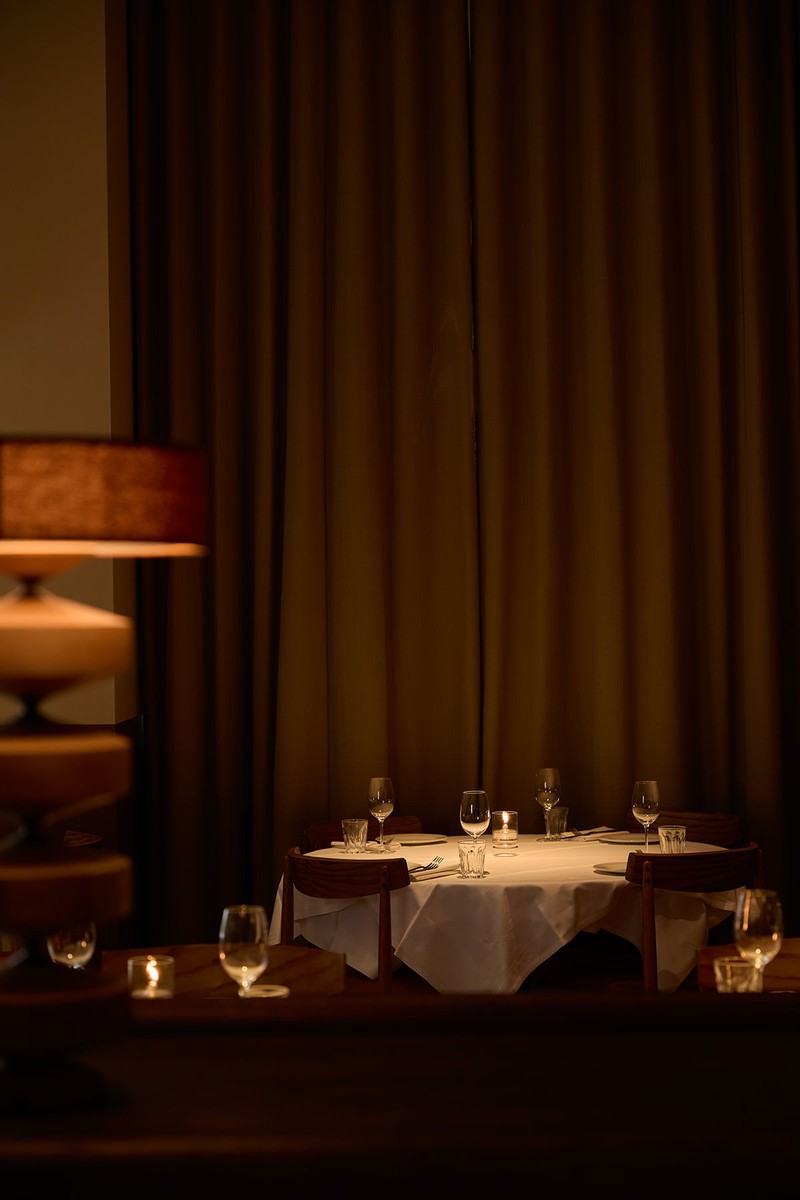
Burro might have landed in Covent Garden, but it still has a neighbourhood feel like Trullo. Mixing owner Conor Gadd’s Irish warmth with the ease of Italian trattorias, Conor describes Burro as “part Irish country house kitchen, part 1950s Italian bistro”. This is partly due to the design, which mixes faded red and dusty yellow walls, designed to echo Rome’s sun-worn streets, alongside burgundy marble, velvet banquettes, crisp white tablecloths and striking photographs of the famous Tuscan Butteri, Italy’s original cowboys.
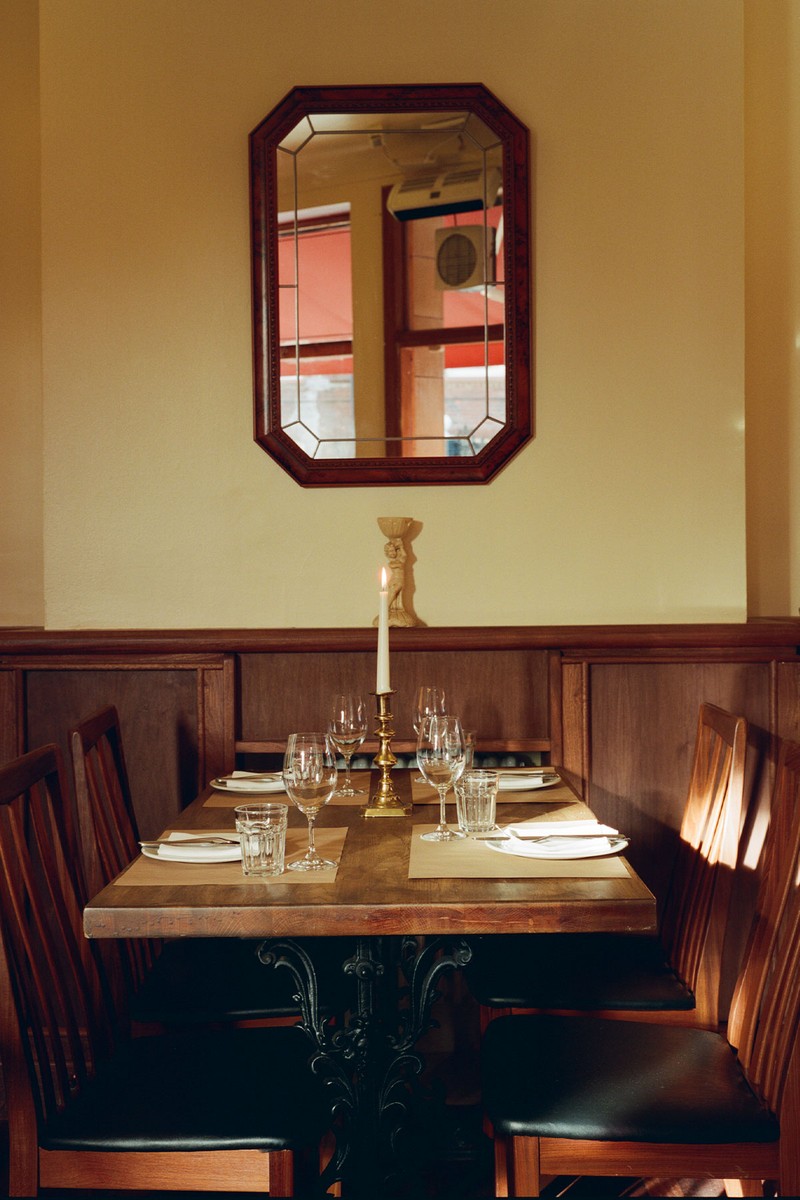
Perhaps the truest take on a classic trattoria is Tiella. Dara Klein’s first permanent restaurant occupies a beautifully restored Victorian pub on Columbia Road, but its design blends terracotta, red and yellow tones with original tiling, reclaimed wood panelling and family heirlooms from Italy. “From the moment we stepped inside 109 Columbia Road, I couldn't help but notice how much it resembled Maria Pia's, my parent's trattoria back in New Zealand,” Dara says. “Each of the design decisions comes from close childhood memories. Tiella is an amalgamation of these memories along with the building's pub history. Since our original residency at the Compton Arms, I saw a link between pubs and trattorie – lots of wood, tiles, personal artefacts and family photos.” Thanks to Dara’s roots (as well as growing up in a trattoria, her grandmother ran a pastificio), the menu is rooted in simplicity and quality: think ricotta di Romagna with Calabrian chilli and wild Sardinian honey; orecchiette with cime di rapa; passatelli in brodo; chicken Milanese with green apple and herbs; and bay leaf panna cotta with blood oranges. Dara’s first cookbook – a love letter to all things trattorias – comes out in June.
REGIONALITY AS A FOCUS
A few years ago, an Italian restaurant in the UK tended to be just that – somewhere that served a menu of the old country’s greatest hits. While there’s nothing wrong with that – we’re never going to complain about Roman cacio e pepe being offered alongside Milanese risotto – many of the new openings are leaning into what menus at an osteria or trattoria in particular regions would look like. “Pipero in Rome will always be the place that made me fall in love with carbonara – enough to open Lupa” says Ed Templeton. “And Osteria Conchetta in Milan is an all-time classic. Its risotto is one of the dishes that inspired us to follow the Milanese path for Ornella.” Ornella’s menu is also shaped by Naz’s upbringing in Milan, blending crowd-pleasers like risotto alla Milanese with vitello tonnato and tagliarini al burro e parmigiano.
Auguste in London Fields is a new neighbourhood restaurant and bar built around arrosticini, the traditional flame-grilled skewers from the Abruzzo region of Italy. Chef Michael Bagnall’s cooking is shaped by his time spent living in Abruzzo, where he developed a deep appreciation for the culture of cooking over fire. Co-founder Dylan Walters describes Auguste’s menu as “by no means ‘broadly’ Italian and primarily featuring dishes we think are criminally under-represented in London’s Italian dining scene.”
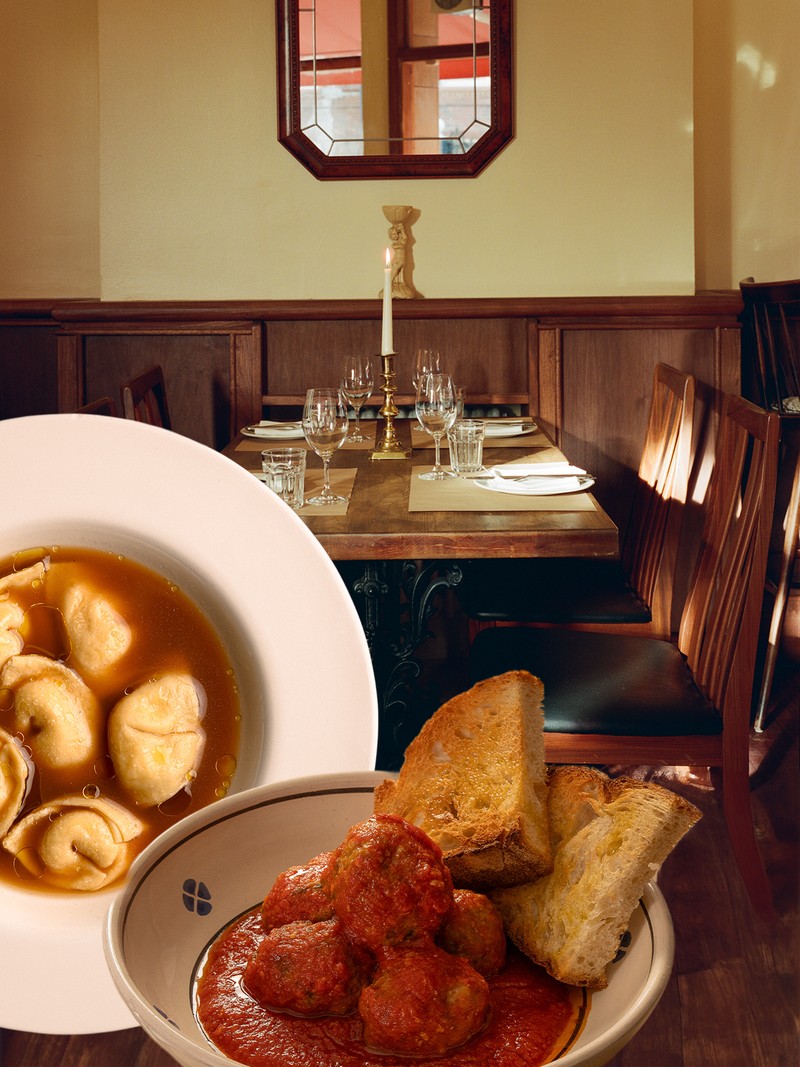
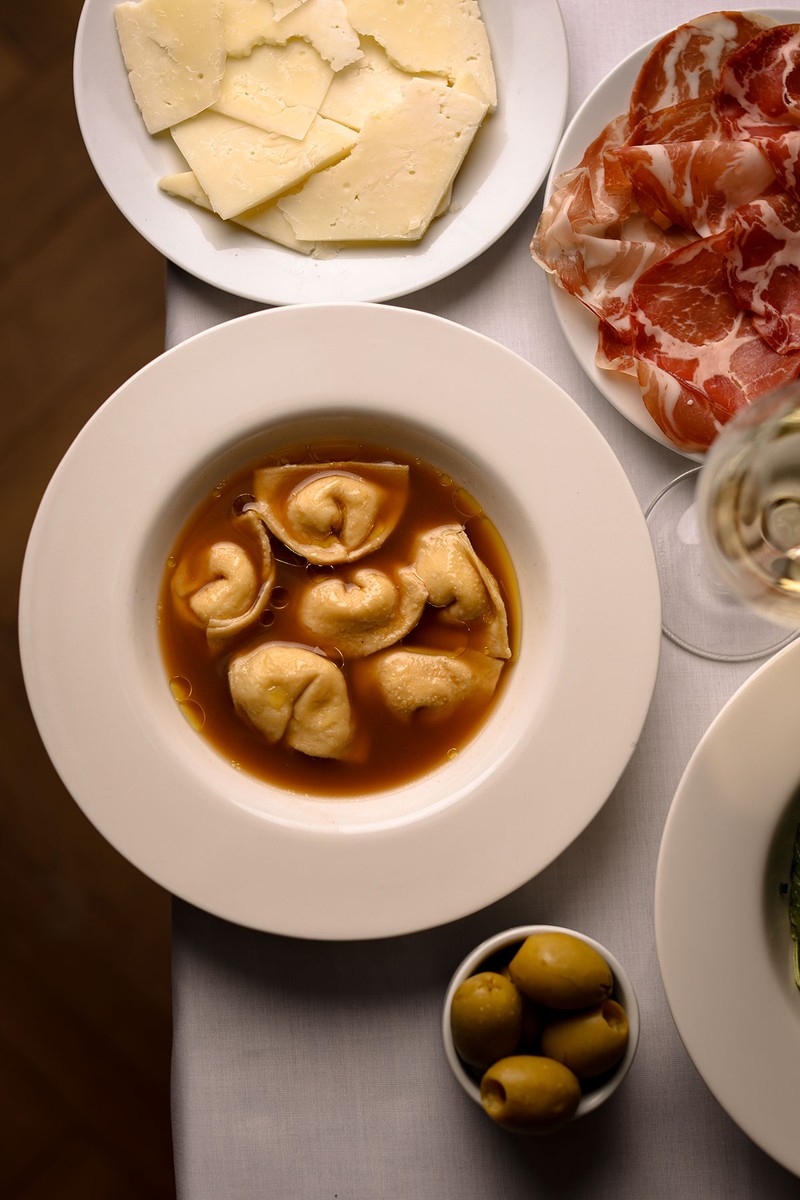
In particular, Dylan and Michael were seduced by the local lore surrounding pecorino cheese and the pecorino grape, whose shared name means ‘little sheep’. “In Abruzzo, migrating lamb graze on the early-ripening pecorino grapes and produce the milk for the pecorino cheese,” Dylan explains. “The loop is closed later when lamb become ‘arrosticini’. We’ve emulated this ecosystem at Auguste, where guests can drink pecorino from the region, alongside DOP cheese, arrosticini made from lamb and tortellini in a brodo made with excess trim from the lamb shoulder.” There’s a clear commitment to authenticity in Auguste’s design too. White tablecloths sit alongside rich walnut wood and a playful palette of pale blues, reds and warm neutrals. Downstairs, an intimate bar is a looser counterpart to the restaurant, designed for late evenings. Now we’re seduced too.
/https%3A%2F%2Fsheerluxe.com%2Fsites%2Fsheerluxe%2Ffiles%2Farticles%2F2026%2F04%2Fcecescreditandrewurwin3_0.jpg)
LEANING INTO ITALIAN HOSPITALITY
What’s more Italian than opera? Opened on Valentine’s Day by Charlie Mellor (of the much-missed The Laughing Heart) and sommelier Cameron Dewar (Luca), new Soho hotspot Osteria Vibrato’s name nods both to Soho’s rich cultural history and Mellor’s early career as an operatic tenor. The menu here spans north-western Italy from Liguria to Valle d’Aosta: fresh pasta is rolled daily, with classics like tagliatelle with ragù and mezze maniche alla gricia (pasta with guanciale and pecorino) showcasing simplicity and exceptional produce. The interiors, which include Murano chandeliers, terrazzo floors, rosewood panelling and loads of candlelight, lend the space a romantic, old-school warmth.
Alongside the exceptional white risotto, menus written in both English and Italian, and fun mini martinis that are poured tableside, one of Osteria Vibrato’s most Italian touchpoints is its generous £3 ‘coperto’. “Rather than just being a ‘cover charge’ which may provide some filtered water or the like, we took the opportunity to go deeper,” Charlie explains. “Ours includes lovingly sourced aperitivo, still and mineral sparkling water, artisan sourdough and a generous olive oil service. We don’t make any money from this – it just enables us to showcase extraordinary things and give some value to our guests.”
Public House Group is the crew behind the Bull in Charlbury and the Pelican, the Hart, Canteen, the Fat Badger and the Hero in London. They’ve just opened CeCe’s in Notting Hill. Co-founder James Gummer says they initially looked at the venue as it was a pub but fell in love with the glamour of the space, so decided to transform it into a hidden-away Italian. “As soon as you step through the copper door you’re transported into a different world,” he says. CeCe’s celebrates old-school hospitality via friendly doormen, white-tuxed bartenders and servers that anticipate your needs before you do (case in point: a fresh, iced glass appearing as we lingered over a martini). There are also pleasingly familiar Italian dishes – aubergine parmigiana, carne crudo and veal Milanese – on the menu, alongside more decadent dishes such as bream carpaccio with caviar, an incredible fonduta agnolotti, and beef fillet with spinach alla parmigiana.
For all the design cues and the authentically cooked pasta, what often makes an Italian restaurant sing is its service. This is something the boys behind Auguste were keen to lean into. “It’s no secret that Italians make excellent front of house, thanks to their charm and knowledge,” says Dylan. “I’m constantly looking to my Italian friends in the industry as the poster children for 10/10 service. We’re hoping that our Italian concept bleeds beyond the menu.” This sense of style is also exemplified in Auguste’s affordable aperitivo options. “We’re big aperitivo guys” says Dylan. “£5 camparinos, negronis, spritz, amaro… that’s the idea.”
With spring finally here, and a pair of bank holidays on the horizon, we can’t think of many better ways to relax into a long weekend than with a £5 negroni and a bowl of tortellini in a brodo in a transportive setting.
Or continue to comment as a Guest below
DISCLAIMER: We endeavour to always credit the correct original source of every image we use. If you think a credit may be incorrect, please contact us at info@sheerluxe.com.
/https%3A%2F%2Fsheerluxe.com%2Fsites%2Fsheerluxe%2Ffiles%2Fwebsite-images%2F2025%2F03%2Fsign-up-pop-up.jpg)