12 Mistakes You Might Be Making With Supplements
Fix The Basics First
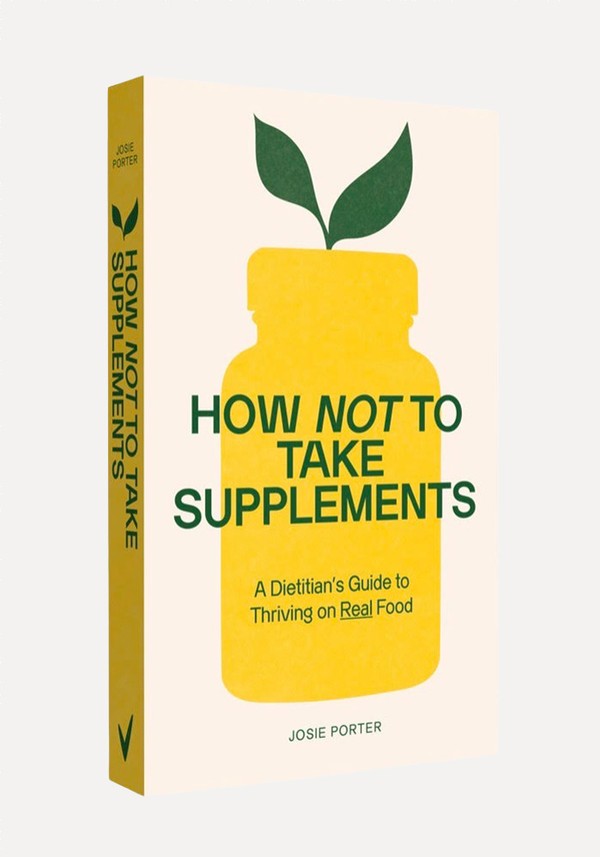
“One of the biggest mistakes I see is people not fixing the basics before diving into supplements. Low energy, poor sleep, bloating and similar issues are often driven by things like inconsistent meals, under-fuelling or high stress. Supplements can support these areas but they should be seen as a last resort.” – Josie
Diet Is What Counts
“Supplements should complement a healthy lifestyle, not replace it. For example, if someone is struggling with their gut health, look at the diversity of plants in your diet before reaching for multiple supplements. Don’t get me started on green powders – if someone is struggling with bloating, they can make the problem worse.” – Dr Megan Rossi, dietician, nutritionist & founder of SMART STRAINS
Don’t Be Influenced
“No one should be copying supplement routines they’ve seen online recommended by influencers. Social media has normalised taking huge numbers of supplements but what supports one person may be completely unnecessary, or even unhelpful, for someone else. It can also become unnecessarily expensive.” – Jess Shand, hormone health nutritionist & author
Consider A Blood Test
“In many cases, blood testing can be incredibly valuable, particularly if someone is experiencing on-going symptoms, is focusing on fertility or to support a specific life stage like peri- or menopause. Testing can identify genuine deficiencies and can also highlight when supplementation may not be appropriate. That said, I don’t think everyone needs endless testing or should become hyper-fixated on biomarkers. Blood results are just one piece of the puzzle that needs interpreting by a registered health professional.” – Jess Shand
Don’t Expect Overnight Results
“When a supplement is added into the mix, it is very easy to link normal fluctuations to the shiny new bottle of supplements you just spent £50 on. Starting something new often makes people more aware of their body, which can amplify small perceived changes. That does not necessarily mean the supplement is responsible for them. Take a note of your symptoms before you take it, then repeat this again a few weeks down the line. Look for consistent changes, rather than short-term shifts in how you feel.” – Josie
Think Quality Over Quantity
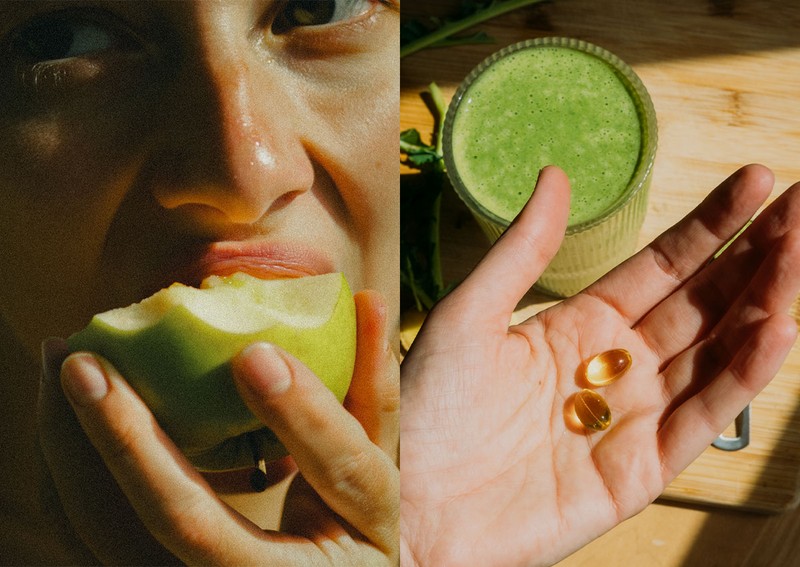
“Many supplements on the market contain poorly absorbed forms, unnecessary fillers, artificial colours, sweeteners or doses that are either too low to be effective or unnecessarily excessive. I would always rather see someone take fewer, higher-quality, well-formulated supplements with a clear purpose than a cupboard full of random products inconsistently.” – Jess
Do Your Research
“Packaging, branding and confident claims can make a product feel more evidence-based than it actually is. Remember, supplement regulation is limited, these products do not go through checks before they hit our shelves and third-party testing isn’t mandatory. That means a product can look safe and credible, when in reality this isn’t guaranteed. Instead, look for brands that are transparent with dosing and independently tested or certified to reduce your risk.” – Josie
Beware Of A Bargain
“Any powdered collagen that costs less than £20 is essentially raw gelatin, which is found in jelly. Collagen supplements are hugely popular but many people are spending money on them without understanding the evidence. Specific types of hydrolysed collagen products for joint and skin health tend to be very expensive. For many people, focusing on fibre-rich foods and high polyphenol foods like dark chocolate and berries, that nourish the gut-skin connection is going to do far more than your average high-street collagen supplement.” – Dr Megan
Know They’re Not A Substitute For Skincare
“Things get problematic when normal skin variation is treated as something to fix with supplements. Most of these products sit far down the hierarchy of evidence compared with basics like sun protection and adequate hydration. Persistent, severe or distressing skin issues deserve proper clinical attention, with assessment and support from a dermatologist. Healthy, functioning skin will naturally include variation over time.” – Josie
Be Wary Of Weight Loss Promises
“A common misconception is that certain supplements drive weight loss in a way that is worth the cost. When you look at the results, they are often modest, even sitting within normal day-to-day weight fluctuations. It becomes hard to justify the return on investment when compared with other strategies that consistently outperform them, such as improving overall diet, increasing protein and fibre intake, or spending that money on some gym classes that you really enjoy. We’re yet to see anything in the supplement space that really justifies the cost or outweighs real food and lifestyle strategies.” – Josie
Probe Your Probiotics
“Not all probiotics do the same thing. The science doesn’t support taking a generic probiotic supplement as a “just-in-case” precaution. Unfortunately, this is too simplistic and it’s probably why more than three-quarters of people who take probiotics report seeing no benefit. What we do know is that specific probiotic strains (types of bacteria) can have specific health benefits. It’s about taking the right strain, at the right time, for the right health need – and in the right way, meaning the dose and format should match what’s been studied in human clinical trials.” – Dr Megan
Finally, Avoid Over-Supplementing
“In some cases, over-supplementing can actually create imbalances or unintended consequences and do more harm than good. Certain vitamins and minerals compete with one another for absorption, while others can become problematic in excess. Iron is a good example. Not everyone needs additional iron and for someone with a condition such as haemochromatosis, supplementing unnecessarily could potentially do harm. The same applies to things like zinc and copper, where long-term high doses of one can impact the balance of the other. Sometimes less really is more when it comes to supplementation.” – Jess
DISCLAIMER: Features published by SheerLuxe are not intended to treat, diagnose, cure or prevent any disease. Always seek the advice of your GP or another qualified healthcare provider for any questions you have regarding a medical condition, and before undertaking any diet, exercise or other health-related programme.
Or continue to comment as a Guest below
DISCLAIMER: We endeavour to always credit the correct original source of every image we use. If you think a credit may be incorrect, please contact us at info@sheerluxe.com.
/https%3A%2F%2Fsheerluxe.com%2Fsites%2Fsheerluxe%2Ffiles%2Fwebsite-images%2F2025%2F03%2Fsign-up-pop-up.jpg)