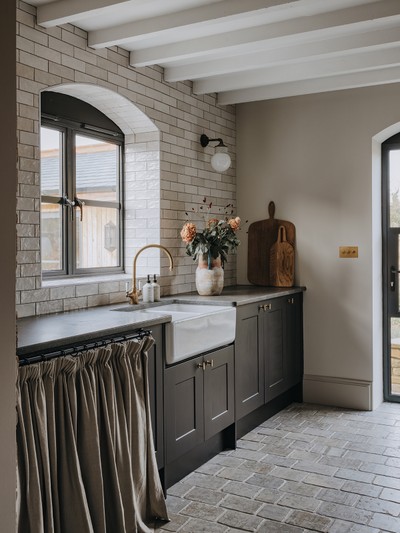
An Interior Designer Talks Inspiration, Style & More
My Background & Training
I studied at the Fashion Institute of Technology in New York, where I earned my degree in interior design. Early on, I was lucky to find a mentor who helped me land my first job at Peter Marino. Working there exposed me to the full spectrum of design: residential, retail, hospitality, all executed at the highest level. I remember being sent to sketch the staircase at the Frick Museum for a project on the Upper East Side. That kind of task taught me how historical references and art play such a vital role in creating layered, meaningful spaces.
The office itself was an education. Two full floors on 58th Street, full of antique treasures, an extensive textile library, bespoke pieces and artwork everywhere. It was fast paced and vibrant, sometimes overwhelming, but those first few years gave me my foundation. I learned to work with extraordinary materials, think about scale and proportion and understand how a well-designed space should feel both considered and alive. That early immersion in art and historical influences still shapes everything I do today.
My Style & Ethos
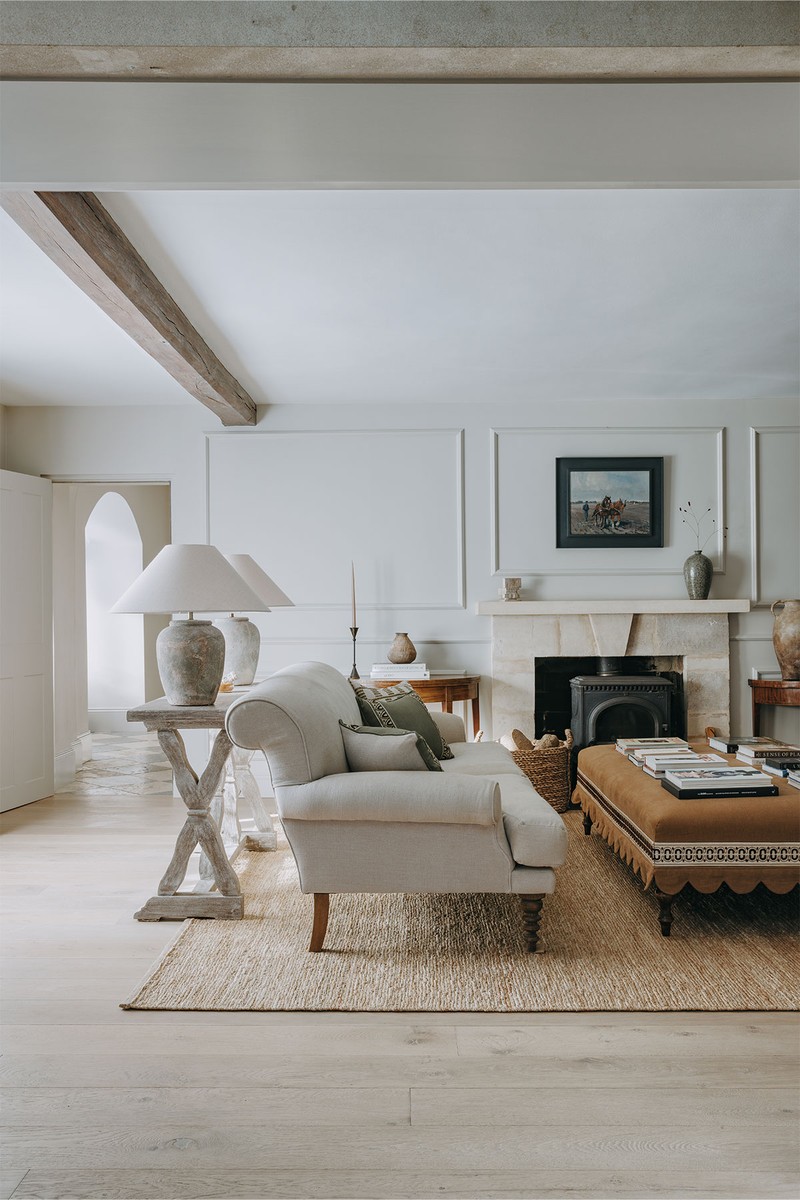
My style is layered and collected – spaces that feel lived-in rather than decorated. I'm not interested in minimalism for its own sake but I do believe in editing. Every piece should earn its place. I love mixing vintage finds with custom-made furniture.I'm drawn to earthy, warm tones rather than cool palettes and natural materials – timber, stone, linen, wool, leather.
My ethos is about collaboration and restraint. I tune in to how my clients live their day-to-day lives, then translate that into spaces that honour both their needs and the architecture itself. If it's a period house, I preserve the bones – the cornicing, the proportions, the details that give it character – and use those as a foundation for everything new.
I design for real life, not just for beauty. A space needs to function well and feel calm. That means quality materials over quantity, clever lighting, considered details. It's about creating rooms that feel timeless and cohesive, where you can actually breathe. Ultimately, I want spaces that feel both extraordinary yet liveable because good design should be both.
My Inspiration
I draw most of my inspiration from travel and tangible things – objects with history, books I can hold, places I can walk through. I travel to France and Italy for work and take full advantage of the vintage shops there. Both places teach me different things: France shows me how to layer history and craft, while Italy gives me that materiality, warmth and pared-back sensibility I'm always trying to achieve. I draw inspiration from museums, restaurants, even the shops themselves – how they use architecture, materials and light.
Chairs are an obsession of mine, particularly brutalist-style furniture with that sculptural, weighty presence. My team will tell you I have a problem. I also collect books from the used bookshop around the corner – furniture making, art, and architecture. There's something about flipping through physical pages that feels better than scrolling. I actively try to avoid the algorithm when it comes to design. Real inspiration comes from understanding how things were made, from objects that have lived, from actually experiencing spaces rather than just looking at images of them.
/https%3A%2F%2Fsheerluxe.com%2Fsites%2Fsheerluxe%2Ffiles%2Farticles%2F2026%2F03%2Fsl-270326-designer-profile-bari-from-blank-slate-new-1.jpg)
My Career Highlights
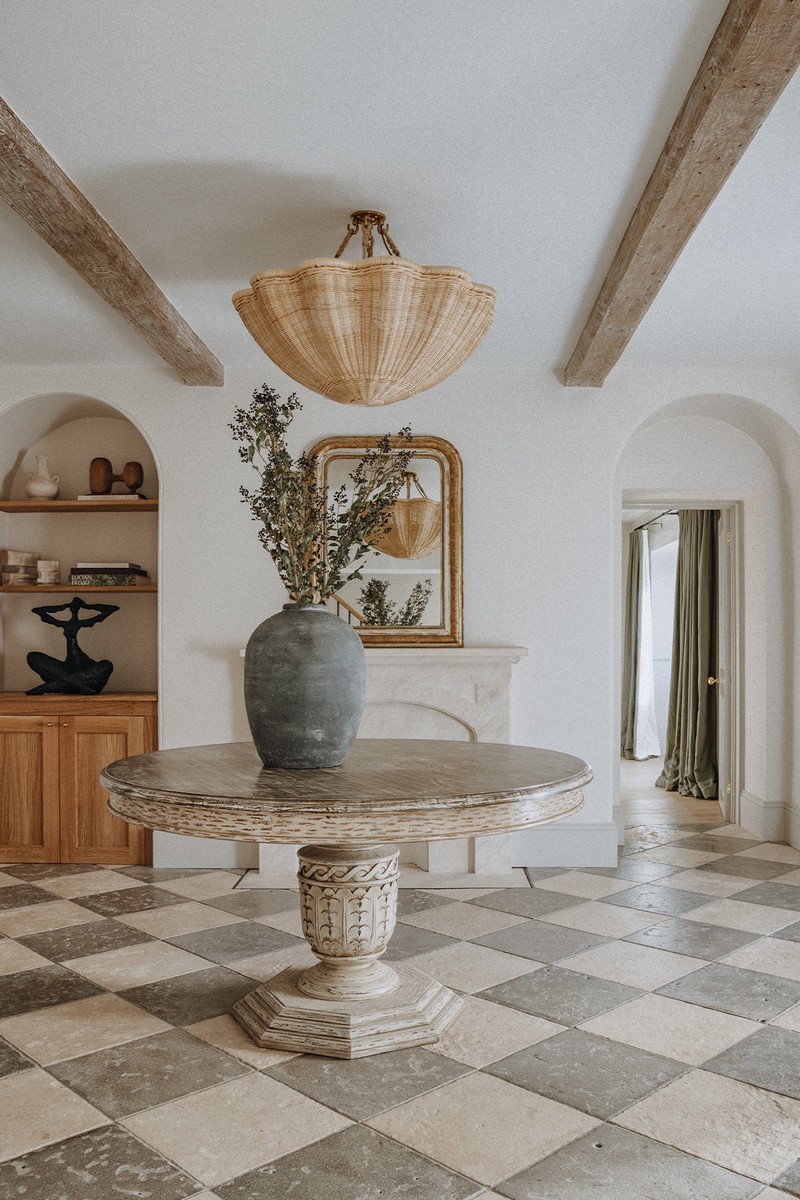
All my projects are a labour of love but, if I had to choose a highlight, I'd start with the staircase and entry hall in our Wiltshire Farmhouse project. It was probably the biggest transformation we've designed to date. Before, it was a tiny, narrow corridor with a disjointed reception room off to the side, divided by a wall. Nothing flowed and it all felt claustrophobic. We opened it up completely, creating a generous entry hall with a beautiful staircase that serves as the heart of the house. The materiality was key – we installed a limestone checkerboard floor inspired by the centuries-old buildings you see when you're travelling. It was custom made by a quarry in southern France, designed to feel reclaimed and imperfect, fitting with the age of the old stone farmhouse.
Right now, I’m focused on a work-in-progress project: a 15th-century house in Somerset, just outside Bath. We've been working on it for nearly four years now, taking it from dirt floors to its fully restored state. Now we're looking at the furnishings and designing each piece in-house, as well as collecting the right vintage pieces to slot in alongside.
My Chosen Materials
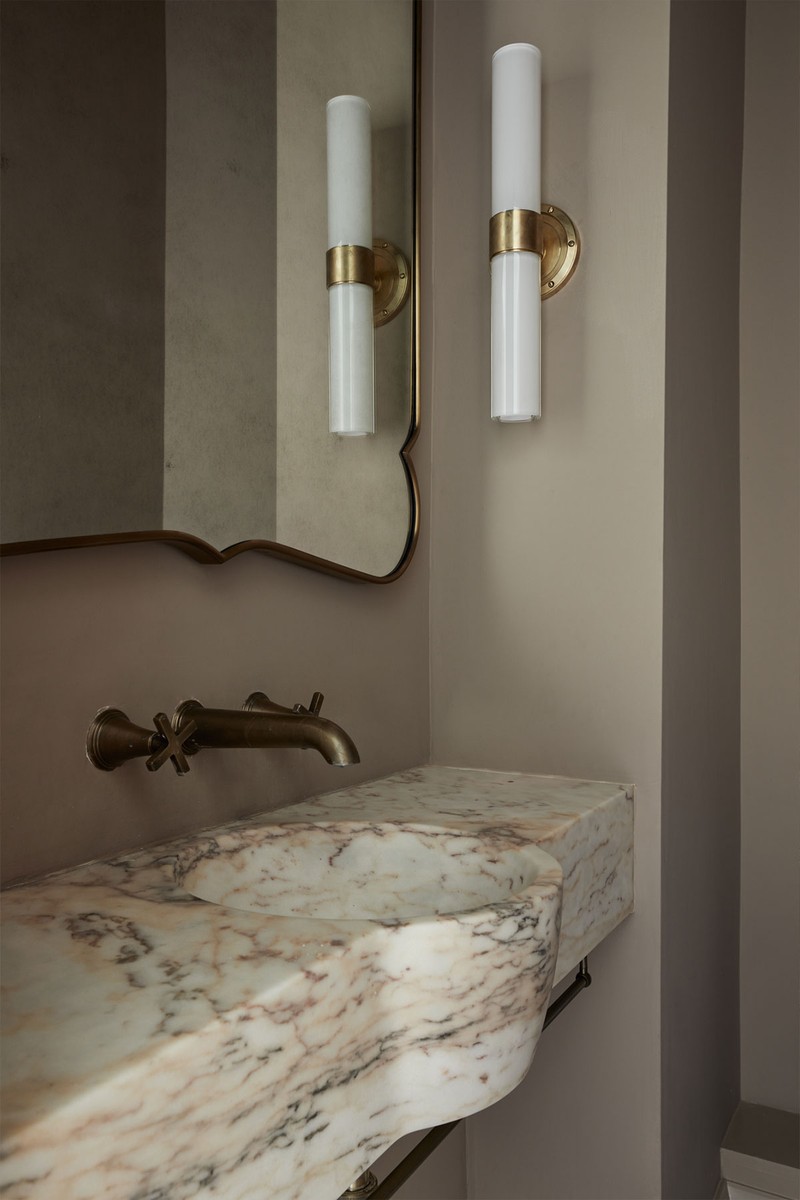
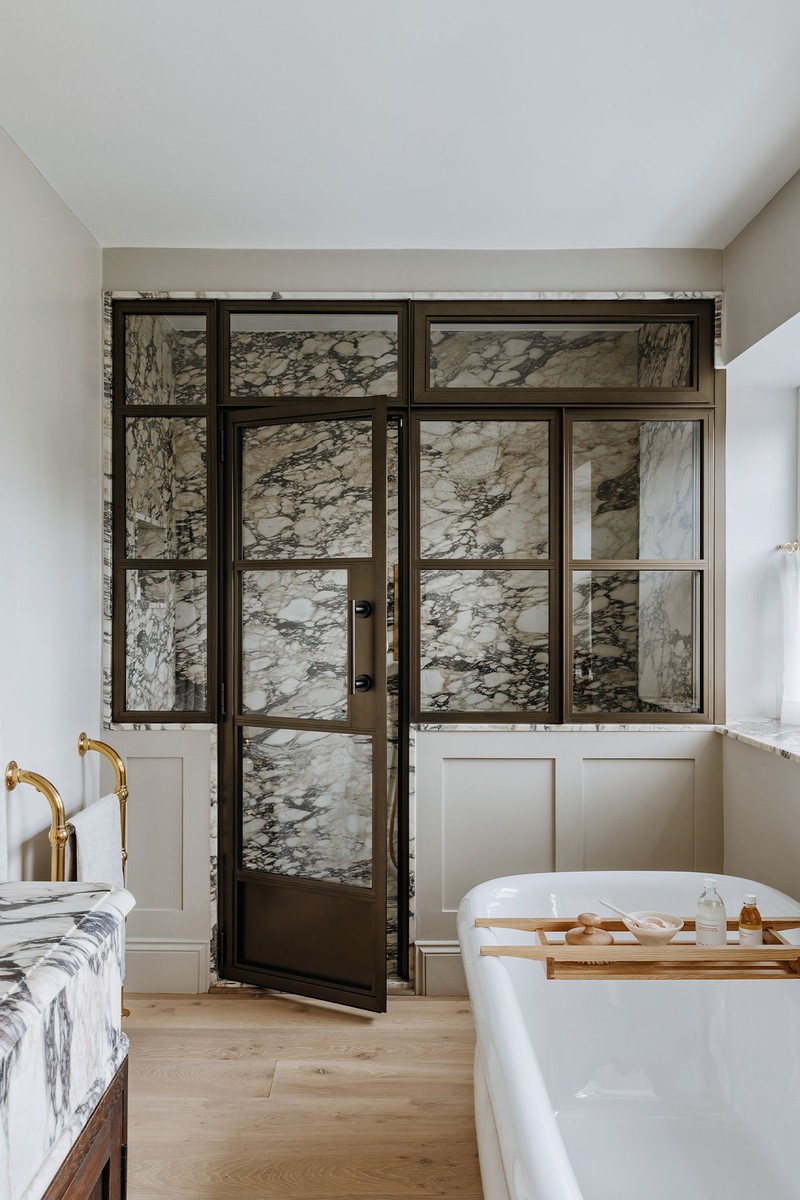
I'm drawn to natural materials, things that age beautifully and feel tactile. Timber is essential, whether it's bespoke joinery or vintage furniture with patina. I love working with stone: limestone, marble, travertine. I'm particularly drawn to marbles with unique characteristics and vintage undertones – deep earthy tones like olives, plums and rich browns with creamier grounds, rather than cold greys and stark whites. Our interiors are warm, layered and lived-in, and the materials need to reflect that.
Natural textiles are equally important – linen, wool, cotton and leather. They bring warmth and softness to a space in a way synthetics simply can't. I love how linen wrinkles and relaxes, how wool retains structure and feels tailored, how leather develops grain and texture..
We aren't creating anything that feels too precious. A lot of our clients have busy households with children and pets, and I want them to actually live in their homes without feeling like they're in a museum or a staged space. I'm not interested in materials that look brand new, I want surfaces and textiles that evolve with use, that show their age gracefully. Imperfection is part of the appeal – we love flooring with character, cracks, texture and knots that feel reclaimed, a limestone tile that feels aged, marble with movement and depth rather than uniformity.
The materials should feel real. No laminates pretending to be wood, no composites trying to mimic stone. If you're going to use something, use the real thing and let it be what it is.
My Go-To Colour Palette
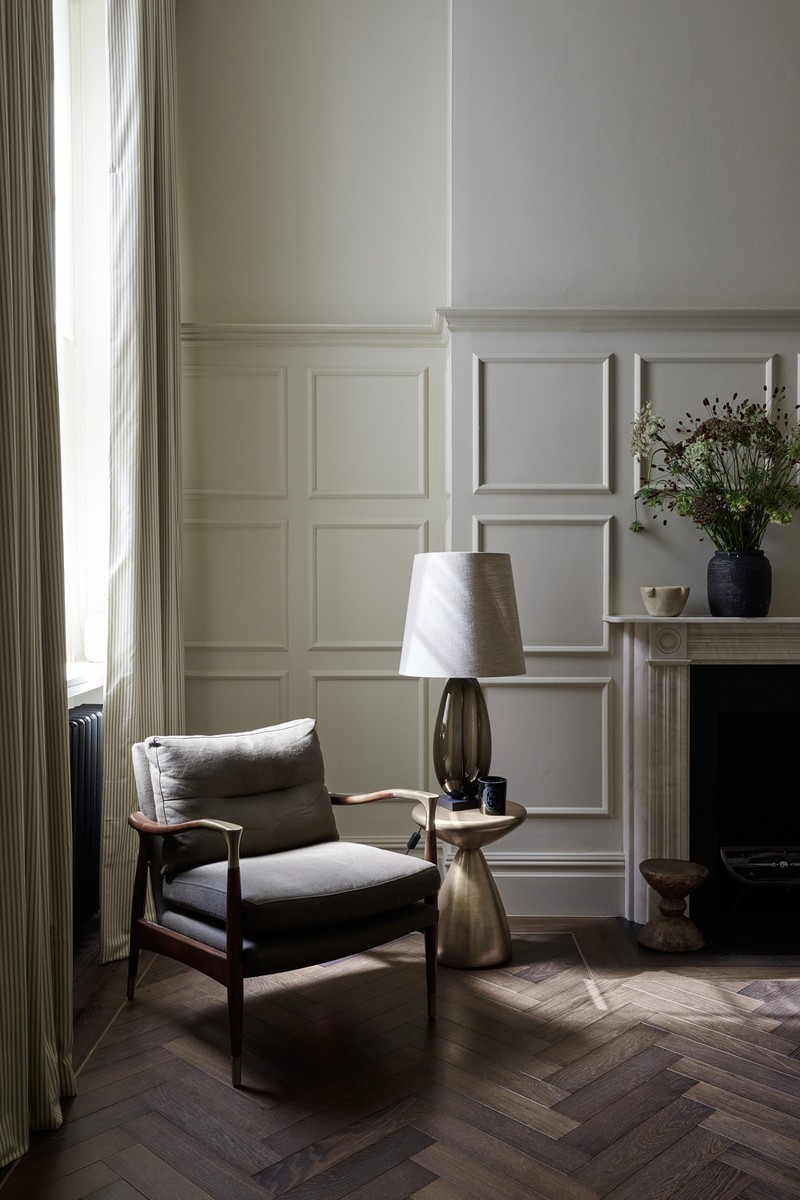
Warmer, earthy tones are where I feel most comfortable. My work centres on warm creamy neutrals, soft cocoas and rich browns, olive greens and moments of deeper colour like terracotta, rust and plum. Nothing cool or grey. I want spaces to feel grounded and enveloping, not clinical.
That said, I don't apply the same palette to every project. The colours evolve based on the client, the architecture and the light in the space but the foundation is always warmth. I'm looking for tones that feel natural, that could have come from the earth – ochres, clays, mossy greens, deep umbers. Colours that work in harmony with natural materials like timber, stone and linen, rather than fighting against them.
I also think about how colour ages and how it shifts throughout the day. A warm neutral in morning light feels completely different in the evening and I love that fluidity. The palette should feel alive, not static. It's never about creating a ‘look’, it's about finding the tones that make a space feel like home.
LET’S TAKE A LOOK AT THREE PROJECTS
Wiltshire Farmhouse
England
Photographer: Ursula Armstrong
Client: A family of four plus two dogs; a holiday home for a family now based in California.
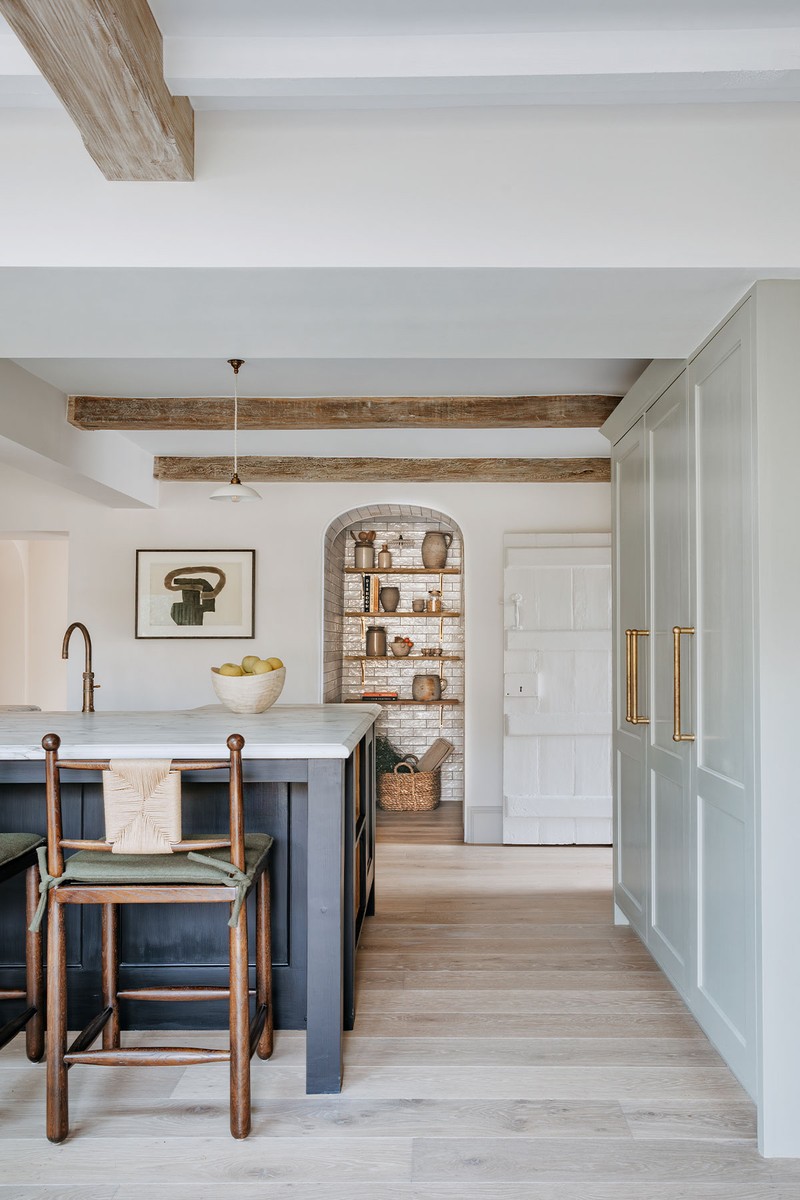
Brief: Integrate a full-width rear extension with open-plan kitchen, dining, living room, boot-room and utility. Plus, reconfigure the ground floor as well as full restoration and modernisation including bathrooms.
Approach: Ensure the extension feels cohesive with the original house through reclaimed-feel materials, exposed beams and a unified palette.
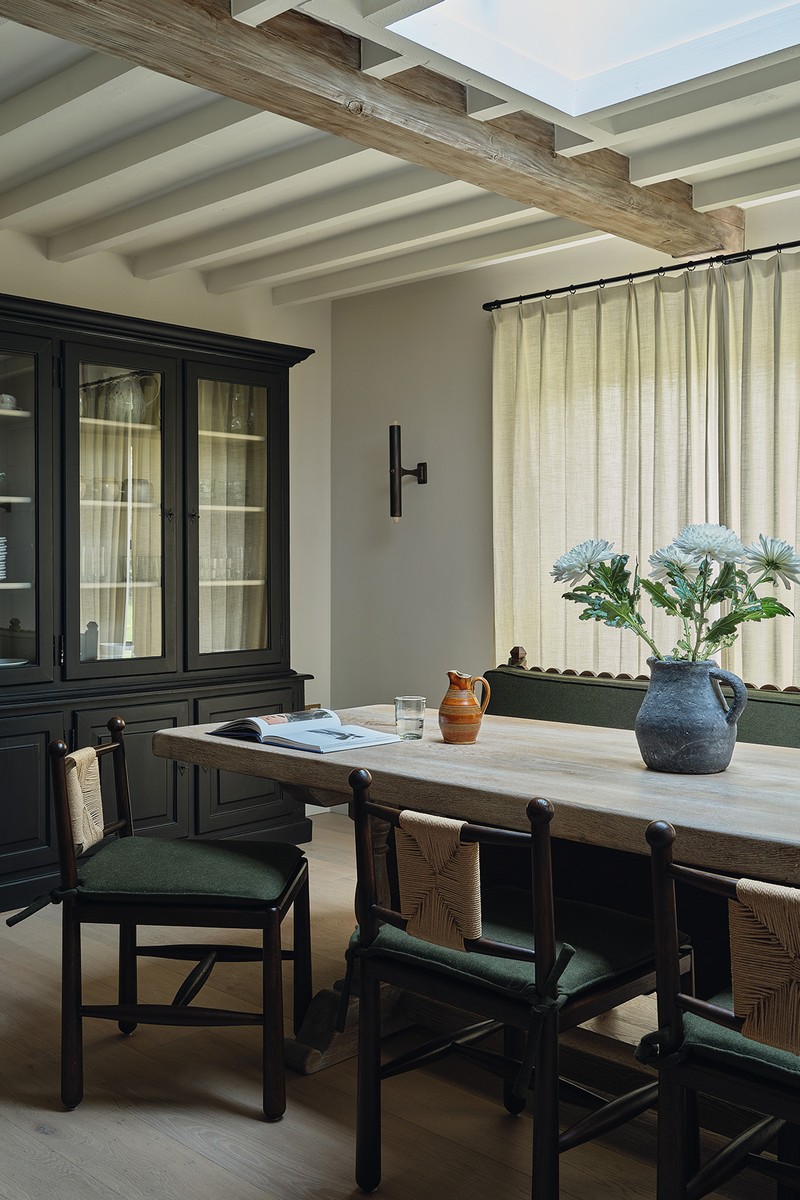
Scheme: Warm earthy tones, natural jutes, reclaimed textures, ambient lighting; Lucy dining chairs inspired by Charlotte Perriand.
Favourite Room: Dining area for its architectural connection to the original house.
/https%3A%2F%2Fsheerluxe.com%2Fsites%2Fsheerluxe%2Ffiles%2Farticles%2F2026%2F03%2Fsl-270326-designer-profile-bari-from-blank-slate-7.jpg)
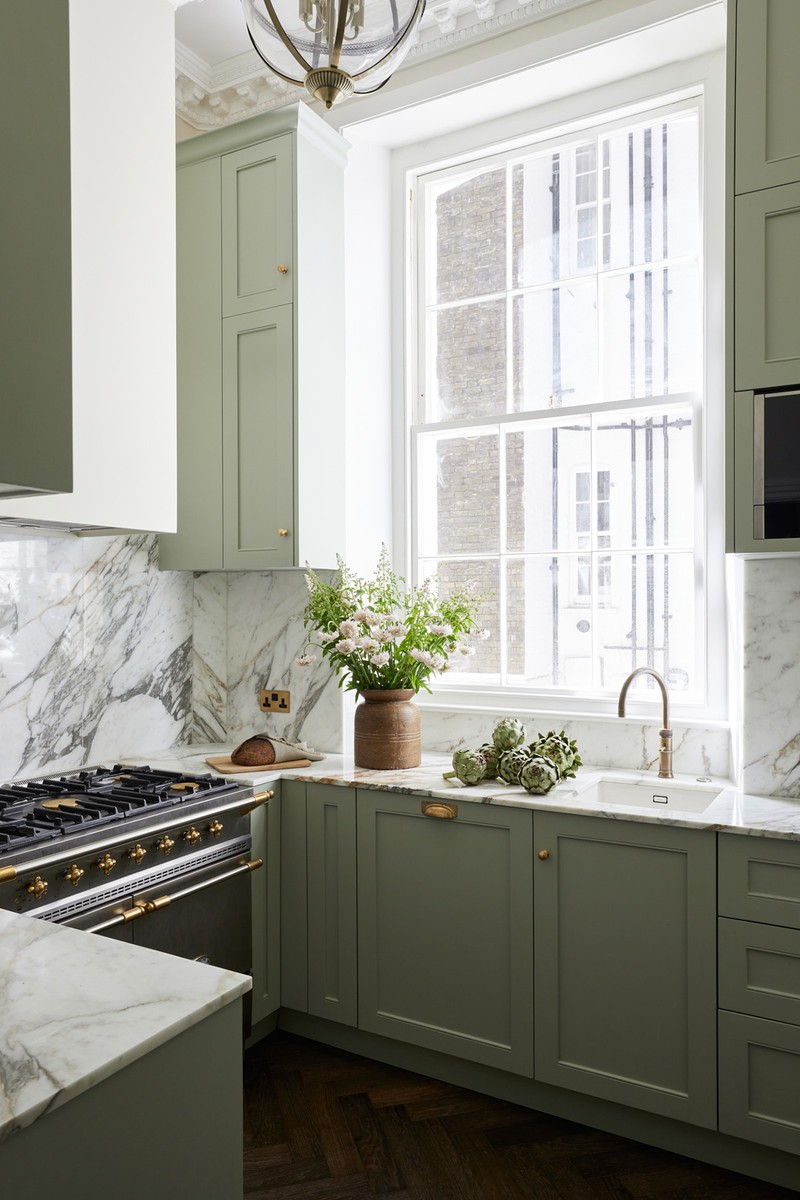
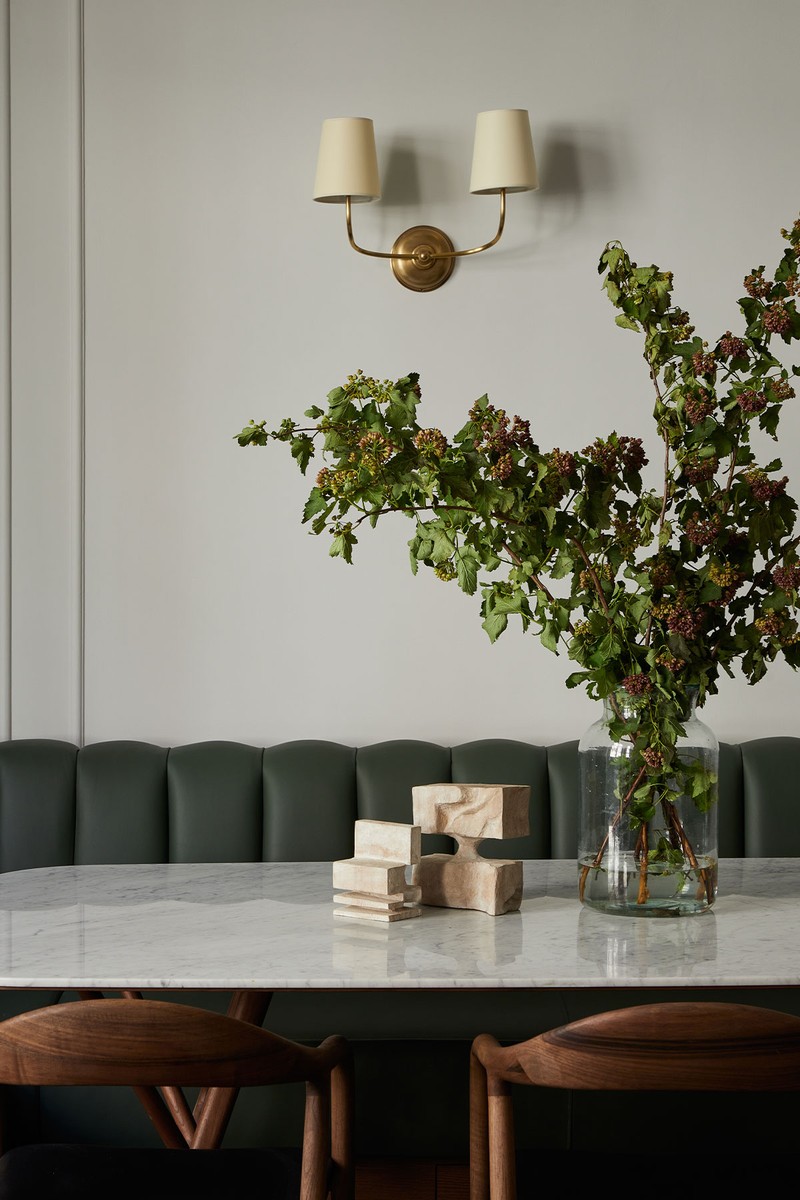
Pimlico Mansion Flat
London
Photographer: Chris Snook
Client: Young family of three.
Brief: Full restoration and modernisation while retaining original layout.
Approach: Reinstate lost architectural details; maximise four-metre ceilings with joinery, panelling and curated lighting.
Scheme: Warm whites, wool, velvet, bespoke cognac timber herringbone floor with Trunk Flooring
Favourite Room: Kitchen for its efficient layout and materiality.
Streatham Hill Victorian House
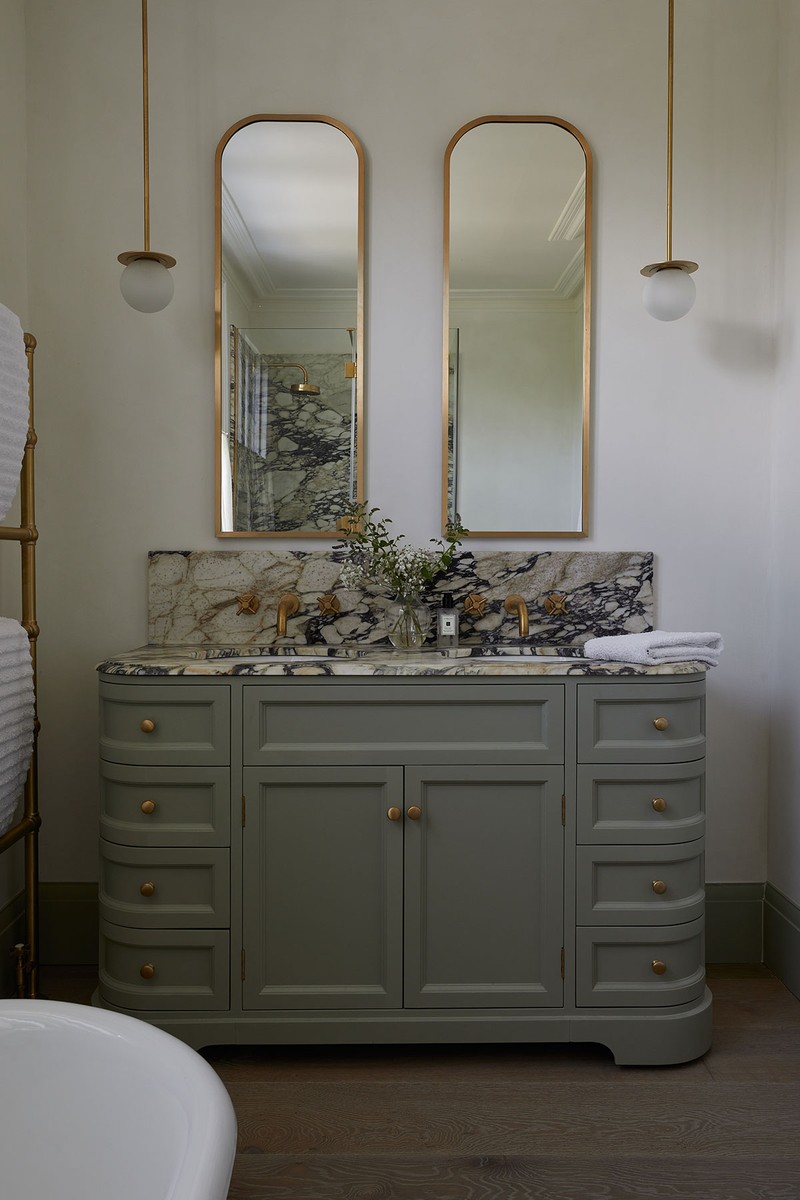
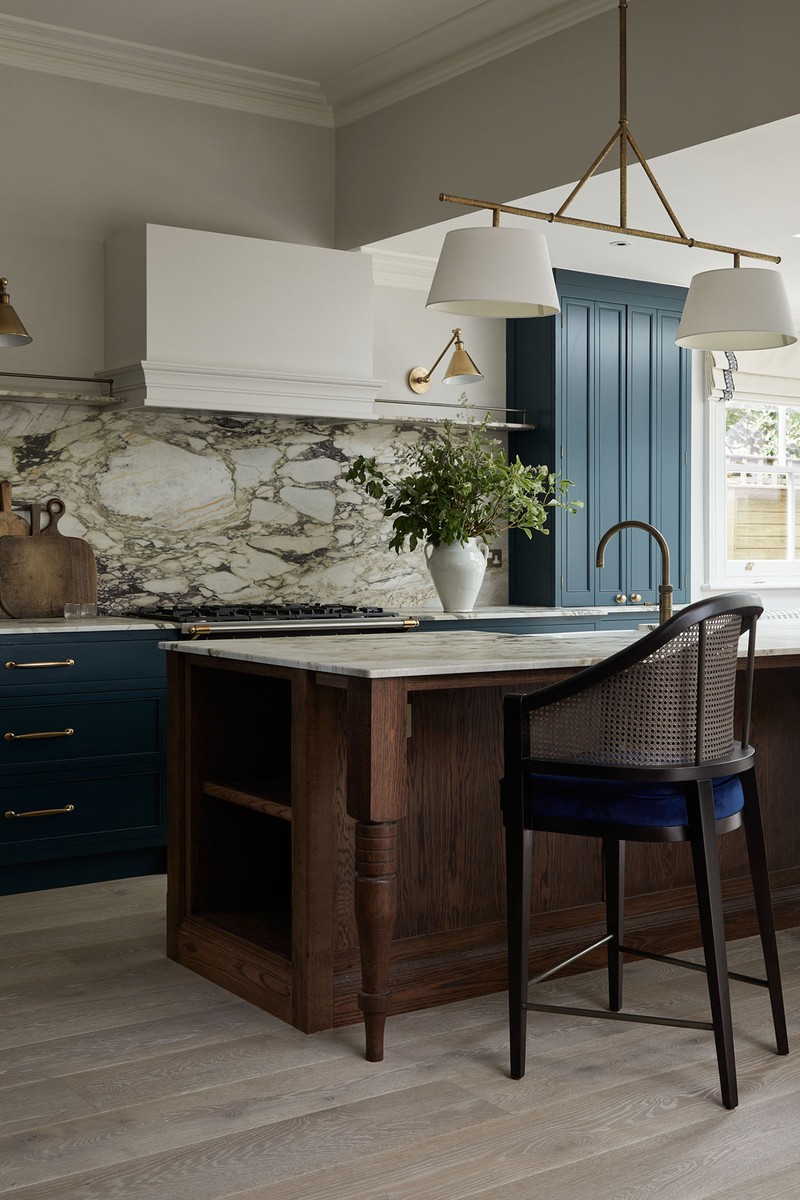
London
Photographer: Chris Snook
Client: Young family of four.
Brief: Extension, new layouts, open-plan ground floor; first-floor master suite with dressing room and bathroom.
Approach: Blend new and old via replicated cornicing moulds; add study with soundproof Crittal doors.
Scheme: Light earthy tones, sage greens, neutrals; bespoke furniture by Matthew Cox and Herringbone Kitchens.
Favourite Room: Main suite for a calm sanctuary feel.
/https%3A%2F%2Fsheerluxe.com%2Fsites%2Fsheerluxe%2Ffiles%2Farticles%2F2026%2F03%2Fsl-270326-designer-profile-bari-from-blank-slate-12.jpg)
Visit BLANKSLATESTUDIO.CO.UK
Or continue to comment as a Guest below
DISCLAIMER: We endeavour to always credit the correct original source of every image we use. If you think a credit may be incorrect, please contact us at info@sheerluxe.com.
/https%3A%2F%2Fsheerluxe.com%2Fsites%2Fsheerluxe%2Ffiles%2Fwebsite-images%2F2025%2F03%2Fsign-up-pop-up.jpg)