
Everything You Need To Know About ‘Fibremaxxing’
It Truly Optimises Your Health…
“Historically, there’s been a strong focus on fat and carbs – particularly low-fat and low-carb diets for weight loss. More recently, attention shifted towards protein and high-protein eating. Now, fibre is having its moment, which is a positive change because, rather than focusing on restriction, we’re thinking more about what we can add to our diets to support better health. Gut, hormone and brain health have all been under the spotlight in recent years and getting enough fibre can benefit all three. Looking at food through that lens feels far healthier and more sustainable when it comes to properly nourishing ourselves.” – Kristen Humphreys, nutritionist at Bare Biology
The Benefits Go Far Beyond Digestion…
“Fibre isn’t just about regularity – although that’s what people often associate it with. While it’s brilliant for bowel health, it also plays a key role in metabolic health, inflammation, blood sugar balance, immunity, appetite and weight management. Prebiotic fibre is especially important because it feeds the beneficial bacteria in our gut, helping to support a healthy, diverse microbiome. As it ferments, it produces compounds called short-chain fatty acids, which have wide-ranging benefits for everything from mood and metabolism to inflammation and immunity. Fibre also helps regulate blood sugar by slowing the absorption of carbohydrates, leading to steadier energy levels and helping us feel fuller for longer.” – Rhian Stephenson, nutritionist & founder of Artah
It Can Boost Energy Levels…
“A benefit people often overlook is the impact fibre can have on energy, focus and productivity. Diets that rely heavily on simple, low-fibre carbohydrates can cause blood sugar spikes and crashes throughout the day, often leading to dips in concentration and performance. Fibre helps slow the absorption of sugar into the bloodstream, supporting steadier energy levels and better focus. In practice, that can mean getting through the workday without relying on endless coffees – and still having energy left for the gym or time with friends and family in the evening.” – Kristen
For Women, It's Especially Important…
“If we think about hormones, particularly oestrogen and the impact it has throughout our lives, we want to make sure the body is able to process and eliminate it effectively while maintaining a healthy balance with progesterone. By supporting gut health and a healthy microbiome, fibre can enhance the body’s ability to do so, helping to maintain healthy hormone levels. Better gut health is well known for supporting better mood and mental health. This becomes particularly relevant as women move into perimenopause and menopause, where changes in hormone levels can contribute to symptoms and shifts in overall health, including mood. Fibre also plays an important role in blood sugar management. During perimenopause and menopause, we may see a decline in metabolic health or an increase in insulin resistance, so supporting blood sugar earlier on can help reduce the impact of these changes later in life.” – Kristen
Not All Fibre Is Created Equal…
“A lot of people assume fibre is one thing, when in reality there are several different types – all with their own functions and benefits. Soluble fibre dissolves in water to form a gel-like substance, helping to stabilise blood sugar and lower cholesterol, while insoluble fibre adds bulk to stool and supports regular digestion. We need both for optimal health, alongside prebiotic fibre, which is a type of soluble fibre that specifically feeds the beneficial bacteria in the gut. All prebiotic fibres are soluble but not all soluble fibres are prebiotic. Some of the best sources include garlic, onions, leeks, asparagus, artichokes, green bananas and resistant starches like cooked and cooled potatoes or rice.” – Rhian

Fibrous Carbs Aren’t To Be Feared…
“Carbohydrates shouldn’t be feared – that’s one of the biggest misconceptions I end up addressing with clients. When people cut out carbs entirely, they often miss out on a huge amount of fibre. That said, if you are trying to reduce your intake of more complex carbs like rice, bread or grains, there are still plenty of ways to increase fibre through lower-carb foods. Berries, broccoli, spinach, kale, avocado, cauliflower and courgette are all great options, as are nuts, seeds, lentils and chickpeas.” – Hannah Cartwright, nutritionist a& co-founder of wellness collective The Aloha Girls
It’s Important Not To Rush It…
“Start gradually. If you go from eating very little fibre to suddenly having lots, you’re far more likely to experience digestive issues like bloating, cramping or discomfort. It is possible to increase fibre without those side effects – it just needs to be done slowly. With clients, we’d typically increase fibre by around 3g every few days, while also making sure water intake goes up too, as hydration is essential for helping fibre move properly through the digestive system. Simple swaps can make a big difference as well, whether that’s mixing brown and white rice together instead of just eating white rice, or adding an extra portion of finely chopped vegetables into meals. Another easy tip is to keep the skin on vegetables where possible, as that’s where a lot of the fibre is.” – Hannah
“One of the biggest misconceptions is that high-fibre diets are right for everyone and that more fibre is always better. That’s not necessarily the case. There are certain situations where a very high fibre intake may not be appropriate, for example people with inflammatory bowel disease (IBD) or those following a specific carbohydrate diet may struggle to tolerate large amounts of fibre-rich foods. If someone already has a compromised digestive system, the priority is avoiding symptom flare-ups, so it’s important not to jump on trends without considering individual needs. For most people, fibre has huge health benefits but some may react more sensitively to it. If you’re increasing your intake, especially if you have a sensitive stomach, do it gradually and make sure you’re drinking plenty of water to help avoid digestive discomfort.” – Kristen
There Are Multiple Ways To Work It Into Your Diet…
“Start by switching up the foods you’re already eating. For example, a lot of people have Greek yogurt with honey for breakfast, so replace the honey with pear or raspberries. You could also try overnight oats instead of porridge, which significantly raises fibre and resistant starch content. Later, swap crackers or crisps for a handful of nuts. Finally, make salads work harder by adding a source of protein, a grain or brown pasta, noodles or sweet potato, then the salad or raw veggies. Cooked veggies cause less bloating too.” – Hannah
“In general, fruits, vegetables, whole grains, legumes nuts, and seeds are some of the best sources of fibre. Matcha can also be a good source because you actually drink the ground-up tea leaves. Although coffee may contain small amounts of fibre, it’s not as reliable since you’re not actually consuming the bean.” – Kristen
Finally, You Can Always Try A Supplement…
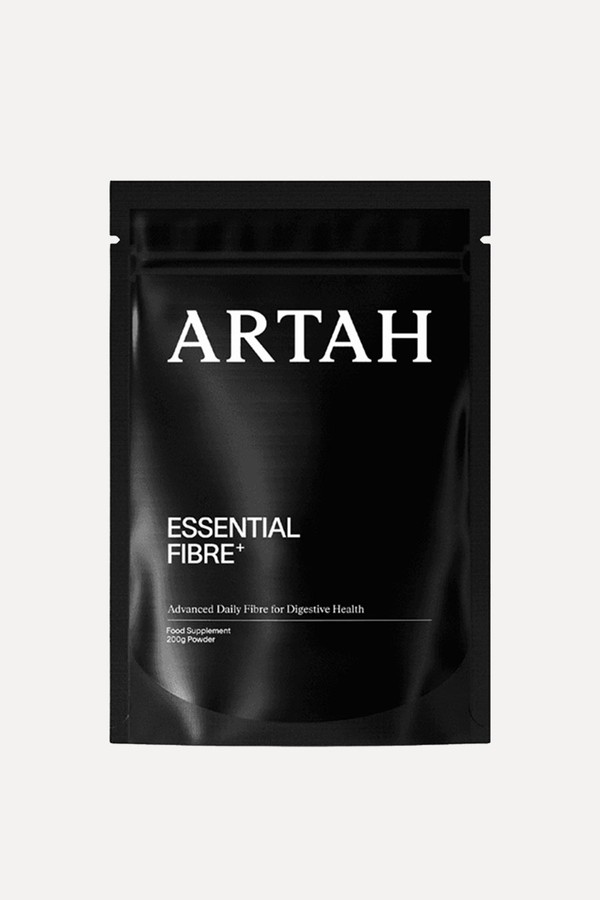
“Supplements like Artah’s Essential Fibre+ can be helpful for anyone struggling to consistently reach the recommended 30g of fibre a day, as well as those with gut issues or busy lifestyles where eating enough fibre-rich foods isn’t always realistic. They can also be particularly useful during periods of stress or fatigue, when cravings and appetite can feel harder to manage. Ideally, you want to look for a supplement that combines prebiotic and insoluble fibres, so it supports microbial diversity while also aiding digestion and transit time. Diversity is especially important: many fibre supplements rely on a single source but we know a broader range of fibres is more beneficial for gut health. Artah’s formula combines beta glucans, resistant starch, pectins, PHGG, psyllium and green banana, alongside digestive herbs like chamomile, ginger and chen pi to help support bloating and discomfort. It’s also low FODMAP, making it suitable for those with IBS or SIBO.” – Rhian
Visit BAREBIOLOGY.COM, ARTAH.CO & THEALOHAGIRLS.CO.UK
SHOP THE PRODUCT EDIT
DISCLAIMER: Features published by SheerLuxe are not intended to treat, diagnose, cure or prevent any disease. Always seek the advice of your GP or another qualified healthcare provider for any questions you have regarding a medical condition, and before undertaking any diet, exercise or other health-related programme.
Or continue to comment as a Guest below
DISCLAIMER: We endeavour to always credit the correct original source of every image we use. If you think a credit may be incorrect, please contact us at info@sheerluxe.com.
/https%3A%2F%2Fsheerluxe.com%2Fsites%2Fsheerluxe%2Ffiles%2Fwebsite-images%2F2025%2F03%2Fsign-up-pop-up.jpg)