12 Tips To Keep You Calm This December
Recognise The Stress Stack
“Recognise that December doesn’t usually come with one single stressor – it’s a mix that arrives all at once, and that’s what makes the month feel so overwhelming. A packed social calendar can leave very little time for rest or personal space. Spending more time with family can be wonderful, but it can also bring up old triggers or push us into people-pleasing mode without us realising. Emotionally, there’s pressure to feel joyful, but for anyone grieving a loved one or navigating heartbreak, the season can be a reminder of what’s missing, especially with social media showcasing ‘perfect’ holidays that don’t always reflect real life. Add financial strain, year-end work deadlines, shorter days and seasonal mood shifts, and it’s easier to see why stress peaks. Acknowledge it instead of expecting yourself to breeze through. Simply recognising what you’re carrying can create more space, compassion and calm.” – Marina Wright, health coach & author of The Cortisol Reset Plan
Be Mindful Of Sugar
“If there’s one eating habit to focus on for steadier stress levels, it’s stabilising blood sugar. Large amounts of refined sugar cause rapid swings – especially the ‘crash’ after a spike – and that crash activates your stress response. When the brain senses falling glucose, it sees it as a threat, and triggers adrenaline and cortisol to release stored fuel. This can make you feel anxious, fatigued and edgy, even if nothing stressful is happening. Big, repeated spikes can also feed inflammation and disrupt how cortisol normally keeps that in check. There’s no need to avoid carbs entirely, but be mindful of festive treats like mulled wine, which can easily contain 35g of sugar per mug, mince pies (around 25g of sugar per serving), and Christmas cake with icing, which has an average of 40g of sugar per slice.” – Rhian Stephenson, nutritional therapist & founder of ARTAH
Be Present
“Be selective with the social commitments you make – and once you’ve said yes, try to have fun and enjoy it. Put your phone away, stop multitasking and engage with the people around you. Pay attention to conversations, enjoy the food and the music, and soak in the atmosphere. Instead of spreading yourself thinly across every invitation, choose fewer so you have the capacity to savour them. Experiencing real joy and connection in these moments can help lower stress hormones, calm your nervous system, and make the season feel more like a celebration and less like something to get through.” – Marina
Take Five Minutes
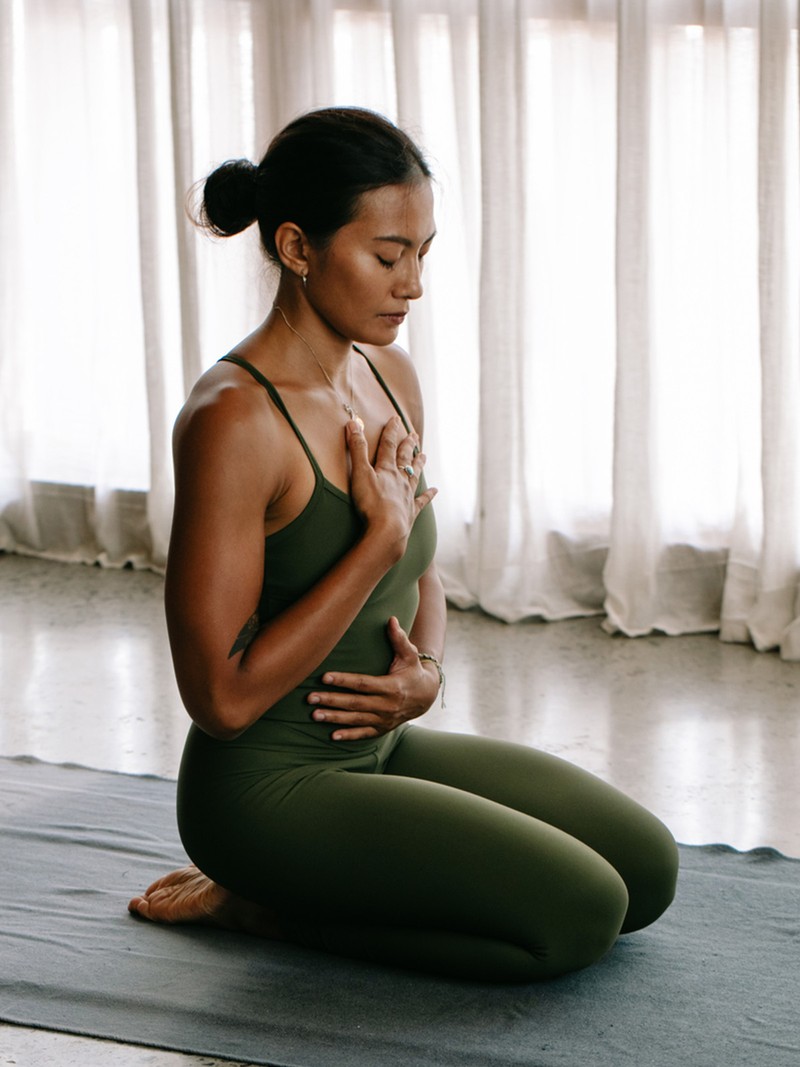
“If you only have five minutes, try this grounding practice. Sit with your feet flat on the floor, close your eyes and breathe in for four seconds, and out for six. Rest your hands on your lower ribs – feeling the breath expand under your palms helps anchor your attention. That slightly longer exhale naturally slows your heart rate, pulls you out of your head and back into your body, and gently steadies rising stress.” – Josh Morley-Fletcher, yoga teacher & co-founder of Radiant Waves Retreats
Ground Yourself Before You Arrive
“Before you walk into a busy event or family gathering, take a moment to check in with your body. Notice where you’re holding tension – drop your shoulders, unclench your jaw, and take a few slow belly breaths, making the exhale longer than the inhale. Those longer exhales tell your nervous system you’re safe, which helps you stay calm and grounded. If someone or a conversation feels triggering, gently remind yourself: “I can notice this without reacting.” This puts you in observer mode rather than being pulled into the moment emotionally. If things feel overwhelming, ground yourself by tuning into your senses, like the sounds in the room, the furniture around you, the feeling of your feet on the floor. And seek out someone you genuinely feel comfortable with. Spending time with a person who feels safe can help you recharge and makes the whole gathering feel easier to navigate.” – Marina
Snack Smartly
“Anything that combines protein and fibre is a good choice for a snack. In simple terms, this pairing slows the release of glucose into the bloodstream, which means fewer of the highs and lows that trigger a stress response. I always suggest whole foods – fruit with nuts, yoghurt with berries, celery with almond butter, hummus and crudités, olives, boiled eggs or overnight oats.” – Rhian
Put Your Legs Up
“When everything feels chaotic, putting your legs up the wall is one of the simplest ways to help your body downshift. Lie on your back with your legs resting up a wall – elevating your legs encourages circulation, takes pressure off the lower body and naturally slows your breathing. With your hips and heart slightly lifted, your system gets a signal to relax. Just three minutes can be enough to make a real difference.” – Sophie Deakin, yoga teacher & co-founder of Radiant Waves Retreats
Prioritise A Healthy Breakfast
“After a late night, breakfast becomes even more important. Focus on protein, fibre and hydration to support recovery and keep stress hormones steady. A simple shift like having eggs, avocado and homemade beans with extra greens gives you a solid 25g of protein, plenty of fibre and minerals like magnesium, which supports the nervous system. A savoury oat bowl works well too – cook jumbo oats with water and milk, add flaxseed, pumpkin seeds, spinach, lemon and nutritional yeast, then finish with extra virgin olive oil and eggs. Avoid sweet breakfasts that lack protein and fibre – like pastries, sugary muffins, toast with jam, and cereals with added sugar. They give a fast spike and a fast crash, which isn’t the gentle start your body needs after a late night.” – Rhian
Do A Body Scan
“If traditional meditation feels too big a leap, start with a body scan. Lie down, close your eyes and slowly move your attention from your toes up to the crown of your head. You’re not trying to change anything – just noticing. This gentle inward focus pulls you out of racing thoughts and into the present moment. It’s incredibly grounding and one of the easiest ways to pause the mental noise of the season.” – Sophie
Support With Magnesium
“Magnesium is a simple and effective way to support the body during busy, high-stress times. It’s involved in hundreds of reactions, including those that influence mood, sleep and how reactive the nervous system feels. It also supports the pathways that help us unwind. When magnesium is low, we’re more sensitive to everyday stressors; sleep can feel lighter, and energy, blood sugar and mood can be more up and down. Supplementation has been shown to reduce perceived stress and support better sleep quality, particularly if your levels are already low.”
Soften Into Sleep
“If you need a helping hand unwinding, try a supported child’s pose before bed. Kneel, fold forward and rest your chest on a cushion, letting your tummy gently expand into the support. This small bit of pressure on the torso helps soothe the vagus nerve, signalling that it’s time to rest. Dim the lights and switch to slow nasal breathing to encourage a deeper, calmer sleep. Also try a slow spinal twist in bed, lying on your back, drawing your knees to one side, extending your arms and then breathing into your ribcage. Twists release tension around the back and diaphragm – areas that tighten when we’re stressed – helping your breath move more freely. It’s gentle, takes almost no effort, and leaves the body feeling softer and more settled.” – Sophie
Reset Your Body Clock
“After late nights, busy weeks or the blur of the festive season, the quickest way to reset your energy is to re-anchor your circadian rhythm – your body’s internal clock. Try to wake up at the same time each day and pair it with morning light. Sit by a bright window or step outside to get natural light in your eyes within the first hour of waking; it’s one of the strongest signals your brain uses to regulate cortisol and suppress leftover melatonin, helping you feel more awake, balanced and in sync. In winter, when mornings are dark, a light therapy box can mimic sunlight and offer the same reset.” – Marina
For more, visit MARINAWRIGHT.COM, ARTAH.CO & RADIANTWAVESRETREATS.COM
DISCLAIMER: Features published by SheerLuxe are not intended to treat, diagnose, cure or prevent any disease. Always seek the advice of your GP or another qualified healthcare provider for any questions you have regarding a medical condition, and before undertaking any diet, exercise or other health-related programme.
Or continue to comment as a Guest below
DISCLAIMER: We endeavour to always credit the correct original source of every image we use. If you think a credit may be incorrect, please contact us at info@sheerluxe.com.
/https%3A%2F%2Fsheerluxe.com%2Fsites%2Fsheerluxe%2Ffiles%2Fwebsite-images%2F2025%2F03%2Fsign-up-pop-up.jpg)