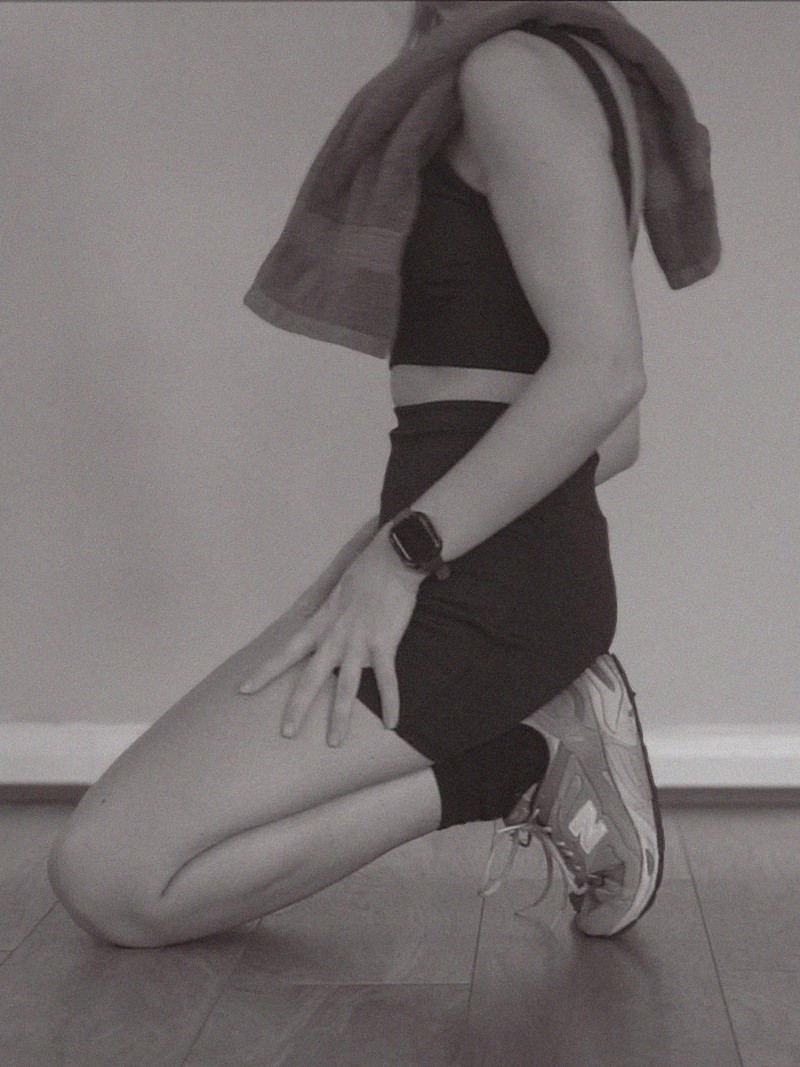
How A PT Stays Healthy Over The Festive Period
My routine changes, and that’s okay. Everything from my sleep pattern to my meal timings looks different at this point in the festive season – and that’s okay. Rather than holding myself to the same standards I have in September, I adjust and focus on what genuinely helps me feel steady – movement, in whatever form is realistic; sleep where I can get it; hydration that offsets the celebrations; and meals that add something nourishing to balance the indulgence. It’s easy to write off the entire month as a festive free-for-all but small things still make a difference. A morning walk, a glass of water between drinks or a homemade breakfast – none of it needs discipline in the traditional sense; I just need to be aware of how I want to feel tomorrow, not only in the moment.
Flexibility keeps me consistent. December calls for adaptability. If I miss a workout because a dinner ran late, I don’t try to make up for it – I reset and move forward. Holding on to what didn’t happen only adds stress. When my diary shifts, so does my wellness approach. I’ve learned that saying no to plans that stretch me too thin – or saying yes to a quiet night in – is often the most supportive choice. Flexibility isn’t failure; it’s what allows me to stay grounded.
Movement should feel good – not like a chore. Right now, I treat movement like a reset. A walk is my go-to: it offers steady-state cardio, time outside, fresh air, and space to clear my head – no willpower required. On busy days, dancing in my kitchen for ten minutes lifts my energy instantly. Some evenings, it’s just gentle stretching in front of the TV. It might not look like a workout but it keeps me feeling mobile, and that’s what matters. Enjoyable movement is far easier to maintain than something that feels like a box to tick.
December is also a great time to slow the body down, rather than push it harder. High-intensity training places stress on the nervous system, and when you’re already sleeping less, eating differently and socialising more, lower-impact movement can feel genuinely better. Slower strength work, Pilates-style activation or ballet barre-inspired sequences are all brilliant for mobility and control and can be done at home without the need for equipment. The benefit is cumulative, keeping your body mobile now means January doesn’t feel like starting from scratch.
Daily rituals are what keep me grounded. A quiet coffee before I check my phone helps me start the day in the right mindset. Stepping outside before midday gives me a clearer head than scrolling through messages in bed. Even in the evenings, dimming lights, having a shower and making a herbal tea signals to my body that the day is slowing down. These are small, accessible things – they’re not perfect or glamorous – but they work. And because they’re simple, I stick to them.
I use December as a time to focus on technique and form. Five minutes of mobility, ankle strengthening or core engagement makes a real difference. It’s not often talked about but this type of micro-training supports joints, reduces stiffness and makes your body feel more responsive when you return to full training in the new year.
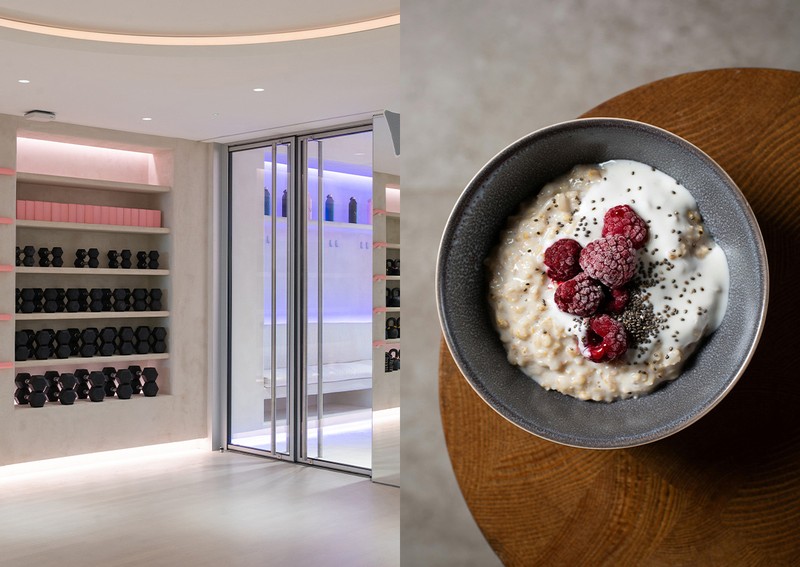
I enjoy festive food but I stay mindful. Food is a big part of this season and I embrace it – from mince pies to cheese boards and mulled wine. But I also know I feel better when I balance indulgence with nourishment. A protein-rich breakfast – like eggs or a protein shake – sets me up for the day. Adding greens to meals helps keep my digestion and energy stable. I don’t label food as good or bad – I just stay aware of how it makes me feel so I can enjoy the moment and the morning after.
Recovery lets me enjoy the fun. This part of the month usually involves late nights, travel, rich food and less sleep, so recovery matters. Hydration makes a surprisingly big difference to how I feel mentally the next day. Getting outside early – even for a short time – resets my system faster than anything else. I prioritise breakfast with healthy fats and protein because it stabilises my appetite and mood. I don’t push myself into an intense workout; light movement or stretching genuinely helps me feel better without adding pressure.
I keep supplements simple. Vitamin D supports my mood and energy when there’s less daylight, while omega-3 helps with digestion and focus when meals are richer and more varied. Magnesium helps me unwind and sleep, which is especially valuable when my evenings are full and mornings are sometimes rushed.
Boundaries make the fun feel better. It’s tempting to say yes to everything in December, but I’ve learned overcommitting just leads to burnout. Boundaries aren’t about missing out – they’re about being intentional. Whether it’s taking one night off, leaving when I’m tired, or only saying yes to plans that excite me, I protect my energy. When I do, I enjoy the moments that matter far more.
I treat January as a gentle return. I don’t enter the new year feeling like I need to undo anything. I just shift back into the habits that help me feel good, like getting to bed earlier, scheduling movement in, drinking more water, home-cooked meals and spending more time outdoors. Rather than a dramatic reset, I treat January as a gentle return, building momentum slowly so that the things I start are still happening in February, not forgotten by week three.
The last days of the year still count. Wellness doesn’t need to disappear during Christmas and reappear in January. It can sit quietly alongside the celebrations, supporting them rather than fighting them. Keeping things simple helps me enjoy the season more – and move into the new year feeling steady rather than depleted. I’m not aiming for perfect – just present, energised and connected enough to make the most of what’s left.
Visit THEMETHOD.COM
Or continue to comment as a Guest below
DISCLAIMER: We endeavour to always credit the correct original source of every image we use. If you think a credit may be incorrect, please contact us at info@sheerluxe.com.
/https%3A%2F%2Fsheerluxe.com%2Fsites%2Fsheerluxe%2Ffiles%2Fwebsite-images%2F2025%2F03%2Fsign-up-pop-up.jpg)