The Practical Habits That Can Make Life With ADHD Easier
Get Curious About Your Patterns
If you suspect ADHD, look at the full picture – not just how you're feeling today, but the patterns that have been with you for years. Did you struggle to focus at school, but no one noticed because you were quiet and well-behaved? Were you constantly distracted or forgetful? Have you always needed looming deadlines to kick into gear? These patterns matter. It’s also worth looking through old school reports or performance reviews – they can hold surprising clues. When you speak to a specialist, make sure they understand how ADHD presents in women. A good assessment should consider your history, not just a bad week or month.
Act Before You Feel Ready
One of the most important strategies I teach is this: don’t wait until you feel motivated. Just start. With ADHD, motivation often kicks in after you begin. So instead of planning everything or overthinking the task, try taking one very small step – something you can do in one minute. Open the document. Put one plate in the dishwasher. Write the first sentence. Once you’ve started, momentum builds. This action-first approach is simple but effective.
Reduce Overwhelm First
Most ADHD challenges trace back to one core feeling: overwhelm. It’s not that you can’t focus – it’s that there’s too much to focus on. When you feel flooded, your brain can’t prioritise. So instead of jumping straight into tasks, regulate yourself first, whether it’s moving your body or drinking a glass of water. Do something to bring your nervous system back into balance. Once your mind is calmer, the to-do list feels more manageable.
Keep It To Three
ADHD brains don’t respond well to long to-do lists. Looking at 25 tasks will only make you want to avoid them all. That’s why I recommend narrowing your focus to three priorities – either for the day, the morning or even the next hour. When you focus on a manageable number of tasks, you’re far more likely to complete them – and that sense of completion builds confidence and momentum.
Set Up Your Environment
Your surroundings can either support your ADHD brain or completely derail it. ADHD brains thrive with structure and clarity, and physical cues play a huge role in that. Separate your spaces wherever possible. Even small distinctions can help your brain compartmentalise. That might mean having a dedicated chair for work and a separate space for relaxing, or simply putting your laptop away at the end of the day to signal you’re ‘off the clock.’ If you work from home, a visible cue – like a sign that says ‘closed’ – helps reinforce the boundary between work and rest, for both your mind and the people around you. Don’t try to hold your entire day in your head either – that’s where overwhelm breeds. Write everything down, using post-its, digital reminders, or timers with custom messages. I tell clients to create systems that match their brain, not systems that look good on paper. Whether that’s colour-coding, voice notes or turning your to-do list into a visual board, what matters is that it works for you.
Make Sensory Tweaks
A ‘parking lot’ board – a physical or digital space to drop all your to-dos and thoughts that pop up during the day – can be a game-changer. It keeps your brain from trying to hold everything at once, which is where mental burnout starts. And don’t underestimate lighting, noise and even scent. Some ADHD brains respond well to ambient background noise or white noise, while others need total quiet. Experiment with what helps your brain feel safe and focused. Try noise-cancelling headphones, a calming playlist or a scent diffuser to signal transitions – like a citrus scent to perk you up in the morning or lavender in the evening to wind down. These small environmental tweaks send subtle signals to your brain, helping you shift between tasks, regulate your emotions and feel more in control of your day.
Find Meaning In The Task
If you’re stuck on something, ask yourself why it matters. Our brains respond better to emotion than obligation. ‘Write the report’ might not motivate you but ‘get this off my plate so I can enjoy the weekend’ might. Tying tasks to personal values or goals can help spark the action needed to start. Reframing a task this way helps rewire how we approach it. It turns the task into a stepping stone – something that connects to a bigger picture – instead of something to dread or delay. You can also build in a reward. Once the task is done, give yourself something small but satisfying – a walk, a snack, a break from screens. Positive reinforcement builds habits more effectively than guilt ever could.
Stick To The Facts
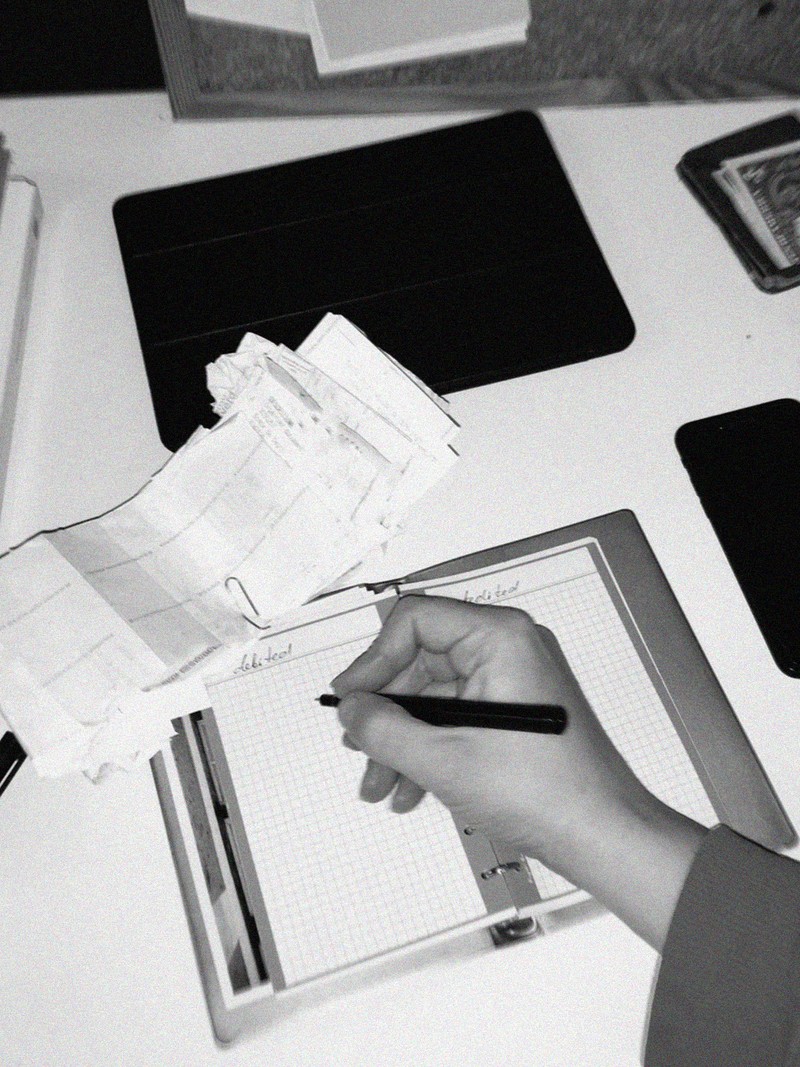
One of the habits that’s helped me the most – and that I encourage all my clients to adopt – is to write down what actually got done. Not what you forget or how you felt, just the facts. It might be: ‘I replied to two emails.’ ‘I made a healthy lunch.’ ‘I took a break when I needed one.’ These all count. ADHD brains are great at focusing on what went wrong. This practice helps rebalance that and gives you a much more accurate sense of your progress. You can even keep a visible log – on your phone, a sticky note, or a running list in a journal – that you update throughout the day. Over time, this becomes a quiet but powerful reminder of everything you are doing right.
Don’t Overlook The Basics
Managing ADHD isn’t just about routines and reminders. It’s also about taking care of your physical wellbeing. Sleep, nutrition and movement all affect focus and emotional regulation. If you’re taking stimulant medication, timing it properly is crucial – too late in the day and it might interfere with sleep. Even small changes, like winding down screens ten minutes earlier, can make a difference. If you don’t love exercising, build in movement in small, functional ways – take the stairs, park further away, stand up and stretch between tasks. These micro-shifts help reset your energy without needing a full workout routine. Food matters, too. Eat small, regular meals – even if you’re not hungry – and limit refined sugars where possible. ADHD brains are particularly sensitive to blood sugar spikes and crashes, which can massively impact mood, energy and focus.
Shanna Pearson is the author of ‘Invisible ADHD’, out now from Bluebird, and the CEO and founder of ADHDCOACHING.COM
DISCLAIMER: Features published by SheerLuxe are not intended to treat, diagnose, cure or prevent any disease. Always seek the advice of your GP or another qualified healthcare provider for any questions you have regarding a medical condition, and before undertaking any diet, exercise or other health-related programme.
Or continue to comment as a Guest below
DISCLAIMER: We endeavour to always credit the correct original source of every image we use. If you think a credit may be incorrect, please contact us at info@sheerluxe.com.
/https%3A%2F%2Fsheerluxe.com%2Fsites%2Fsheerluxe%2Ffiles%2Fwebsite-images%2F2025%2F03%2Fsign-up-pop-up.jpg)